


Blog
Ethiopian H type chicken cage system technology helps commercial farms improve egg production efficiency and operational management in modern poultry housing environments.
Rapid urban egg demand in cities such as Addis Ababa encourages farms to adopt modern housing systems.
Automated feeding, egg collection, and manure removal reduce daily manual workloads on expanding poultry farms.
Modern cage structures improve feed distribution consistency and reduce feed wastage during egg production cycles.
Improved housing efficiency helps poultry farmers stabilize operating expenses while expanding flock capacity.
Get professional poultry farm construction guidance, equipment selection solutions, and the latest price lists, whatsApp to +8618830120193, click to learn more.

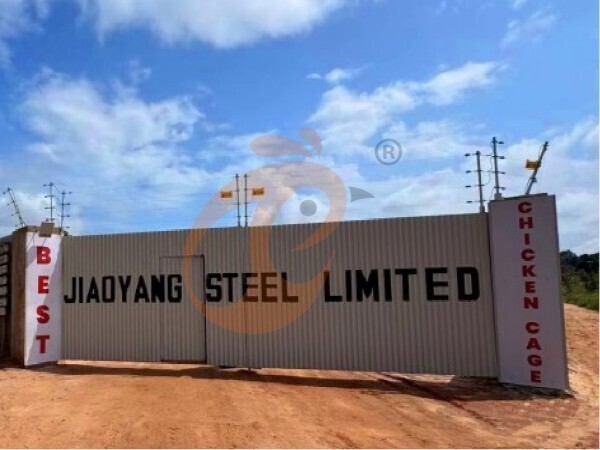
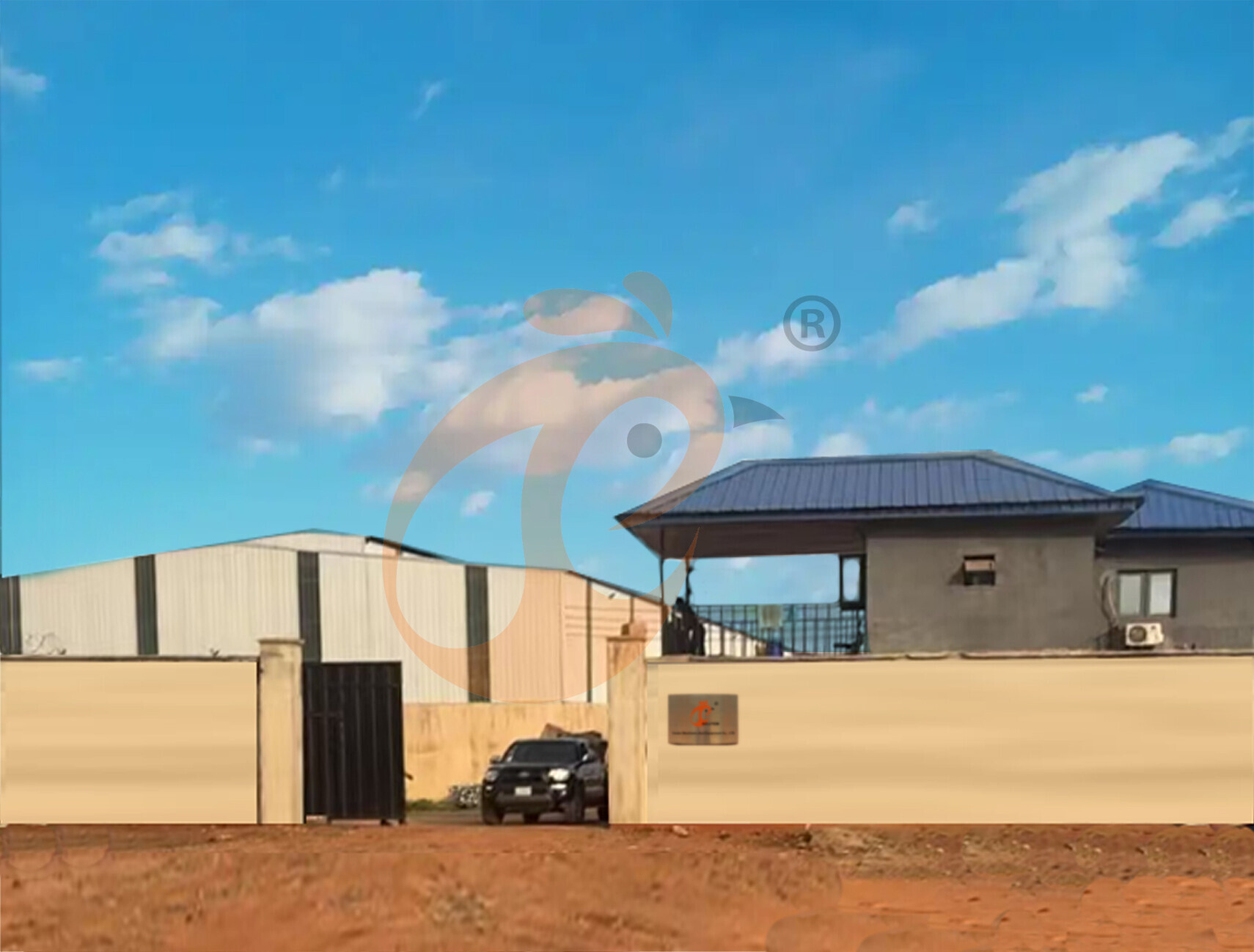
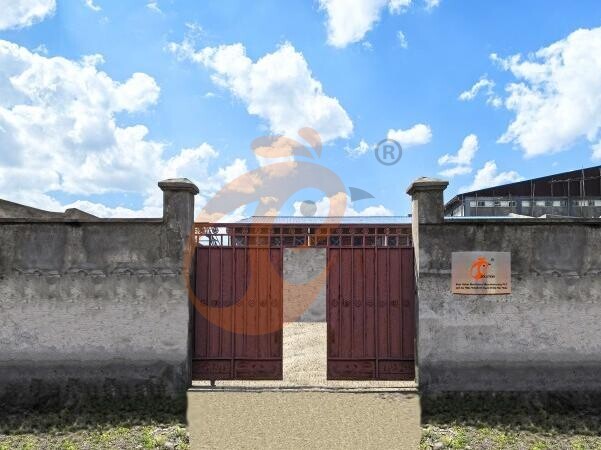
Ethiopia Branch Office And Factory Of Poultry Farm Equipment
Current Structure Of Ethiopia's Layer Farming Sector
The poultry sector in Ethiopia has become an increasingly important contributor to food security, employment, and agricultural income.
Eggs are among the most affordable animal source proteins for urban and rural households, particularly in cities such as Addis Ababa, Bahir Dar, and Hawassa.
However, many Ethiopian layer farms still rely on traditional management systems that require intensive manual labor and inefficient feed usage.
These inefficiencies raise operating costs and reduce profitability.
The adoption of automatic layer chicken cage system infrastructure is gradually increasing among commercial egg farms seeking production stability.
Data is for reference only.Swipe horizontally to view full table.
The increasing demand for hygienic eggs in cities such as Addis Ababa has encouraged farmers to shift toward controlled housing systems.
Modern cage systems allow higher stocking density and better disease management.
Feed Costs The Largest Expense For Ethiopian Egg Farms
Feed is the dominant cost factor in layer farming.
Ingredients such as maize, soybean meal, and mineral premixes often fluctuate in price due to regional supply disruptions in areas such as the Wollega and Gojjam zones.
Feed expenses on commercial farms are typically calculated using Ethiopian birr (ETB).
European union standard reference only.
Efficient feed management is therefore critical for profitability.
Even a small reduction in feed wastage can significantly improve financial performance when using Ethiopian H type chicken cage system infrastructure.
Data is for reference only.Swipe horizontally to view full table.
Reducing feed loss during feed distribution remains one of the most effective ways to improve profitability.
Labor Challenges In Ethiopian Poultry Operations
Manual management systems require multiple workers to handle feeding, watering, egg collection, and manure cleaning.
Wage costs vary depending on farm size and location, but labor can still represent a notable share of operating expenses.
Labor expenses on poultry farms are typically calculated in Ethiopian birr (Ethiopian Birr).
European union standard reference only.
Data is for reference only.Swipe horizontally to view full table.
Automation within cage systems can reduce the number of workers required, achieving human labor savings of 70–90% compared with manual H cages.
Structure Of Heavy Duty Ethiopian H Type Chicken Cages
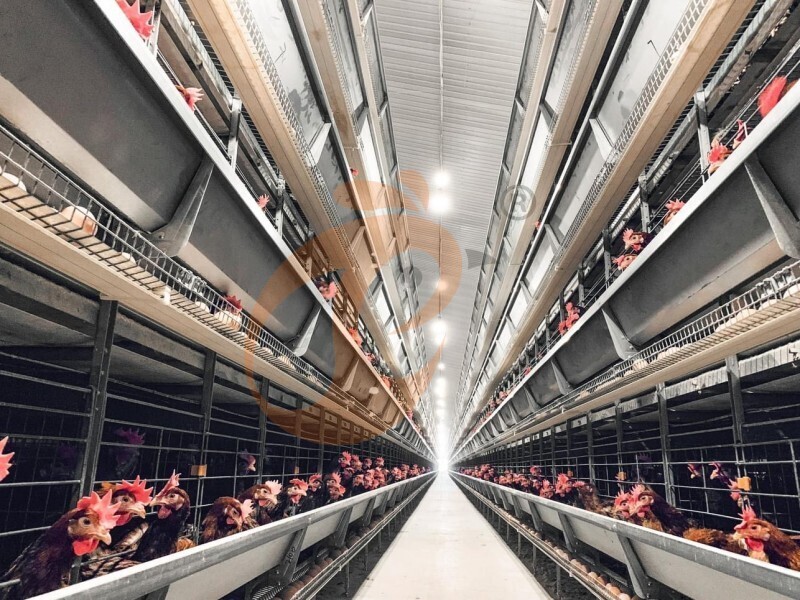
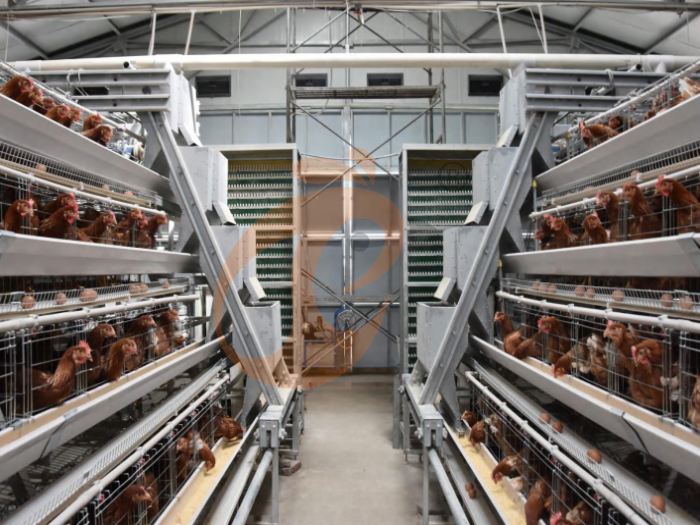
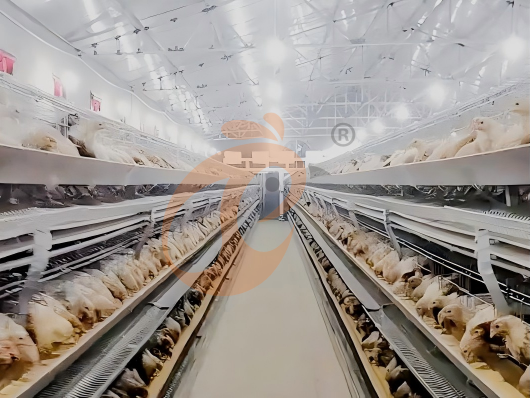
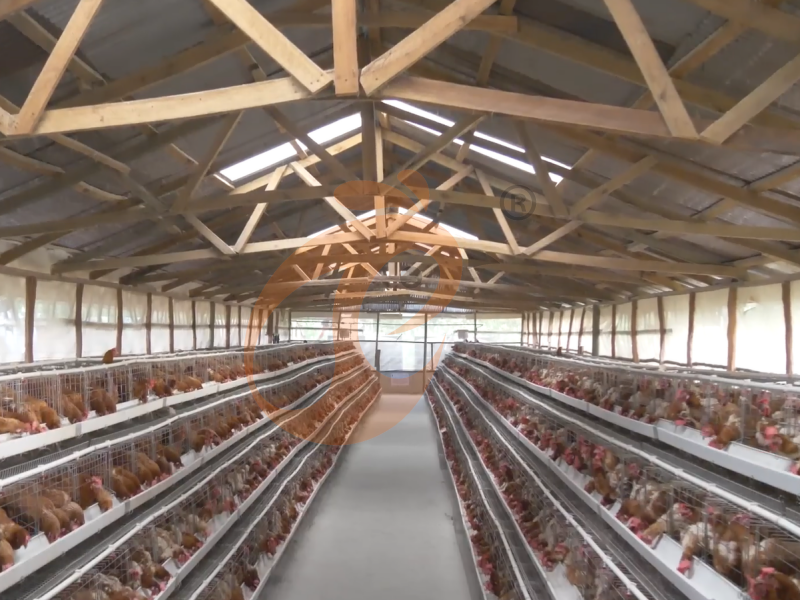
H type chicken cage systems are designed for large scale layer farming with vertical stacking structures that maximize building space.
Unlike traditional cage systems, these structures integrate automated equipment for feeding, egg collection, and manure removal.
These systems are commonly categorized as commercial layer chicken cage equipment within modern poultry housing technology.
Data is for reference only.Swipe horizontally to view full table.
These cages are particularly suitable for expanding farms in regions such as Oromia and Amhara where commercial egg production is growing.
The average laying rate of hens can reach 90–98%.
Automated Feeding Systems And Feed Efficiency
One of the most important features of H type chicken cage systems is the automatic feed distribution line.
Feed is delivered uniformly along the cages, ensuring every hen receives a consistent ration.
Data is for reference only.Swipe horizontally to view full table.
Reducing feed wastage is particularly valuable in Ethiopia because feed ingredient prices can rise rapidly due to supply chain disruptions.
Automated Egg Collection Reduces Labor Costs
Egg collection is one of the most time consuming tasks in traditional poultry houses.
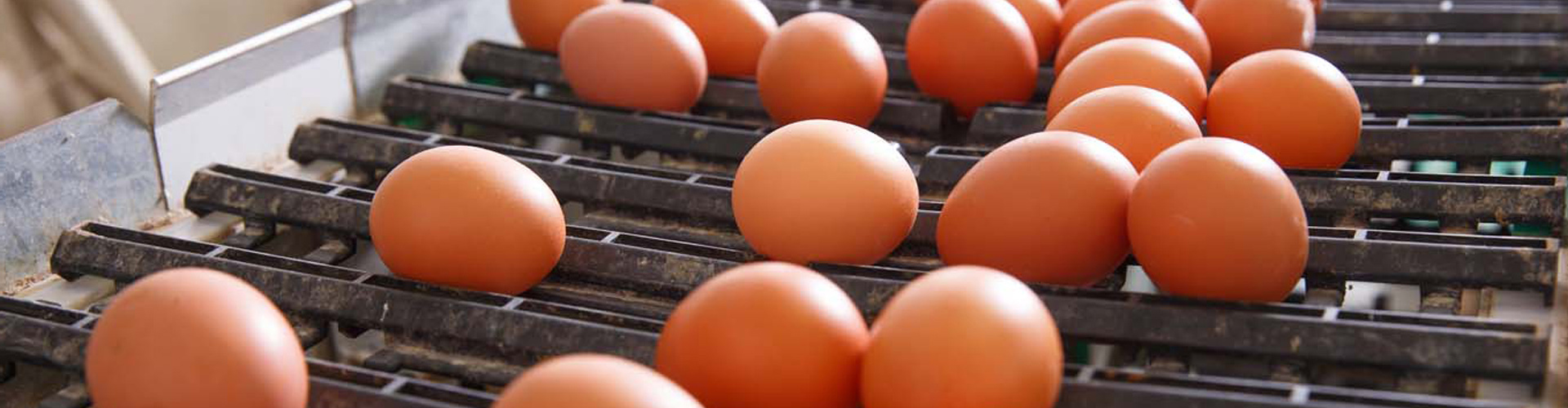
In H type chicken cage systems, eggs roll onto conveyor belts and are transported directly to a central collection point.
Data is for reference only.Swipe horizontally to view full table.
Reduced egg breakage also increases the percentage of marketable eggs.
Manure Belt Systems Improve Farm Hygiene
Another major advantage of H type chicken cage systems is the manure belt mechanism.
Instead of manual cleaning, manure is transported automatically out of the building.
Data is for reference only.Swipe horizontally to view full table.
Better manure management improves air quality, which helps maintain consistent egg production.
Productivity Impact Of Modern Cage Systems
Automation improves not only efficiency but also flock performance.
Consistent feeding, clean water, and better environmental control support stable laying rates.
Data is for reference only.Swipe horizontally to view full table.
Higher productivity allows farms to supply more eggs to Ethiopian urban markets.
Economic Impact For Ethiopian Egg Farms
Combining feed efficiency and labor savings leads to measurable financial benefits.
Financial calculations for poultry farms are typically evaluated using Ethiopian birr (ETB).
European union standard reference only.
Data is for reference only.Swipe horizontally to view full table.
The annual cost reduction can exceed several million Ethiopian birr for medium scale farms.
Addressing Ethiopia's Poultry Sector Challenges
The Ethiopian poultry industry faces several structural challenges, including feed shortages, productivity limitations, and limited access to modern technology.
Heavy duty H type chicken cage systems address these issues in several ways.
Higher production density enabling efficient land use.
Improved feed utilization during egg production cycles.
Reduced labor demand during feeding and egg collection.
Improved biosecurity conditions within enclosed poultry houses.
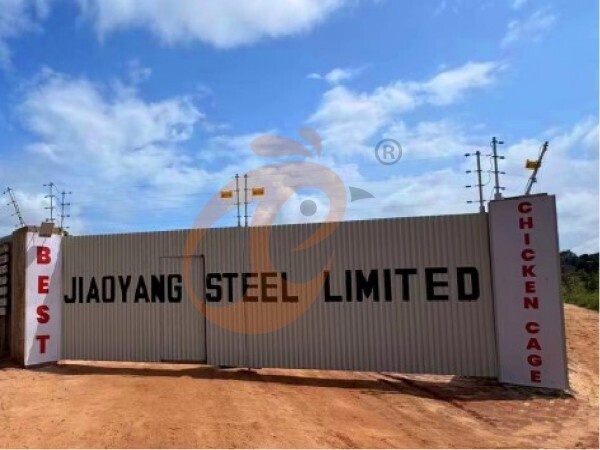
Ethiopia Best Hebei Machinery Manufacturing Plc - One Of Ethiopia Largest Chicken Cage Manufacturer
Global factory direct supply ensures competitive equipment pricing for poultry farmers worldwide.
The company provides advanced poultry farm equipment including poultry cage systems for commercial egg production farms.
Engineering teams support poultry house planning and full poultry equipment configuration services.
Turn key poultry farm construction solutions include housing design, equipment installation, and technical guidance.
International export experience ensures reliable delivery and operational support for poultry farms in multiple regions.
Contact Us To Received Your Customized Poultry Farm Plan
Headquarters And Branchs
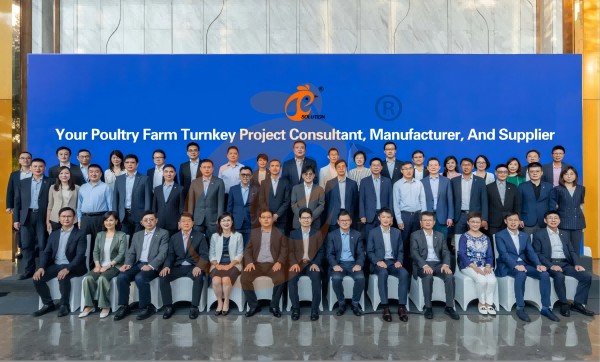
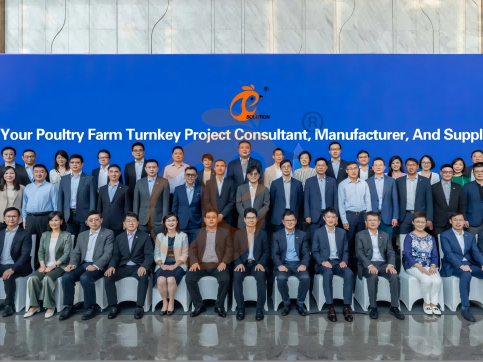
Hong Kong Headquarter Management Team
Hong Kong Headquarter Taiyu Industrial Group CO., LTD
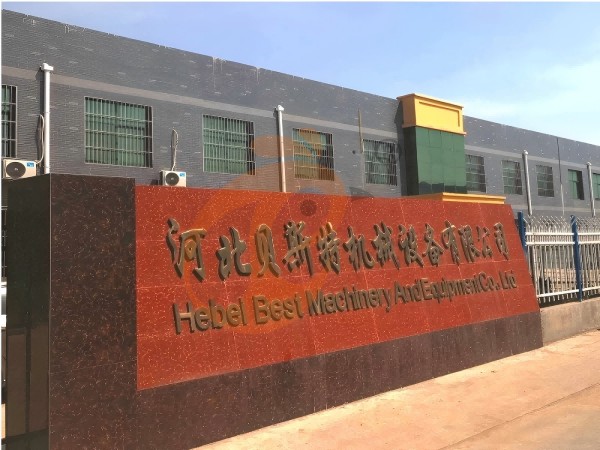
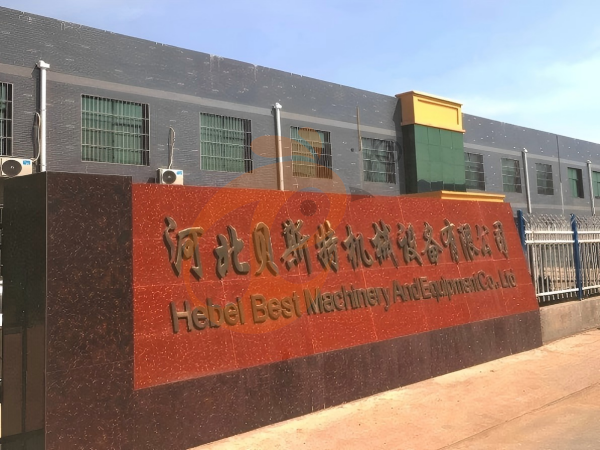
China Hebei Best Machinery And Equipment CO., LTD
Nigeria Vanke Machinery And Equipment CO., LTD
Tanzania Best Machinery And Equipment CO., LTD
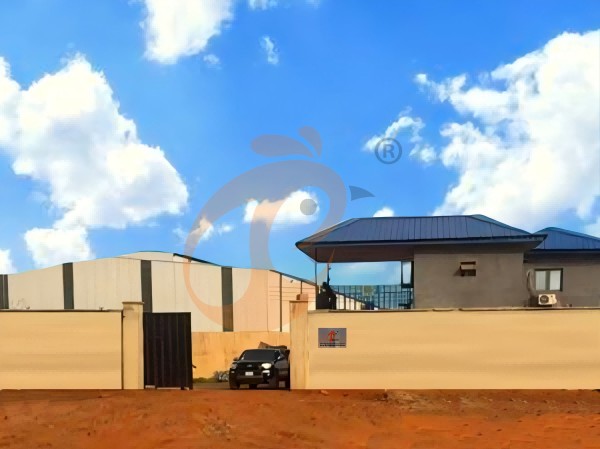
Ethiopia Best Hebei Machinery Manufacturing PLC

Reception /24 WhatsApp NO. : +8618830120193
FAQ
How To Maintain High Egg Production Rate Using H-Type Battery Cage?
Optimized lighting and temperature reduce stress
Egg production rate: 90-98%
Daily egg yield: 950–980 eggs/1,000 hens
FCR: 1.9–2.1
What Are The Labor Saving Advantages Of H-Type Layer Cage System?
One worker can manage 10,000–20,000 birds
Labor cost reduced by 70–90%
Egg production rate: 90-98%
Daily egg yield: 900–950 eggs/1,000 hens
How To Extend Lifespan Of H-Type Poultry Cage Equipment?
Check and maintain feeding and drinking systems
Inspect and repair anti-corrosion coating
Equipment lifespan: more than 25 years
Maintenance cost reduced by 30–40%
- poultry equipment
- chicken cage
- poultry farm
- poultry cage
- poultry farm
- poultry farm equipment
- poultry farm construction
- chicken cage manufacturer
- chicken cage equipment
- layer farm
- poultry farmer
- poultry house
- chicken cage system
- poultry cage system
- layer chicken cage
- poultry farm construction solutions
- Ethiopia
- Nigeria
Message
Products recommended
 HK Headquarter Offers EU-standard Poultry Farm Solutions, Manufacture Poultry Farm Equipment1. Continuous communication with the EU and the US
2. China, Nigeria, Ethiopia, Tanzania branch companies and factories
3. The products’ quality is customized for local poultry farms
4. Poultry cage and poultry farm equipment stock for sale
5. 24 online reception Whatsapp NO. : +8618830120193,contact us to get full informationRead More China Branch Offer Poultry Farm Business Plan, Manufacture Poultry Farm Equipment1. Address: Flat/RM 2416, 24/F, Runxing Building, Youyi Nan Street, Shijiazhuang City, Hebei Province, China
2. Poultry cage and poultry farm equipment factory and stock for sale
3. Customized for local poultry farms
4. Quality and design are based on Euro
5. 24 online reception Whatsapp NO. : +8618830120193Read More Nigeria Branch Offer Poultry Farm Business Plan, Manufacture Poultry Farm Equipment1. Address: After Sinoma Office, 200 Meters Near Danco Filling Station, Lagos/Ibadan Expressway, Lagos State, Nigeria
2. Poultry cage and poultry farm equipment factory and stock for sale
3. Customized for Nigerian poultry farms
4. Quality and design are based on Euro
5. 24 online reception Whatsapp NO. : +8618830120193Read More Ethiopia Branch Offer Poultry Farm Business Plan, Manufacture Poultry Farm Equipment1. Address: Gelan Gura, Akaki-kaliti Sub City, Addis Ababa, Ethiopia
2. Poultry cage and poultry farm equipment stock for sale
3. Customized for Ethiopian poultry farms
4. Quality and design are based on Euro
5. 24 online reception Whatsapp NO. : +8618830120193, contact us to get price listRead More Tanzania Branch Offer Poultry Farm Business Plan, Manufacture Poultry Farm Equipment1. Address: No.8, Sova Road, Msufini, Mlandizi, Kibaha, Pwani, Tanzania
2. Poultry cage and poultry farm equipment factory and stock for sale
3. Customized for Tanzanian poultry farms
4. Quality and design are based on Euro
5. 24 online reception Whatsapp NO. : +8618830120193Read More Fully Automatic H Type Layer Chicken Cage1. 30,000-100,000+ layers/house chooses it, Poultry farmers can achieve an egg production rate of 96-98%
2. A significant improvement over the 85-90% typically seen in manual systems
3. A typical poultry farm can expect a 30-40% reduction in labor costs due to the automation
4. Each feeding line efficiently supplies feed to around 100,000 hens per 30 mins
5. Reception /WhatsApp NO. : +8618830120193Read More Fully Automatic A Type Layer Chicken Cage1. 10,000-50,000 layers/house chooses it
2. Cleaner egg collection reduces breakage by 0.5%
3. Improved hygiene helps reduce mortality rate to <3%
4. 1–2 technicians can handle 15,000–30,000 birds
5. Reception /WhatsApp NO. : +8618830120193Read More Semi Automatic H Type Layer Chicken Cage1. 1,00-20,000 layers/house chooses it
2. Nipple drinkers flow 30–60 ML / min
3. Hot-dip galvanized (typical coating ≥ 275 g/m²)
4. Reduce ammonia by ~ 35–40%
5. Reception /WhatsApp NO. : +8618830120193Read More Semi Automatic A Type Layer Chicken Cage1. 1,00-20,000 layers/house chooses it, no rust for 10 years, no deformation for 15 years
2. Chickens live comfortably, you can raise them with peace of mind
3. Save water, save money—efficiency you can measure
4. Improve environment quality, and increase egg production rate
5. Reception /WhatsApp NO. : +8618830120193Read More
By clicking 'Allow All', you agree to the storage of cookies on your device to enhance site navigation, analyze site usage and assist with our marketing efforts.