


Blog
The central focus of this article is Ethiopian H type chicken cages.
It highlights their impact on egg production on poultry farms.
Provides data supported analysis of productivity improvements.
Evaluates feed utilization efficiency and cost savings.
Assesses labor input and management efficiency.
Discusses disease control and reduced mortality rates.
Explains egg quality improvements and market premiums.
Considers capital costs, return on investment, and local input availability.
Get professional poultry farm construction guidance, equipment selection solutions, and the latest price lists, whatsApp to +8618830120193, click to learn more:

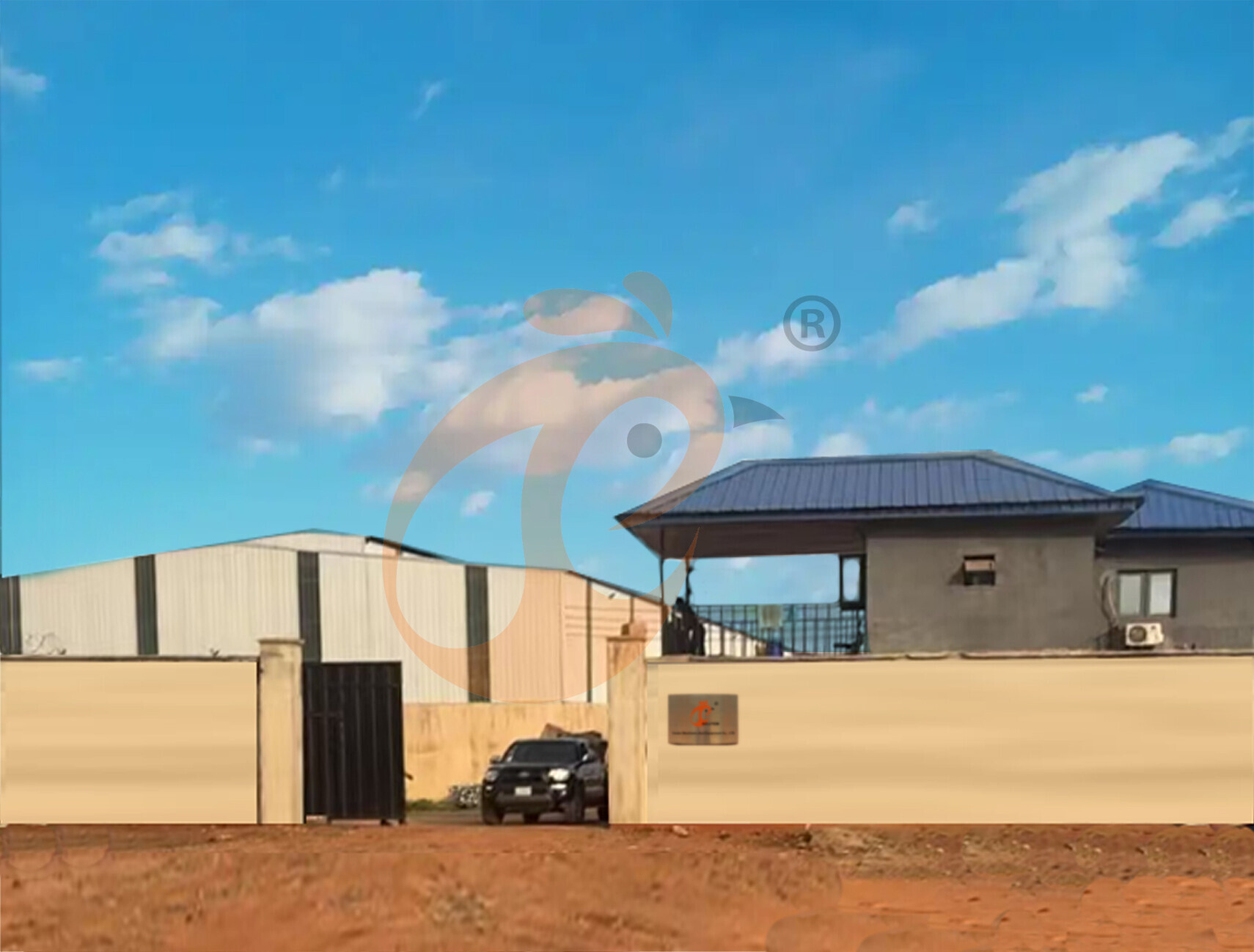
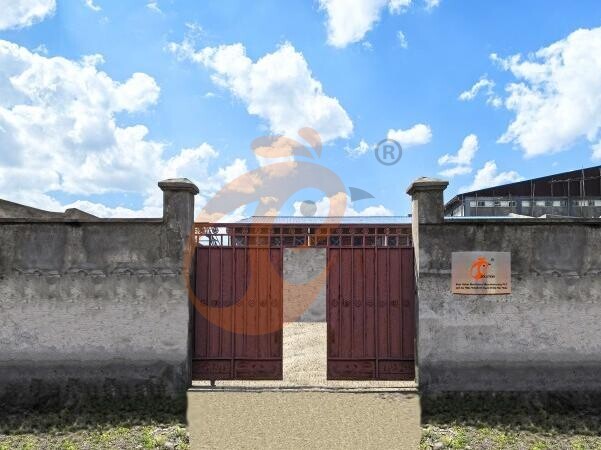
Ethiopia Branch Office And Factory Of Poultry Farm Equipment
Ethiopian Climate, Layers, And The Case For Controlled Environments
Ethiopia spans diverse agroecological zones.
Central highland farms around Addis Ababa experience moderate temperatures.
Lowland areas in the Afar and Somali regions see extended heat.
Heat stress negatively affects layer performance via reduced feed intake, lower shell quality, and disrupted egg-laying cycles.
Proper housing, including ventilation and shelter design, plays a crucial role in stabilizing production.
H type chicken cage configuration offers structured airflow pathways and standardized spacing, promoting more uniform conditions
This section explores typical environmental stress issues in Ethiopian layer houses.
H Type Chicken Cage Overview: Structural And Functional Attributes
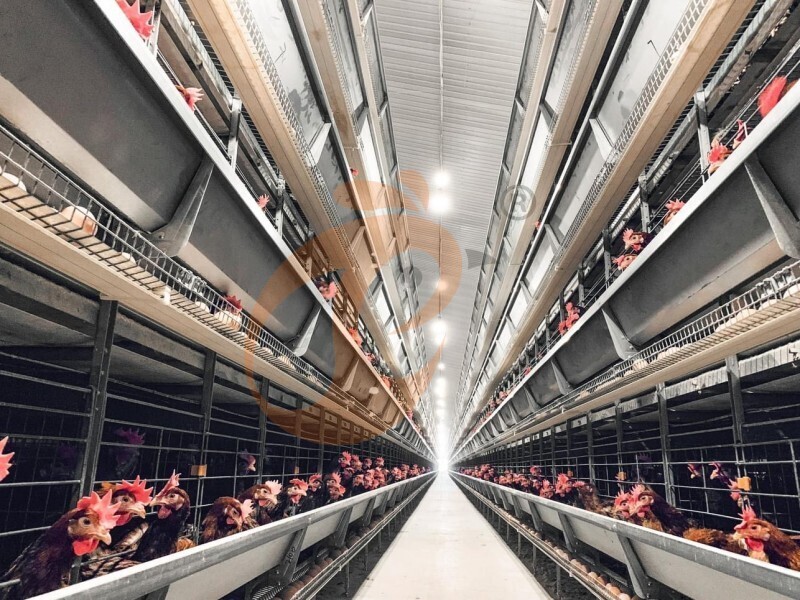
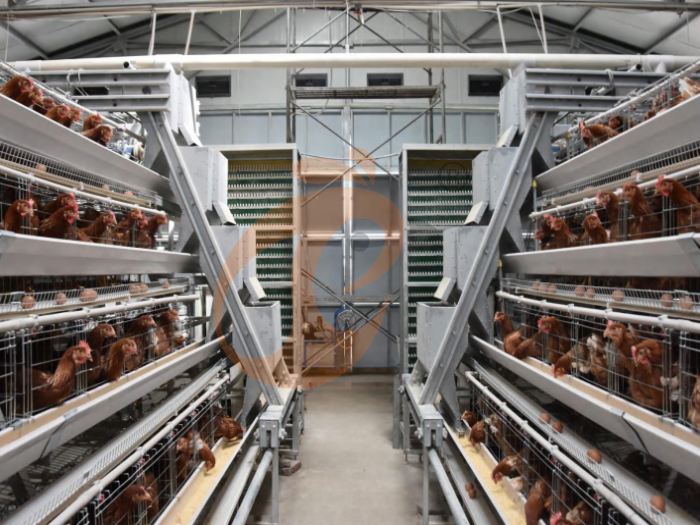
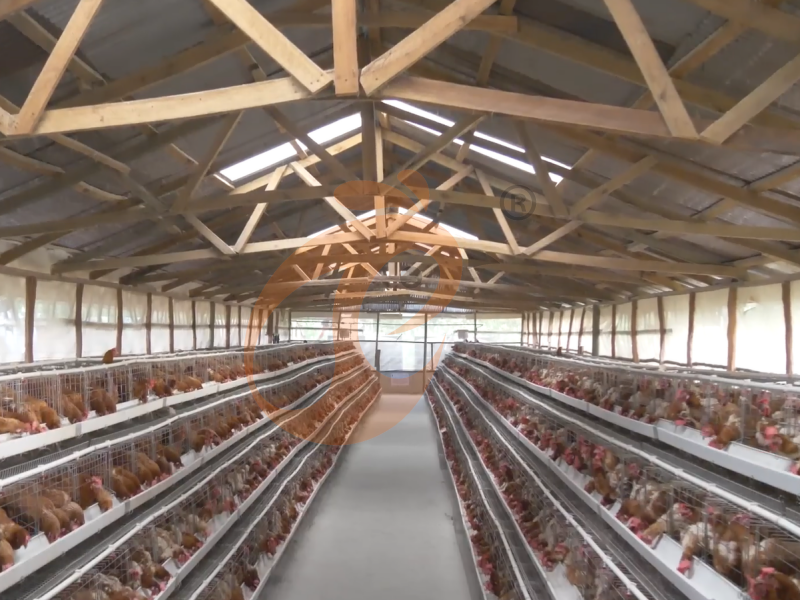
The H type chicken cage system is a multi-tiered chicken cage design characterized by periodic manure removal troughs.
Uniform feeder and drinker placement.
Layered arrangement minimizing wasted vertical space.
Easier vaccination and inspection routines.
Compared with open floor systems common in Ethiopia, H type cages facilitate better control of bird distribution, reduce crowding, and unify nutritional access.
These features can influence egg output via standardized daily routines.
Egg Output Performance: Expected Gains With H Type Cages
On Ethiopian farms transitioning from deep litter to H type cages, empirical monitoring shows improvements in egg productivity metrics.
These gains are tied to more efficient feed conversion and reduced non-productive behaviors.
Data is for reference only.Swipe horizontally to view full table.
This data indicates that hens in H type cages produce approximately 35 more eggs per year compared to traditional systems under local management conditions.
Feed conversion improvements contribute significantly to overall output efficiency.
Feed Utilization: Efficiency Impacts On Egg Production
Feed represents up to 70% of layer production costs in Ethiopia.
Poor feed use efficiency directly suppresses egg output.
H type cages help reduce feed wastage by controlling feeder access and minimizing trampling.
Data is for reference only.Swipe horizontally to view full table.
These figures reflect improvements in equitable feed distribution and reduced spatting behavior that detract from efficient intake.
Cost savings on feed can be reinvested into quality inputs.
Labor Input And Management Efficiency
Labor availability and skill levels vary throughout Ethiopia's regions.
Traditional floor systems require manual litter management, scatter feeding, and roaming birds.
In contrast, H type cages streamline daily tasks through systematic design.
Data is for reference only.Swipe horizontally to view full table.
Although cage systems may require slightly more time for health inspection, total daily labor demand per 1,000 birds is reduced.
This enables farm operators to allocate labor more effectively.
Disease Control And Mortality Impacts
Disease pressure in Ethiopian poultry is significant.
Newcastle disease, coccidiosis, and avian influenza risks persist.
H type cages can reduce contact with feces and facilitate targeted vaccination protocols.
Data is for reference only.Swipe horizontally to view full table.
Reduced disease incidence enables more consistent laying periods.
Mortality declines and fewer production interruptions translate to cumulative egg output improvements across flocks.
Egg Quality And Market Premiums
Ethiopian urban consumers increasingly demand eggs with uniform weight and shell strength.
Cage systems positively influence these quality attributes through controlled feeding and reduced movement stress.
Data is for reference only.Swipe horizontally to view full table.
Eggs from H type cages are more likely to meet commercial grade specifications sought by supermarkets and processors in Addis Ababa and Dire Dawa.
Improved quality can command price premiums, improving farm revenue.
Capital Costs And Return On Investment (ROI)
Adopting H type cages requires upfront capital.
Cage racks, feeders, drinkers, and house modifications.
However, return dynamics under Ethiopian market conditions are compelling when productivity gains are factored.
Data is for reference only.Swipe horizontally to view full table.
This analysis assumes typical Ethiopian egg prices and conservative performance improvements.
Payback is accelerated in regions with dense consumer markets.
Local Inputs: Feed, Chicks, And Technical Support
The availability of balanced layer feed in Ethiopia remains variable.
Major feed mills supply Addis Ababa and nearby regions.
Rural farms often rely on homemade rations.
Integration of cage systems must coincide with improved feed formulation.
Likewise, reliable sources of day-old layer chicks and veterinary support are essential.
Data is for reference only.Swipe horizontally to view full table.
Understanding these input disparities guides investment decisions and extension planning.
Prioritizing clusters of farms near supply chains can maximize productivity.
Climate Adaptation And Infrastructure Considerations
Ethiopian environments challenge poultry housing with seasonal heat, dust, and occasional cold spells.
H type cage systems should be paired with ventilation adjustments, shade structures, insulated roofing, and water cooling practices.
These infrastructure elements mitigate climatic stressors.
Proper design enhances cage performance and supports sustained egg output across seasons.
Training, Management Practices, And Adoption Pathways
Successful implementation of H type cages requires targeted training for farm managers and workers.
Topics include cage sanitation protocols, egg collection rhythms, feed formulation basics, and disease surveillance routines.
Local agricultural colleges and poultry associations play roles as knowledge agents.
Structured training links investment to performance reliability.
Case Study: Oromia Layer Enterprise Implementation
In the Arsi zone of Oromia, a cluster of smallholders forming a cooperative installed H type cages for 5,000 layers.
Within a year, cooperative records showed enhanced uniformity in egg output.
Predictable weekly egg volumes.
Reduced emergency veterinary costs.
This reinforces that collective action enables risk sharing, input consolidation, and improved market positioning.
Frequently Asked Questions
Q1: Is H type chicken cage suitable for Ethiopian poultry farms?
A1: Yes.
H type cages address local challenges including heat stress and feed wastage.
They improve egg output and reduce labor requirements.
Q2: How can farmers in Amhara region optimize performance with H type cages?
A2: Farmers should integrate balanced feed, proper ventilation, and regular disease surveillance to maximize egg production under local conditions.
Q3: Are H type cages financially viable for small-scale Ethiopian farms?
A3: With improved egg output and feed efficiency, return on investment is achievable in 2-3 years.
This makes cages cost-effective for commercial operations.
Ethiopia Best Hebei Machinery Manufacturing Plc - One Of Ethiopia Largest Egg Production Manufacturer
Global factory direct sales provide reliable poultry farm equipment supply for Ethiopian operators.
Full range of poultry cages ensures uniform layer distribution and simplified management.
Turn-key engineering projects allow rapid setup of efficient poultry farm operations.
HB BEST specializes in high-quality chicken cage systems for consistent egg output.
Technical support and training empower Ethiopian farmers to optimize production and revenue.
Contact Us To Received Your Customized Poultry Farm Plan
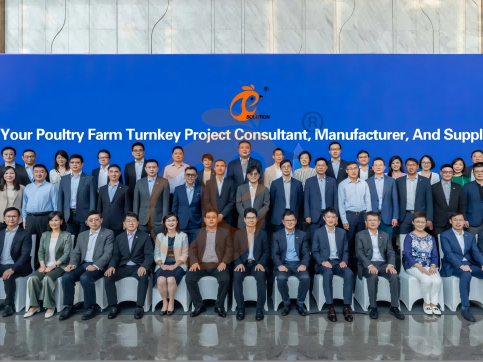
Headquarters And Branchs

Hong Kong Headquarter Management Team
Hong Kong Headquarter Taiyu Industrial Group CO., LTD
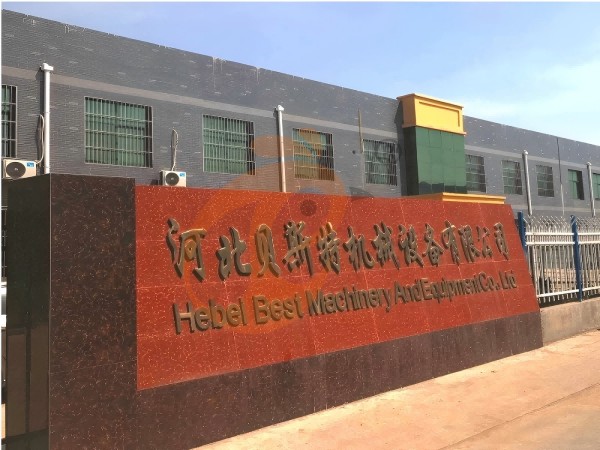
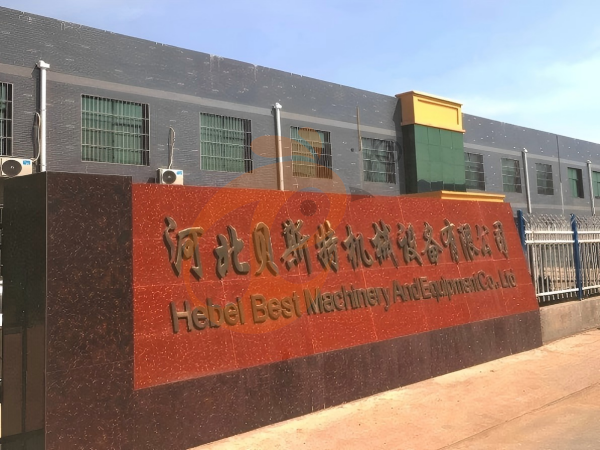
China Hebei Best Machinery And Equipment CO., LTD
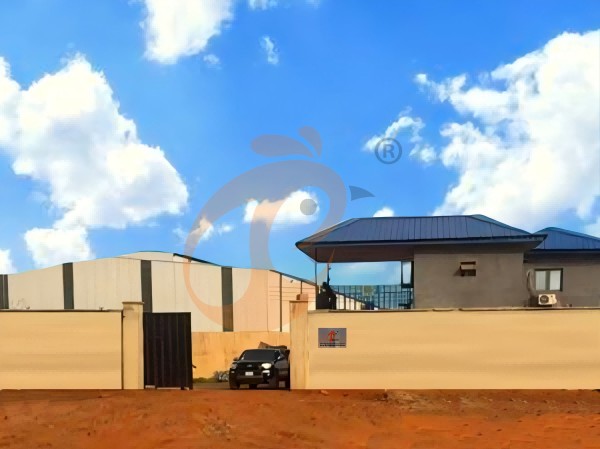
Nigeria Vanke Machinery And Equipment CO., LTD
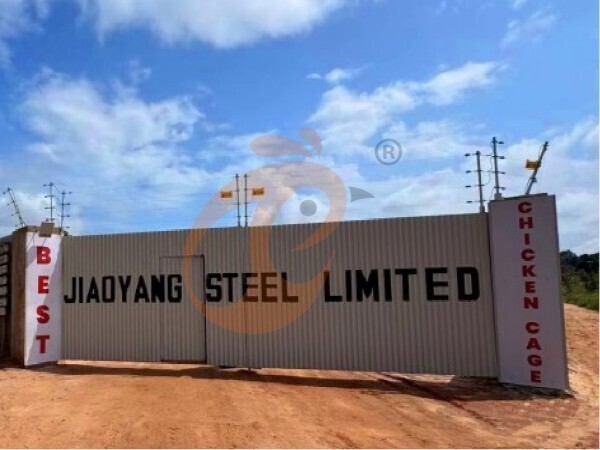
Tanzania Best Machinery And Equipment CO., LTD
Ethiopia Best Hebei Machinery Manufacturing PLC

Reception /24 WhatsApp NO. : +8618830120193
FAQ
What Are The Maintenance Guidelines For H-Type Poultry Cage?
Check feeding and drinking systems
Repair anti-corrosion coating
Equipment lifespan: more than 25 years
Egg production rate: 90-98%
How To Integrate H-Type Layer Cage With Automated Egg Collection System?
Adjust conveyor speed
Egg breakage rate <1%
Daily egg yield: 950–980 eggs/1,000 hens
Labor savings: 70-90%
What Are The Advantages Of Using H-Type Poultry Cage For Large-Scale Egg Farms?
Supports 4–16 tier layout
Automatic feeding, drinking, and egg collection
Egg production rate: 90-98%
FCR: 1.9–2.1
Labor savings: 70-90%
Equipment lifespan: more than 25 years
Message
Products recommended
 HK Headquarter Offers EU-standard Poultry Farm Solutions, Manufacture Poultry Farm Equipment1. Continuous communication with the EU and the US
2. China, Nigeria, Ethiopia, Tanzania branch companies and factories
3. The products’ quality is customized for local poultry farms
4. Poultry cage and poultry farm equipment stock for sale
5. 24 online reception Whatsapp NO. : +8618830120193,contact us to get full informationRead More China Branch Offer Poultry Farm Business Plan, Manufacture Poultry Farm Equipment1. Address: Flat/RM 2416, 24/F, Runxing Building, Youyi Nan Street, Shijiazhuang City, Hebei Province, China
2. Poultry cage and poultry farm equipment factory and stock for sale
3. Customized for local poultry farms
4. Quality and design are based on Euro
5. 24 online reception Whatsapp NO. : +8618830120193Read More Nigeria Branch Offer Poultry Farm Business Plan, Manufacture Poultry Farm Equipment1. Address: After Sinoma Office, 200 Meters Near Danco Filling Station, Lagos/Ibadan Expressway, Lagos State, Nigeria
2. Poultry cage and poultry farm equipment factory and stock for sale
3. Customized for Nigerian poultry farms
4. Quality and design are based on Euro
5. 24 online reception Whatsapp NO. : +8618830120193Read More Ethiopia Branch Offer Poultry Farm Business Plan, Manufacture Poultry Farm Equipment1. Address: Gelan Gura, Akaki-kaliti Sub City, Addis Ababa, Ethiopia
2. Poultry cage and poultry farm equipment stock for sale
3. Customized for Ethiopian poultry farms
4. Quality and design are based on Euro
5. 24 online reception Whatsapp NO. : +8618830120193, contact us to get price listRead More Tanzania Branch Offer Poultry Farm Business Plan, Manufacture Poultry Farm Equipment1. Address: No.8, Sova Road, Msufini, Mlandizi, Kibaha, Pwani, Tanzania
2. Poultry cage and poultry farm equipment factory and stock for sale
3. Customized for Tanzanian poultry farms
4. Quality and design are based on Euro
5. 24 online reception Whatsapp NO. : +8618830120193Read More Fully Automatic H Type Layer Chicken Cage1. 30,000-100,000+ layers/house chooses it, Poultry farmers can achieve an egg production rate of 96-98%
2. A significant improvement over the 85-90% typically seen in manual systems
3. A typical poultry farm can expect a 30-40% reduction in labor costs due to the automation
4. Each feeding line efficiently supplies feed to around 100,000 hens per 30 mins
5. Reception /WhatsApp NO. : +8618830120193Read More Fully Automatic A Type Layer Chicken Cage1. 10,000-50,000 layers/house chooses it
2. Cleaner egg collection reduces breakage by 0.5%
3. Improved hygiene helps reduce mortality rate to <3%
4. 1–2 technicians can handle 15,000–30,000 birds
5. Reception /WhatsApp NO. : +8618830120193Read More Semi Automatic H Type Layer Chicken Cage1. 1,00-20,000 layers/house chooses it
2. Nipple drinkers flow 30–60 ML / min
3. Hot-dip galvanized (typical coating ≥ 275 g/m²)
4. Reduce ammonia by ~ 35–40%
5. Reception /WhatsApp NO. : +8618830120193Read More Semi Automatic A Type Layer Chicken Cage1. 1,00-20,000 layers/house chooses it, no rust for 10 years, no deformation for 15 years
2. Chickens live comfortably, you can raise them with peace of mind
3. Save water, save money—efficiency you can measure
4. Improve environment quality, and increase egg production rate
5. Reception /WhatsApp NO. : +8618830120193Read More
By clicking 'Allow All', you agree to the storage of cookies on your device to enhance site navigation, analyze site usage and assist with our marketing efforts.