


Blog
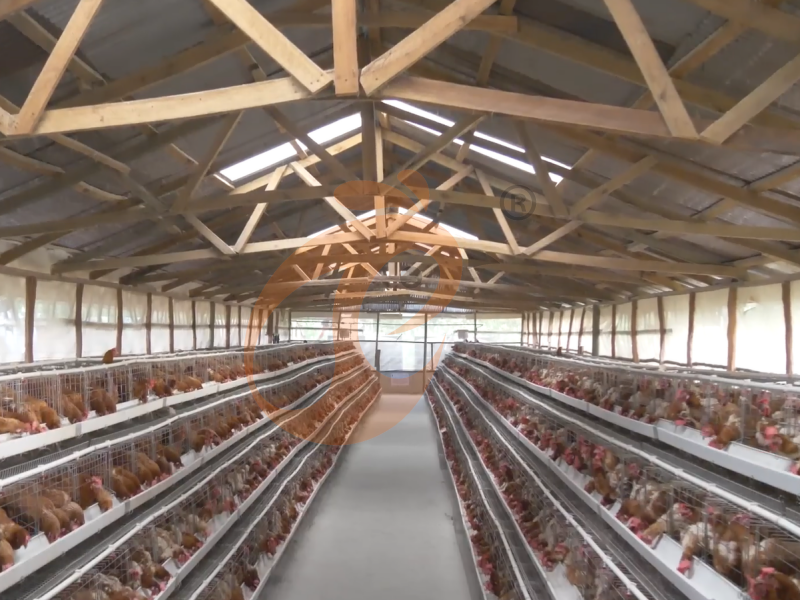
Ethiopian H type chicken cage systems are becoming a practical solution for egg farms seeking stable productivity and efficient management.
Poultry production in Ethiopia continues expanding as urban demand for eggs increases in cities such as Addis Ababa and Adama.
Modern cage housing helps farmers improve hygiene control, reduce egg breakage, and organize feeding routines.
The use of multi-tier cage structures supports land efficiency in farms with limited building space.
Local feed ingredients and improved farm management practices can complement cage systems to support long-term egg production sustainability.
Get professional poultry farm construction guidance, equipment selection solutions, and the latest price lists, whatsApp to +8618830120193, click to learn more:

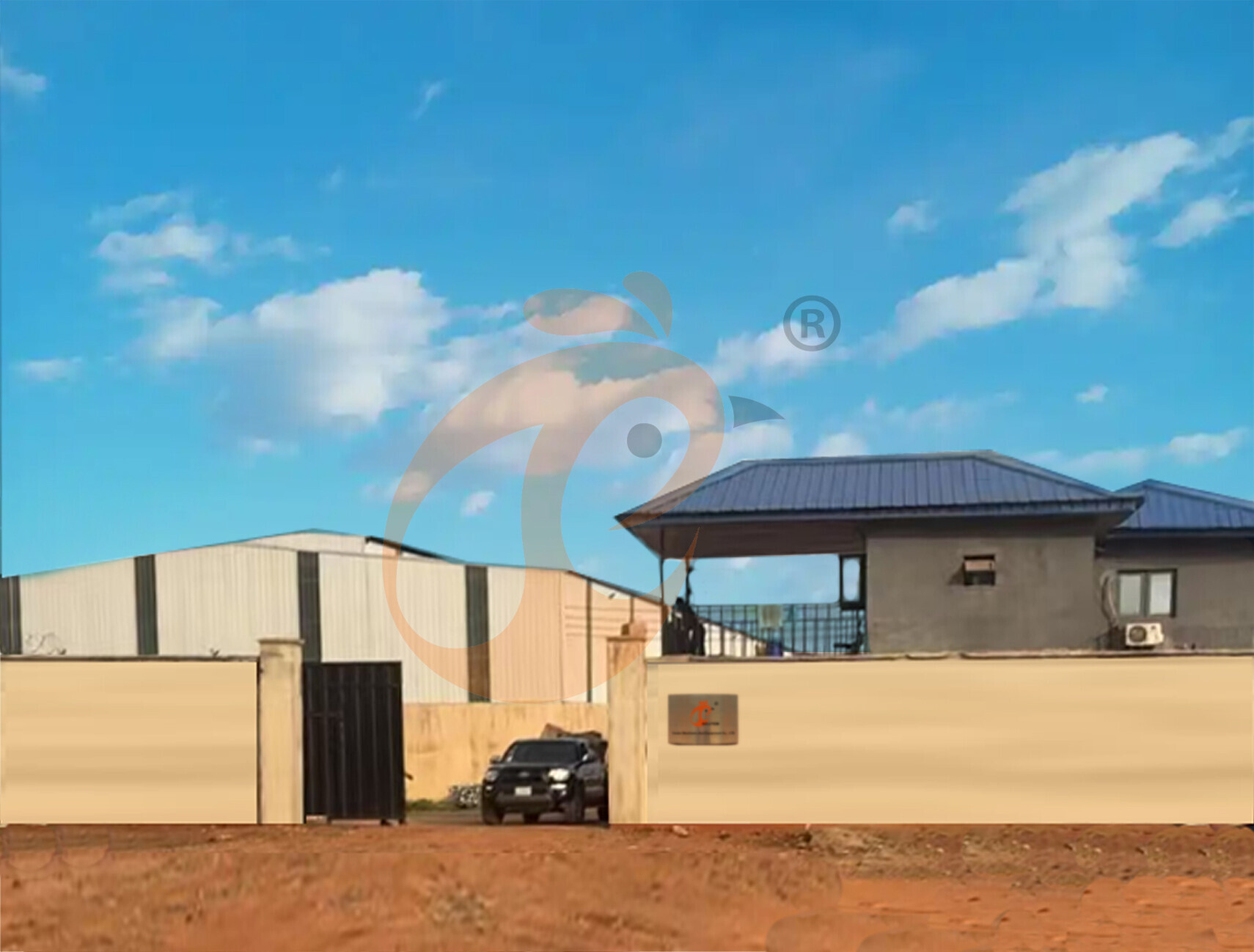
Ethiopia Branch Office And Factory Of Poultry Farm Equipment
Understanding H Type Chicken Cages
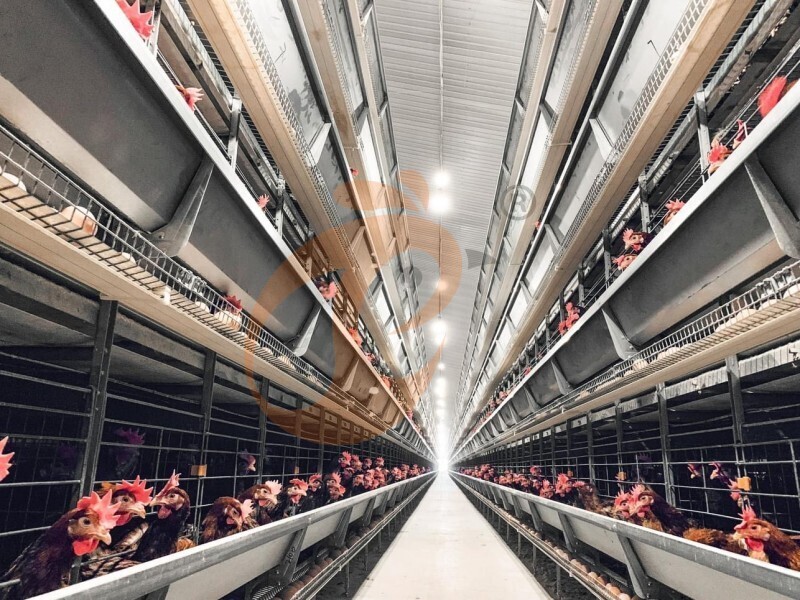
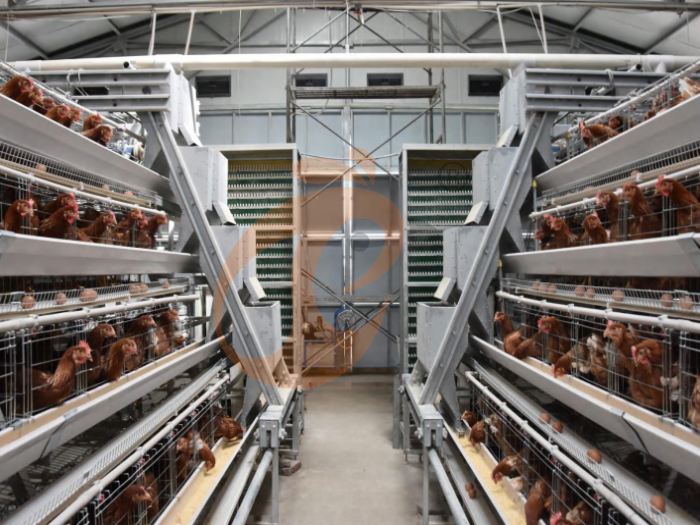
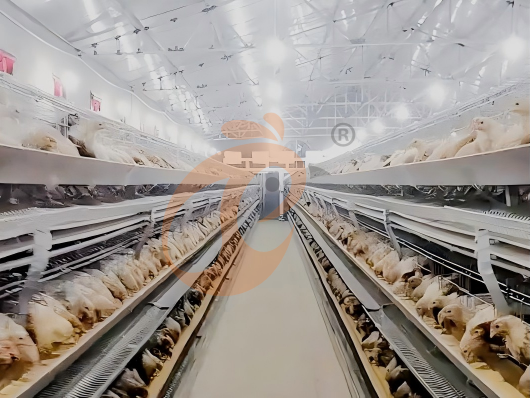
H type Chicken Cages are a modified tiered poultry housing system designed specifically for laying hens.
The ''H'' refers to the shape of the cage layout, which supports multiple horizontal and vertical tiers that allow dense bird placement while optimizing poultry house space.
Unlike conventional floor systems widely used in rural Ethiopian villages, H type chicken cage systems provide improved hygiene, easier management, and better monitoring of feed consumption and egg collection.
In Ethiopia, where disease control, labor management, and egg market consistency often challenge farmers, many poultry producers are gradually shifting toward layer chicken cage system installations to improve production stability.
Structural Configuration And Design Features
At the core, H type chicken cages are engineered for mature laying hens during the egg-production stage from 18 to 72 weeks of age.
Their design emphasizes durable steel frames, carefully angled wire mesh floors, centralized feeding corridors, and controlled manure management structures.
The layout also allows technicians to inspect birds more easily, which helps detect health problems earlier in Ethiopian farms where veterinary access may be limited.
Data is for reference only.Swipe horizontally to view full table.
These design parameters are widely used in Ethiopian poultry engineering projects when installing automatic egg collection cage system facilities.
How H Type Cages Operate In Ethiopian Conditions
Feeding And Nutrition Management
H type cage systems support centralized feeding systems that distribute balanced rations evenly across cages.
Feed waste reduction is particularly important in Ethiopia, where feed costs can represent a major portion of egg production expenses.
Balanced feeding programs also allow farmers to adjust nutrition according to egg production stages.
Data is for reference only.Swipe horizontally to view full table.
These feeding practices help Ethiopian farmers maintain stable egg production cycles throughout the year.
Egg Production And Operational Efficiency
Egg collection efficiency is one of the most noticeable advantages of H type chicken cages.
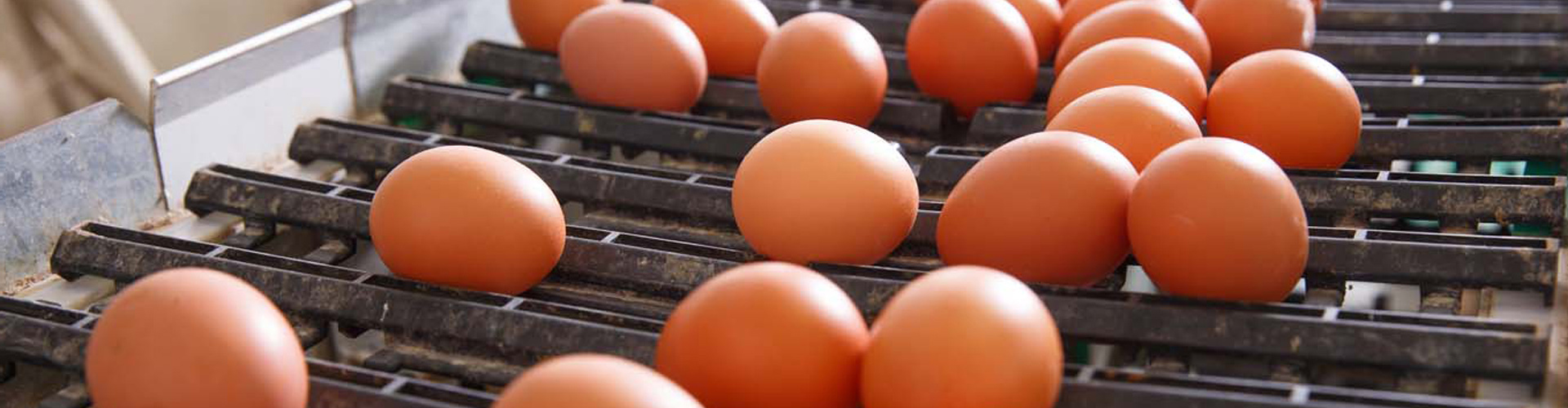
Eggs roll gently onto collection trays, reducing shell damage and contamination from manure or litter.
This method shortens labor routines while improving egg quality for urban markets.
Data is for reference only.Swipe horizontally to view full table.
These results demonstrate why many producers searching for Ethiopian poultry farming equipment solutions are adopting structured cage systems.
Hygiene And Disease Control
Disease prevention remains a critical concern for Ethiopian poultry farms.
In floor systems, birds often remain in direct contact with manure, increasing the probability of bacterial or parasitic infection.
H type chicken cages separate birds from manure collection areas, which improves sanitation and simplifies cleaning routines.
Data is for reference only.Swipe horizontally to view full table.
The separation of manure and birds significantly improves the biosecurity structure of poultry houses.
Climate Adaptation: Ethiopian Environmental Realities
Ethiopia presents diverse climatic zones ranging from cool highlands to warm semi-arid areas.
Temperature management and ventilation design play essential roles in maintaining consistent egg production in chicken cage facilities.
Ventilation openings, roof insulation, and water supply systems help maintain suitable environmental conditions for layers.
Data is for reference only.Swipe horizontally to view full table.
Proper ventilation reduces heat stress in poultry houses located in regions such as Oromia and Amhara.
Integrating Local Feed Resources
Feed cost pressure often motivates Ethiopian farmers to explore locally available ingredients.
Agricultural by-products such as teff bran, maize germ meal, and noug seed cake are frequently incorporated into layer diets.
These ingredients provide balanced protein and energy when used in carefully formulated rations.
Data is for reference only.Swipe horizontally to view full table.
Combining cage housing and local feed optimization helps stabilize farm operating costs.
Labor And Management Benefits
Labor organization becomes more efficient in poultry houses using H type chicken cages.
Routine activities such as egg collection, feeding distribution, and bird observation become structured and predictable.
Farm workers can monitor multiple cage tiers in one inspection corridor, which improves daily productivity.
Automated cage systems can reduce labor requirements by approximately 70–90 percent compared with manual H type cage management.
Data is for reference only.Swipe horizontally to view full table.
Improved labor efficiency supports larger farm capacity without increasing worker numbers significantly.
Financial Feasibility In The Ethiopian Context
The investment required for installing H type chicken cages may appear substantial for small-scale poultry farmers.
However, long-term egg production efficiency can gradually offset the initial equipment cost.
Cooperative farming models and agricultural financing programs are helping farmers install modern poultry houses.
Data is for reference only.Swipe horizontally to view full table.
European union standard reference only.
Localized Pain Points And Practical Solutions
One major challenge in Ethiopian poultry farms is the increasing cost of feed ingredients.
Integrating locally available crops and agricultural by-products helps balance feed formulation while maintaining egg production.
Another challenge involves access to financing for installing poultry housing equipment.
Cooperative purchasing models and agricultural loan programs allow small farmers to adopt cage technology gradually.
Disease outbreaks also remain a concern, which emphasizes the importance of vaccination schedules, farm sanitation, and structured housing.
Training programs delivered by agricultural colleges and extension services can help farmers develop stronger management practices.
Case Study: Central Ethiopian Poultry Cooperative
A poultry cooperative operating in central Oromia introduced H type chicken cages for approximately three thousand laying hens.
Within twelve months, the farm observed clear improvements in bird survival and egg production consistency.
Mortality decreased from nine percent to approximately three percent, and egg production increased significantly during peak laying cycles.
Feed utilization also improved as feeding systems became more structured and waste was reduced.
Labor efficiency increased as workers could manage more birds within a controlled housing environment.
Sustainability And Future Outlook
The demand for eggs continues increasing in Ethiopia due to population growth and urbanization.
Modern poultry farming systems must support food security while remaining economically sustainable for farmers.
H type chicken cages provide a scalable housing technology that can support expansion in both medium and large poultry farms.
For many Ethiopian poultry projects, the recommended farm scale usually ranges between 30000 and 100000 laying hens to achieve efficient egg supply and management capacity.
Improved farm infrastructure, training programs, and access to agricultural financing will further strengthen Ethiopia's egg production industry.
Frequently Asked Questions
Q1: What is the main purpose of Ethiopian H type chicken cages in poultry farms?
A1: H type chicken cages provide organized housing for laying hens, improving egg collection efficiency, hygiene control, and farm management.
Q2: How do H type chicken cages improve egg production in Ethiopian farms?
A2: The cage structure supports controlled feeding, reduced disease exposure, and efficient egg collection, which helps stabilize production cycles and maintain laying rates around 90–98 percent under proper management.
Q3: Are H type chicken cages suitable for small poultry farms in Ethiopia?
A3: Yes, farmers can install modular cage units gradually, allowing small farms to expand capacity while maintaining manageable investment levels.
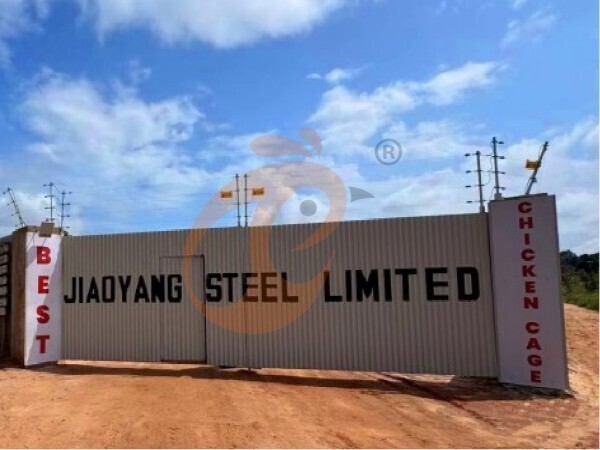
Ethiopia Best Hebei Machinery Manufacturing Plc - One Of Ethiopia Largest Chicken Cage Manufacturer
Global factory direct supply ensures Ethiopian farms receive durable poultry farm equipment at stable manufacturing prices.
Our company specializes in advanced poultry cage systems designed for efficient egg production environments.
Professional engineering teams deliver complete poultry farm equipment planning and technical installation support.
Turn-key poultry farm construction services help clients establish fully operational egg production facilities.
Reliable logistics and after-sales services ensure stable equipment performance across different poultry farming regions.
Contact Us To Received Your Customized Poultry Farm Plan
Headquarters And Branchs

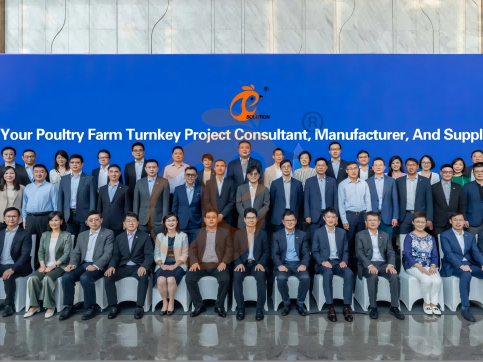
Hong Kong Headquarter Management Team
Hong Kong Headquarter Taiyu Industrial Group CO., LTD
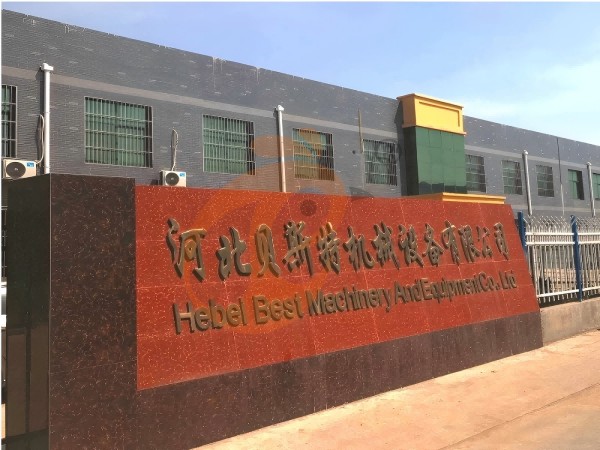
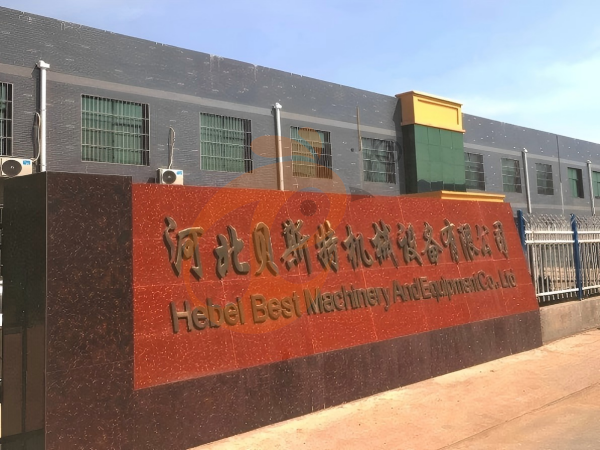
China Hebei Best Machinery And Equipment CO., LTD
Nigeria Vanke Machinery And Equipment CO., LTD
Tanzania Best Machinery And Equipment CO., LTD
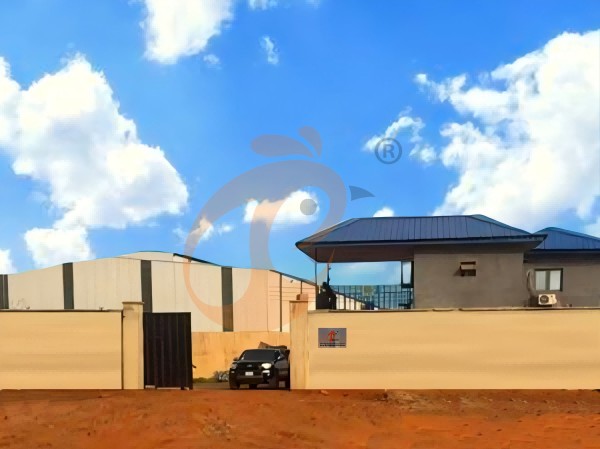
Ethiopia Best Hebei Machinery Manufacturing PLC

Reception /24 WhatsApp NO. : +8618830120193
- chicken cage
- poultry farm
- poultry cage
- poultry farm
- poultry farm equipment
- poultry farm construction
- chicken cage manufacturer
- poultry farmer
- poultry house
- poultry coop
- chicken cage system
- poultry farming system
- poultry housing equipment
- poultry cage system
- layer chicken cage
- poultry farming equipment
- durable poultry farm equipment
- Ethiopia
- Nigeria
Message
Products recommended
 HK Headquarter Offers EU-standard Poultry Farm Solutions, Manufacture Poultry Farm Equipment1. Continuous communication with the EU and the US
2. China, Nigeria, Ethiopia, Tanzania branch companies and factories
3. The products’ quality is customized for local poultry farms
4. Poultry cage and poultry farm equipment stock for sale
5. 24 online reception Whatsapp NO. : +8618830120193,contact us to get full informationRead More China Branch Offer Poultry Farm Business Plan, Manufacture Poultry Farm Equipment1. Address: Flat/RM 2416, 24/F, Runxing Building, Youyi Nan Street, Shijiazhuang City, Hebei Province, China
2. Poultry cage and poultry farm equipment factory and stock for sale
3. Customized for local poultry farms
4. Quality and design are based on Euro
5. 24 online reception Whatsapp NO. : +8618830120193Read More Nigeria Branch Offer Poultry Farm Business Plan, Manufacture Poultry Farm Equipment1. Address: After Sinoma Office, 200 Meters Near Danco Filling Station, Lagos/Ibadan Expressway, Lagos State, Nigeria
2. Poultry cage and poultry farm equipment factory and stock for sale
3. Customized for Nigerian poultry farms
4. Quality and design are based on Euro
5. 24 online reception Whatsapp NO. : +8618830120193Read More Ethiopia Branch Offer Poultry Farm Business Plan, Manufacture Poultry Farm Equipment1. Address: Gelan Gura, Akaki-kaliti Sub City, Addis Ababa, Ethiopia
2. Poultry cage and poultry farm equipment stock for sale
3. Customized for Ethiopian poultry farms
4. Quality and design are based on Euro
5. 24 online reception Whatsapp NO. : +8618830120193, contact us to get price listRead More Tanzania Branch Offer Poultry Farm Business Plan, Manufacture Poultry Farm Equipment1. Address: No.8, Sova Road, Msufini, Mlandizi, Kibaha, Pwani, Tanzania
2. Poultry cage and poultry farm equipment factory and stock for sale
3. Customized for Tanzanian poultry farms
4. Quality and design are based on Euro
5. 24 online reception Whatsapp NO. : +8618830120193Read More Fully Automatic H Type Layer Chicken Cage1. 30,000-100,000+ layers/house chooses it, Poultry farmers can achieve an egg production rate of 96-98%
2. A significant improvement over the 85-90% typically seen in manual systems
3. A typical poultry farm can expect a 30-40% reduction in labor costs due to the automation
4. Each feeding line efficiently supplies feed to around 100,000 hens per 30 mins
5. Reception /WhatsApp NO. : +8618830120193Read More Fully Automatic A Type Layer Chicken Cage1. 10,000-50,000 layers/house chooses it
2. Cleaner egg collection reduces breakage by 0.5%
3. Improved hygiene helps reduce mortality rate to <3%
4. 1–2 technicians can handle 15,000–30,000 birds
5. Reception /WhatsApp NO. : +8618830120193Read More Semi Automatic H Type Layer Chicken Cage1. 1,00-20,000 layers/house chooses it
2. Nipple drinkers flow 30–60 ML / min
3. Hot-dip galvanized (typical coating ≥ 275 g/m²)
4. Reduce ammonia by ~ 35–40%
5. Reception /WhatsApp NO. : +8618830120193Read More Semi Automatic A Type Layer Chicken Cage1. 1,00-20,000 layers/house chooses it, no rust for 10 years, no deformation for 15 years
2. Chickens live comfortably, you can raise them with peace of mind
3. Save water, save money—efficiency you can measure
4. Improve environment quality, and increase egg production rate
5. Reception /WhatsApp NO. : +8618830120193Read More
By clicking 'Allow All', you agree to the storage of cookies on your device to enhance site navigation, analyze site usage and assist with our marketing efforts.