


Blog
Understanding Ethiopian poultry cage price per bird helps investors estimate realistic poultry farm startup budgets.
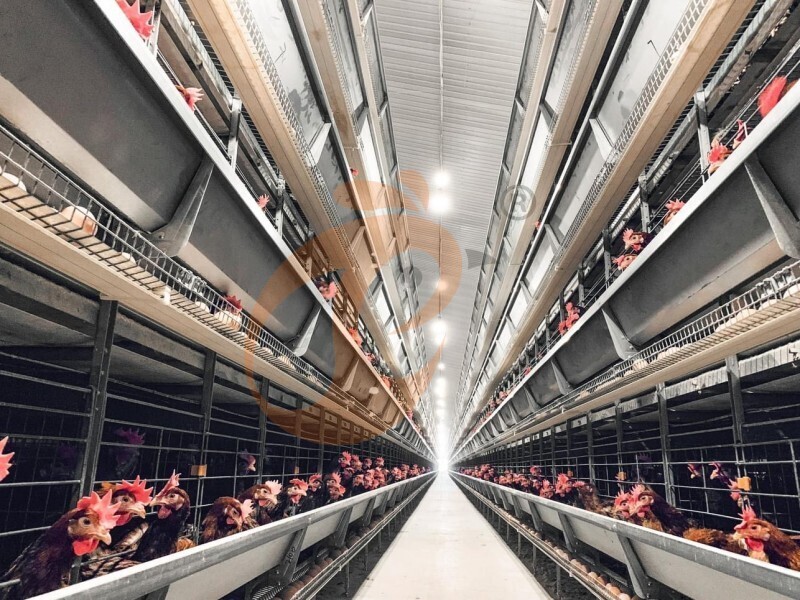
Poultry farming in Ethiopia is shifting from traditional floor systems to modern chicken cage housing structures.
Urban markets require stable egg supply, which increases demand for efficient poultry housing solutions.
Import logistics and equipment durability significantly influence long-term investment outcomes.
Farmers benefit from analyzing feed efficiency, infrastructure cost, and egg quality economics.
Get professional poultry farm construction guidance, equipment selection solutions, and the latest price lists, whatsApp to +8618830120193, click to learn more:

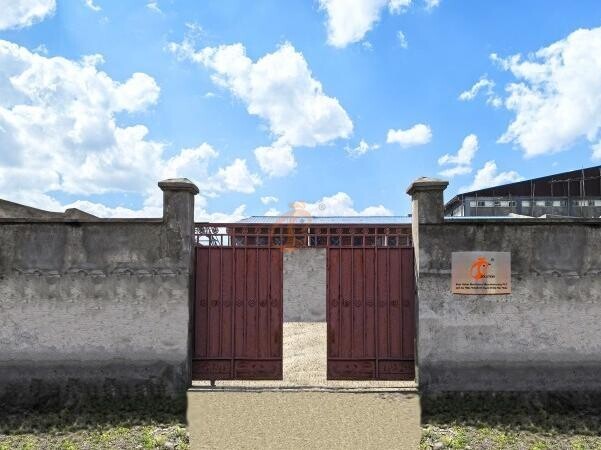
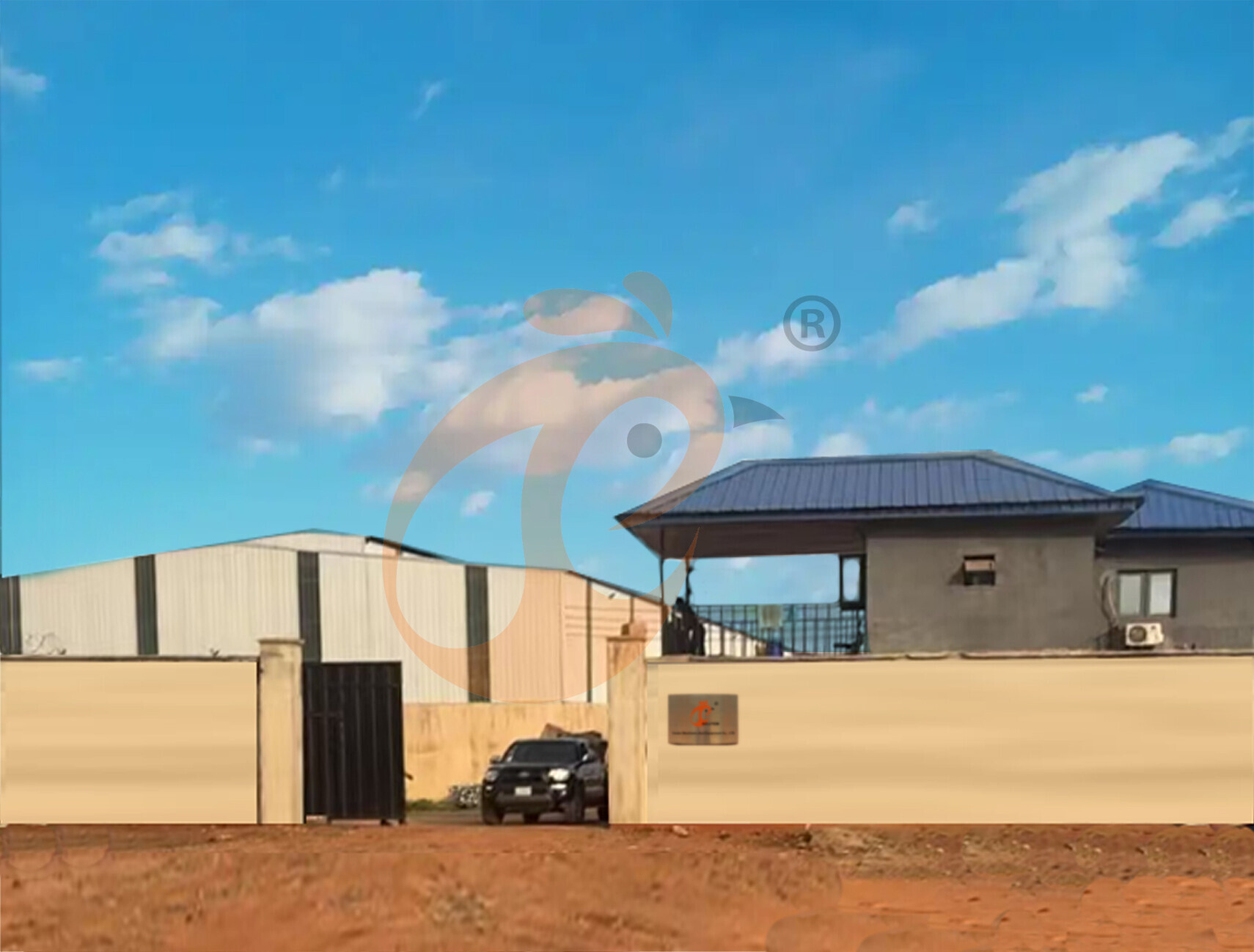
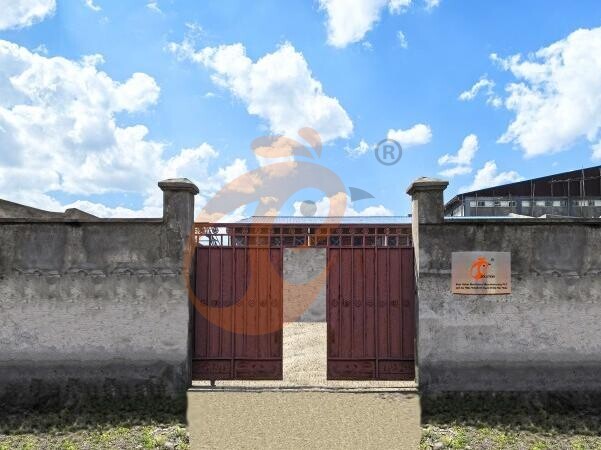
Ethiopia Branch Office And Factory Of Poultry Farm Equipment
Technical Foundations: Defining The Asset Quality
The price of a poultry cage in Ethiopia is closely related to its engineering design and material durability.
In Ethiopian highland regions, humidity changes significantly during the Kiremt rainy season.
A cage system with insufficient corrosion protection may deteriorate earlier than expected.
Professional chicken cage systems are usually manufactured from Q235 steel.
The zinc coating thickness of hot-dip galvanization directly influences durability and long-term investment value.
Data is for reference only.Swipe horizontally to view full table.
Cold-galvanized cages may cost about 300 Ethiopian Birr per bird, while hot-dip galvanized cages may cost around 550 Ethiopian Birr per bird.
European union standard reference only.
However, the latter option usually provides a significantly longer operational lifespan.
Calculation One: Landed Cost And Logistics
When evaluating poultry cage cost Ethiopia, investors must consider import logistics from Djibouti to inland poultry farms.
The factory price is only one component of the total landed investment.
Transport, port handling, inland freight, and clearing processes also contribute to the final cost.
Data is for reference only.Swipe horizontally to view full table.
European union standard reference only.
This calculation shows that logistics can increase total project cost considerably.
Farmers located in northern or western Ethiopia may experience additional inland transport costs.
Feed Conversion Efficiency: The Cost Of Waste
Feed usually represents about 70 percent of poultry production expenses in Ethiopia.
Improving feed efficiency significantly affects overall profitability.
Modern chicken cage systems are designed to reduce feed spillage through trough structure optimization.
Data is for reference only.Swipe horizontally to view full table.
European union standard reference only.
Lower feed waste results in improved economic efficiency for poultry farms.
Land Utilization And Infrastructure Savings
Land availability is an important factor for poultry farm development near Addis Ababa and other growing urban markets.
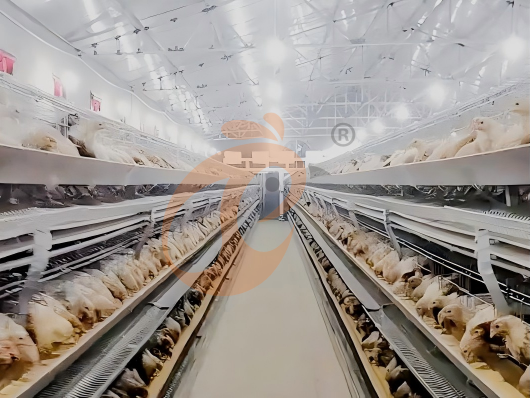
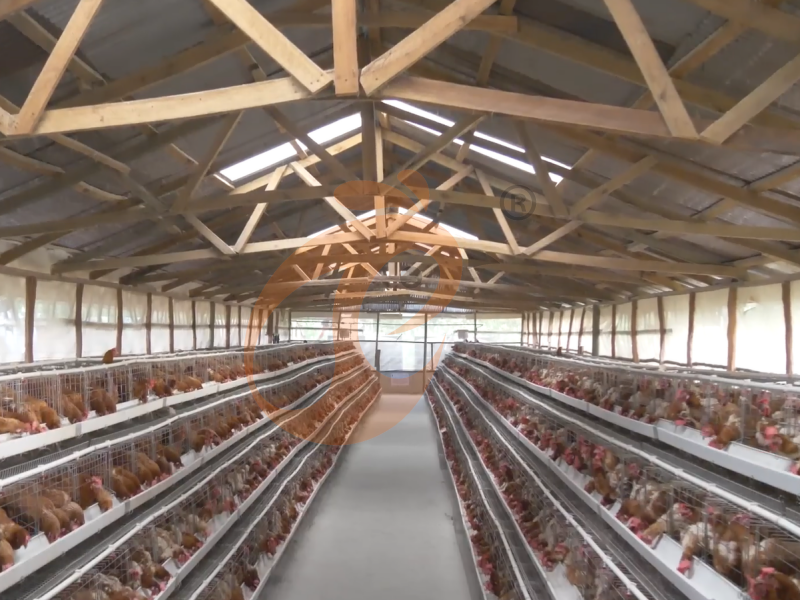
Chicken cage systems allow vertical housing of birds, which significantly increases stocking density compared with deep litter systems.
Data is for reference only.Swipe horizontally to view full table.
European union standard reference only.
The reduction in construction area leads to substantial capital savings during project development.
Egg Hygiene Quality And Revenue
Egg cleanliness and shell quality strongly influence market pricing in Ethiopian urban food supply chains.
Hotels and retail markets require consistent egg quality standards.
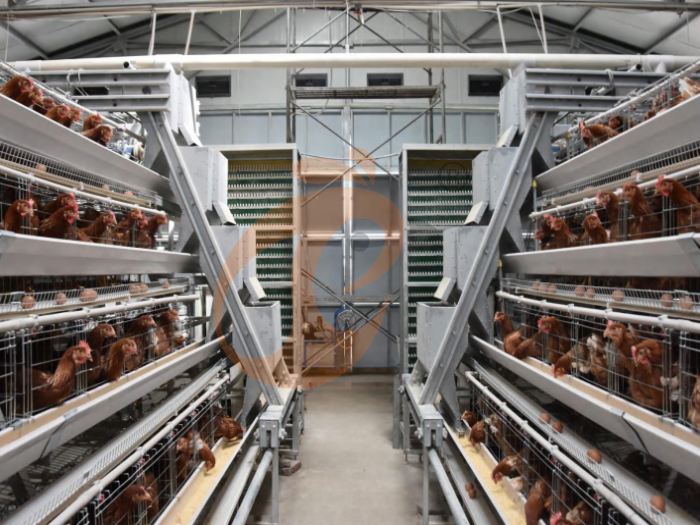
Chicken cage systems allow eggs to roll forward after laying due to a controlled floor slope design.
Data is for reference only.Swipe horizontally to view full table.
European union standard reference only.
Higher egg quality increases the revenue potential of commercial poultry farms.
Return On Investment And Payback Period
The typical laying cycle of a layer hen begins at approximately 18–20 weeks of age.
The productive laying period usually lasts about 72–80 weeks.
Data is for reference only.Swipe horizontally to view full table.
European union standard reference only.
Average net profit per egg may range between 4 and 6 Ethiopian Birr depending on feed cost and market demand.
Biosecurity And Disease Control
Disease outbreaks are a major challenge in poultry production environments.
Chicken cage systems separate birds from manure accumulation areas.
This reduces pathogen exposure and helps maintain improved flock health conditions.
Data is for reference only.Swipe horizontally to view full table.
European union standard reference only.
Lower mortality helps maintain consistent egg production levels.
Climate Adaptation And Ventilation Performance
Certain Ethiopian regions experience higher seasonal temperatures.
Heat stress may influence laying performance if housing conditions are not optimized.
Tunnel ventilation systems can be integrated into chicken cage poultry houses.
Data is for reference only.Swipe horizontally to view full table.
European union standard reference only.
Proper ventilation helps maintain stable production performance.
Frequently Asked Questions
Q1: What is the average poultry cage price per bird in Ethiopia?
A1: The average cost of a chicken cage in Ethiopia generally ranges between 480 and 650 Ethiopian Birr per bird depending on cage material, galvanization quality, and automation level.
Q2: Why do poultry farms prefer chicken cage systems instead of floor systems?
A2: Chicken cage systems improve land utilization, reduce feed waste, and produce cleaner eggs with more stable production results.
Q3: How long can a galvanized poultry cage system normally last?
A3: Hot-dip galvanized cages commonly operate for more than 25 years depending on environmental conditions and maintenance practices.
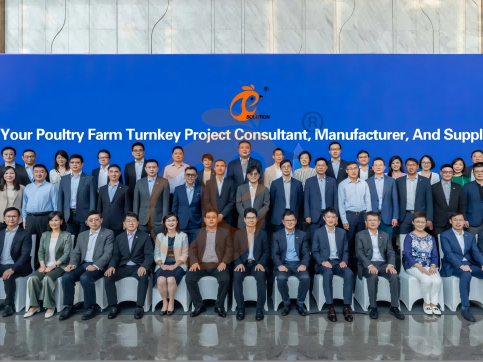
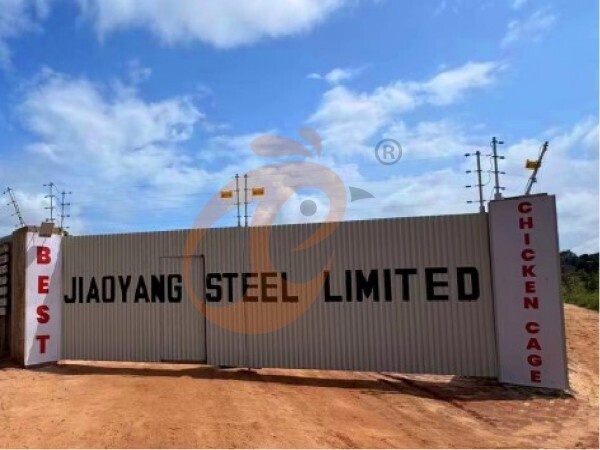
Ethiopia Best Hebei Machinery Manufacturing Plc - One Of Ethiopia Largest Poultry Cage Manufacturer
Global factory direct supply of poultry farm equipment with stable production capacity.
Professional manufacturing of chicken cage systems and poultry cage structures for large farms.
Turn-key poultry farm engineering solutions including housing layout and equipment installation.
Production equipment designed with Q235 steel frame and hot-dip galvanization with 275 g/m² coating thickness.
Complete poultry farm equipment line including feeding systems, drinking systems, manure removal systems, and ventilation equipment.
Contact Us To Received Your Customized Poultry Farm Plan
Headquarters And Branchs

Hong Kong Headquarter Management Team
Hong Kong Headquarter Taiyu Industrial Group CO., LTD
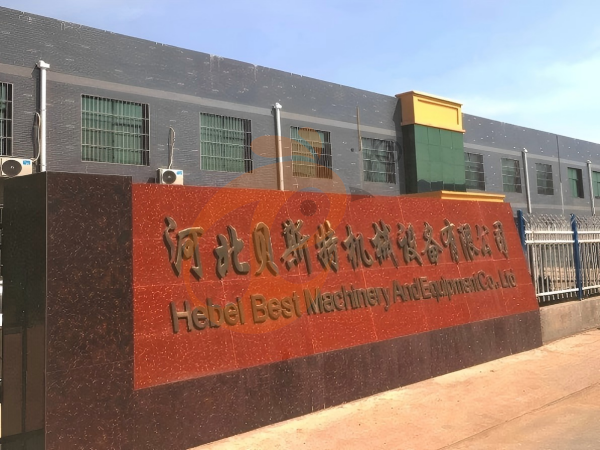
China Hebei Best Machinery And Equipment CO., LTD
Nigeria Vanke Machinery And Equipment CO., LTD
Tanzania Best Machinery And Equipment CO., LTD
Ethiopia Best Hebei Machinery Manufacturing PLC
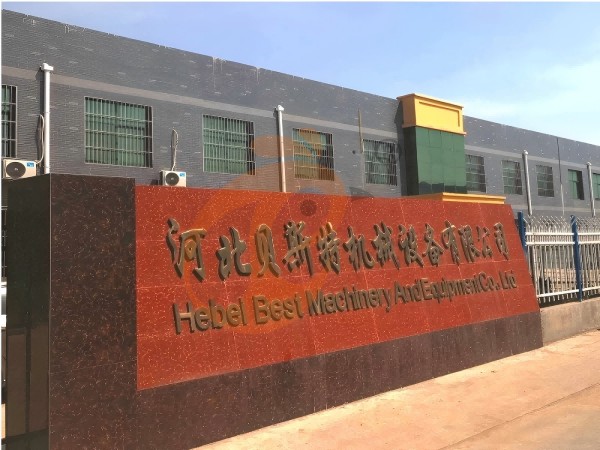
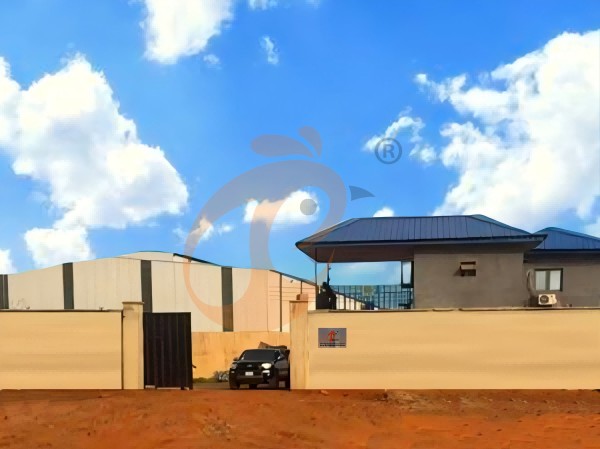
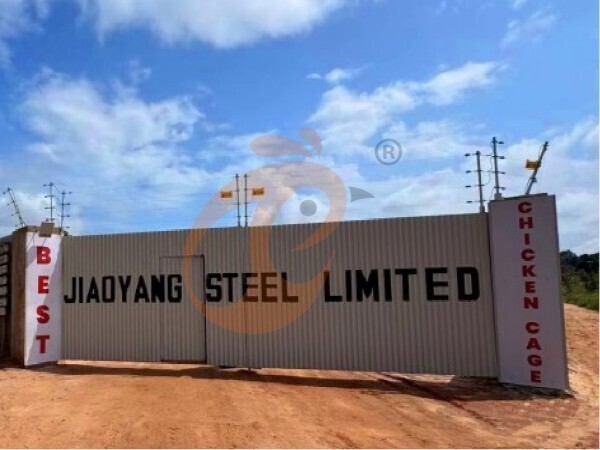
Reception /24 WhatsApp NO. : +8618830120193
- chicken cage
- poultry farm
- poultry cage
- poultry farm
- poultry farm equipment
- poultry farm construction
- poultry cage manufacturer
- galvanized poultry cage
- poultry cage price
- poultry cage cost
- deep litter system
- poultry house
- chicken cage system
- chicken cage in Ethiopia
- poultry cage system
- Ethiopia
- Nigeria
Message
Products recommended
 HK Headquarter Offers EU-standard Poultry Farm Solutions, Manufacture Poultry Farm Equipment1. Continuous communication with the EU and the US
2. China, Nigeria, Ethiopia, Tanzania branch companies and factories
3. The products’ quality is customized for local poultry farms
4. Poultry cage and poultry farm equipment stock for sale
5. 24 online reception Whatsapp NO. : +8618830120193,contact us to get full informationRead More China Branch Offer Poultry Farm Business Plan, Manufacture Poultry Farm Equipment1. Address: Flat/RM 2416, 24/F, Runxing Building, Youyi Nan Street, Shijiazhuang City, Hebei Province, China
2. Poultry cage and poultry farm equipment factory and stock for sale
3. Customized for local poultry farms
4. Quality and design are based on Euro
5. 24 online reception Whatsapp NO. : +8618830120193Read More Nigeria Branch Offer Poultry Farm Business Plan, Manufacture Poultry Farm Equipment1. Address: After Sinoma Office, 200 Meters Near Danco Filling Station, Lagos/Ibadan Expressway, Lagos State, Nigeria
2. Poultry cage and poultry farm equipment factory and stock for sale
3. Customized for Nigerian poultry farms
4. Quality and design are based on Euro
5. 24 online reception Whatsapp NO. : +8618830120193Read More Ethiopia Branch Offer Poultry Farm Business Plan, Manufacture Poultry Farm Equipment1. Address: Gelan Gura, Akaki-kaliti Sub City, Addis Ababa, Ethiopia
2. Poultry cage and poultry farm equipment stock for sale
3. Customized for Ethiopian poultry farms
4. Quality and design are based on Euro
5. 24 online reception Whatsapp NO. : +8618830120193, contact us to get price listRead More Tanzania Branch Offer Poultry Farm Business Plan, Manufacture Poultry Farm Equipment1. Address: No.8, Sova Road, Msufini, Mlandizi, Kibaha, Pwani, Tanzania
2. Poultry cage and poultry farm equipment factory and stock for sale
3. Customized for Tanzanian poultry farms
4. Quality and design are based on Euro
5. 24 online reception Whatsapp NO. : +8618830120193Read More Fully Automatic H Type Layer Chicken Cage1. 30,000-100,000+ layers/house chooses it, Poultry farmers can achieve an egg production rate of 96-98%
2. A significant improvement over the 85-90% typically seen in manual systems
3. A typical poultry farm can expect a 30-40% reduction in labor costs due to the automation
4. Each feeding line efficiently supplies feed to around 100,000 hens per 30 mins
5. Reception /WhatsApp NO. : +8618830120193Read More Fully Automatic A Type Layer Chicken Cage1. 10,000-50,000 layers/house chooses it
2. Cleaner egg collection reduces breakage by 0.5%
3. Improved hygiene helps reduce mortality rate to <3%
4. 1–2 technicians can handle 15,000–30,000 birds
5. Reception /WhatsApp NO. : +8618830120193Read More Semi Automatic H Type Layer Chicken Cage1. 1,00-20,000 layers/house chooses it
2. Nipple drinkers flow 30–60 ML / min
3. Hot-dip galvanized (typical coating ≥ 275 g/m²)
4. Reduce ammonia by ~ 35–40%
5. Reception /WhatsApp NO. : +8618830120193Read More Semi Automatic A Type Layer Chicken Cage1. 1,00-20,000 layers/house chooses it, no rust for 10 years, no deformation for 15 years
2. Chickens live comfortably, you can raise them with peace of mind
3. Save water, save money—efficiency you can measure
4. Improve environment quality, and increase egg production rate
5. Reception /WhatsApp NO. : +8618830120193Read More
By clicking 'Allow All', you agree to the storage of cookies on your device to enhance site navigation, analyze site usage and assist with our marketing efforts.