


Blog
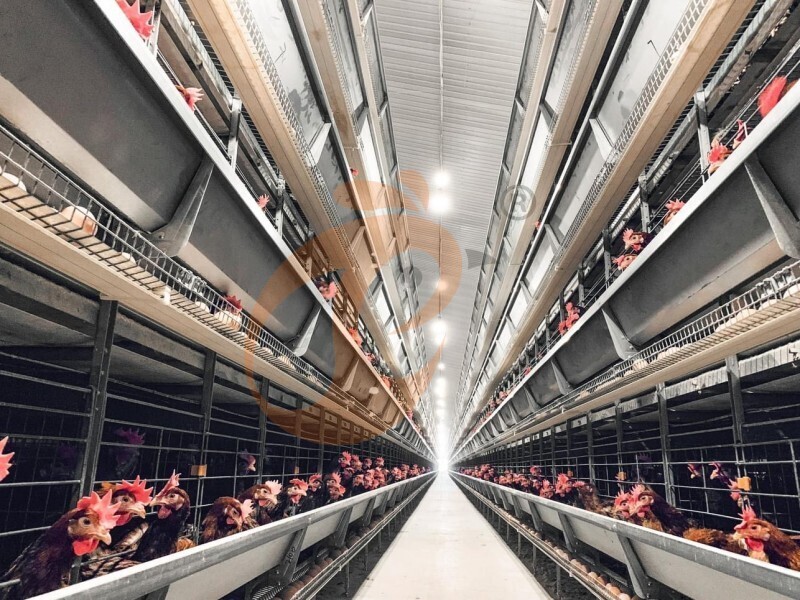
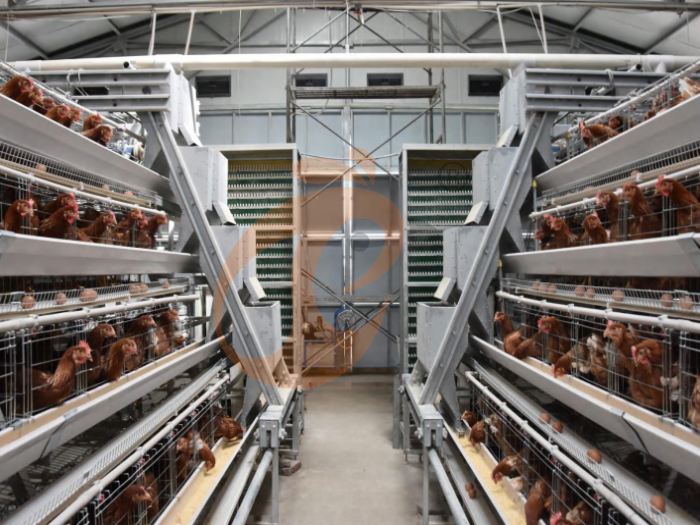
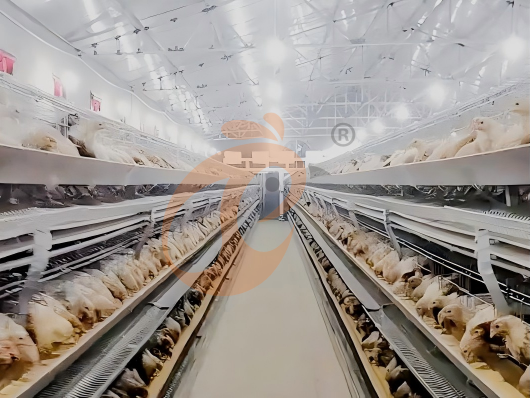
- H type chicken cages support vertical layer production through multi-tier structures, while a 2.8 m service height and 0.75 m inspection passage create a practical commercial housing arrangement.
Layer cage system planning combines cage geometry, airflow organization, feeding routes, and manure management, with projects commonly using 20–24 hour daily equipment operating cycles.
Automatic poultry farming equipment coordinates repetitive operations through centralized systems, while a 380 v three-phase electrical supply supports many commercial equipment configurations.
Building design becomes more productive when vertical volume, worker access, ventilation routes, and equipment positioning are engineered together, with 8–12 mm anchor bolts commonly used for equipment fixing.
- H type chicken cages provide a scalable commercial approach where land efficiency, operational consistency, automation integration, and long-term production planning remain important investment considerations.
Get professional poultry farm construction guidance, equipment selection solutions, and the latest price lists, whatsApp to +8618830120193, +2348111199996, or click to learn more.
The Space Question Every Poultry Farmer Should Ask
When planning a modern poultry farm, land and building space directly affect investment returns, while H type chicken cages can accommodate commercial layer production within buildings using approximately 2.5–3.5 m internal equipment clearance.
The key question is not simply how many chickens can fit inside a poultry house, but how efficiently available cubic space becomes productive capacity, with ventilation systems commonly designed around 6–12 air changes per hour.
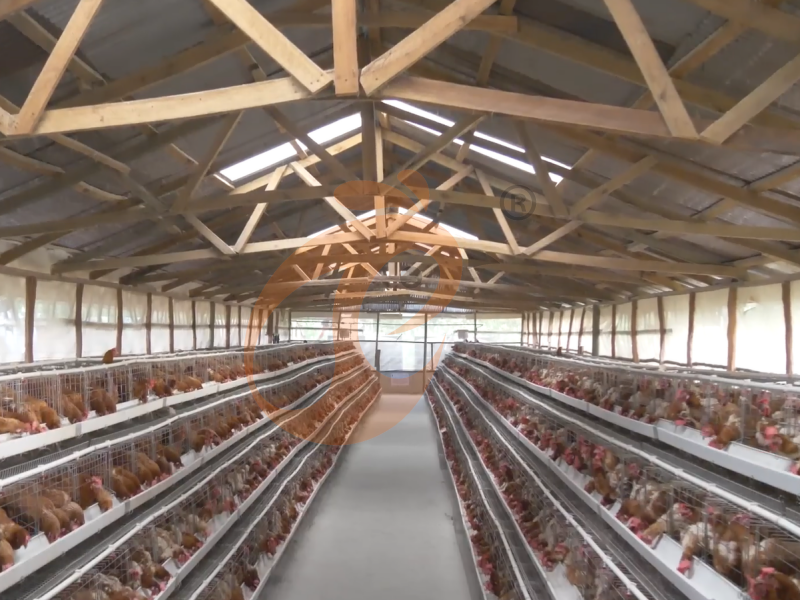
H type chicken cages and flat house poultry systems represent two different approaches, while a layer cage system uses multiple vertical tiers and floor housing mainly distributes birds across the usable floor surface.
For farms facing limited land, rising construction costs, or ambitious production targets, automatic poultry farming equipment provides an integrated production route, with equipment service temperatures commonly maintained between 5°c and 40°c.
Space Efficiency At A Glance
Data is for reference only.Swipe horizontally to view full table.
Think In Cubic Meters, Not Just Square Meters
Imagine two farms with the same poultry house footprint, where H type chicken cages can use an effective building height of approximately 3.0–4.0 m for cage installation.
The flat-house farmer distributes birds across the floor, while a layer cage system converts additional vertical levels into usable production volume without proportionally increasing foundation dimensions.
An H type chicken cages system takes a different route, using approximately 3–6 structural tiers to transform unused vertical volume into additional housing capacity.
This changes the investment equation, with automatic poultry farming equipment allowing standardized equipment positioning and electrical cable routes commonly maintained 150–300 mm above service areas.
Same footprint → more usable housing levels → higher capacity → potentially lower space consumption per bird.
Capacity Comparison
Data is for reference only.Swipe horizontally to view full table.
Actual capacity depends on cage dimensions, tier configuration, bird breed, local regulations, ventilation design, and management requirements, with H type Chicken Cages commonly manufactured using galvanized steel components with zinc coating around 275 g/m².
Nevertheless, the multi-level architecture of a layer cage system provides a practical method for increasing usable production volume, while structural corrosion protection can support a design service life exceeding 15 years under suitable conditions.
Where The H Type Design Creates More Than Extra Tiers
Space saving is not achieved merely by stacking cages, because H type chicken cages must coordinate structural loading, service access, and equipment positioning, with welded connection tolerances commonly controlled within ±2 mm.
A well-designed layer cage system integrates feeding, drinking, manure removal, egg collection, and environmental management into the overall equipment layout, while nipple drinker pressure is commonly maintained around 15–25 kpa.
Instead of adding floor area for every increase in flock size, the farm can optimize existing building volume, with automatic poultry farming equipment supporting programmable operating sequences of approximately 5–30 minutes.
That is where equipment engineering becomes a business advantage, particularly when H type chicken cages structures are designed around standardized modules, with installation adjustment ranges commonly kept within ±30 mm.
A properly configured H type chicken cages system can help farmers obtain more production capacity from investment in land, roofing, walls, lighting, ventilation, and other infrastructure, with galvanized component thicknesses commonly ranging from 1.5–3.0 mm.
Land And Construction Impact
Data is for reference only.Swipe horizontally to view full table.
For farms purchasing or developing land specifically for poultry production, H type chicken cages make vertical planning especially important, with roof-to-equipment clearance commonly maintained at approximately 0.8–1.2 m.
Land is a fixed resource, while production demand can continue growing, so a layer cage system can help convert limited sites into higher-capacity production facilities, with concrete foundation thickness commonly specified around 120–200 mm.
Using vertical cage equipment can therefore help turn a limited site into a higher-capacity production facility, while automatic poultry farming equipment can be arranged according to standardized electrical distribution distances of approximately 20–50 m.
The Farmer's Daily Routine: A Different Workflow
Picture the daily routine, where H type chicken cages organize flock management around defined equipment lanes and reduce unnecessary worker travel, with routine visual inspection intervals commonly scheduled every 2–4 hours.
With a flat house, workers and birds share the same floor environment, while a layer cage system separates production zones and provides more predictable equipment access, with inspection lighting commonly maintained around 10–20 lux.
With an automated H type chicken cages system, feeding, drinking, egg collection, and manure handling can be organized around dedicated equipment lines, with conveyor drive motors commonly specified between 0.37–1.5 kw.
Feed moves through the feeding system, drinking water is supplied through nipple drinkers, and automatic egg collection transfers eggs through dedicated conveyors, while conveyor belt thickness commonly ranges from 1.0–2.0 mm.
The result is not simply a cage it is a production workflow engineered around labor efficiency, with automatic poultry farming equipment supporting centralized operation across multiple production rows and control cabinets commonly rated Ip55.
Automation Makes Space Savings More Valuable
Data is for reference only.Swipe horizontally to view full table.
A compact building becomes significantly more valuable when H type chicken cages connect internal processes through automated equipment, with control panel operating voltage commonly specified at 24 v dc.
For this reason, selecting poultry equipment should not be separated from building design, because a layer cage system, feeding system, manure system, ventilation system, and control system should be planned as one production solution.
The cage, feeding system, manure system, ventilation system, and control system should be planned as one production solution, with automatic poultry farming equipment commonly using 4–20 ma sensor signal transmission for environmental monitoring.
A Simple Return On Investment Thought Experiment
Data is for reference only.Swipe horizontally to view full table.
Suppose a farm has a fixed land area and wants to increase its laying-hen population, while H type chicken cages can add production levels without proportionally increasing foundation area, with project design calculations commonly completed at a 1:100 layout scale.
Option A: continue using a flat-house system and construct additional floor area, potentially requiring another building zone with separate utility connections, with cable tray capacity commonly specified at 30–60 kg/m.
Option B: introduce a multi-tier H type chicken cages system and increase bird capacity within an existing or similarly sized building, while a layer cage system can maintain dedicated maintenance routes.
Which System Wins On Space?
Data is for reference only.Swipe horizontally to view full table.
If space saving is the primary objective, H type chicken cages have a clear structural advantage because multi-tier architecture uses the vertical dimension of the house, with typical building utilization planning based on a 5.5–9.0 m total internal height.
For commercial farms, a layer cage system can also improve equipment organization while maintaining practical maintenance access, with maintenance platforms commonly designed for a distributed load of approximately 200–300 kg/m².
A modern farm should evaluate automatic poultry farming equipment together with building height, airflow distribution, labor routes, and future capacity requirements, rather than treating cage selection as an isolated purchase.
But Space Is Only One Part Of The Decision
Data is for reference only.Swipe horizontally to view full table.
The right system depends on the farm's objectives, while H type chicken cages are particularly suited to projects where capacity and land utilization receive high engineering priority, with project commissioning commonly requiring 7–14 days.
If the priority is low-density housing, flexible bird movement, or a particular management philosophy, a flat system may remain appropriate, with floor-management work areas commonly allocated at 0.8–1.5 m² per operating station.
If the priority is maximum capacity, efficient space utilization, automation, and systematic commercial production, automatic poultry farming equipment deserves serious consideration, particularly where daily equipment monitoring can be centralized within 15–30 m of the main control room.
Build Upward. Produce Smarter.
Data is for reference only.Swipe horizontally to view full table.
Choosing poultry equipment is ultimately a decision about how efficiently every square meter of investment works, while H type chicken cages can transform building height into productive capacity, with galvanized structural tubes commonly specified at 40 × 40 × 2.0 mm.
H type chicken cages provide a vertical housing solution designed to maximize building utilization while supporting automated feeding, drinking, egg collection, manure removal, and environmental control, with drive-unit protection commonly rated Ip65.
Frequently Asked Questions
Q1: How much space can H type chicken cages save compared with flat systems?
A1: H type chicken cages use 3–6 vertical tiers, allowing equivalent flock capacity to occupy a smaller foundation area, while actual savings depend on cage dimensions, bird density, and house layout.
Q2: Why combine H type chicken cages with automatic poultry farming equipment?
A2: Integrated automation coordinates feeding, drinking, egg collection, manure removal, and environmental control, while 24 v dc control circuits support standardized industrial automation architecture.
Q3: Is a layer cage system suitable for large commercial farms?
A3: A layer cage system is suitable for intensive commercial projects requiring standardized production management, with multi-row installations commonly using 4–12 equipment rows according to building dimensions.
Taiyu (HK) Group - One Of China Toppest H Type Chicken Cages Manufacturer
H type chicken cages use configurable 3–6 tier structures, galvanized steel components, integrated service passages, and modular equipment interfaces for commercial layer-house engineering.
Global factory direct supply covers complete poultry equipment packages, with factory production supporting cage systems, feeding equipment, drinking systems, egg collection, manure removal, and environmental-control equipment.
Poultry equipment engineering covers layout development, equipment matching, electrical coordination, ventilation integration, installation documentation, and production-line interface requirements for international projects.
Turn-key engineering connects poultry-house planning, equipment manufacturing, overseas installation, commissioning, operator guidance, and technical documentation into one coordinated project delivery process.
Global project execution supports commercial farms through factory-direct manufacturing, engineering coordination, equipment integration, spare-parts planning, and technical support for different production capacities.
Contact Us To Received Your Customized Poultry Farm Plan
Headquarters And Branchs

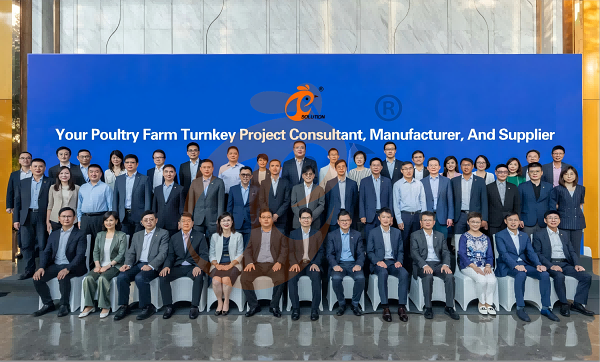
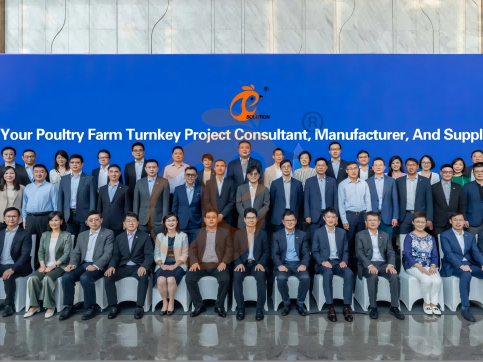
Hong Kong Headquarter Management Team
Hong Kong Headquarter Taiyu Industrial Group CO., LTD
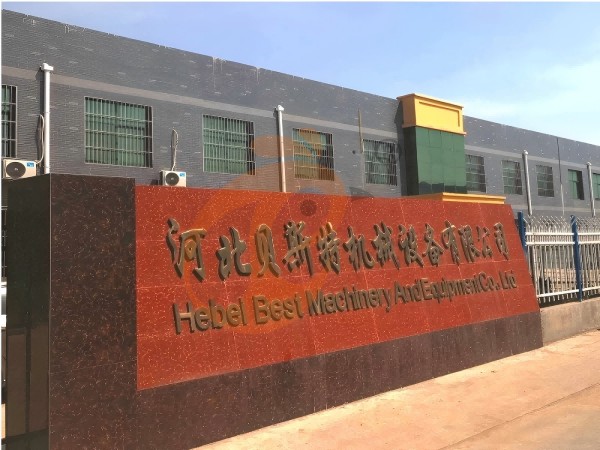
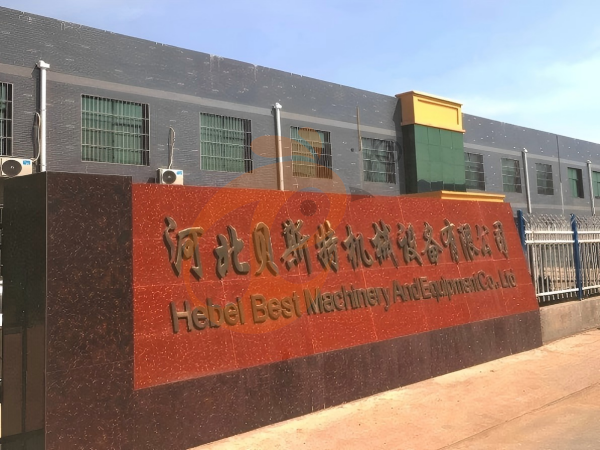
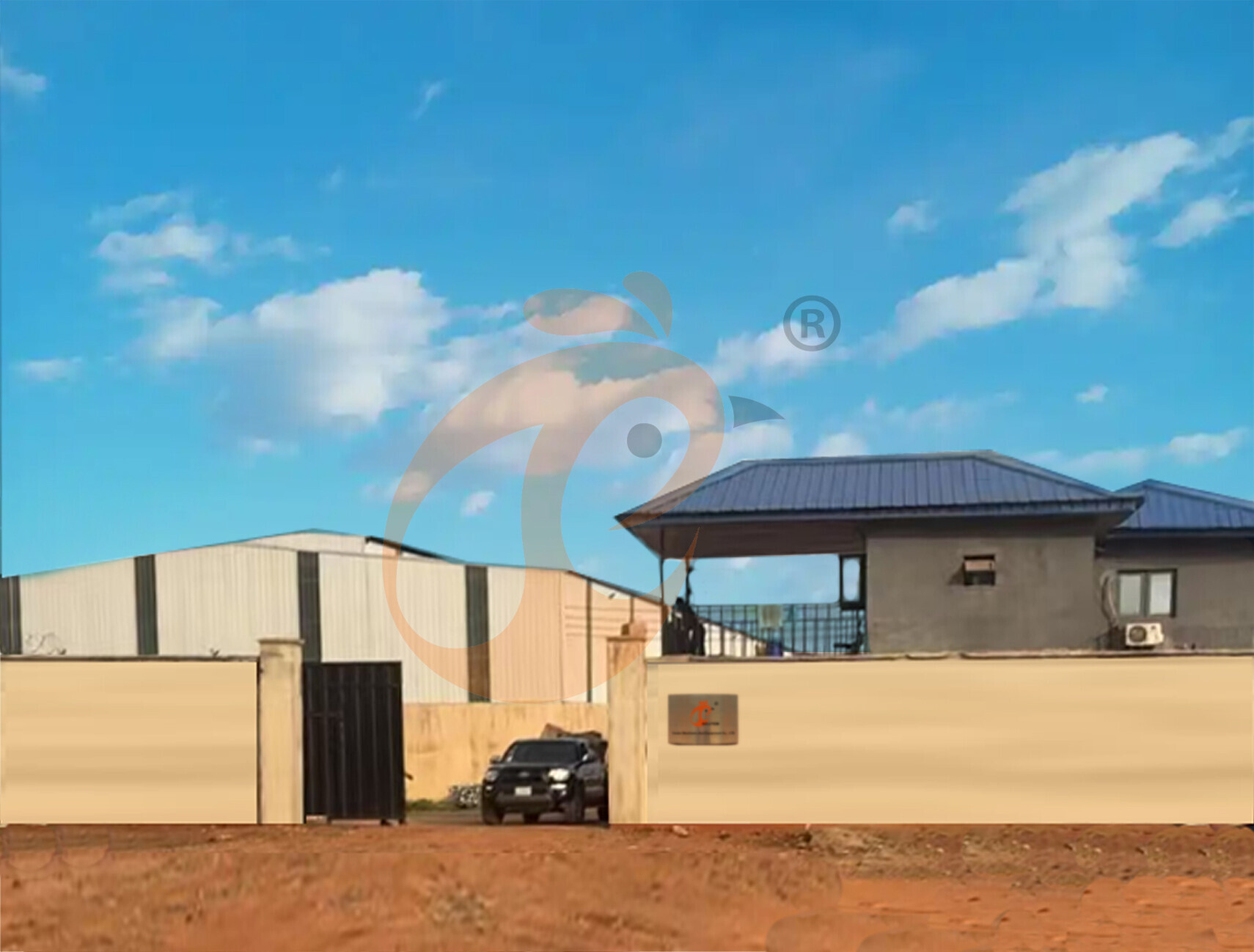
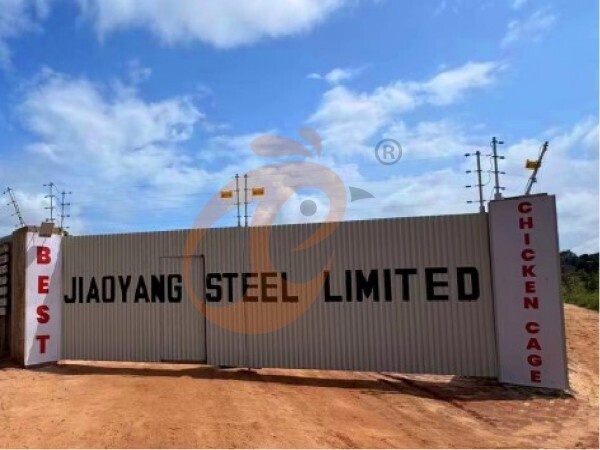
China Hebei Best Machinery And Equipment CO., LTD
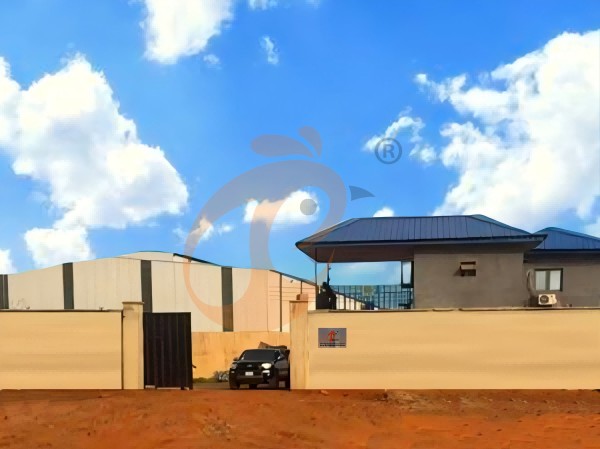
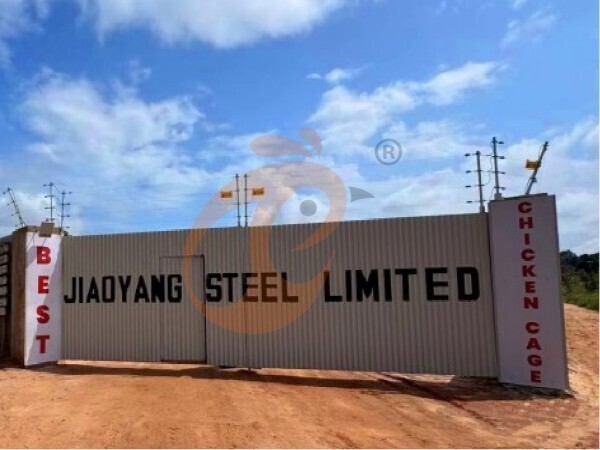
Nigeria Vanke Machinery And Equipment CO., LTD
Tanzania Best Machinery And Equipment CO., LTD
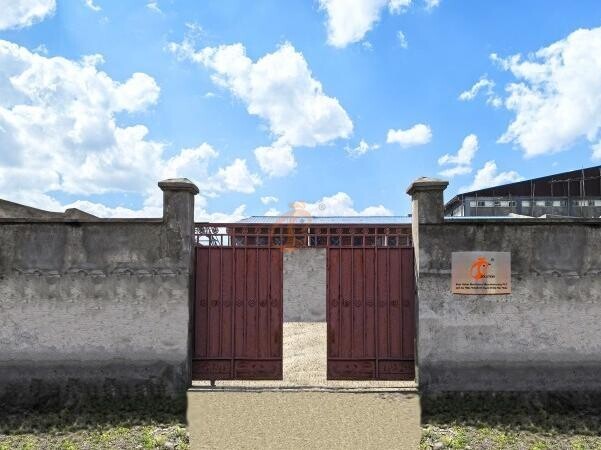
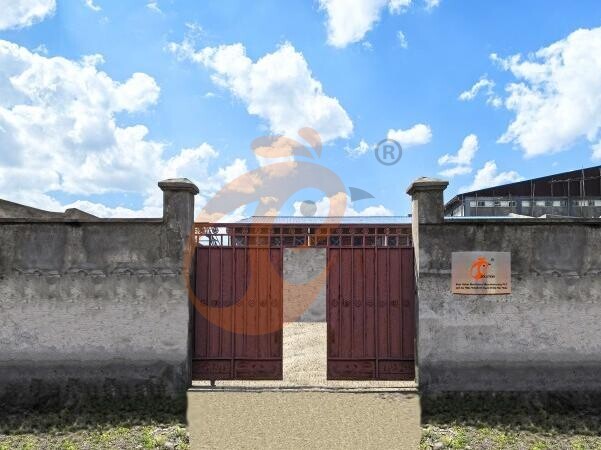
Ethiopia Best Hebei Machinery Manufacturing PLC
Reception /24 WhatsApp NO. : +8618830120193
FAQ
How To Implement Biosecurity Measures In H-Type Battery Cage Farm?
Restrict access to outsiders
Isolate sick birds
Mortality rate: 2–3%
Egg production rate: 90-98%
What Is The Average Feed Cost Per Bird In H-Type Layer Cage?
FCR 1.9–2.1
Feed cost: $0.15–0.20 per bird per day
Daily egg yield: 900–980 eggs/1,000 birds
Labor savings: 70-90%
How To Prevent Cannibalism In H-Type Poultry Cage System?
Provide sufficient feed and water
Install anti-pecking devices
Egg production rate: 90-98%
Mortality rate <3%
Message
Products recommended
 HK Headquarter Offers EU-standard Poultry Farm Solutions, Manufacture Poultry Farm Equipment1. Continuous communication with the EU and the US
2. China, Nigeria, Ethiopia, Tanzania branch companies and factories
3. The products’ quality is customized for local poultry farms
4. Poultry cage and poultry farm equipment stock for sale
5. 24 online reception Whatsapp NO. : +8618830120193,contact us to get full informationRead More China Branch Offer Poultry Farm Business Plan, Manufacture Poultry Farm Equipment1. Address: Flat/RM 2416, 24/F, Runxing Building, Youyi Nan Street, Shijiazhuang City, Hebei Province, China
2. Poultry cage and poultry farm equipment factory and stock for sale
3. Customized for local poultry farms
4. Quality and design are based on Euro
5. 24 online reception Whatsapp NO. : +8618830120193Read More Nigeria Branch Offer Poultry Farm Business Plan, Manufacture Poultry Farm Equipment1. Address: After Sinoma Office, 200 Meters Near Danco Filling Station, Lagos/Ibadan Expressway, Lagos State, Nigeria
2. Poultry cage and poultry farm equipment factory and stock for sale
3. Customized for Nigerian poultry farms
4. Quality and design are based on Euro
5. 24 online reception Whatsapp NO. : +8618830120193Read More Ethiopia Branch Offer Poultry Farm Business Plan, Manufacture Poultry Farm Equipment1. Address: Gelan Gura, Akaki-kaliti Sub City, Addis Ababa, Ethiopia
2. Poultry cage and poultry farm equipment stock for sale
3. Customized for Ethiopian poultry farms
4. Quality and design are based on Euro
5. 24 online reception Whatsapp NO. : +8618830120193, contact us to get price listRead More Tanzania Branch Offer Poultry Farm Business Plan, Manufacture Poultry Farm Equipment1. Address: No.8, Sova Road, Msufini, Mlandizi, Kibaha, Pwani, Tanzania
2. Poultry cage and poultry farm equipment factory and stock for sale
3. Customized for Tanzanian poultry farms
4. Quality and design are based on Euro
5. 24 online reception Whatsapp NO. : +8618830120193Read More Fully Automatic H Type Layer Chicken Cage1. 30,000-100,000+ layers/house chooses it, Poultry farmers can achieve an egg production rate of 96-98%
2. A significant improvement over the 85-90% typically seen in manual systems
3. A typical poultry farm can expect a 30-40% reduction in labor costs due to the automation
4. Each feeding line efficiently supplies feed to around 100,000 hens per 30 mins
5. Reception /WhatsApp NO. : +8618830120193Read More Fully Automatic A Type Layer Chicken Cage1. 10,000-50,000 layers/house chooses it
2. Cleaner egg collection reduces breakage by 0.5%
3. Improved hygiene helps reduce mortality rate to <3%
4. 1–2 technicians can handle 15,000–30,000 birds
5. Reception /WhatsApp NO. : +8618830120193Read More Semi Automatic H Type Layer Chicken Cage1. 1,00-20,000 layers/house chooses it
2. Nipple drinkers flow 30–60 ML / min
3. Hot-dip galvanized (typical coating ≥ 275 g/m²)
4. Reduce ammonia by ~ 35–40%
5. Reception /WhatsApp NO. : +8618830120193Read More Semi Automatic A Type Layer Chicken Cage1. 1,00-20,000 layers/house chooses it, no rust for 10 years, no deformation for 15 years
2. Chickens live comfortably, you can raise them with peace of mind
3. Save water, save money—efficiency you can measure
4. Improve environment quality, and increase egg production rate
5. Reception /WhatsApp NO. : +8618830120193Read More
By clicking 'Allow All', you agree to the storage of cookies on your device to enhance site navigation, analyze site usage and assist with our marketing efforts.