


Blog
- Poultry cage price depends on equipment configuration, logistics, labor, maintenance, and production planning, with project budgets commonly evaluated across 5–10 years of operation.
Layer chicken cage selection affects usable house capacity, flock management efficiency, installation planning, and future expansion, especially for commercial farms exceeding 20,000 birds.
Automatic poultry cage system design connects feeding, drinking, manure, egg handling, ventilation, and control equipment into one coordinated production process.
African and Asian projects can face different transportation conditions, technical-support requirements, and operating environments, making complete-system evaluation more useful than factory-price comparison.
- A correctly engineered poultry cage package can balance investment, productivity, maintenance, and expansion requirements while supporting commercial layer operations through multiple production cycles.
Get professional poultry farm construction guidance, equipment selection solutions, and the latest price lists, whatsApp to +8618830120193, +2348111199996, or click to learn more.
Why Poultry Cage Prices Differ Between Africa And Asia
A poultry cage quotation cannot be evaluated by equipment price alone.
For commercial layer farms, poultry cage price is affected by configuration, automation, transportation, installation, and operating conditions.
A practical comparison should also consider the 8–12 year service target and the 330–345 laying days per production cycle.
For manufacturers, layer chicken cage engineering should follow the customer's actual project rather than a standard package.
Our automatic poultry cage system can be configured according to flock size, house dimensions, climate, and automation requirements, allowing African and Asian buyers to evaluate complete-project value.
Africa Vs Asia: Equipment Cost Structure
Data is for reference only.Swipe horizontally to view full table.
The equipment specification itself can remain similar between regions, but poultry cage price changes once the system reaches the farm.
A farm operating two daily feeding cycles has different labor requirements from a farm using four manual feeding rounds.
Difference #1: Factory Price Is Not The Landed Price
The first calculation should separate the manufacturer's equipment quotation from delivered project cost.
A poultry cage price leaving the factory can accumulate freight, port handling, customs, inland transportation, and installation expenses before reaching the poultry house.
Consider container planning as an engineering task rather than a shipping detail.
Our layer chicken cage structures can be designed around 20-foot and 40-foot containers, while individual components can be bundled according to installation sequence.
Cost formula
Landed equipment cost = factory equipment + freight + insurance + port charges + import costs + inland transport + installation
This formula becomes particularly important for projects located far from major ports.
A difference of 600–1,500 km in inland transportation distance can materially change delivered equipment expenditure.
Logistics Parameters That Affect African And Asian Projects
Data is for reference only.Swipe horizontally to view full table.
For an export-oriented poultry equipment supplier, packing should be engineered before production begins.
A poultry cage project with more than 1,000 cage sets should use a component inventory and packing list so every structural member can be checked before shipment.
Difference #2: Labor Cost Changes The Value Of Automation
Here is the key commercial calculation
Manual operation saves equipment investment but consumes labor every day.
An automatic poultry cage system converts repetitive feeding, manure, egg, and environmental operations into coordinated mechanical processes.
For a 50,000-layer farm, automation requirements differ substantially from those of a 5,000-bird family-operated house.
Where automation creates value
- Feeding → controlled feed distribution
- Drinking → centralized water delivery
- Manure → mechanical removal
- Eggs → conveyor transportation
- Climate → automatic temperature adjustment
- Lighting → programmable lighting cycles
The objective is not to install every available machine.
The objective is to create a coordinated poultry cage system in which each component supports the next production process.
Automation Specifications For Commercial Layer Houses
Data is for reference only.Swipe horizontally to view full table.
A properly configured automatic poultry cage system can maintain coordinated water delivery while reducing open-water contamination risks.
In a house operating at 28–32°c, water-line management becomes especially important for stable flock performance.
Difference #3: Cage Density Influences Building Economics
The third difference comes from how efficiently a poultry house uses available volume.
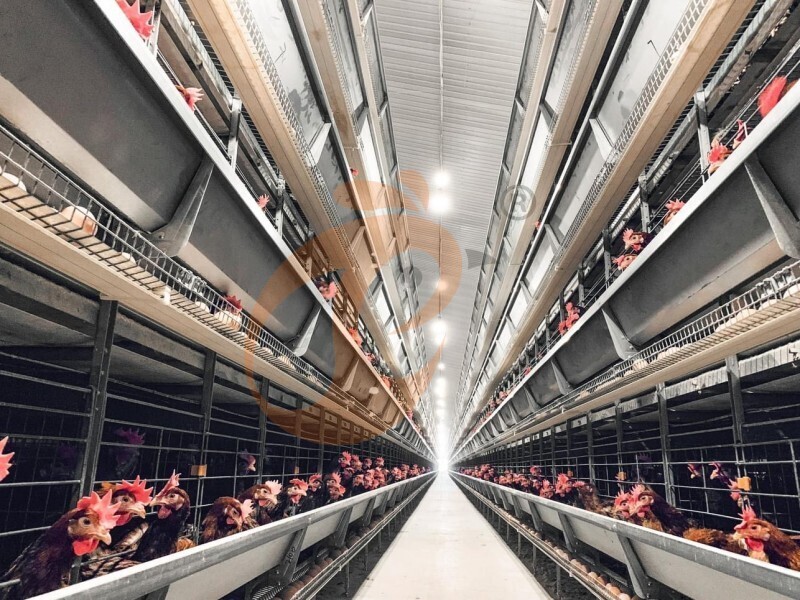
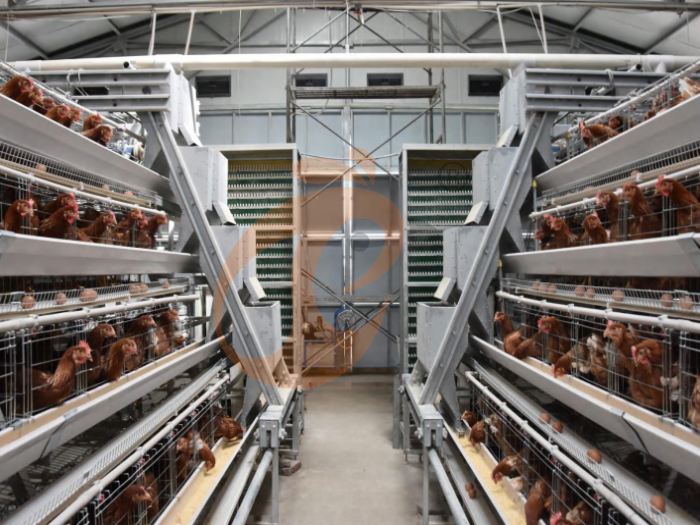
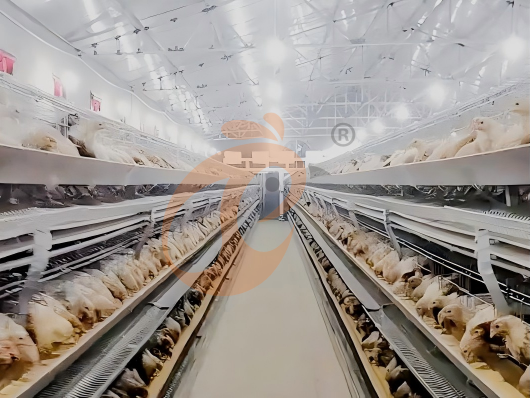
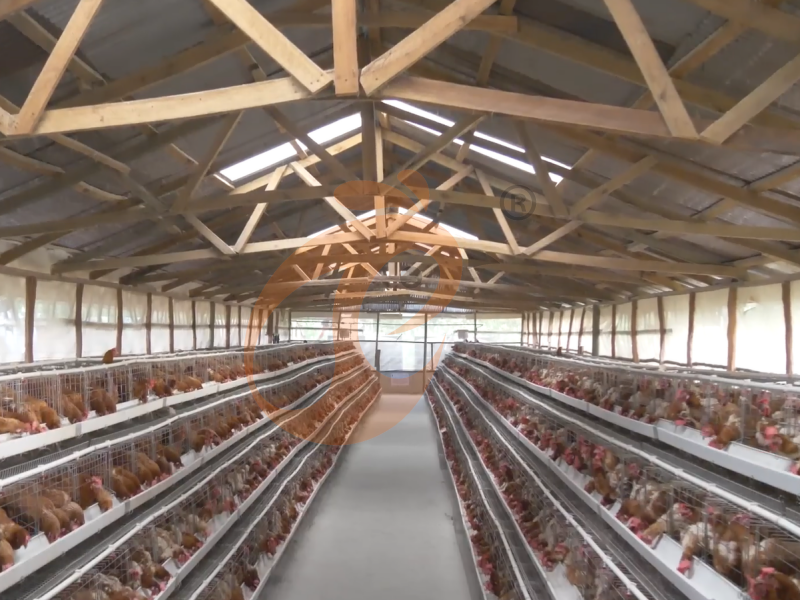
A multi-tier layer chicken cage uses vertical building space rather than relying entirely on floor area.
That approach matters when construction expenditure represents a major portion of the project.
Our poultry cage layout can position feeding lanes, service corridors, manure systems, and ventilation zones without unnecessarily increasing building dimensions.
For example, a 12 m-wide house requires a different aisle and cage-row configuration from a 16 m-wide building.
Cage Configuration And Capacity Data
Data is for reference only.Swipe horizontally to view full table.
The exact stocking configuration must follow local animal-welfare regulations and the selected layer breed.
Poultry cage engineering should also account for daily feed allowance, commonly around 105–120 g/bird/day, depending on age, genetics, and production stage.
A Simple Buyer Test: Compare Cost Per Bird
Instead of asking only for the total quotation, divide complete equipment investment by designed bird capacity.
Example
Project A
Equipment investment: $120,000
Designed capacity: 30,000 birds
$120,000 ÷ 30,000 = $4.00/bird
Project B
Equipment investment: $145,000
Designed capacity: 40,000 birds
$145,000 ÷ 40,000 = $3.63/bird
Project B requires a larger initial investment, but equipment allocation per designed bird is lower.
The calculation should then continue to installation, electricity, labor, maintenance, and expected egg production.
For a commercial feasibility study, the useful evaluation period may be 5–10 years, rather than judging poultry cage price from the first invoice.
European union standard reference only.
Maintenance Cost: The Fourth Difference
A poultry cage system operates continuously under dust, moisture, feed particles, manure, and mechanical vibration.
Component selection therefore affects maintenance requirements throughout each production cycle.
For African export projects, we recommend standardized spare-part configurations so commonly replaced components can be identified easily.
A typical commercial project may establish a spare-parts list covering 12 months of operation before shipment.
The cage surface treatment also matters.
Hot-dip galvanized components provide additional protection in humid poultry-house environments, particularly where washing and disinfection are frequent.
Technical Parameters For Durability And Maintenance
Data is for reference only.Swipe horizontally to view full table.
Maintenance should be treated as part of original equipment design.
A supplier providing manuals, component drawings, installation instructions, and spare-part identification can reduce diagnosis time when equipment problems occur.
Why Choose A Complete Poultry Cage System?
Data is for reference only.Swipe horizontally to view full table.
For buyers comparing poultry cage price for Africa versus Asia, the strongest purchasing decision comes from evaluating the entire production system rather than comparing one cage quotation against another.
A correctly configured poultry cage can integrate feeding, drinking, manure handling, egg collection, ventilation, and technical support around the farm's operating model.
Our poultry equipment can be customized around 10,000–150,000 birds per project, with cage configuration, automation level, house layout, and export packing developed according to customer requirements.
Frequently Asked Questions
Q1: What determines poultry cage price in africa?
A1: Poultry cage price depends on cage configuration, automation, logistics, installation, and project scale.
A 40hc export project and a local installation can have different delivered costs even with identical cage specifications.
Q2: Is an automatic poultry cage system worth the investment?
A2: An automatic poultry cage system becomes more economically relevant as flock size increases.
For projects above 30,000 layers, feeding, manure, and egg-handling automation can materially change labor planning and daily operating procedures.
Q3: How should buyers compare layer chicken cage suppliers?
A3: Buyers should compare steel specifications, equipment configuration, automation scope, packing, installation support, spare parts, and technical documentation.
A complete quotation should identify equipment quantities and operating parameters rather than presenting only a single poultry cage price.
Taiyu (HK) Group - One Of China Toppest Poultry Cage Manufacturer
Poultry cage systems integrate 3–6 tiers, galvanized structures, and configurable feeding, drinking, manure, and egg-handling modules for commercial layer projects
Global factory-direct poultry equipment supply supports standardized manufacturing, export packing, component identification, and project-specific engineering documentation
Turn-key engineering coordinates poultry house layout, cage installation, automatic feeding, manure removal, ventilation, environmental control, and commissioning requirements
Africa and Asia projects receive configuration support based on flock capacity, building dimensions, climate conditions, transportation routes, and local operating requirements
Factory production integrates mechanical components and poultry equipment packages with project documentation, spare-part planning, installation guidance, and after-sales technical coordination
Contact Us To Received Your Customized Poultry Farm Plan
Headquarters And Branchs

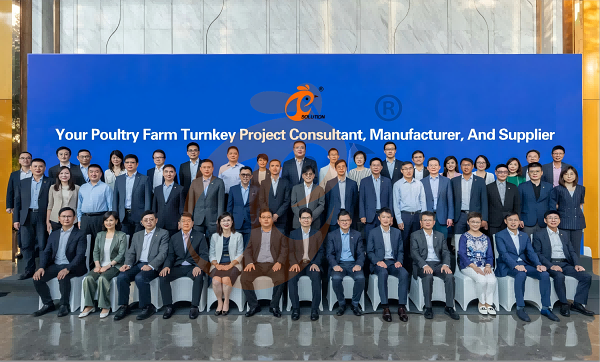
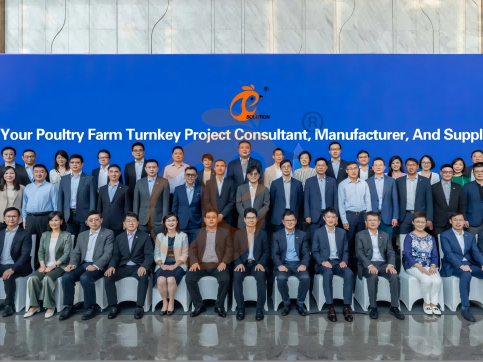
Hong Kong Headquarter Management Team
Hong Kong Headquarter Taiyu Industrial Group CO., LTD
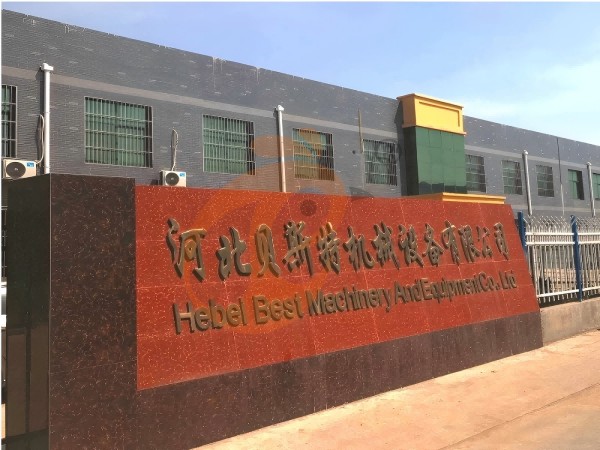
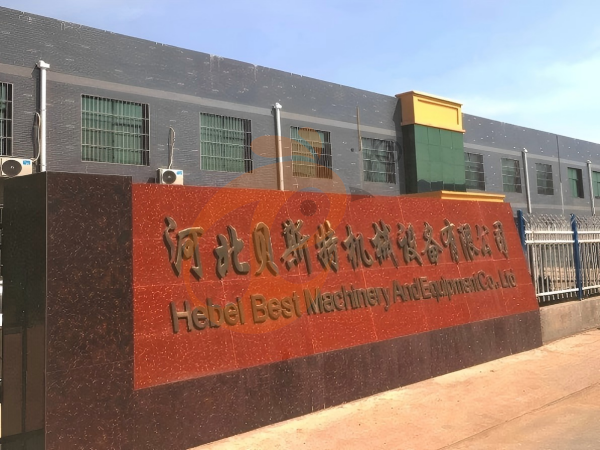
China Hebei Best Machinery And Equipment CO., LTD
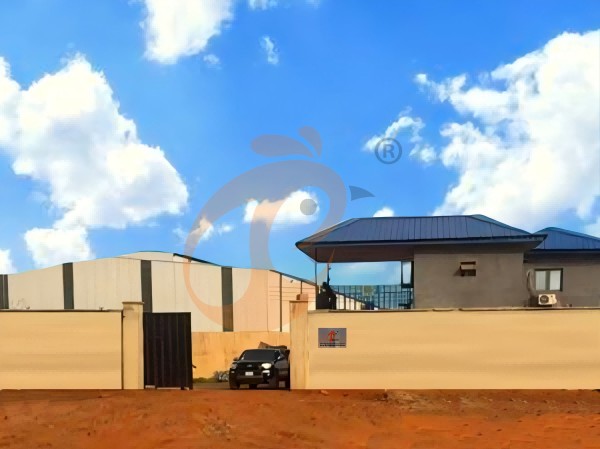
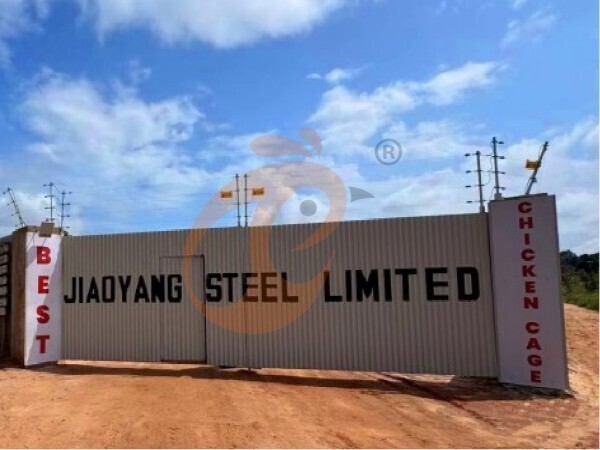
Nigeria Vanke Machinery And Equipment CO., LTD
Tanzania Best Machinery And Equipment CO., LTD
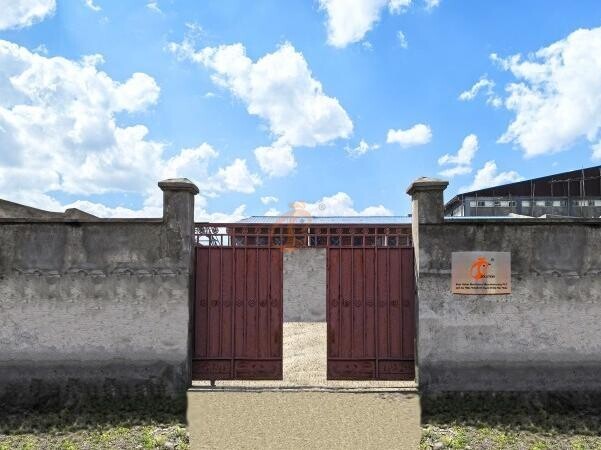
Ethiopia Best Hebei Machinery Manufacturing PLC
Reception /24 WhatsApp NO. : +8618830120193
FAQ
What Are The Professional Guidelines For Poultry Cage Farm Layout Optimization?
Multi-tier layout 4–16 tiers, 24–48 birds per tier, house capacity 30,000–100,000 birds.
Aisles and zoning allow efficient feeding, cleaning, and health management.
With automation, labor can be reduced by up to 70-90%.
How To Implement Advanced Battery Cage Systems For Maximum Egg Yield?
Automatic feeding, drinking, egg collection, and manure cleaning systems ensure stable production.
Egg production rate: 90–98%, daily egg yield: 900–980 eggs/1,000 birds.
Regular cleaning and monitoring mortality rate can limit losses to 2–3%.
How To Optimize ROI In Chicken Cage Farms Using Automation Systems?
Egg production rate can reach 90–98%, FCR maintained at 1.9–2.1.
Initial investment recovers in 24–36 months, ROI can increase by 20–25%.
- poultry equipment
- chicken cage
- layer cage
- poultry farm
- poultry cage
- poultry farm
- poultry farm construction
- poultry cage manufacturer
- automatic poultry cage
- poultry cage price
- poultry cage quotation
- poultry equipment supplier
- layer farm
- poultry house
- chicken cage supplier
- layer cage capacity
- layer cage installation
- automatic poultry cage system
- poultry cage system
- layer chicken cage
- poultry house layout
- Ethiopia
- Nigeria
Message
Products recommended
 HK Headquarter Offers EU-standard Poultry Farm Solutions, Manufacture Poultry Farm Equipment1. Continuous communication with the EU and the US
2. China, Nigeria, Ethiopia, Tanzania branch companies and factories
3. The products’ quality is customized for local poultry farms
4. Poultry cage and poultry farm equipment stock for sale
5. 24 online reception Whatsapp NO. : +8618830120193,contact us to get full informationRead More China Branch Offer Poultry Farm Business Plan, Manufacture Poultry Farm Equipment1. Address: Flat/RM 2416, 24/F, Runxing Building, Youyi Nan Street, Shijiazhuang City, Hebei Province, China
2. Poultry cage and poultry farm equipment factory and stock for sale
3. Customized for local poultry farms
4. Quality and design are based on Euro
5. 24 online reception Whatsapp NO. : +8618830120193Read More Nigeria Branch Offer Poultry Farm Business Plan, Manufacture Poultry Farm Equipment1. Address: After Sinoma Office, 200 Meters Near Danco Filling Station, Lagos/Ibadan Expressway, Lagos State, Nigeria
2. Poultry cage and poultry farm equipment factory and stock for sale
3. Customized for Nigerian poultry farms
4. Quality and design are based on Euro
5. 24 online reception Whatsapp NO. : +8618830120193Read More Ethiopia Branch Offer Poultry Farm Business Plan, Manufacture Poultry Farm Equipment1. Address: Gelan Gura, Akaki-kaliti Sub City, Addis Ababa, Ethiopia
2. Poultry cage and poultry farm equipment stock for sale
3. Customized for Ethiopian poultry farms
4. Quality and design are based on Euro
5. 24 online reception Whatsapp NO. : +8618830120193, contact us to get price listRead More Tanzania Branch Offer Poultry Farm Business Plan, Manufacture Poultry Farm Equipment1. Address: No.8, Sova Road, Msufini, Mlandizi, Kibaha, Pwani, Tanzania
2. Poultry cage and poultry farm equipment factory and stock for sale
3. Customized for Tanzanian poultry farms
4. Quality and design are based on Euro
5. 24 online reception Whatsapp NO. : +8618830120193Read More Fully Automatic H Type Layer Chicken Cage1. 30,000-100,000+ layers/house chooses it, Poultry farmers can achieve an egg production rate of 96-98%
2. A significant improvement over the 85-90% typically seen in manual systems
3. A typical poultry farm can expect a 30-40% reduction in labor costs due to the automation
4. Each feeding line efficiently supplies feed to around 100,000 hens per 30 mins
5. Reception /WhatsApp NO. : +8618830120193Read More Fully Automatic A Type Layer Chicken Cage1. 10,000-50,000 layers/house chooses it
2. Cleaner egg collection reduces breakage by 0.5%
3. Improved hygiene helps reduce mortality rate to <3%
4. 1–2 technicians can handle 15,000–30,000 birds
5. Reception /WhatsApp NO. : +8618830120193Read More Semi Automatic H Type Layer Chicken Cage1. 1,00-20,000 layers/house chooses it
2. Nipple drinkers flow 30–60 ML / min
3. Hot-dip galvanized (typical coating ≥ 275 g/m²)
4. Reduce ammonia by ~ 35–40%
5. Reception /WhatsApp NO. : +8618830120193Read More Semi Automatic A Type Layer Chicken Cage1. 1,00-20,000 layers/house chooses it, no rust for 10 years, no deformation for 15 years
2. Chickens live comfortably, you can raise them with peace of mind
3. Save water, save money—efficiency you can measure
4. Improve environment quality, and increase egg production rate
5. Reception /WhatsApp NO. : +8618830120193Read More
By clicking 'Allow All', you agree to the storage of cookies on your device to enhance site navigation, analyze site usage and assist with our marketing efforts.