






Blog
High-speed feed mixers support 20,000-bird poultry farms processing 8 tons of feed daily, combining rapid ingredient blending with consistent nutritional distribution.
Mixing uniformity comparisons help feed mills serving 3 poultry houses evaluate batch consistency, nutrient dispersion, and production quality across multiple formulations.
Moisture control and preventive maintenance support feed production in 80% relative humidity environments, with daily shifts reaching 16 hours during peak demand.
Integrated poultry feed processing connects grinding, mixing, pelleting, and conveying for commercial mills supplying 5 farms with different feed formulations.
Investment analysis compares equipment costs, annual maintenance budgets, and operating expenses for feed mills targeting 0.6 - 100 tons of finished feed per day.
Get professional poultry farm construction guidance, equipment selection solutions, and the latest price lists, whatsApp to +8618830120193, +2348111199996, or click to learn more.
Engineering Principles: Rotor Dynamics And Shear Force Mechanics
High-speed feed mixers use intensive rotor movement to accelerate particle circulation and promote rapid ingredient dispersion.
Rotor geometry influences material trajectories, local shear intensity, and the distribution of micro-ingredients throughout the mixing chamber.
Industrial feed mixing equipment can incorporate a rotor tip-velocity vector angle of 42 degrees and an internal air-entrainment volume of 310 cubic meters per hour, subject to equipment design verification.
Low-speed ribbon mixers primarily use convective movement, with helical blades transporting ingredients through different regions of the mixing vessel.
Mixing Homogeneity And Coefficient Of Variation
Mixing uniformity is assessed through representative sampling and statistical analysis of tracer or nutrient concentrations.
A lower coefficient of variation indicates more consistent ingredient distribution, while inadequate sampling can produce misleading conclusions about actual batch quality.
Commercial poultry feed mixers should be evaluated using equivalent formulations, sampling locations, analytical methods, and operating procedures.
Data is for reference only.Swipe horizontally to view full table.
Operational Best Practices For Optimal Feed Uniformity
Moisture Control
High-speed feed mixers require careful liquid management when processing hygroscopic ingredients.
Excess moisture can increase adhesion, obstruct material circulation, and create deposits on internal mixing surfaces.
Environmental Management
Poultry feed mixing equipment should operate in a controlled environment that limits moisture absorption and maintains consistent ingredient flowability.
For mineral premixes, an ambient relative humidity ceiling of 82% can serve as a preliminary operating reference, subject to material-specific testing.
Preventive Maintenance
Industrial feed mixer maintenance should include inspections of shaft seals, discharge mechanisms, drive components, and dust-control connections.
Inspecting critical sealing components every 120 operating hours provides a defined starting point for a preventive maintenance schedule.
Lubrication Protocol
Feed mixer bearing lubrication must follow the equipment manufacturer's instructions for lubricant type, application quantity, and service interval.
A proposed grease application of 45 milliliters per main bearing assembly should only be adopted when confirmed against the bearing manufacturer's specifications.
Energy Consumption And Power Draw
High-speed feed mixers combine intensive mechanical movement with rapid processing, while low-speed ribbon mixers rely on comparatively gradual material circulation.
Actual electrical efficiency depends on formulation resistance, loading conditions, drive configuration, production scheduling, and the time required to complete each batch.
Industrial feed mixer evaluation should distinguish installed motor capacity from measured electricity consumption under representative operating conditions.
For example, a 30-kilowatt motor operating continuously for one hour consumes 30 kilowatt-hours at rated electrical input, before accounting for load variation and drive-system losses.
Data is for reference only.Swipe horizontally to view full table.
Multi-Stage Batch Mixing Workflow
A reliable poultry feed mixing process coordinates ingredient reception, premixing, liquid distribution, homogenization, and controlled discharge.
The pre-blending stage establishes a more consistent starting distribution before the principal mixing operation begins.
Liquid fat application requires suitable nozzle selection, spray coverage, and droplet distribution to prevent localized wet spots and uneven ingredient coating.
Industrial feed mixing equipment should also synchronize discharge operations with downstream storage and conveying systems to avoid production interruptions.
A proposed liquid application system may use an atomization pressure of 3.2 mpa, but nozzle design and manufacturer ratings must determine the final setting.
Process Flow
- Raw ingredient infeed and metering
- Pre-blending chamber retention
- Liquid fat spraying and atomization
- High-shear agitation and core homogenization
- Discharge gate operation
- Post-mix surge bin transfer and buffering
Mechanical Wear And Maintenance Intervals
High-speed feed mixers experience mechanical loads influenced by rotor geometry, material abrasiveness, operating conditions, and drive-system configuration.
Wear-resistant paddle surfaces can improve service durability, while bearing selection and shaft alignment influence vibration behavior and mechanical reliability.
Industrial feed mixer maintenance programs should account for liner abrasion, seal leakage, belt condition, fastener security, and lubricant compatibility.
For example, a vibration monitoring program may establish a preliminary investigation threshold of 4.5 millimeters per second RMS, subject to the applicable machine classification and measurement standard.
Data is for reference only.Swipe horizontally to view full table.
Integrated Poultry Feed Mill Equipment Recommendations
A commercial poultry feed mill requires coordinated equipment selection across grinding, mixing, pelleting, cooling, and finished-product transport.
Hammer mill configuration should reflect the required particle-size distribution, ingredient hardness, and downstream processing requirements.
A screen aperture of 2.5 millimeters provides a preliminary grinding specification, while the final selection should reflect formulation characteristics and target particle size.
Pellet mill performance depends on die geometry, formulation, conditioning conditions, and the physical characteristics of the incoming mash.
Poultry feed processing equipment should be integrated according to production demand, equipment availability, material-flow continuity, and planned maintenance access.
A complete engineering design also considers dust collection, electrical controls, structural loading, operator safety, and future capacity expansion.
Throughput Capacity And Batch Cycle Times
High-speed feed mixers can reduce processing bottlenecks when rapid blending is compatible with ingredient characteristics and downstream equipment availability.
Low-speed ribbon mixers may accommodate larger individual batches, making loading strategy and discharge coordination important factors in production planning.
Industrial feed mixer capacity should be calculated from verified cycle definitions, including ingredient loading, mixing, discharge, and required cleaning operations.
Theoretical output must be distinguished from sustained plant throughput, which also depends on downtime, material availability, and synchronization with adjacent equipment.
A bucket elevator rated for 45 metric tonnes per hour may support high-volume conveying, provided that upstream and downstream machinery can sustain the corresponding material flow.
Data is for reference only.Swipe horizontally to view full table.
Troubleshooting Feed Segregation And Bridging
Poultry feed mixer performance can deteriorate when cohesive ingredients form arches, fine particles separate during transfer, or mechanical vibration disrupts stable operation.
Bin geometry, wall friction, particle shape, and ingredient moisture should be assessed together when investigating bridging and ratholing.
A reported bridging-angle threshold of 68 degrees may serve as a preliminary diagnostic reference, but actual flow behavior depends on material properties and hopper geometry.
Industrial feed mixing systems benefit from vibration monitoring that helps distinguish normal operating behavior from developing imbalance, bearing deterioration, or loose structural connections.
Dust-control enclosures and appropriate workplace noise management further support reliable plant operation and operator safety.
Electrical protection should account for voltage stability, motor starting characteristics, grounding, and coordination between drives and protective devices.
Particle Size Integrity And Nutrient Retention
High-speed feed mixers can improve the distribution of fine additives, but intensive agitation may also increase dust formation or mechanical stress on sensitive ingredients.
Poultry feed mixing equipment should therefore be selected according to the physical properties of the formulation and the stability requirements of vitamins, enzymes, and other functional additives.
Ingredient addition sequence, liquid coating technique, temperature monitoring, and dust extraction can influence finished-feed quality.
Laboratory testing should verify nutrient retention, particle integrity, and dispersion quality before process changes are adopted commercially.
For example, a vitamin retention test may compare the initial and final concentrations of a selected nutrient, while enzyme activity testing can reveal processing-related losses.
Data is for reference only.Swipe horizontally to view full table.
Capital Expenditure And Operating Cost Analysis
High-speed feed mixers generally require careful evaluation of acquisition costs, installation requirements, maintenance planning, and production benefits.
Low-speed ribbon mixers can offer a simpler investment profile where processing speed and intensive dispersion are not the dominant selection criteria.
Commercial feed mill equipment procurement should incorporate energy tariffs, labor requirements, spare parts availability, expected downtime, and financing assumptions.
Financial projections should use verified plant operating data and consistent accounting methods rather than relying solely on estimated equipment payback.
A total-cost-of-ownership model should also distinguish capital depreciation from actual cash expenditure and include the expected cost of major component replacement.
European union standard reference only.
Data is for reference only.Swipe horizontally to view full table.
Impact On Poultry Growth Performance
Consistent feed composition helps support predictable nutrient intake across a poultry flock.
Broiler and layer performance also depends on genetics, environmental conditions, ingredient quality, disease management, and feeding practices.
Poultry feed processing equipment should be evaluated as one component of a broader production system rather than as the sole determinant of biological outcomes.
Controlled feeding trials, comparable formulations, and transparent statistical analysis are necessary to establish whether observed differences are attributable to mixing technology.
A reliable trial design should record flock age, housing conditions, feed formulation, sample size, and the statistical significance of observed differences.
Data is for reference only.Swipe horizontally to view full table.
Frequently Asked Questions
Q1: Which feed mixer provides better mixing uniformity?
A1: High-speed feed mixers can provide more intensive particle dispersion, but performance should be confirmed through representative sampling and laboratory analysis.
Q2: How should buyers compare feed mixer energy efficiency?
A2: Buyers should compare metered electricity consumption under equivalent production conditions, accounting for formulation, loading, operating time, and actual finished output.
Q3: Which feed mixer is suitable for commercial poultry production?
A3: High-speed systems suit operations emphasizing intensive dispersion and responsive production scheduling, while ribbon mixers can suit applications prioritizing conventional blending and simpler operating requirements.
Taiyu (HK) Group - One Of China Toppest Feed Mixer Manufacturer
Feed mixers support commercial poultry feed projects serving 12 production buildings, processing 6 distinct formulations, and maintaining consistent ingredient distribution through application-specific rotor configurations.
Global factory-direct supply coordinates poultry equipment procurement for 3 regional distribution centers, 18 installation technicians, and 45-day shipment planning, with equipment acceptance verified against project specifications.
Turn-key engineering integrates feed storage, material conveying, electrical control, and production-line installation for 4,800-square-meter facilities, 6.5-meter building clearances, and 380 V industrial power systems.
Poultry equipment solutions support integrated feed mills supplying 14 contract farms, managing 7 ingredient categories, and coordinating commissioning schedules around seasonal demand and local construction milestones.
International project delivery combines layout engineering, installation supervision, operator training, and commissioning documentation for 9-month development programs, 2-shift operating schedules, and staged production handovers.
Contact Us To Received Your Customized Poultry Farm Plan
Headquarters And Branchs

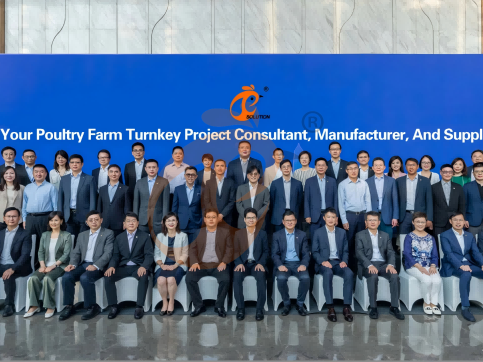
Hong Kong Headquarter Management Team
Hong Kong Headquarter Taiyu Industrial Group CO., LTD
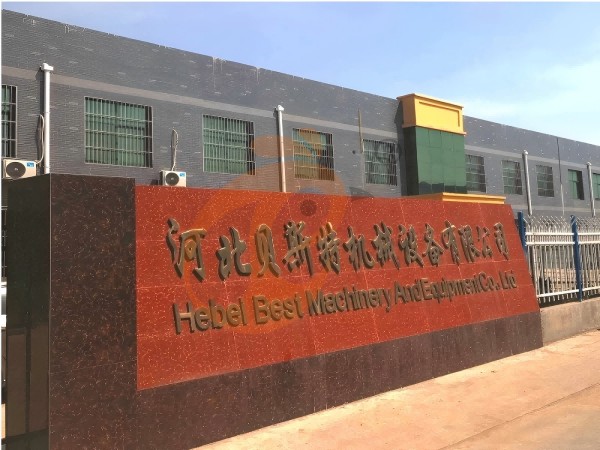
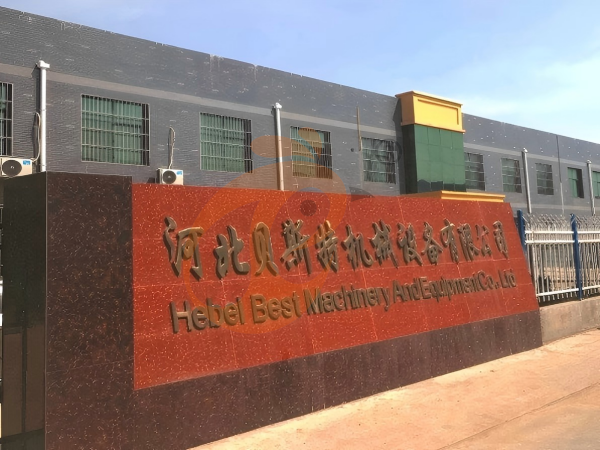
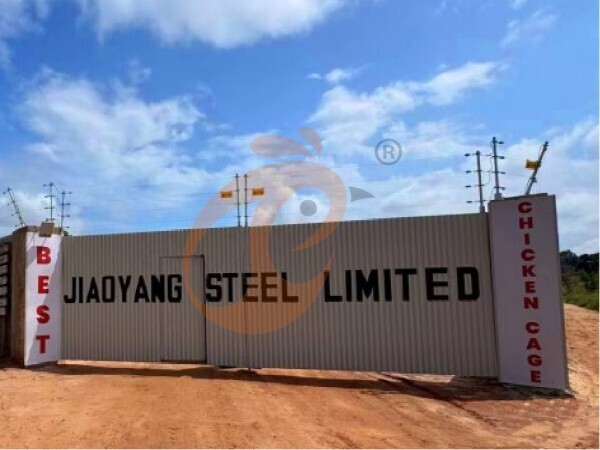
China Hebei Best Machinery And Equipment CO., LTD
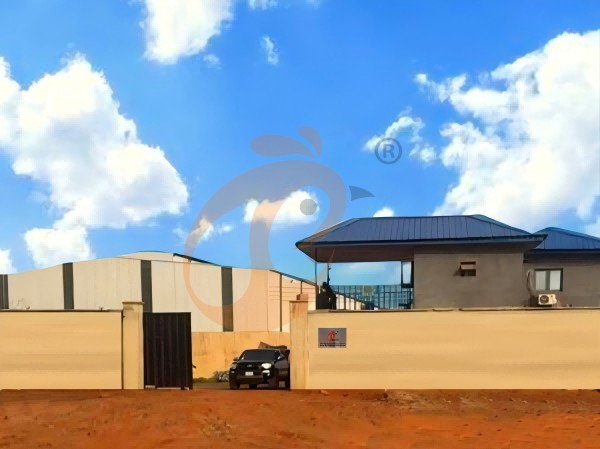
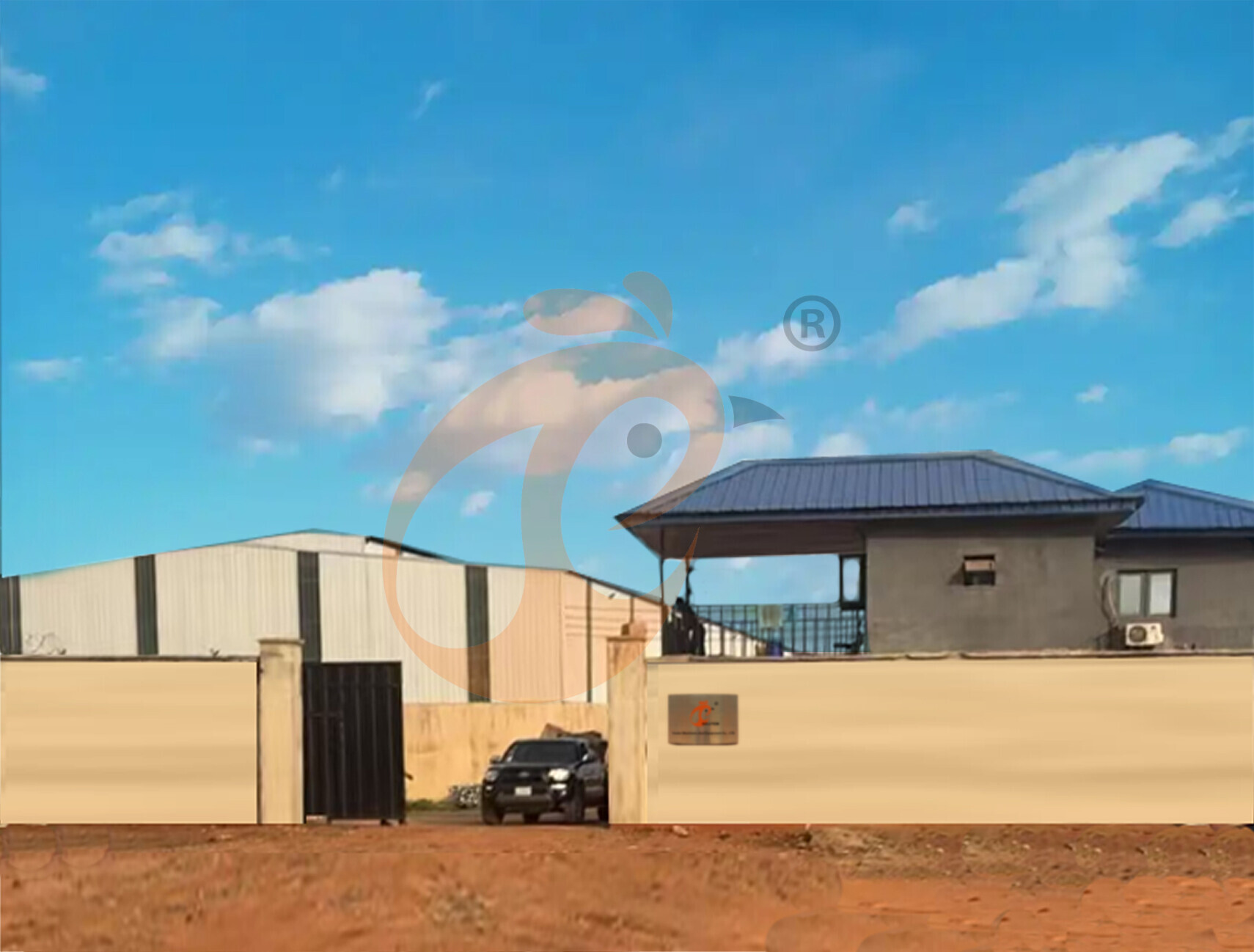
Nigeria Vanke Machinery And Equipment CO., LTD
Tanzania Best Machinery And Equipment CO., LTD
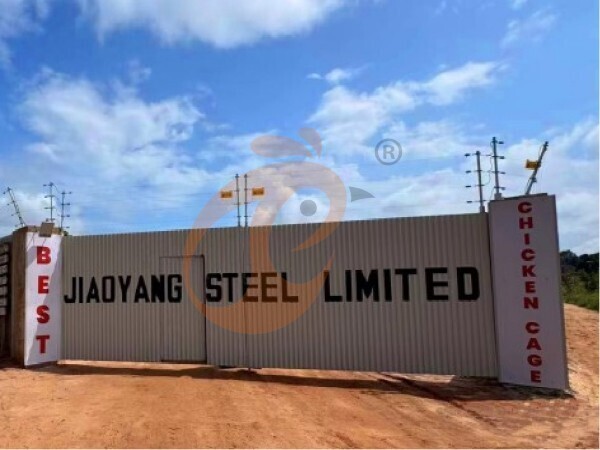
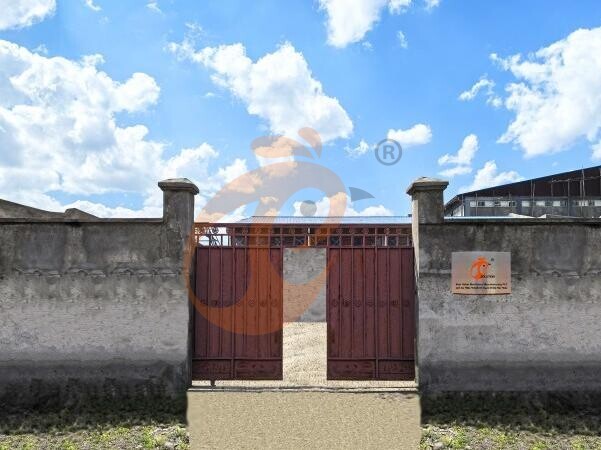
Ethiopia Best Hebei Machinery Manufacturing PLC

Reception /24 WhatsApp NO. : +8618830120193
FAQ
What Are The Main Equipment Components In Feed Mill And Feed Mixer Systems For Poultry Chicken Production?
Hammer mill units operate with rotor speeds of 2800–3600 rpm for efficient grain size reduction.
Twin-shaft mixers achieve batch capacities of 500–2000 kg per cycle for uniform poultry feed blending.
What Dust Control Requirements Are Needed In Feed Mill Operations For Poultry Chicken Farms?
Cyclone separators remove 85%–92% of airborne particles during grinding and conveying processes.
Negative pressure systems maintain airflow velocity between 0.8–1.2 m/s to prevent dust leakage.
What Temperature Parameters Are Used In Feed Mill Processing For Poultry Chicken Feed?
Conditioning temperature reaches 75–85°C to improve pellet durability and pathogen reduction.
Cooling stage reduces pellet temperature to within 5°C of ambient conditions for safe storage.
Message
Products recommended
 HK Headquarter Offers EU-standard Poultry Farm Solutions, Manufacture Poultry Farm Equipment1. Continuous communication with the EU and the US
2. China, Nigeria, Ethiopia, Tanzania branch companies and factories
3. The products’ quality is customized for local poultry farms
4. Poultry cage and poultry farm equipment stock for sale
5. 24 online reception Whatsapp NO. : +8618830120193,contact us to get full informationRead More China Branch Offer Poultry Farm Business Plan, Manufacture Poultry Farm Equipment1. Address: Flat/RM 2416, 24/F, Runxing Building, Youyi Nan Street, Shijiazhuang City, Hebei Province, China
2. Poultry cage and poultry farm equipment factory and stock for sale
3. Customized for local poultry farms
4. Quality and design are based on Euro
5. 24 online reception Whatsapp NO. : +8618830120193Read More Nigeria Branch Offer Poultry Farm Business Plan, Manufacture Poultry Farm Equipment1. Address: After Sinoma Office, 200 Meters Near Danco Filling Station, Lagos/Ibadan Expressway, Lagos State, Nigeria
2. Poultry cage and poultry farm equipment factory and stock for sale
3. Customized for Nigerian poultry farms
4. Quality and design are based on Euro
5. 24 online reception Whatsapp NO. : +8618830120193Read More Ethiopia Branch Offer Poultry Farm Business Plan, Manufacture Poultry Farm Equipment1. Address: Gelan Gura, Akaki-kaliti Sub City, Addis Ababa, Ethiopia
2. Poultry cage and poultry farm equipment stock for sale
3. Customized for Ethiopian poultry farms
4. Quality and design are based on Euro
5. 24 online reception Whatsapp NO. : +8618830120193, contact us to get price listRead More Tanzania Branch Offer Poultry Farm Business Plan, Manufacture Poultry Farm Equipment1. Address: No.8, Sova Road, Msufini, Mlandizi, Kibaha, Pwani, Tanzania
2. Poultry cage and poultry farm equipment factory and stock for sale
3. Customized for Tanzanian poultry farms
4. Quality and design are based on Euro
5. 24 online reception Whatsapp NO. : +8618830120193Read More Fully Automatic H Type Layer Chicken Cage1. 30,000-100,000+ layers/house chooses it, Poultry farmers can achieve an egg production rate of 96-98%
2. A significant improvement over the 85-90% typically seen in manual systems
3. A typical poultry farm can expect a 30-40% reduction in labor costs due to the automation
4. Each feeding line efficiently supplies feed to around 100,000 hens per 30 mins
5. Reception /WhatsApp NO. : +8618830120193Read More Fully Automatic A Type Layer Chicken Cage1. 10,000-50,000 layers/house chooses it
2. Cleaner egg collection reduces breakage by 0.5%
3. Improved hygiene helps reduce mortality rate to <3%
4. 1–2 technicians can handle 15,000–30,000 birds
5. Reception /WhatsApp NO. : +8618830120193Read More Semi Automatic H Type Layer Chicken Cage1. 1,00-20,000 layers/house chooses it
2. Nipple drinkers flow 30–60 ML / min
3. Hot-dip galvanized (typical coating ≥ 275 g/m²)
4. Reduce ammonia by ~ 35–40%
5. Reception /WhatsApp NO. : +8618830120193Read More Semi Automatic A Type Layer Chicken Cage1. 1,00-20,000 layers/house chooses it, no rust for 10 years, no deformation for 15 years
2. Chickens live comfortably, you can raise them with peace of mind
3. Save water, save money—efficiency you can measure
4. Improve environment quality, and increase egg production rate
5. Reception /WhatsApp NO. : +8618830120193Read More
By clicking 'Allow All', you agree to the storage of cookies on your device to enhance site navigation, analyze site usage and assist with our marketing efforts.