






Blog
Poultry feed pellet mill selection starts with flock demand, production targets, and reliable equipment sizing for efficient feed manufacturing.
Matching hourly output to daily consumption, with a 1.25 safety coefficient, helps balance capacity, energy use, and operating schedules.
Ring die pellet mill specifications, drive power from 7.5 to 220 kw, and suitable die ratios influence pellet quality and production consistency.
Steam conditioning, moisture control, and particle sizes near 2.5 mm support stable pelleting, starch gelatinization, and durable finished feed.
Comparing equipment layouts, maintenance intervals, and capital costs helps poultry producers plan scalable feed production with fewer avoidable bottlenecks.
Get professional poultry farm construction guidance, equipment selection solutions, and the latest price lists, whatsApp to +8618830120193, +2348111199996, or click to learn more.
Capacity And Power Technical Specifications
Poultry feed pellet mill capacity should match daily feed demand, motor power, and ring die dimensions.
Data is for reference only.Swipe horizontally to view full table.
Engineering Focus Points For Drive Systems
Gear-driven poultry feed pellet mill systems are designed for stable torque transmission, with the stated mechanical efficiency reaching 97.5 percent compared with 88.0 percent for double-belt transmission.
Transmission mechanism gear-driven pellet mills maintain rotational stability under varying compression loads.
Thermal dissipation heavy-duty gearboxes may use oil-pump lubrication at a stated flow rate of 3.5 liters per minute.
Vibration Isolation a cast-iron chassis with a stated minimum wall thickness of 28 mm helps absorb vibration from roller compression.
Conditioning chamber aisi 304 stainless steel conditioner tubes can provide retention times of up to 45 seconds, depending on feed formulation and operating conditions.
Die Compression Ratios For Poultry Formulations
Ring die pellet mill selection depends on pellet diameter, die-hole depth, feed formulation, and the required compression ratio.
Data is for reference only.Swipe horizontally to view full table.
Practical Machinery Selection Tips
A poultry feed pellet mill performs more consistently when upstream grinding, steam supply, roller adjustment, and wear-part planning are coordinated.
Verify raw material particle granularity a hammer mill with 2.5 mm screen apertures provides a practical starting point for particle-size control before conditioning.
Inspect steam conditioning infrastructure check whether the boiler can supply dry saturated steam at 0.3 to 0.4 mpa under the intended operating load.
Assess roller and die adjustment mechanisms consider equipment with external manual or hydraulic roller-clearance adjustment.
Evaluate spare part wear lifespan request documented ring die service-life data, using 800 operating hours as a procurement reference rather than a guaranteed replacement interval.
Steam Conditioning And Moisture Parameters
Steam conditioning improves poultry feed pellet mill processing by increasing mash temperature and moisture, supporting starch gelatinization and pellet durability.
Data is for reference only.Swipe horizontally to view full table.
Integrated Feed Line Workflow Structure
A complete poultry feed pellet production line coordinates weighing, grinding, mixing, conditioning, pelleting, cooling, and storage to maintain consistent throughput.
Batching: Precision scales meter grain, protein meals, and minor ingredients according to the formulation.
Grinding: A hammer mill reduces particle size before mixing.
Mixing: A twin-shaft ribbon mixer distributes ingredients throughout the mash.
Conditioning: Steam-treated mash enters the conditioner at a stated initial moisture level of 12.5 percent, subject to formulation and ambient conditions.
Pelleting And Cooling: The pellet mill compresses conditioned mash, while a counterflow cooler reduces pellet temperature to within 3 degrees Celsius above ambient under suitable operating conditions.
Storage: Conveyors transfer cooled pellets to bulk silos or packaging equipment.
Physical Dimensions And Space Requirements
Poultry feed pellet mill installation planning should account for machine footprint, service access, lifting clearance, and motor ventilation.
Data is for reference only.Swipe horizontally to view full table.
Modular Equipment Combination Recommendations
Poultry feed pellet mill configurations should combine grinding, mixing, pelleting, cooling, and screening equipment according to required output and automation level.
- Entry-Level Combination (1,000 – 10,000 layer chicks)
Vertical crush-mixer unit with 11.0 kw total power.
Flat die pellet mill with a 15.0 kW drive.
Manual bagging sealer.
- Mid-Scale Automated System (10,000 – 50,000 broilers)
Water-drop hammer mill with a 22.0 kw motor.
Horizontal batch mixer with a 500 kg batch capacity.
Ring die pellet machine with a 37.0 kw drive.
Counterflow cooler with a 2.2 kw blower.
- Industrial Turnkey Line (50,000+ commercial flock)
Automated micro-dosing system with a 12-bin configuration.
Double-shaft paddle mixer with a 2,000 kg batch capacity.
Two ring die pellet mills with 75.0 kw drives each.
Automated crumbler and vibrating screen unit.
Electrical And Energy Consumption Benchmarks
Poultry feed pellet mill operating costs depend on specific energy consumption, installed motor power, production rate, and the load profile of auxiliary equipment.
Data is for reference only.Swipe horizontally to view full table.
Operational And Preventative Maintenance Schedule
A poultry feed pellet mill requires scheduled inspection of bearings, drive components, rollers, dies, and lubrication systems to limit unplanned downtime.
Maintenance guideline roller shell surfaces may require re-grooving after processing 1,200 tons of feed, depending on wear and operating conditions.
Every 8 operating hours lubricate main shaft bearings with suitable high-temperature lithium-based grease, using 15 grams per point only when consistent with the equipment manufacturer's lubrication instructions.
Every 100 operating hours Inspect shear-pin safety devices and remove residual feed meal from the door cover.
Every 500 operating hours check v-belt tension or gearbox oil condition, and inspect iso vg 220 synthetic gear lubricant where specified.
Every 2,000 operating hours inspect main shaft oil seals and die-clamping rings for leakage, fatigue, or cracking.
Investment Return And Capital Payback Matrix
Poultry feed pellet mill investment decisions should compare equipment capital expenditure, annual production, feed-cost savings, and the complete operating cost of on-farm manufacturing.
Data is for reference only.Swipe horizontally to view full table.
European union standard reference only.
The listed capital costs and savings are indicative estimates, not verified quotations or guaranteed returns;
Actual results depend on local energy prices, ingredients, labor, utilization, and maintenance costs.
Frequently Asked Questions
Q1: What capacity poultry feed pellet mill does a farm need?
A1: Select capacity according to daily feed demand and available production hours, applying a 1.25 planning coefficient to a 16-hour operating window.
Q2: Which ring die size is suitable for poultry feed?
A2: Pellet diameters commonly range from 2.0 to 4.5 mm in the reference specifications, but die-hole geometry must match formulation, feed type, and target pellet quality.
Q3: How can farmers reduce poultry feed pellet mill operating costs?
A3: Compare specific energy consumption, spare-part life, maintenance requirements, and actual production output; benchmark values of 11.8 to 22.4 kwh per ton require verification under comparable operating conditions.
Taiyu (HK) Group - One Of China’s Largest Poultry Feed Pellet Mill Manufacturers
Poultry feed pellet mills support commercial feed production projects processing 8–15 tons per hour, with engineered roller assemblies and ring die configurations matched to formulation requirements and continuous-duty operating conditions.
Global factory-direct supply coordinates poultry equipment packages for farms managing 3 production shifts, 2 raw-material receiving zones, and dedicated finished-feed storage, with integrated process engineering for reliable material handling.
Turn-key engineering services cover feed mill layouts for 4,000-square-meter industrial facilities, 6-stage production workflows, and centralized electrical control systems, aligning equipment placement with maintenance access and operational safety.
Integrated poultry equipment solutions support projects consuming 25 tons of grain daily, using 3-stage material screening, automated ingredient dosing, and engineered conveying systems to maintain consistent production flow and reduce handling bottlenecks.
Project-specific installation and commissioning services coordinate 2 production lines, 4 raw-material storage zones, and independent quality-control stations, combining factory-direct procurement, technical documentation, and scalable engineering support for long-term expansion.
Contact Us To Received Your Customized Poultry Farm Plan
Headquarters And Branchs

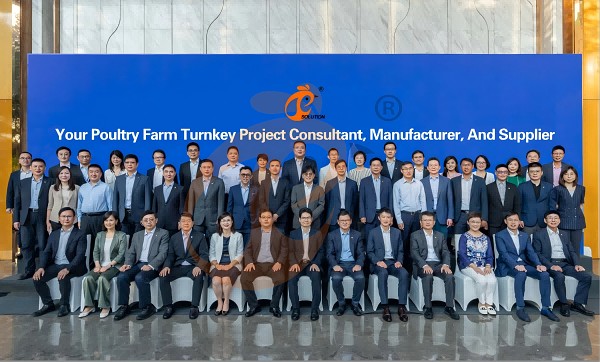
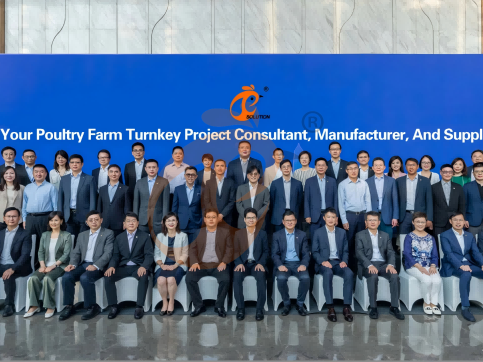
Hong Kong Headquarter Management Team
Hong Kong Headquarter Taiyu Industrial Group CO., LTD
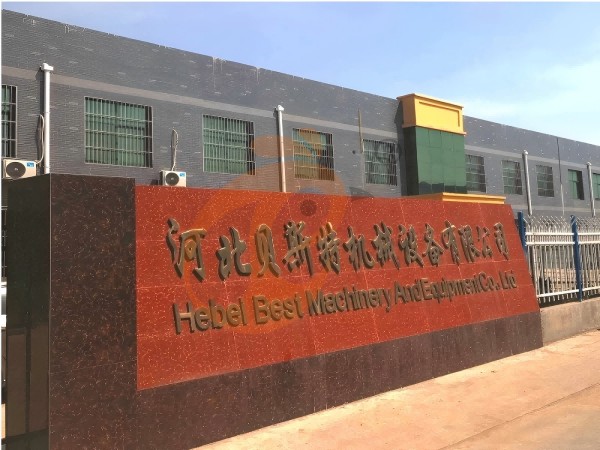
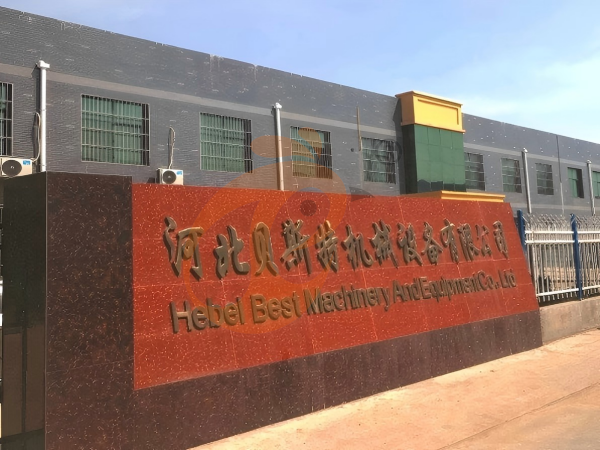
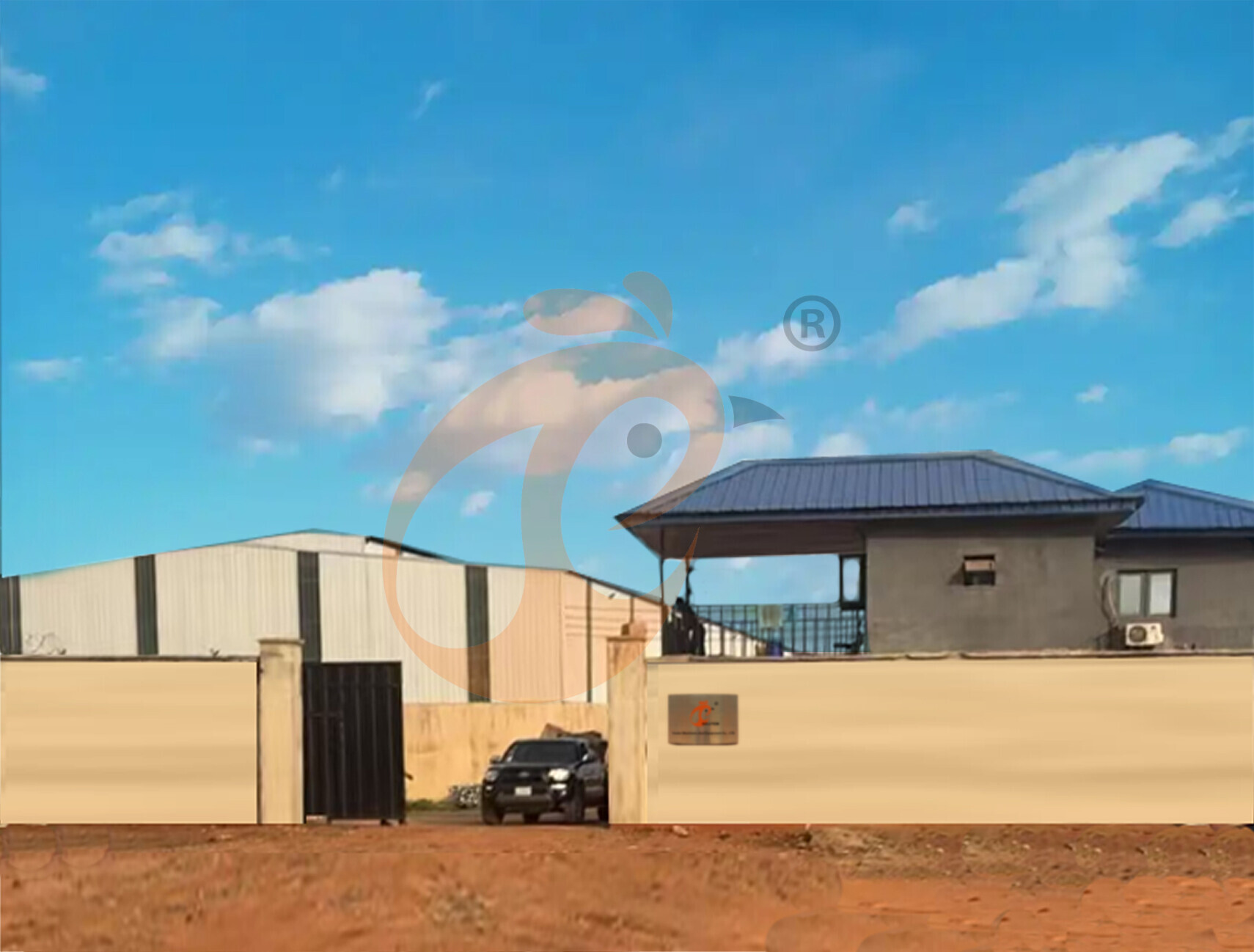
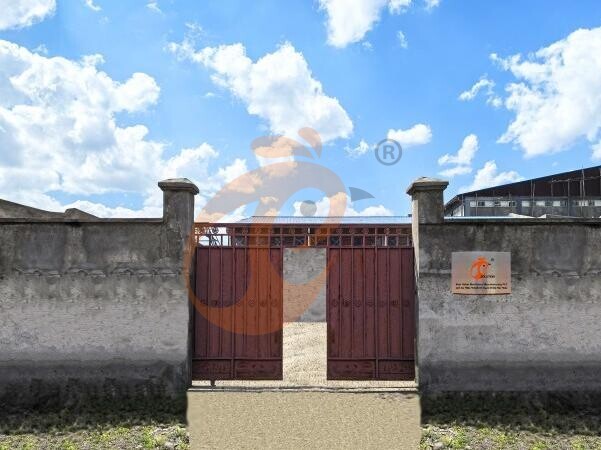
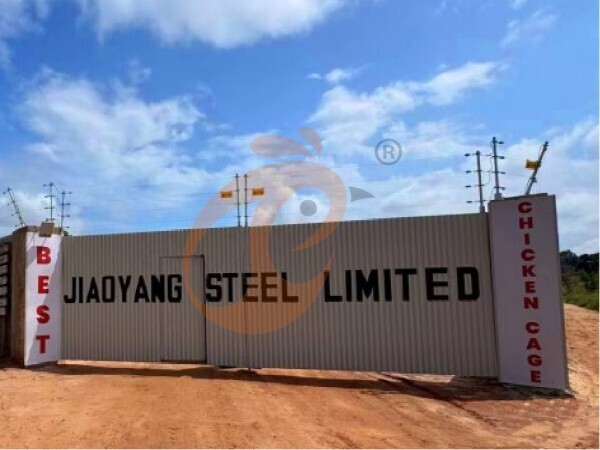
China Hebei Best Machinery And Equipment CO., LTD
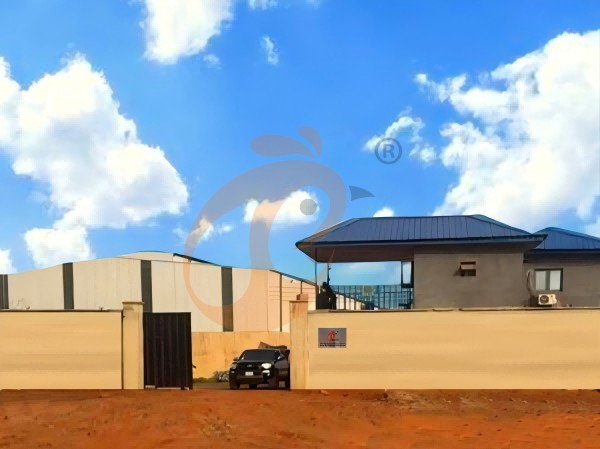
Nigeria Vanke Machinery And Equipment CO., LTD
Tanzania Best Machinery And Equipment CO., LTD
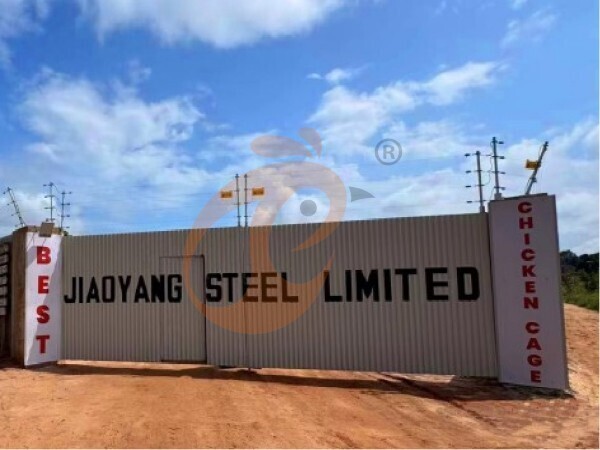
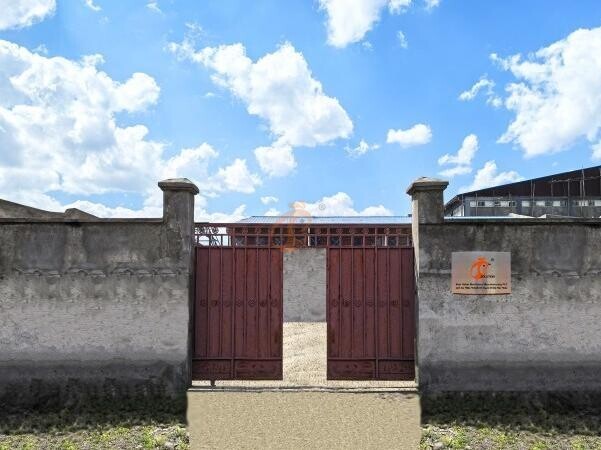
Ethiopia Best Hebei Machinery Manufacturing PLC
Reception /24 WhatsApp NO. : +8618830120193
FAQ
What Feeding System Standards Are Required For Pellet Machine In Poultry Chicken Feed Production Lines?
Feeder capacity is designed at 1.2–2.5 tons per hour depending on raw material density.
Flow consistency deviation is maintained within ±2% for uniform pellet quality output.
What Maintenance And Wear Part Replacement Standards Apply To Pellet Machine?
Bearing replacement intervals typically occur every 12–18 months under continuous operation.
Gearbox oil change frequency is maintained at 1000–1500 operating hours for system reliability.
What Safety Protection Systems Are Integrated In Pellet Machine For Poultry Chicken Feed Production?
Emergency stop response time is maintained within 0.5–1.0 seconds for operational safety.
Vibration monitoring limits are set at 4.5–6.0 mm/s to prevent mechanical failure.
Message
Products recommended
 HK Headquarter Offers EU-standard Poultry Farm Solutions, Manufacture Poultry Farm Equipment1. Continuous communication with the EU and the US
2. China, Nigeria, Ethiopia, Tanzania branch companies and factories
3. The products’ quality is customized for local poultry farms
4. Poultry cage and poultry farm equipment stock for sale
5. 24 online reception Whatsapp NO. : +8618830120193,contact us to get full informationRead More China Branch Offer Poultry Farm Business Plan, Manufacture Poultry Farm Equipment1. Address: Flat/RM 2416, 24/F, Runxing Building, Youyi Nan Street, Shijiazhuang City, Hebei Province, China
2. Poultry cage and poultry farm equipment factory and stock for sale
3. Customized for local poultry farms
4. Quality and design are based on Euro
5. 24 online reception Whatsapp NO. : +8618830120193Read More Nigeria Branch Offer Poultry Farm Business Plan, Manufacture Poultry Farm Equipment1. Address: After Sinoma Office, 200 Meters Near Danco Filling Station, Lagos/Ibadan Expressway, Lagos State, Nigeria
2. Poultry cage and poultry farm equipment factory and stock for sale
3. Customized for Nigerian poultry farms
4. Quality and design are based on Euro
5. 24 online reception Whatsapp NO. : +8618830120193Read More Ethiopia Branch Offer Poultry Farm Business Plan, Manufacture Poultry Farm Equipment1. Address: Gelan Gura, Akaki-kaliti Sub City, Addis Ababa, Ethiopia
2. Poultry cage and poultry farm equipment stock for sale
3. Customized for Ethiopian poultry farms
4. Quality and design are based on Euro
5. 24 online reception Whatsapp NO. : +8618830120193, contact us to get price listRead More Tanzania Branch Offer Poultry Farm Business Plan, Manufacture Poultry Farm Equipment1. Address: No.8, Sova Road, Msufini, Mlandizi, Kibaha, Pwani, Tanzania
2. Poultry cage and poultry farm equipment factory and stock for sale
3. Customized for Tanzanian poultry farms
4. Quality and design are based on Euro
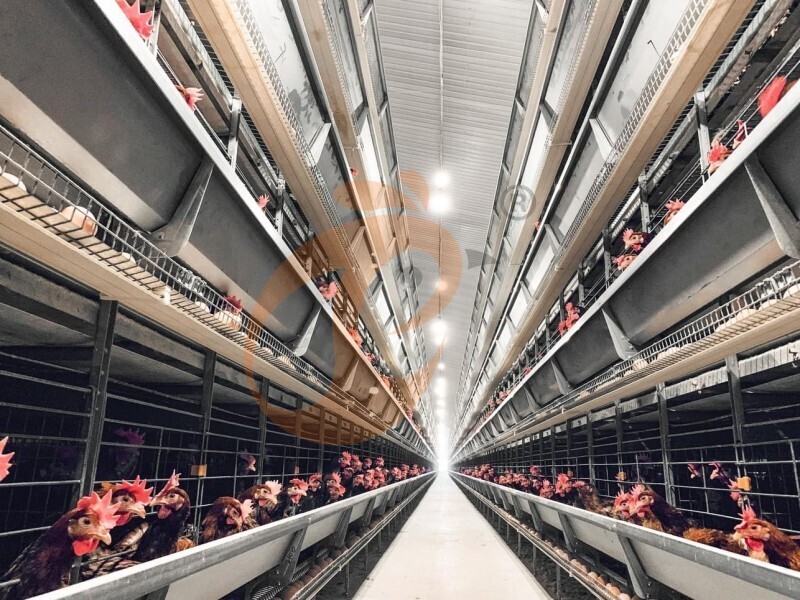
5. 24 online reception Whatsapp NO. : +8618830120193Read More Fully Automatic H Type Layer Chicken Cage1. 30,000-100,000+ layers/house chooses it, Poultry farmers can achieve an egg production rate of 96-98%
2. A significant improvement over the 85-90% typically seen in manual systems
3. A typical poultry farm can expect a 30-40% reduction in labor costs due to the automation
4. Each feeding line efficiently supplies feed to around 100,000 hens per 30 mins
5. Reception /WhatsApp NO. : +8618830120193Read More Fully Automatic A Type Layer Chicken Cage1. 10,000-50,000 layers/house chooses it
2. Cleaner egg collection reduces breakage by 0.5%
3. Improved hygiene helps reduce mortality rate to <3%
4. 1–2 technicians can handle 15,000–30,000 birds
5. Reception /WhatsApp NO. : +8618830120193Read More Semi Automatic H Type Layer Chicken Cage1. 1,00-20,000 layers/house chooses it
2. Nipple drinkers flow 30–60 ML / min
3. Hot-dip galvanized (typical coating ≥ 275 g/m²)
4. Reduce ammonia by ~ 35–40%
5. Reception /WhatsApp NO. : +8618830120193Read More Semi Automatic A Type Layer Chicken Cage1. 1,00-20,000 layers/house chooses it, no rust for 10 years, no deformation for 15 years
2. Chickens live comfortably, you can raise them with peace of mind
3. Save water, save money—efficiency you can measure
4. Improve environment quality, and increase egg production rate
5. Reception /WhatsApp NO. : +8618830120193Read More
By clicking 'Allow All', you agree to the storage of cookies on your device to enhance site navigation, analyze site usage and assist with our marketing efforts.