


Blog
- Layer battery cage selection affects durability, hygiene, automation, maintenance, and long-term production economics across commercial farms operating 72–90 weeks per cycle.
Hot-dip galvanized construction combines zinc protection with structural steel performance, supporting demanding poultry environments where moisture and manure remain present daily.
Painted alternatives can reduce upfront spending, while coating damage may create maintenance exposure during repeated washing, handling, and equipment adjustment.
Automated feeding, nipple drinking, manure removal, and egg collection require stable cage dimensions, accurate installation, and coordinated equipment interfaces throughout operation.
- Technical purchasing should therefore compare coating specifications, structural parameters, lifecycle requirements, and complete poultry equipment configuration before project investment decisions.
Get professional poultry farm construction guidance, equipment selection solutions, and the latest price lists, whatsApp to +8618830120193, +2348111199996, or click to learn more.
The 5-Year Question Every Layer Farm Should Ask
A layer battery cage operates around manure, ammonia, moisture, cleaning water, and continuous mechanical contact throughout production, with farms commonly planning 3–5 years of equipment utilization.
Hot-dip galvanized battery cage construction uses a fundamentally different corrosion-protection principle from painted steel, making coating technology an important specification when equipment remains installed through multiple flock rotations.
For projects involving 2–4 production cycles, galvanized poultry equipment can provide a more suitable long-term engineering approach than selecting equipment purely from initial purchase cost.
Technical Surface-Treatment Comparison
Data is for reference only.Swipe horizontally to view full table.
Hot-dip galvanized battery cage manufacturing creates an iron-zinc metallurgical bond during immersion, while painted layer battery cage systems depend primarily on external coating integrity.
For poultry equipment exposed to repeated contact, galvanized poultry equipment can maintain a more robust protection mechanism around bends, joints, fasteners, and working surfaces.
What Happens During Real Farm Operation?
A simple failure-path test
Painted layer battery cage
Surface damage → steel exposure → moisture contact → localized oxidation → coating deterioration → progressive rusting.
Hot-dip galvanized battery cage
Surface damage → surrounding zinc remains active → zinc provides cathodic protection → exposed steel receives additional protection.
Commercial cage doors can experience 8,000–15,000 opening cycles during prolonged operation, creating repeated mechanical contact at hinges, latches, and access points.
Pressure washing may operate around 50–80 bar, making coating adhesion and surface-treatment quality important considerations when specifying poultry equipment for intensive cleaning routines.
Corrosion-Environment Data For Layer Houses
Data is for reference only.Swipe horizontally to view full table.
A layer battery cage works inside an environment where ventilation performance can reach approximately 4–10 m³/h per kg live weight, depending on climate, housing design, and production stage.
Galvanized poultry equipment becomes particularly relevant when manure management creates prolonged organic deposits, while properly managed ventilation can reduce moisture accumulation during periods exceeding 70% indoor relative humidity.
The Welded-Joint Advantage: Look Beyond The Main Wire
A layer battery cage contains numerous welded intersections, and a large commercial installation may include several thousand weld points across complete rows, frames, doors, and accessories.
Those connections experience repeated structural loading during assembly, bird movement, feeding-system installation, manure equipment maintenance, and daily operator access.
Professional inspection should include four visual checkpoints covering weld consistency, edge finishing, alignment, and fastening condition before poultry equipment enters commercial operation.
A qualified supplier should provide technical drawings, material specifications, cage dimensions, and coordinated equipment documentation before manufacturing begins.
Structural Parameters Of Commercial Layer Battery Cages
Data is for reference only.Swipe horizontally to view full table.
Layer battery cage dimensions should correspond with bird breed, management standards, building geometry, and target stocking plans rather than relying on one universal configuration.
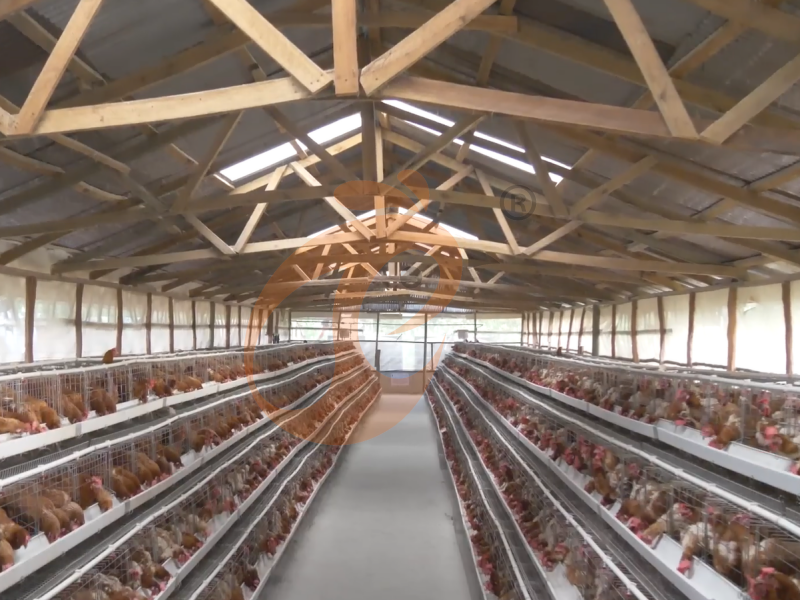
A commercial project accommodating 20,000–100,000 birds normally requires separate cage-row calculations, service corridors, equipment access, and house-layout coordination.
Our galvanized poultry equipment can therefore be configured according to project capacity, building dimensions, automation requirements, and operational workflow.
Why Galvanized Steel Fits Automated Production
Follow the production flow
Feed silo
↓
Automatic feeding line
↓
Layer battery cage
↓
Nipple drinking system
↓
Manure removal
↓
Automatic egg collection
↓
Egg handling and packing
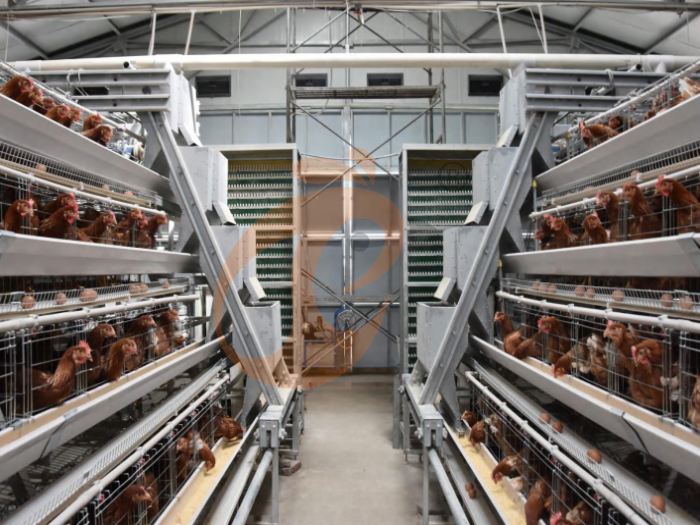
A complete automated layer battery cage project can incorporate multiple independent drive units, depending on house length, row quantity, manure handling, and egg-transfer configuration.
Galvanized poultry equipment must maintain accurate interfaces with feeders, drinkers, manure belts, and egg conveyors, because misalignment can affect installation efficiency and subsequent servicing.
For larger poultry houses, integrated equipment planning can coordinate four major automation subsystems within one production workflow, reducing fragmented procurement and compatibility problems.
Maintenance And Lifecycle Cost Data
Data is for reference only.Swipe horizontally to view full table.
A layer battery cage installed in a farm operating 365 days annually requires maintenance planning that accounts for washing schedules, inspection access, and replacement logistics.
Galvanized poultry equipment can simplify localized maintenance planning when structural surfaces remain protected without requiring routine full-surface repainting.
Lifecycle evaluation should also include downtime, technician access, spare components, cleaning labor, and production continuity rather than focusing only on equipment purchase documentation.
The Economics: Buy Cheap Or Buy Once?
Scenario thinking
Option A — lower initial equipment price
A painted layer battery cage may reduce initial capital requirements, which can matter for smaller projects or farms operating under strict construction budgets.
Option B — long-term equipment investment
A hot-dip galvanized battery cage places greater emphasis on corrosion protection and lifecycle performance, particularly where equipment is expected to remain operational across three or more flock rotations.
For example, a farm operating 8 houses with 12,000 layers per house supports approximately 96,000 birds, making repeated maintenance activities more significant at project scale.
Commercial poultry equipment should therefore be evaluated through capital expenditure, maintenance exposure, installation labor, and future expansion requirements.
Service-Life Factors: What Actually Determines Longevity?
Data is for reference only.Swipe horizontally to view full table.
Layer battery cage longevity depends on steel quality, fabrication accuracy, welding, fasteners, installation, cleaning practice, and environmental management.
A cage supporting birds averaging 2.0–2.5 kg live weight requires structural calculations that reflect actual bird weight and equipment loading rather than nominal capacity alone.
Professional poultry equipment selection should therefore verify engineering documents before comparing supplier quotations or project prices.
What Should A Professional Supplier Provide?
Data is for reference only.Swipe horizontally to view full table.
A professional layer battery cage supplier should define technical scope before production, including house length, house width, bird capacity, tier arrangement, and service-access requirements.
A complete poultry equipment quotation should identify feeding, drinking, manure, egg collection, ventilation interfaces, installation responsibilities, and commissioning requirements.
Turn-key project planning can reduce coordination gaps by keeping cage design and auxiliary equipment specifications within one engineering framework.
Final Verdict: Hot-Dip Galvanized Is The Long-Term Choice
Data is for reference only.Swipe horizontally to view full table.
A hot-dip galvanized battery cage generally offers a more durable corrosion-protection strategy for commercial layer production than conventional painted construction.
For farms planning 72–90-week production cycles, coating selection should be evaluated together with structural engineering, automation configuration, cleaning procedures, and replacement planning.
Galvanized poultry equipment becomes especially attractive when the project requires integrated feeding, drinking, manure removal, egg collection, and long-term operational stability.
Frequently Asked Questions
Q1: What makes a hot-dip galvanized battery cage more durable?
A1: A hot-dip galvanized battery cage combines zinc protection with steel construction, while sacrificial protection helps address localized surface damage.
Commercial farms can further improve equipment longevity through appropriate ventilation, controlled washing, and regular inspection every 6–12 months.
Q2: Is a painted battery cage suitable for commercial layer farms?
A2: A painted layer battery cage can be suitable when environmental exposure and project requirements are controlled.
However, repeated washing, mechanical contact, and coating damage should be included in maintenance planning, particularly across multiple production cycles.
Q3: Should cage coating be considered separately from automation?
A3: No.A galvanized poultry equipment system should be evaluated together with feeding, nipple drinking, manure removal, and egg collection because structural alignment directly affects integrated equipment installation.
Taiyu (HK) Group - One Of China Toppest Layer Battery Cage Manufacturer
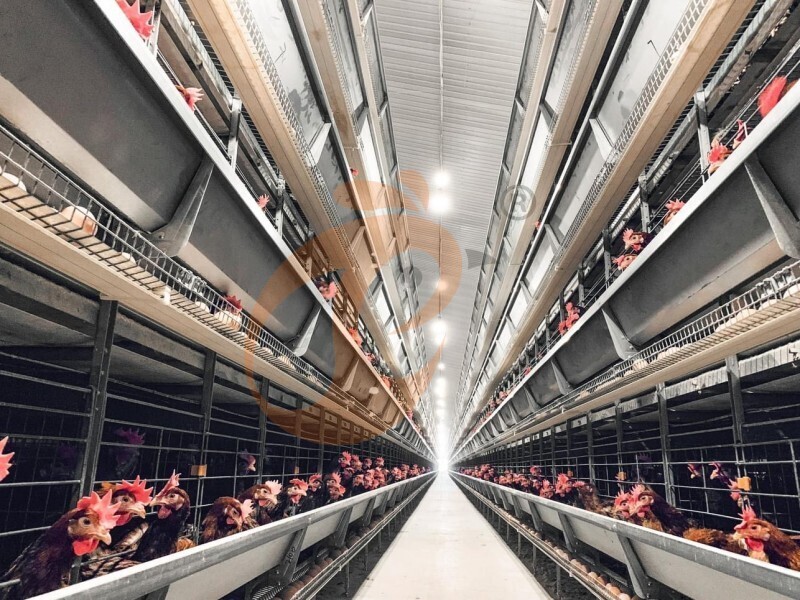
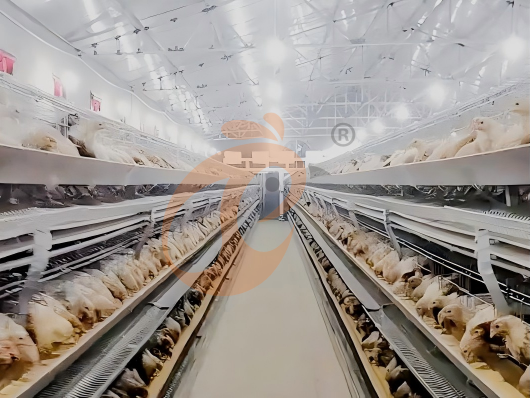
Layer battery cage systems use engineered galvanized steel construction, configurable tier arrangements, and integrated interfaces for commercial layer production projects.
Global factory-direct poultry equipment supply combines cage systems with feeding, drinking, manure removal, egg collection, ventilation, and electrical control specifications.
Turn-key engineering coordinates house layout, equipment configuration, manufacturing, shipment, installation guidance, commissioning, and project documentation through one technical workflow.
International project support covers commercial farms requiring scalable poultry equipment, customized cage layouts, production-capacity calculations, and coordinated automation integration.
Factory engineering teams provide specification-based equipment proposals for projects ranging from compact layer houses to large multi-house commercial installations.
Contact Us To Received Your Customized Poultry Farm Plan
Headquarters And Branchs

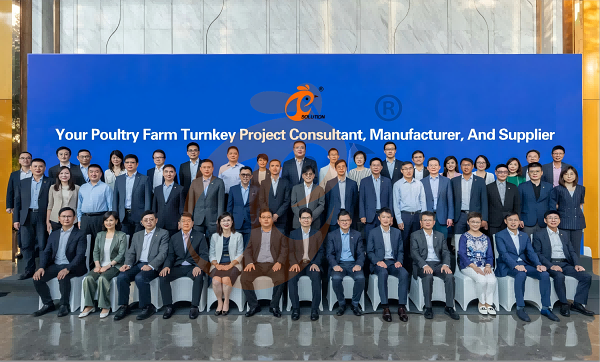
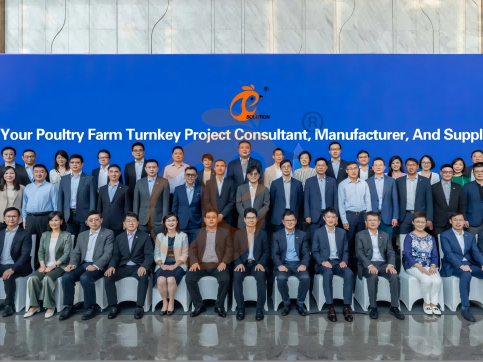
Hong Kong Headquarter Management Team
Hong Kong Headquarter Taiyu Industrial Group CO., LTD
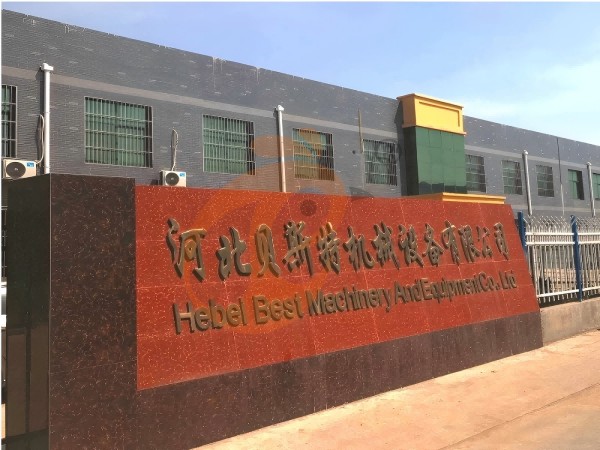
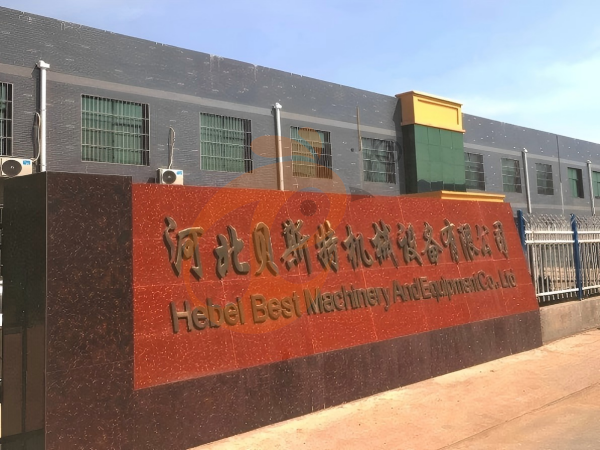
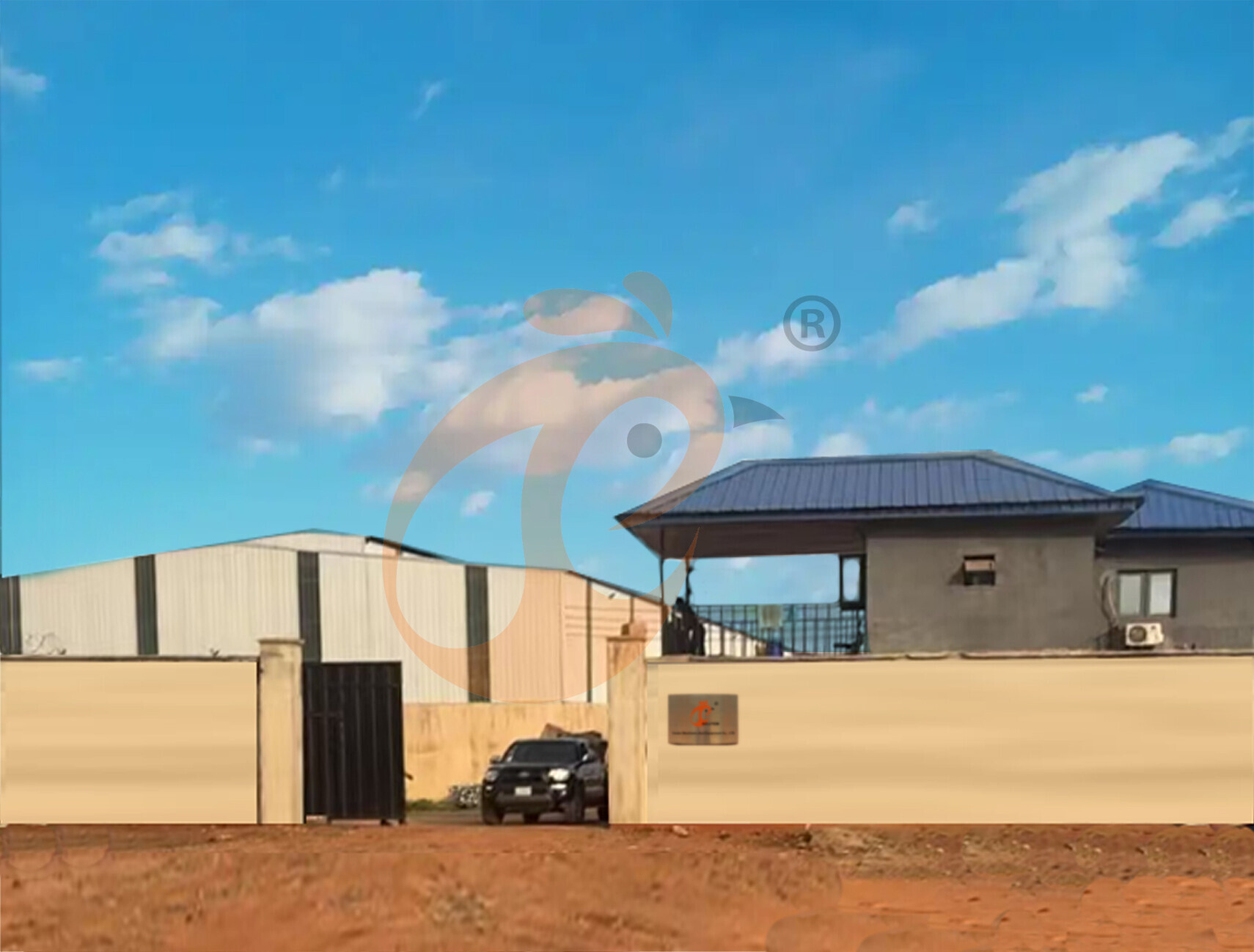
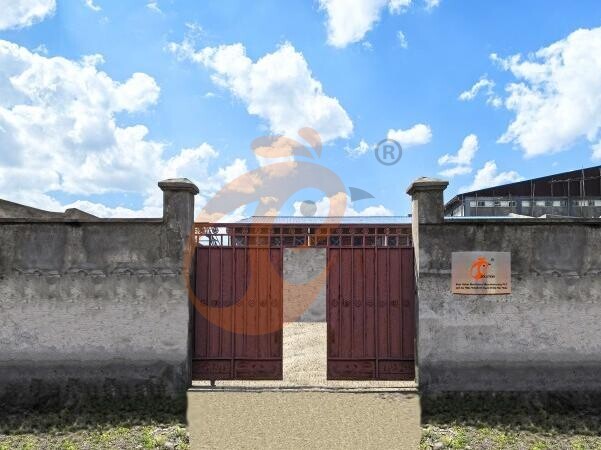
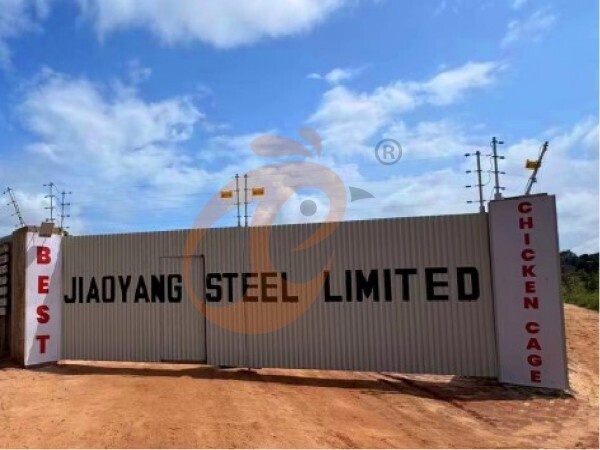
China Hebei Best Machinery And Equipment CO., LTD
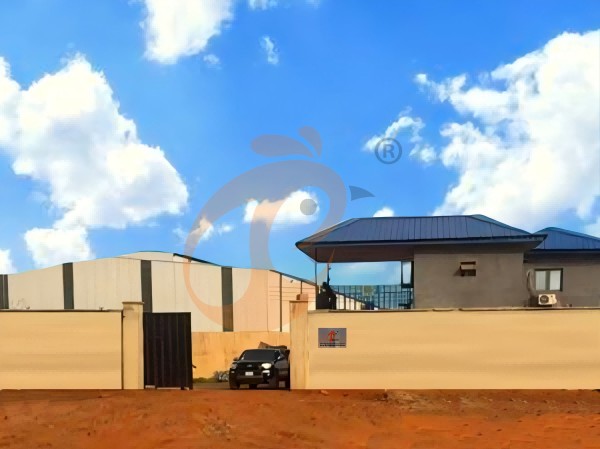
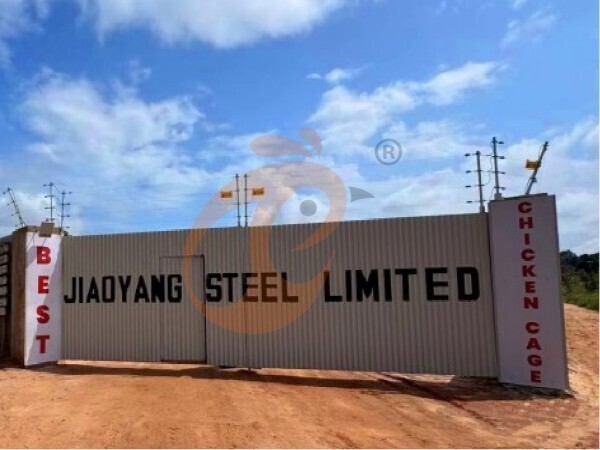
Nigeria Vanke Machinery And Equipment CO., LTD
Tanzania Best Machinery And Equipment CO., LTD
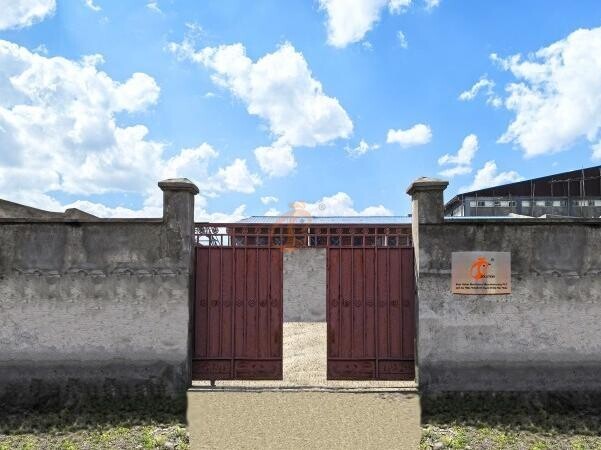
Ethiopia Best Hebei Machinery Manufacturing PLC
Reception /24 WhatsApp NO. : +8618830120193
FAQ
What Are The Ultimate Recommendations For Layer Cage Health And Hygiene Management?
Regular vaccination, mortality 2–3%, breakage rate <3%.
Good ventilation and temperature/humidity control reduce bird stress.
How To Buy The Best Chicken Cage Systems For Multi-Layer Commercial Farms?
Automatic feeding, drinking, egg collection, and manure cleaning ensure stable production.
Egg production rate: 90–98%, FCR 1.9–2.1, labor savings: 70-90%.
What Are The Advanced Professional Tips For Battery Cage System Efficiency?
Regularly monitor egg production and mortality, adjust lighting and ventilation.
Automation can save up to 70-90% labor, maintaining egg production rate at 90–98%.
- poultry equipment
- poultry farm
- battery cage
- poultry farm
- poultry farm construction
- battery cage manufacturer
- battery cage system
- battery cage dimensions
- poultry equipment quotation
- battery cage
- layer farm
- poultry house
- battery cage supplier
- galvanized battery cage
- layer battery cage
- Ethiopia
- Nigeria
Message
Products recommended
 HK Headquarter Offers EU-standard Poultry Farm Solutions, Manufacture Poultry Farm Equipment1. Continuous communication with the EU and the US
2. China, Nigeria, Ethiopia, Tanzania branch companies and factories
3. The products’ quality is customized for local poultry farms
4. Poultry cage and poultry farm equipment stock for sale
5. 24 online reception Whatsapp NO. : +8618830120193,contact us to get full informationRead More China Branch Offer Poultry Farm Business Plan, Manufacture Poultry Farm Equipment1. Address: Flat/RM 2416, 24/F, Runxing Building, Youyi Nan Street, Shijiazhuang City, Hebei Province, China
2. Poultry cage and poultry farm equipment factory and stock for sale
3. Customized for local poultry farms
4. Quality and design are based on Euro
5. 24 online reception Whatsapp NO. : +8618830120193Read More Nigeria Branch Offer Poultry Farm Business Plan, Manufacture Poultry Farm Equipment1. Address: After Sinoma Office, 200 Meters Near Danco Filling Station, Lagos/Ibadan Expressway, Lagos State, Nigeria
2. Poultry cage and poultry farm equipment factory and stock for sale
3. Customized for Nigerian poultry farms
4. Quality and design are based on Euro
5. 24 online reception Whatsapp NO. : +8618830120193Read More Ethiopia Branch Offer Poultry Farm Business Plan, Manufacture Poultry Farm Equipment1. Address: Gelan Gura, Akaki-kaliti Sub City, Addis Ababa, Ethiopia
2. Poultry cage and poultry farm equipment stock for sale
3. Customized for Ethiopian poultry farms
4. Quality and design are based on Euro
5. 24 online reception Whatsapp NO. : +8618830120193, contact us to get price listRead More Tanzania Branch Offer Poultry Farm Business Plan, Manufacture Poultry Farm Equipment1. Address: No.8, Sova Road, Msufini, Mlandizi, Kibaha, Pwani, Tanzania
2. Poultry cage and poultry farm equipment factory and stock for sale
3. Customized for Tanzanian poultry farms
4. Quality and design are based on Euro
5. 24 online reception Whatsapp NO. : +8618830120193Read More Fully Automatic H Type Layer Chicken Cage1. 30,000-100,000+ layers/house chooses it, Poultry farmers can achieve an egg production rate of 96-98%
2. A significant improvement over the 85-90% typically seen in manual systems
3. A typical poultry farm can expect a 30-40% reduction in labor costs due to the automation
4. Each feeding line efficiently supplies feed to around 100,000 hens per 30 mins
5. Reception /WhatsApp NO. : +8618830120193Read More Fully Automatic A Type Layer Chicken Cage1. 10,000-50,000 layers/house chooses it
2. Cleaner egg collection reduces breakage by 0.5%
3. Improved hygiene helps reduce mortality rate to <3%
4. 1–2 technicians can handle 15,000–30,000 birds
5. Reception /WhatsApp NO. : +8618830120193Read More Semi Automatic H Type Layer Chicken Cage1. 1,00-20,000 layers/house chooses it
2. Nipple drinkers flow 30–60 ML / min
3. Hot-dip galvanized (typical coating ≥ 275 g/m²)
4. Reduce ammonia by ~ 35–40%
5. Reception /WhatsApp NO. : +8618830120193Read More Semi Automatic A Type Layer Chicken Cage1. 1,00-20,000 layers/house chooses it, no rust for 10 years, no deformation for 15 years
2. Chickens live comfortably, you can raise them with peace of mind
3. Save water, save money—efficiency you can measure
4. Improve environment quality, and increase egg production rate
5. Reception /WhatsApp NO. : +8618830120193Read More
By clicking 'Allow All', you agree to the storage of cookies on your device to enhance site navigation, analyze site usage and assist with our marketing efforts.