


Blog
Modern poultry farm investment requires accurate calculation of poultry cage system expenditure, poultry house engineering cost, automatic feeding equipment budget, and ventilation infrastructure planning.
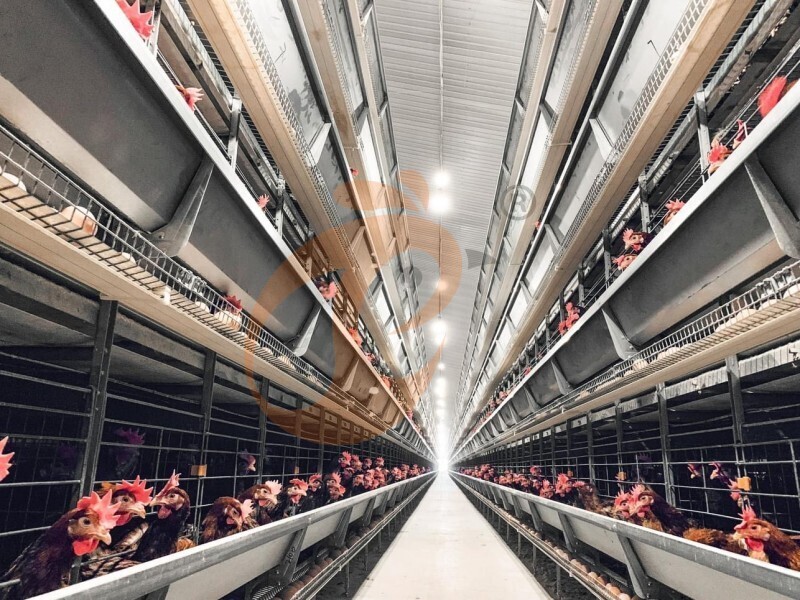
Commercial layer cage systems influence stocking density, egg production stability, labor efficiency, manure management capacity, and long-term maintenance expenditure.
Battery cage system selection directly affects operational electricity consumption, feed conversion ratio, mortality rate, and annual equipment depreciation performance.
Chicken cage equipment investment for 10,000 to 50,000 birds normally represents 28%–42% of total poultry project expenditure under industrial farming conditions.
Scientific poultry equipment budgeting improves farm profitability, construction efficiency, production sustainability, and future poultry farming expansion capability.
Get professional poultry farm construction guidance, equipment selection solutions, and the latest price lists, whatsApp to +8618830120193, +2348111199996, or click to learn more.
Calculate Poultry Cage Cost Based On Bird Quantity
Commercial poultry farms normally calculate cage investment according to total bird capacity and automation level.
Large-scale poultry farming projects usually achieve lower average equipment cost per bird position because transportation and installation efficiency improve significantly.
Data is for reference only.Swipe horizontally to view full table.
Under current steel market conditions, such a project may require an equipment budget between $145,000 and $238,000 depending on automation configuration. European union standard reference only.
Calculate Cost According To Cage Material Thickness And Surface Treatment
Steel quality and galvanization treatment directly influence poultry cage lifespan and corrosion resistance performance.
Industrial poultry houses operating under high humidity conditions usually require heavy zinc coating protection to reduce long-term structural deformation risk.
Data is for reference only.Swipe horizontally to view full table.
For tropical poultry farms where relative humidity remains above 75% most of the year, zinc-aluminum alloy cages often provide better economic value despite higher initial cost because replacement frequency decreases significantly.
Calculate Poultry Cage Cost Based On Automation Systems
Automatic poultry equipment systems improve production efficiency while reducing labor requirement and feed waste.
Commercial poultry farms increasingly use automatic feeding, egg collection, and manure removal systems to improve operational stability.
Data is for reference only.Swipe horizontally to view full table.
A poultry farm with 50,000 laying hens using automatic systems may save approximately 4,200–6,000 labor hours annually compared with manual management.
Electricity consumption for automatic layer cage systems normally remains between 0.08–0.15 kwh per bird monthly under stable operating conditions.
Include Poultry House Dimensions In Cage Cost Calculation
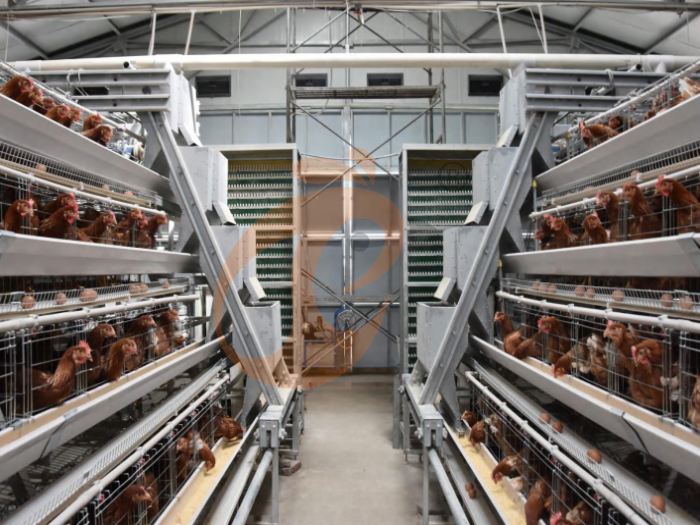
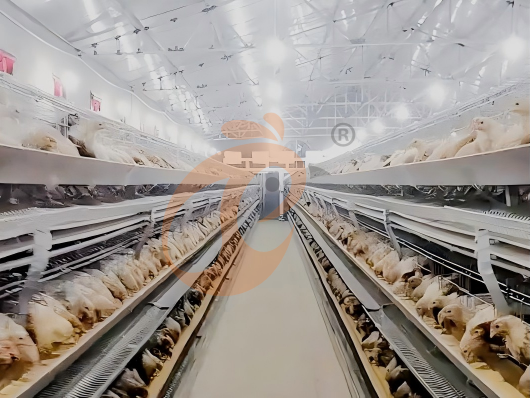
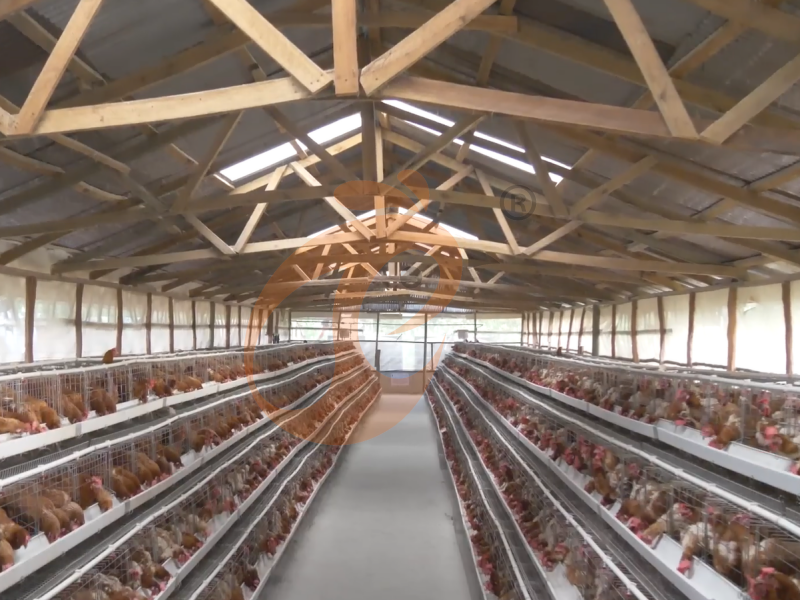
Poultry cage arrangement must match poultry house dimensions, airflow direction, and equipment maintenance spacing.
Improper building layout may reduce ventilation efficiency and increase internal heat accumulation during summer production seasons.
Data is for reference only.Swipe horizontally to view full table.
Good poultry house design improves airflow distribution efficiency by approximately 22%–31%, helping maintain stable internal temperature and reducing ammonia accumulation.
Scientific Explanation: Why Cage Ventilation Directly Influences Production Cost
Ventilation directly affects poultry house temperature, ammonia concentration, and flock respiratory health stability.
Scientific poultry farming systems integrate airflow engineering with cage spacing and manure belt positioning to improve production performance.
Scientific monitoring shows that when poultry house temperature rises above 30°c, laying hens may consume 7%–12% less feed while egg shell quality declines significantly because calcium metabolism becomes unstable.
Meanwhile, ammonia concentration above 25 ppm increases respiratory disease risk and reduces feed conversion efficiency.
Modern cage systems therefore integrate airflow engineering with cage row spacing, manure belt positioning, and sidewall ventilation design.
Tunnel ventilation poultry house systems currently achieve air velocity between 2.0–3.2 m/s in industrial poultry farms operating in tropical climate regions.
Include Transportation And Container Loading Cost
Transportation cost strongly influences total poultry cage project investment under international shipping conditions.
Container loading efficiency helps reduce average shipping expenditure per bird position for commercial poultry farming projects.
Data is for reference only.Swipe horizontally to view full table.
For a 30,000-bird poultry project, improving container loading efficiency may reduce shipping cost by approximately $0.12–$0.28 per bird position.
European union standard reference only.
Common Hidden Costs In Poultry Cage Projects
Commercial poultry farms require additional engineering systems beyond poultry cage structures and feeding equipment.
Environmental control systems and emergency electricity backup equipment become increasingly important in industrial poultry farming projects above 20,000 birds.
Data is for reference only.Swipe horizontally to view full table.
A power outage lasting more than 45 minutes during extreme summer temperatures can cause severe poultry stress and significant production losses.
How Poultry Density Influences Cage Economics
Bird stocking density directly affects feed conversion ratio, airflow movement, and poultry flock management efficiency.
Commercial poultry farming research indicates appropriate stocking density improves egg production consistency and reduces aggressive flock behavior.
Data is for reference only.Swipe horizontally to view full table.
Maintaining proper cage density helps reduce aggressive pecking behavior and improves production uniformity across the flock.
Long-Term Maintenance Cost Matters
Preventive maintenance planning significantly improves poultry equipment lifespan and operational reliability.
Automatic poultry cage systems normally require scheduled inspection of conveyor chains, motors, bearings, and nipple drinking lines.
Data is for reference only.Swipe horizontally to view full table.
Preventive maintenance schedules greatly extend equipment lifespan and reduce production interruptions during peak laying periods.
Climate Conditions Affect Poultry Cage Selection
Climate conditions directly influence poultry cage coating selection, ventilation engineering design, and cooling system configuration.
Professional poultry farming facilities operating in coastal and tropical regions usually require stronger anti-corrosion protection systems.
Data is for reference only.Swipe horizontally to view full table.
Selecting suitable cage treatment for local climate significantly improves long-term investment return.
Future Expansion Planning Reduces Reconstruction Cost
Professional poultry investors usually reserve future expansion capacity during initial engineering construction stages.
Future-proof poultry farm planning improves infrastructure scalability and reduces reconstruction expenditure during capacity expansion projects.
For example, increasing transformer capacity during initial construction may add only 6%–9% to electrical installation cost but can avoid major reconstruction expenses during future farm expansion.
European union standard reference only.
Farmers who design scalable poultry infrastructure generally achieve lower long-term construction cost per bird.
Frequently Asked Questions
Q1: What is the average poultry cage investment for 10,000 layers?
A1: A standard 10,000-layer poultry farming project using semi-automatic layer cage equipment normally requires $38,000–$85,000 for cage systems, feeding lines, drinking systems, and manure removal equipment.
Project expenditure changes according to galvanization treatment, automation configuration, poultry house structure, and shipping distance.
Q2: Which poultry cage material provides better long-term economic value?
A2: Hot-dip galvanized and zinc-aluminum alloy cage systems usually provide stronger long-term economic performance because corrosion resistance remains stable under high humidity and ammonia exposure conditions.
Commercial poultry farms operating continuously for more than 10 years generally achieve lower replacement frequency using heavy zinc coating structures.
Q3: How can poultry farms reduce cage system operational cost?
A3: Automatic feeding systems, proper ventilation engineering, preventive maintenance schedules, and optimized bird stocking density help reduce electricity consumption, labor expenditure, and feed waste.
Commercial poultry farms using automatic egg collection systems commonly reduce egg breakage losses below 1% during peak laying periods.
Taiyu (HK) Group - One Of China Biggest Poultry Cage Exporter
Advanced layer cage equipment designed for commercial poultry farming projects between 5,000 and 100,000 birds capacity worldwide.
Professional poultry equipment factory direct sales supporting customized battery cage system production and industrial poultry farm engineering solutions.
Turn-key poultry farming project services including poultry house design, automatic feeding systems, ventilation equipment, and installation guidance support.
Hot-dip galvanized poultry cage manufacturing technology supporting long service life under tropical climate and high humidity farming environments.
Global poultry farming equipment export experience covering Africa, Southeast Asia, Middle East, and large-scale commercial egg production projects.
Contact Us To Received Your Customized Poultry Farm Plan
Headquarters And Branchs

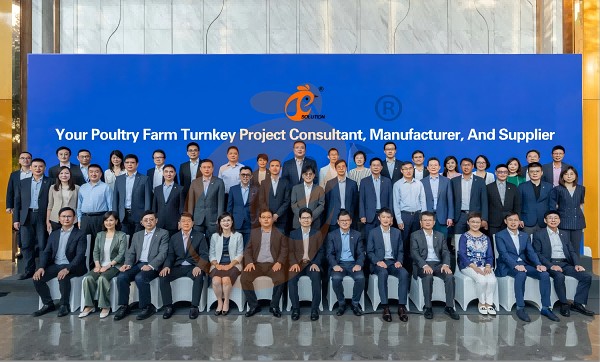
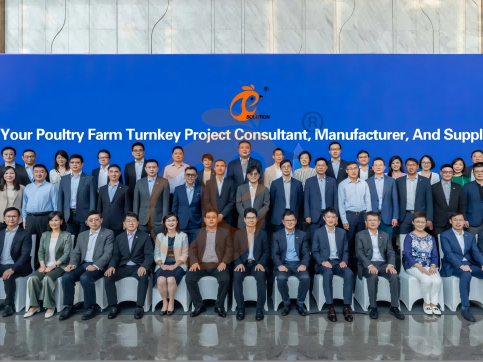
Hong Kong Headquarter Management Team
Hong Kong Headquarter Taiyu Industrial Group CO., LTD
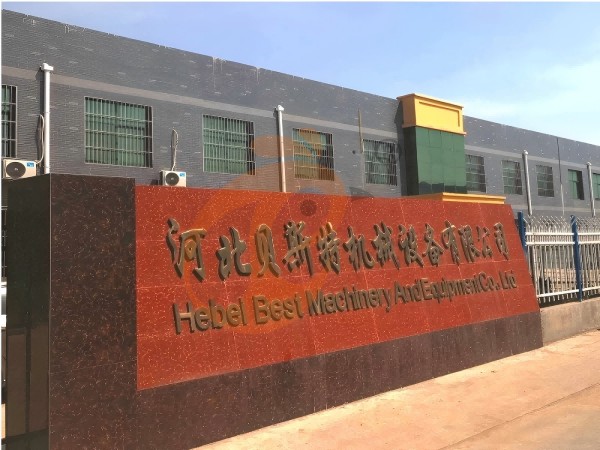
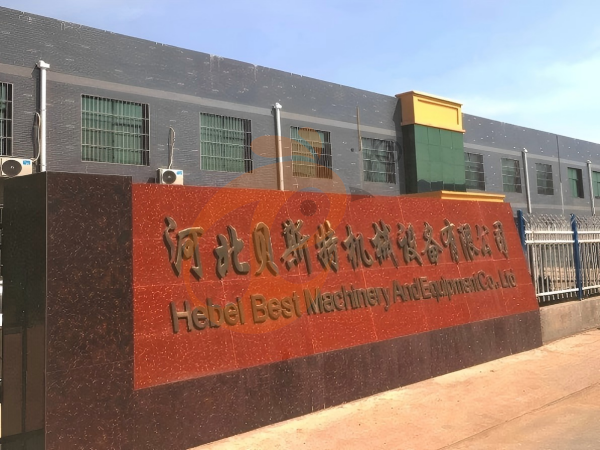
China Hebei Best Machinery And Equipment CO., LTD
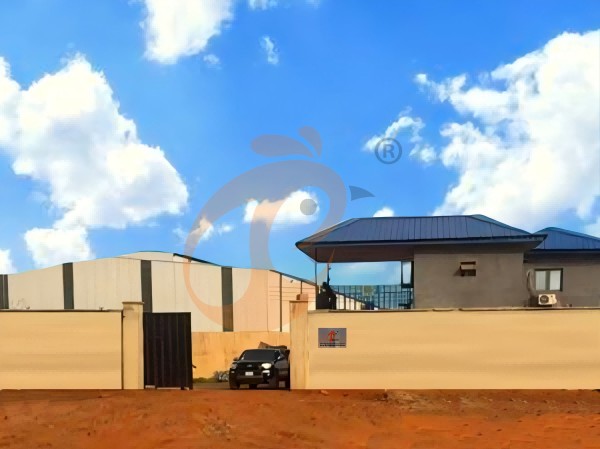
Nigeria Vanke Machinery And Equipment CO., LTD
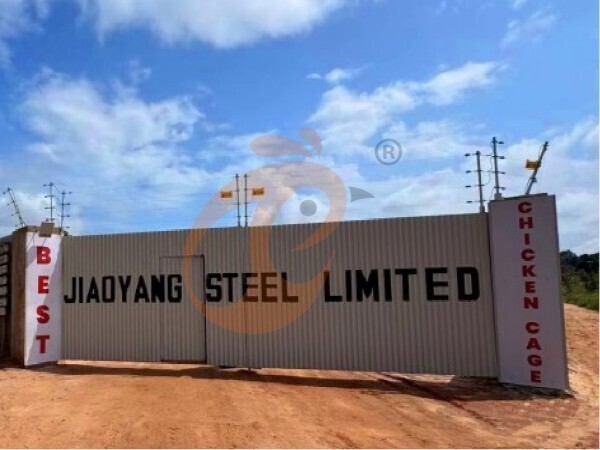
Tanzania Best Machinery And Equipment CO., LTD
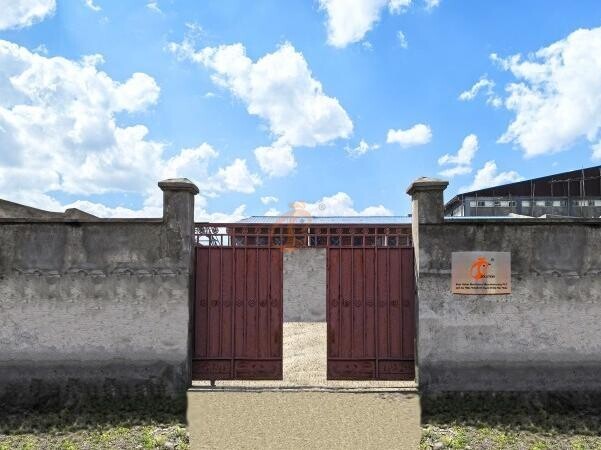
Ethiopia Best Hebei Machinery Manufacturing PLC
Reception /24 WhatsApp NO. : +8618830120193
FAQ
How To Optimize Light And Dark Cycles For Maximum Egg Production?
Distribute light evenly, avoiding intense light or shadows.
Combined with automatic feeding and drinking systems, egg production increases 2–3%, breakage <1%.
What Are The Professional Guidelines For Layer Cage Farm Cleaning And Biosecurity?
Disinfect cage surfaces and aisles weekly to reduce disease spread.
With health monitoring, egg production 90–98%, mortality 2–3%.
How To Choose The Right Chicken Cage Manufacturer For Long-Term ROI?
Check steel, anti-corrosion coating, and durability of egg systems.
Price $10–$18 per bird, payback 24–36 months, ROI can increase 20–25%.
- poultry equipment
- chicken cage
- layer cage
- broiler cage
- poultry farm
- feeding equipment
- poultry cage
- battery cage
- poultry farm
- poultry farm construction
- battery cage system
- layer cage system
- automatic layer cage
- chicken cage equipment
- poultry cage exporter
- automatic poultry cage
- galvanized poultry cage
- poultry cage cost
- automatic poultry equipment
- poultry equipment factory
- battery cage
- automatic feeding system
- poultry house
- broiler cage system
- poultry farming system
- automatic poultry cage system
- poultry cage system
- poultry farming equipment
- poultry house design
- poultry house system
- poultry farm investment
- automatic feeding equipment
- poultry house dimensions
- Ethiopia
- Nigeria
Message
Products recommended
 HK Headquarter Offers EU-standard Poultry Farm Solutions, Manufacture Poultry Farm Equipment1. Continuous communication with the EU and the US
2. China, Nigeria, Ethiopia, Tanzania branch companies and factories
3. The products’ quality is customized for local poultry farms
4. Poultry cage and poultry farm equipment stock for sale
5. 24 online reception Whatsapp NO. : +8618830120193,contact us to get full informationRead More China Branch Offer Poultry Farm Business Plan, Manufacture Poultry Farm Equipment1. Address: Flat/RM 2416, 24/F, Runxing Building, Youyi Nan Street, Shijiazhuang City, Hebei Province, China
2. Poultry cage and poultry farm equipment factory and stock for sale
3. Customized for local poultry farms
4. Quality and design are based on Euro
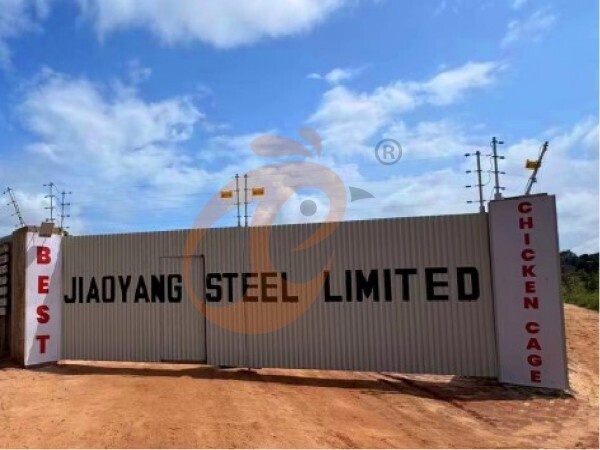
5. 24 online reception Whatsapp NO. : +8618830120193Read More Nigeria Branch Offer Poultry Farm Business Plan, Manufacture Poultry Farm Equipment1. Address: After Sinoma Office, 200 Meters Near Danco Filling Station, Lagos/Ibadan Expressway, Lagos State, Nigeria
2. Poultry cage and poultry farm equipment factory and stock for sale
3. Customized for Nigerian poultry farms
4. Quality and design are based on Euro
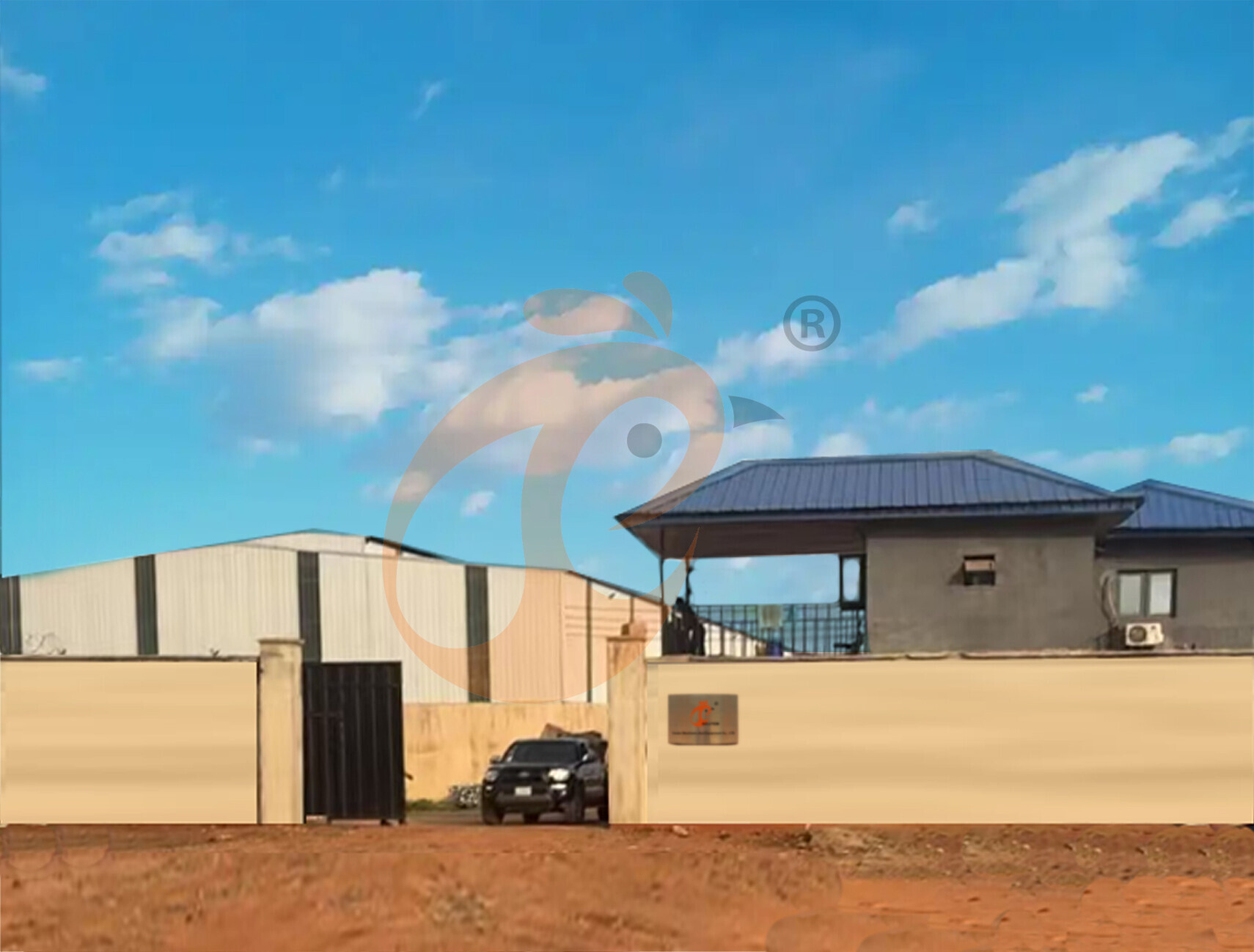
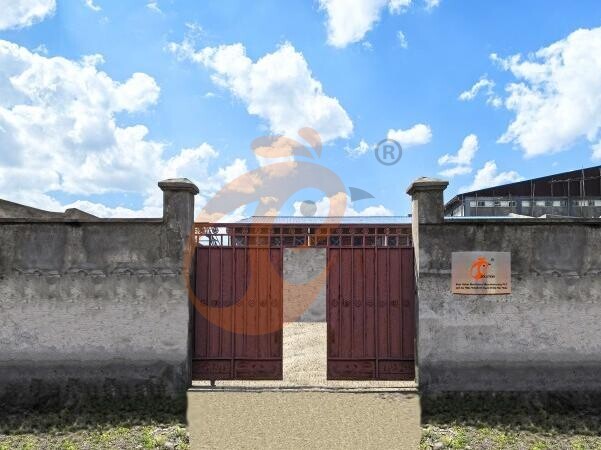
5. 24 online reception Whatsapp NO. : +8618830120193Read More Ethiopia Branch Offer Poultry Farm Business Plan, Manufacture Poultry Farm Equipment1. Address: Gelan Gura, Akaki-kaliti Sub City, Addis Ababa, Ethiopia
2. Poultry cage and poultry farm equipment stock for sale
3. Customized for Ethiopian poultry farms
4. Quality and design are based on Euro
5. 24 online reception Whatsapp NO. : +8618830120193, contact us to get price listRead More Tanzania Branch Offer Poultry Farm Business Plan, Manufacture Poultry Farm Equipment1. Address: No.8, Sova Road, Msufini, Mlandizi, Kibaha, Pwani, Tanzania
2. Poultry cage and poultry farm equipment factory and stock for sale
3. Customized for Tanzanian poultry farms
4. Quality and design are based on Euro
5. 24 online reception Whatsapp NO. : +8618830120193Read More Fully Automatic H Type Layer Chicken Cage1. 30,000-100,000+ layers/house chooses it, Poultry farmers can achieve an egg production rate of 96-98%
2. A significant improvement over the 85-90% typically seen in manual systems
3. A typical poultry farm can expect a 30-40% reduction in labor costs due to the automation
4. Each feeding line efficiently supplies feed to around 100,000 hens per 30 mins
5. Reception /WhatsApp NO. : +8618830120193Read More Fully Automatic A Type Layer Chicken Cage1. 10,000-50,000 layers/house chooses it
2. Cleaner egg collection reduces breakage by 0.5%
3. Improved hygiene helps reduce mortality rate to <3%
4. 1–2 technicians can handle 15,000–30,000 birds
5. Reception /WhatsApp NO. : +8618830120193Read More Semi Automatic H Type Layer Chicken Cage1. 1,00-20,000 layers/house chooses it
2. Nipple drinkers flow 30–60 ML / min
3. Hot-dip galvanized (typical coating ≥ 275 g/m²)
4. Reduce ammonia by ~ 35–40%
5. Reception /WhatsApp NO. : +8618830120193Read More Semi Automatic A Type Layer Chicken Cage1. 1,00-20,000 layers/house chooses it, no rust for 10 years, no deformation for 15 years
2. Chickens live comfortably, you can raise them with peace of mind
3. Save water, save money—efficiency you can measure
4. Improve environment quality, and increase egg production rate
5. Reception /WhatsApp NO. : +8618830120193Read More
By clicking 'Allow All', you agree to the storage of cookies on your device to enhance site navigation, analyze site usage and assist with our marketing efforts.