


Blog
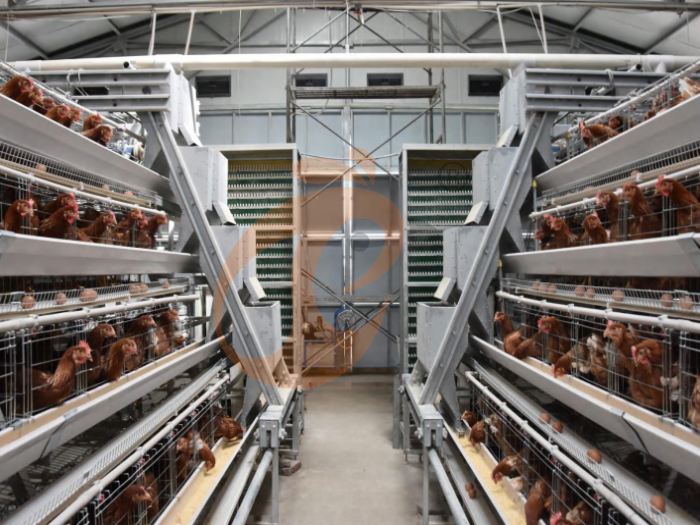
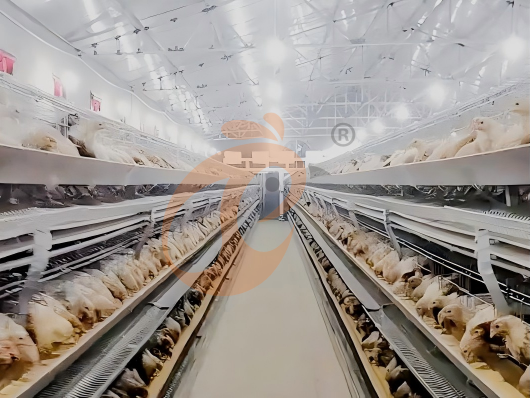
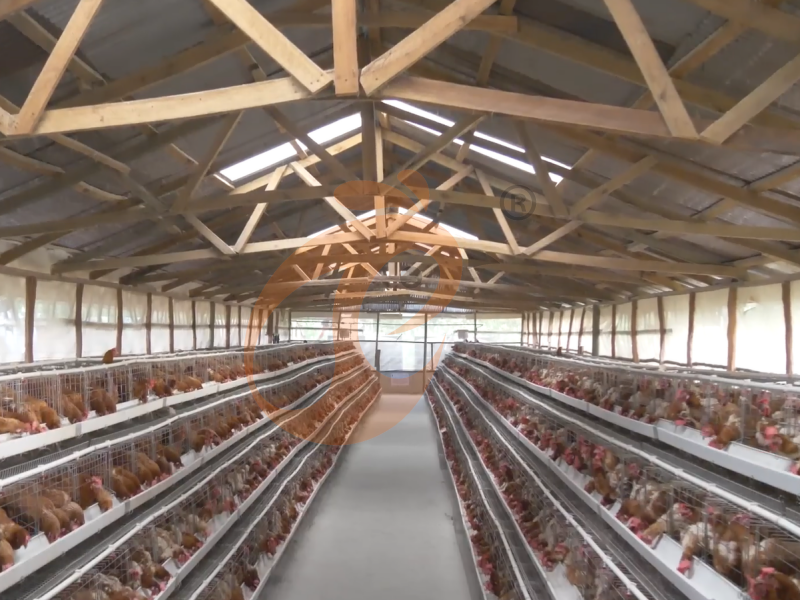
Automatic poultry equipment installation guide defines mechanical integration procedures for poultry housing automation systems.
Industrial poultry farms require synchronized feed, water, ventilation, and egg collection engineering calibration.
System design includes electrical load distribution, hydraulic pressure regulation, and environmental sensor deployment across housing units.
Operational efficiency depends on equipment alignment accuracy, airflow stability, and feed transport uniformity throughout production cycles.
Installation execution impacts feed conversion ratio stability, mortality control, and long-term production capacity consistency in commercial farms.
Get professional poultry farm construction guidance, equipment selection solutions, and the latest price lists, whatsApp to +8618830120193, +2348111199996, or click to learn more.
Farm Layout Planning And Capacity Design
Poultry farm automation system setup begins with structural mapping of housing geometry and stocking load distribution.
Data is for reference only.Swipe horizontally to view full table.
Feed lines, ventilation corridors, and manure clearance routes require parallel alignment across full building span.
Structural zoning ensures equal access distance between birds and mechanical delivery systems across all production zones.
Electrical System Installation
Electrical infrastructure supports motor-driven feeding lines, ventilation fans, and sensor-based environmental control units.
Data is for reference only.Swipe horizontally to view full table.
Distribution boards are installed at 12 m intervals to stabilize voltage drop across long poultry houses.
Circuit protection systems regulate overload risk during simultaneous activation of multiple mechanical subsystems.
Automatic Feeding System Installation
Automatic poultry equipment installation guide requires precise feed line calibration to ensure uniform distribution across stocking zones.
Data is for reference only.Swipe horizontally to view full table.
Feed distribution uniformity directly influences flock growth rate consistency and production weight variance control.
Mechanical tension adjustment ensures chain stability under continuous operation cycles.
Water Supply And Nipple Drinking System
Poultry farm automation system setup includes pressurized water delivery calibration for continuous hydration access.
Data is for reference only.Swipe horizontally to view full table.
Hydraulic balancing prevents pressure drop at terminal ends of long water pipelines.
Filtration systems remove particulate matter to maintain nipple valve efficiency during continuous operation.
Climate Control System Installation
Automatic poultry equipment installation guide includes environmental stabilization through ventilation and heating regulation systems.
Data is for reference only.Swipe horizontally to view full table.
Air exchange rate determines ammonia concentration control and oxygen distribution uniformity across bird zones.
Vertical temperature stratification monitoring ensures thermal balance across housing height layers.
Automatic Egg Collection System Setup
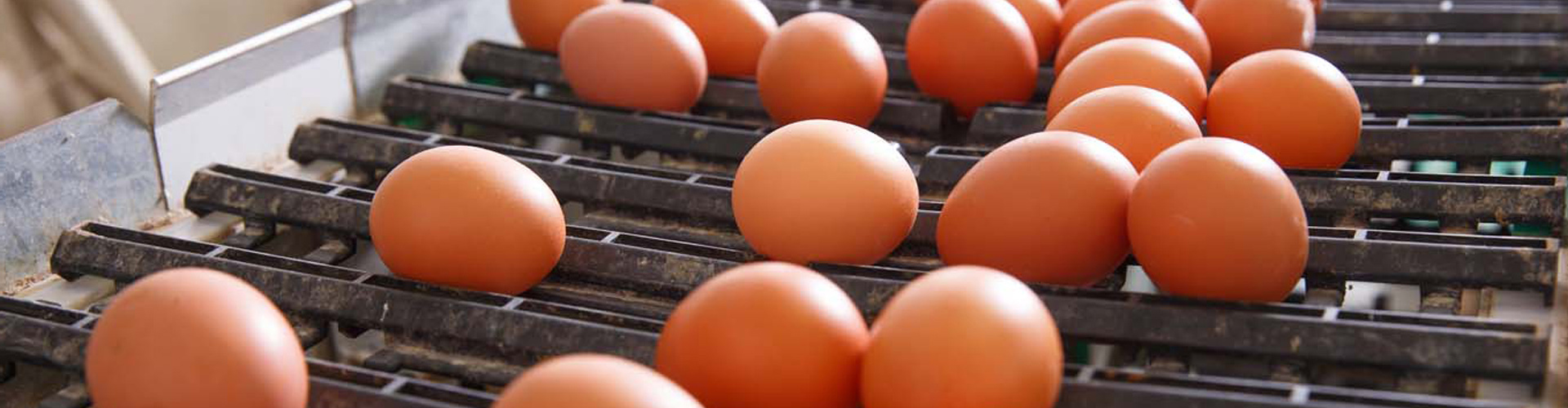
Broiler and layer equipment installation process includes mechanized egg transport using conveyor-based collection systems.
Data is for reference only.Swipe horizontally to view full table.
Egg flow continuity depends on slope calibration accuracy and belt synchronization stability.
Mechanical damping systems reduce egg collision impact during transfer operations.
System Calibration And Functional Testing
Poultry farm automation system setup requires multi-cycle calibration for sensor and mechanical synchronization validation.
Data is for reference only.Swipe horizontally to view full table.
Calibration cycles ensure environmental parameter consistency across full operational load conditions.
Sensor feedback loops regulate ventilation response timing under dynamic environmental changes.
Poultry Automation Science And System Biology
Automatic poultry equipment installation guide is supported by avian physiological response modeling under controlled environments.
Metabolic feed conversion efficiency improves under stable thermal and hydration conditions across production cycles.
Water intake increases proportionally with feed protein concentration and ambient temperature elevation patterns.
Closed-loop automation systems reduce behavioral stress fluctuations by maintaining environmental parameter stability.
Feed conversion ratio values typically range between 1.55 and 1.85 under optimized automation systems.
Maintenance Engineering Schedule
Poultry farm automation system setup requires scheduled mechanical servicing based on operational runtime cycles.
Data is for reference only.Swipe horizontally to view full table.
Preventive maintenance stabilizes mechanical efficiency across continuous production cycles.
Component wear rate control extends equipment service life under high-density farming conditions.
Installation Error And System Deviation Control
Broiler and layer equipment installation process requires precision correction of mechanical tolerance deviations.
Feed line slope deviation exceeding 1.5° reduces feed uniformity distribution efficiency across housing zones.
Water pressure imbalance above 0.4 bar affects hydration consistency across terminal drinker points.
Temperature variation exceeding 3.5°C increases metabolic stress response variability in poultry flocks.
Conveyor speed deviation above 0.6 m/min impacts egg transport synchronization stability.
Integrated System Engineering Model
Automatic poultry equipment installation guide operates as a multi-subsystem synchronization framework.
Feed delivery, water supply, ventilation, and egg collection operate under centralized control logic architecture.
Sensor networks continuously transmit environmental and mechanical performance data to control modules.
System coordination reduces manual intervention frequency below 2.5 hours per 10000 birds daily operation scale.
Integrated automation improves production predictability under high-density poultry farming environments.
Frequently Asked Questions
Q1: What is the main requirement for automatic poultry equipment installation in large farms?
A1: Installation requires stable electrical supply, calibrated water pressure, precise feed line alignment, and controlled ventilation parameters.
Mechanical accuracy determines production consistency and reduces operational loss across large poultry housing systems.
Q2: How often should automatic poultry systems be maintained?
A2: Maintenance cycles depend on component type, ranging from 72 hours for drinkers to 1200 hours for heating systems.
Regular servicing prevents mechanical deviation, stabilizes system efficiency, and extends equipment operational lifespan under continuous production load conditions.
Q3: What is the main benefit of poultry automation systems?
A3: Automation systems stabilize feed intake, water supply, and environmental conditions across production cycles.
This improves feed conversion ratio, reduces mortality rates, and increases uniform growth performance across broiler and layer production systems.
Taiyu (HK) Group - One Of China Biggest Poultry Equipment Manufacturer Exporter
Precision automatic poultry equipment integrating feeders, drinkers, climate control, and egg collection systems.
Global factory direct supply ensuring immediate availability of poultry automation components.
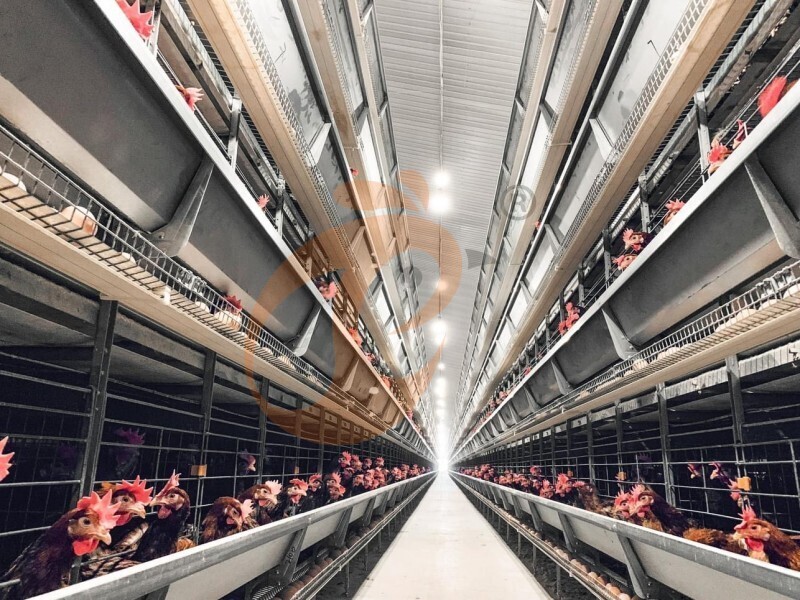
High-quality poultry cage systems optimized for broilers and layers.
Turn-key engineering solutions for new poultry farm construction projects.
Comprehensive poultry equipment support services for installation and maintenance systems.
Contact Us To Received Your Customized Poultry Farm Plan
Headquarters And Branchs

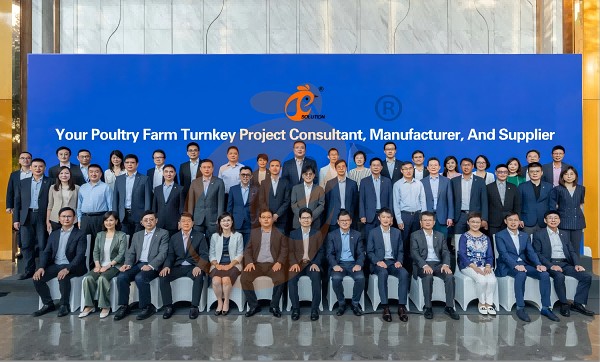
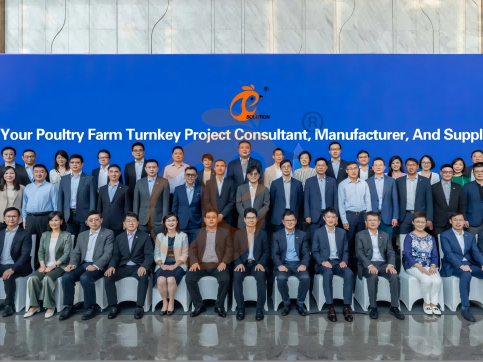
Hong Kong Headquarter Management Team
Hong Kong Headquarter Taiyu Industrial Group CO., LTD
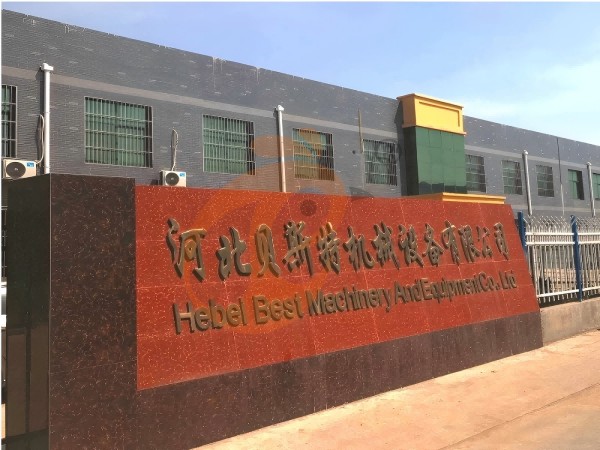
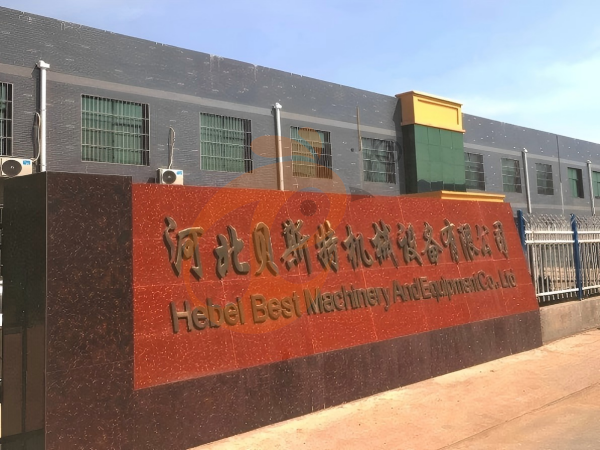
China Hebei Best Machinery And Equipment CO., LTD
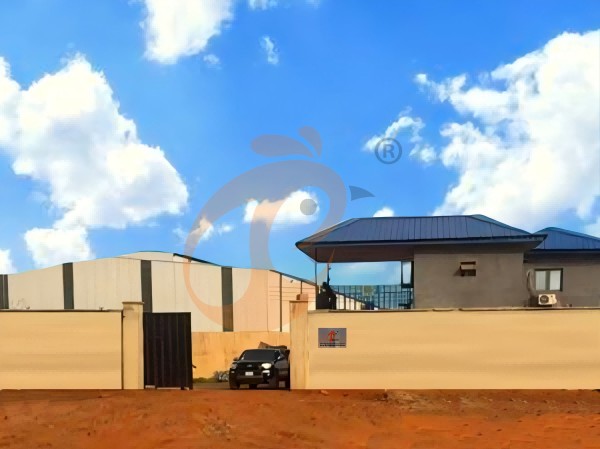
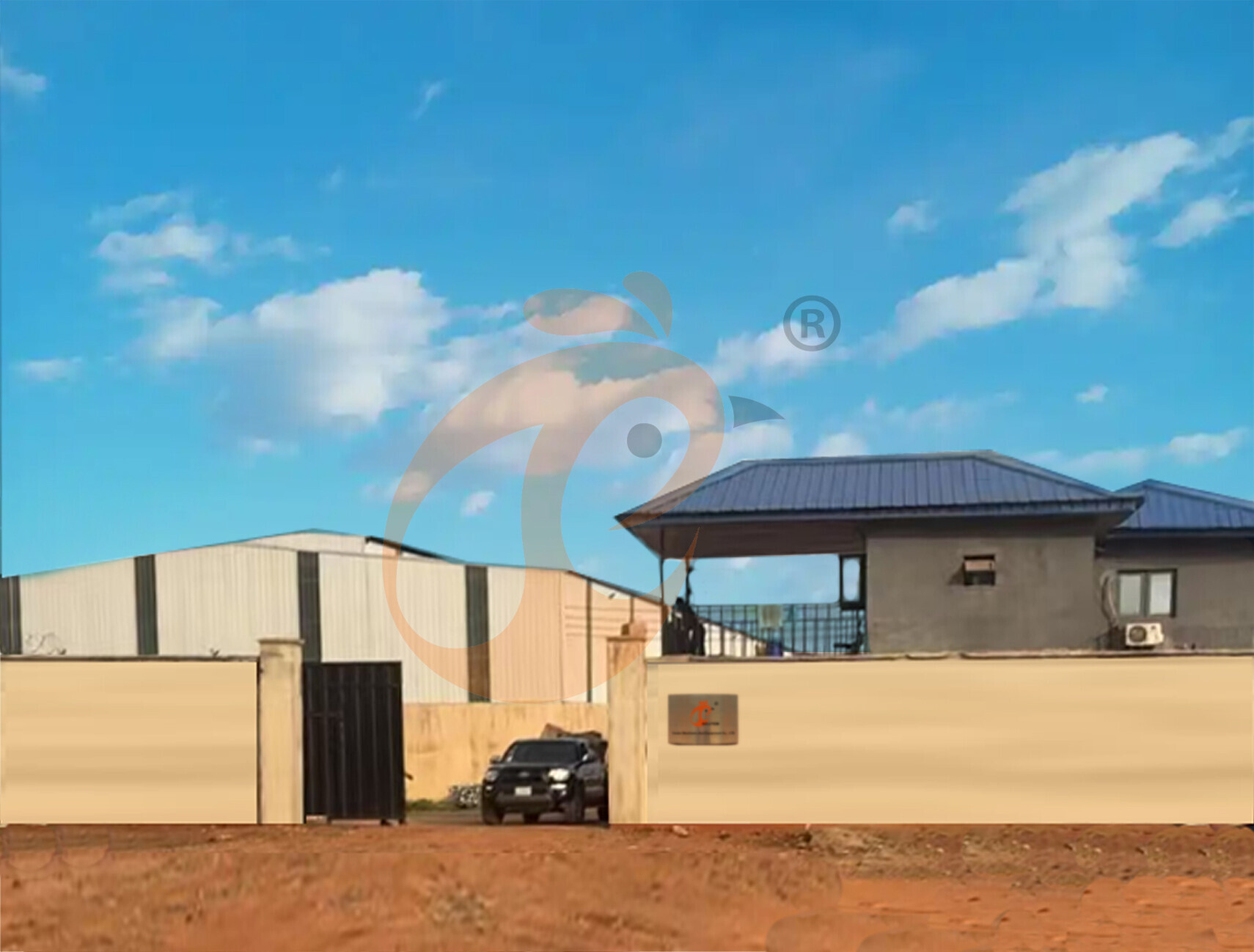
Nigeria Vanke Machinery And Equipment CO., LTD
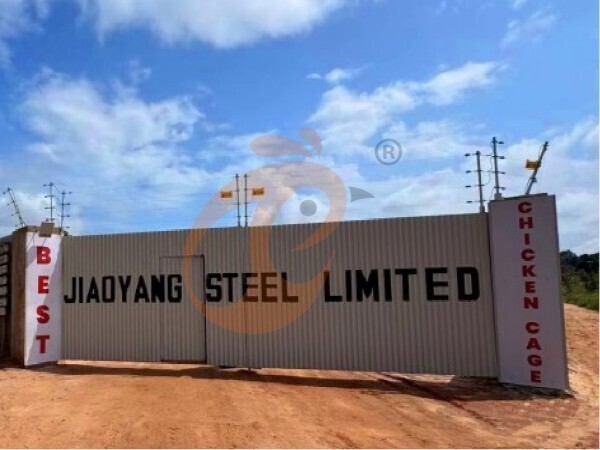
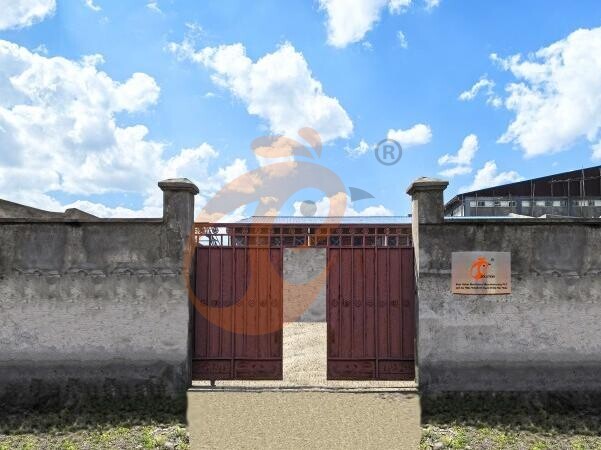
Tanzania Best Machinery And Equipment CO., LTD
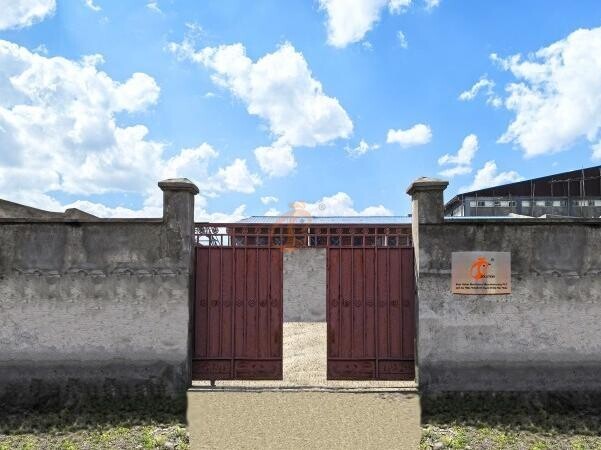
Ethiopia Best Hebei Machinery Manufacturing PLC
Reception /24 WhatsApp NO. : +8618830120193
FAQ
What Equipment Modules Are Included In Automatic Chicken Cage Poultry Equipment For Poultry Chicken Cage Systems?
Watering modules integrate pipelines rated for 16–20 mm diameter supporting stable distribution.
Manure belts utilize 1.0–1.2 mm thickness materials for continuous waste removal durability.
Which Structural Equipment Specifications Define Automatic Chicken Cage Poultry Equipment In Poultry Chicken Cage Systems?
Wire mesh spacing is maintained at 20–25 mm to support bird stability and waste separation.
Galvanization coating reaches 90–130 g/m² for corrosion resistance in high humidity environments.
What Drive System Equipment Parameters Are Used In Automatic Chicken Cage Poultry Equipment For Poultry Chicken Cage Farms?
Gear reducer ratio is configured between 1:20–1:40 for controlled mechanical output speed.
Transmission efficiency reaches 85%–92% minimizing energy loss during continuous operation.
Message
Products recommended
 HK Headquarter Offers EU-standard Poultry Farm Solutions, Manufacture Poultry Farm Equipment1. Continuous communication with the EU and the US
2. China, Nigeria, Ethiopia, Tanzania branch companies and factories
3. The products’ quality is customized for local poultry farms
4. Poultry cage and poultry farm equipment stock for sale
5. 24 online reception Whatsapp NO. : +8618830120193,contact us to get full informationRead More China Branch Offer Poultry Farm Business Plan, Manufacture Poultry Farm Equipment1. Address: Flat/RM 2416, 24/F, Runxing Building, Youyi Nan Street, Shijiazhuang City, Hebei Province, China
2. Poultry cage and poultry farm equipment factory and stock for sale
3. Customized for local poultry farms
4. Quality and design are based on Euro
5. 24 online reception Whatsapp NO. : +8618830120193Read More Nigeria Branch Offer Poultry Farm Business Plan, Manufacture Poultry Farm Equipment1. Address: After Sinoma Office, 200 Meters Near Danco Filling Station, Lagos/Ibadan Expressway, Lagos State, Nigeria
2. Poultry cage and poultry farm equipment factory and stock for sale
3. Customized for Nigerian poultry farms
4. Quality and design are based on Euro
5. 24 online reception Whatsapp NO. : +8618830120193Read More Ethiopia Branch Offer Poultry Farm Business Plan, Manufacture Poultry Farm Equipment1. Address: Gelan Gura, Akaki-kaliti Sub City, Addis Ababa, Ethiopia
2. Poultry cage and poultry farm equipment stock for sale
3. Customized for Ethiopian poultry farms
4. Quality and design are based on Euro
5. 24 online reception Whatsapp NO. : +8618830120193, contact us to get price listRead More Tanzania Branch Offer Poultry Farm Business Plan, Manufacture Poultry Farm Equipment1. Address: No.8, Sova Road, Msufini, Mlandizi, Kibaha, Pwani, Tanzania
2. Poultry cage and poultry farm equipment factory and stock for sale
3. Customized for Tanzanian poultry farms
4. Quality and design are based on Euro
5. 24 online reception Whatsapp NO. : +8618830120193Read More Fully Automatic H Type Layer Chicken Cage1. 30,000-100,000+ layers/house chooses it, Poultry farmers can achieve an egg production rate of 96-98%
2. A significant improvement over the 85-90% typically seen in manual systems
3. A typical poultry farm can expect a 30-40% reduction in labor costs due to the automation
4. Each feeding line efficiently supplies feed to around 100,000 hens per 30 mins
5. Reception /WhatsApp NO. : +8618830120193Read More Fully Automatic A Type Layer Chicken Cage1. 10,000-50,000 layers/house chooses it
2. Cleaner egg collection reduces breakage by 0.5%
3. Improved hygiene helps reduce mortality rate to <3%
4. 1–2 technicians can handle 15,000–30,000 birds
5. Reception /WhatsApp NO. : +8618830120193Read More Semi Automatic H Type Layer Chicken Cage1. 1,00-20,000 layers/house chooses it
2. Nipple drinkers flow 30–60 ML / min
3. Hot-dip galvanized (typical coating ≥ 275 g/m²)
4. Reduce ammonia by ~ 35–40%
5. Reception /WhatsApp NO. : +8618830120193Read More Semi Automatic A Type Layer Chicken Cage1. 1,00-20,000 layers/house chooses it, no rust for 10 years, no deformation for 15 years
2. Chickens live comfortably, you can raise them with peace of mind
3. Save water, save money—efficiency you can measure
4. Improve environment quality, and increase egg production rate
5. Reception /WhatsApp NO. : +8618830120193Read More
By clicking 'Allow All', you agree to the storage of cookies on your device to enhance site navigation, analyze site usage and assist with our marketing efforts.