






Blog
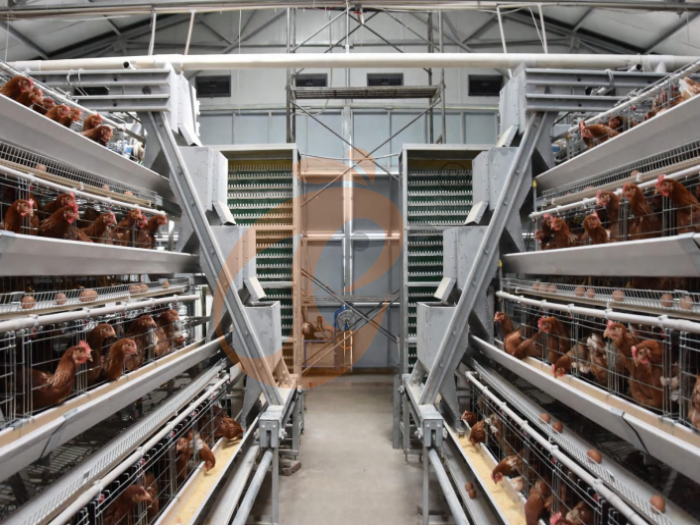
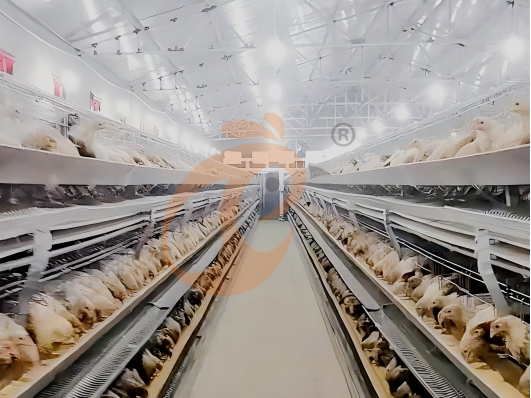
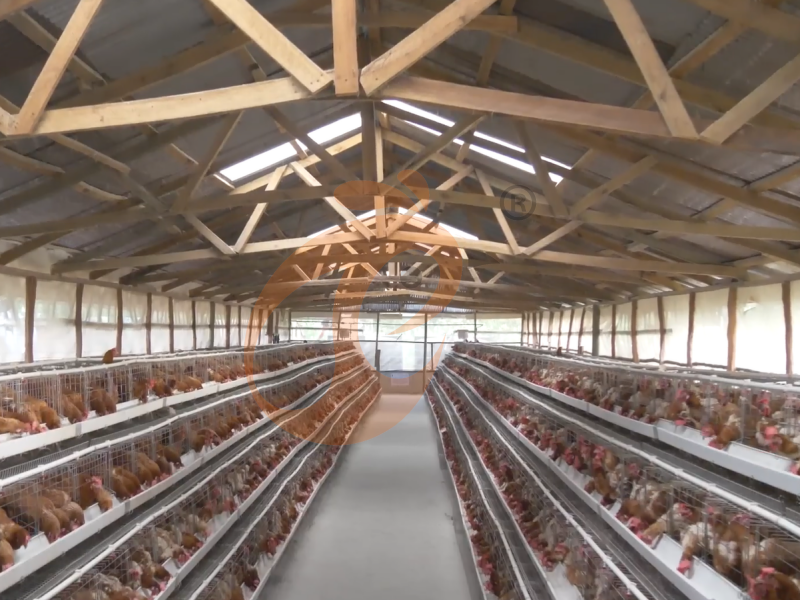
Layer battery cage systems support commercial egg farms managing 48,000 eggs daily, balancing flock housing, production targets, and long-term investment planning.
Galvanized steel protection helps poultry houses withstand humid seasons, intensive cleaning routines, and demanding year-round production schedules.
Automated feeding solutions support farms raising 20,000 hens, coordinating daily feed distribution with consistent flock management and reduced feed waste.
Nipple drinkers, manure belts, and ventilation systems help maintain stable drinking access, cleaner housing, and comfortable conditions during hot summer periods.
Turnkey poultry equipment planning connects supplier verification, facility capacity, and daily production goals, helping investors prepare scalable farms serving expanding egg markets worldwide.
Get professional poultry farm construction guidance, equipment selection solutions, and the latest price lists, whatsApp to +8618830120193, +2348111199996, or click to learn more.
Manufacturing Material Specifications And Corrosion Resistance
Layer battery cage manufacturers must provide reliable steel grades, consistent galvanization, and documented corrosion resistance for commercial poultry housing.
Hot-dip galvanized layer cages help protect welded joints and structural components against moisture exposure and premature deterioration.
Data is for reference only. Swipe horizontally to view full table.
Evaluate Galvanization Depth Over Initial Cost
Galvanization Inspection
Primary metric verify zinc coating mass of at least 275 grams per square meter
Inspection requirement request third-party metallurgical certificates covering coating consistency and welded joints
Supplier evaluation compare hot-dip galvanized layer battery cages by documented material quality rather than purchase price alone
Structural Design And Ergonomic Parameters For Layer Welfare
Layer battery cage systems require suitable dimensions, smooth wire surfaces, and correctly engineered egg collection slopes.
Commercial poultry cage manufacturers should document cage geometry and compatibility with automated feeding equipment before production begins.
Data is for reference only. Swipe horizontally to view full table.
Assess Automation Integration Compatibility
Automated layer battery cage systems should accommodate feeding lines, nipple drinkers, and manure removal equipment without extensive structural modifications.
Conveyor motor power 1.5 kilowatts
Maximum chain speed 18 meters per minute
Water pressure regulation 0.15 megapascals
Automated Feeding System Efficiency And Feed Waste Minimization
Automatic poultry feeding systems help distribute feed consistently across layer battery cage installations.
Traveling hoppers, spiral augers, and bulk feed silos require compatible capacities to maintain stable feed delivery and reduce unnecessary waste.
Data is for reference only. Swipe horizontally to view full table.
Process Structure For System Integration
Layer battery cage production requires coordinated material preparation, fabrication, surface treatment, and quality inspection.
Raw material intake verify incoming steel specifications and material traceability
Precision fabrication apply laser cutting and cnc bending to cage components
Automated welding maintain consistent joint geometry and structural alignment
Hot-dip galvanization inspect coating coverage and welded areas
Quality control conduct dimensional checks and appropriate mechanical testing
Modular dispatch prepare cage assemblies and installation documentation
Drinking And Nipple Water Delivery Specifications
Layer battery cage installations require consistent drinking water delivery across multiple tiers.
Automatic nipple drinkers, filtration components, and pressure regulators help maintain water availability and reduce leakage when correctly selected and maintained.
Data is for reference only. Swipe horizontally to view full table.
Water Line Maintenance Protocol
Flushing frequency every 72 hours, subject to water quality and farm sanitation procedures
Chlorine dioxide dosing 3.5 parts per million, subject to veterinary guidance and applicable regulations
Operating water temperature 18 degrees celsius as a reference setting
Manure Removal Mechanism And Environmental Control
Automatic manure removal systems support layer battery cage hygiene by transporting waste away from bird housing.
Polypropylene manure belts, cross conveyors, and scraper mechanisms require suitable operating speeds and maintenance schedules for reliable poultry house management.
Data is for reference only. Swipe horizontally to view full table.
Complete Equipment Package Recommendation
Turnkey layer battery cage projects should coordinate housing, egg collection, ventilation, and environmental control equipment.
A poultry equipment supplier should verify site dimensions, electrical requirements, and production capacity before finalizing the installation plan.
Ventilation fan airflow 44,000 cubic meters per hour
Cooling pad thickness 150 mm
Lighting intensity 20 lux
Data is for reference only. Swipe horizontally to view full table.
Frequently Asked Questions
Q1: What should buyers check when selecting a layer battery cage manufacturer?
A1: Verify steel specifications, galvanization records, cage dimensions, automation compatibility, and documented warranty conditions before confirming an order.
Q2: Which automation systems are essential for commercial layer battery cages?
A2: Core systems typically include automatic feeding, nipple drinking, egg collection, manure removal, and ventilation equipment selected according to flock size and facility design.
Q3: How should buyers verify a supplier's production capacity?
A3: Request factory inspection records, equipment specifications, installation references, and a detailed project schedule covering manufacturing, shipment, assembly, and commissioning.
Taiyu (HK) Group - One Of China's Toppest Layer Battery Cage Manufacturer
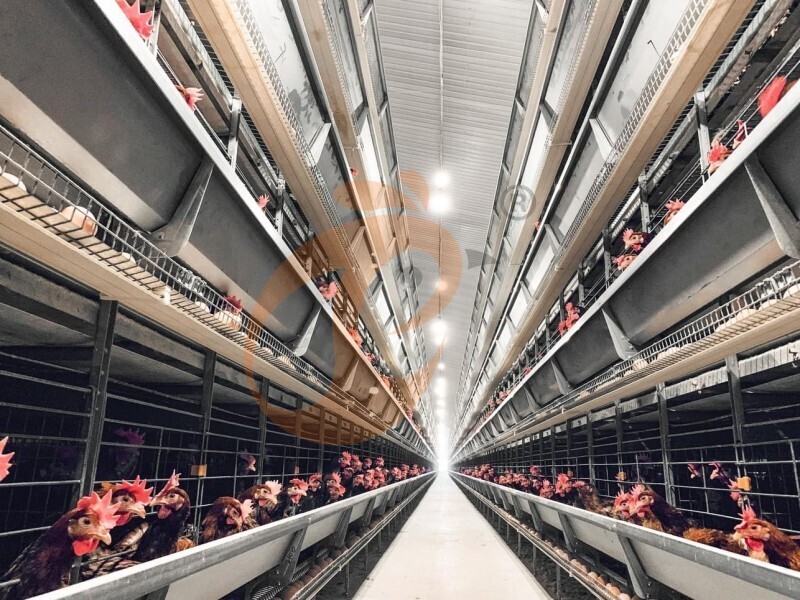
Layer battery cage systems support commercial egg farms with 10,000–100,000 birds, integrating multi-tier housing, automatic feeding, nipple drinking, egg collection, and manure removal according to different farm production requirements.
Global factory-direct supply provides poultry equipment for projects covering 2–10 poultry houses, with customized equipment layouts, steel structure coordination, and shipping arrangements adapted to different investment budgets and site conditions.
Poultry equipment integration connects feed silos storing 5–50 tons, water supply networks, ventilation fans, and egg conveyor lines, with motor power ratings and electrical distribution designed around total system loads.
Turn-key engineering services support poultry farm construction on sites of 3,000–20,000 square meters, coordinating building layouts, equipment installation, ventilation planning, and utility connections with project-specific engineering drawings.
International manufacturing and project support accommodate farms in climates ranging from 10°C to 40°C, combining equipment selection, installation guidance, commissioning procedures, and technical documentation for commercial poultry operations worldwide.
Contact Us To Received Your Customized Poultry Farm Plan
Headquarters And Branchs

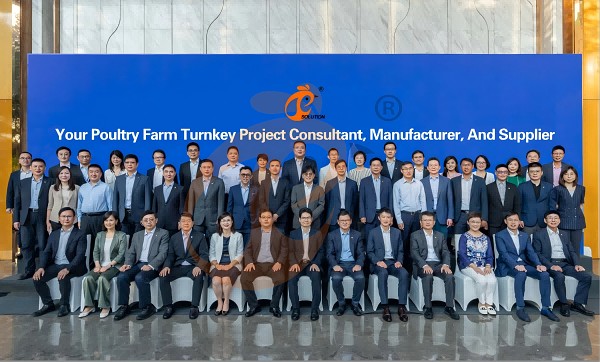
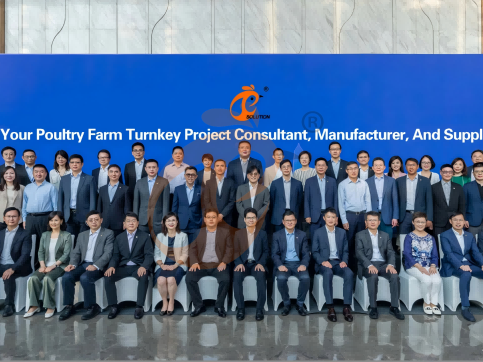
Hong Kong Headquarter Management Team
Hong Kong Headquarter Taiyu Industrial Group CO., LTD
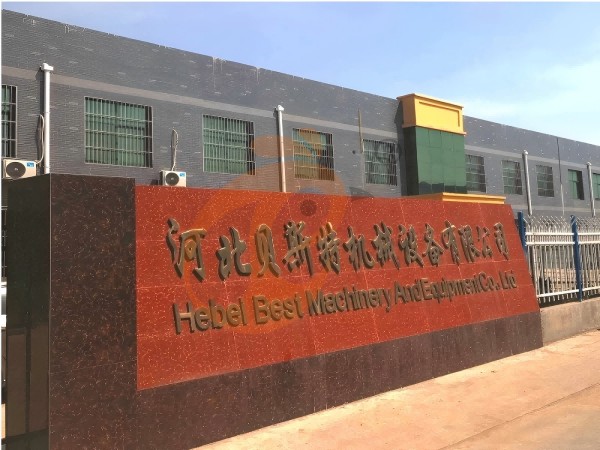
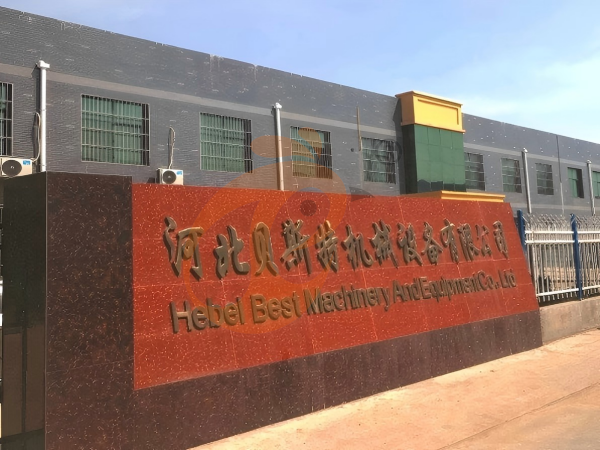
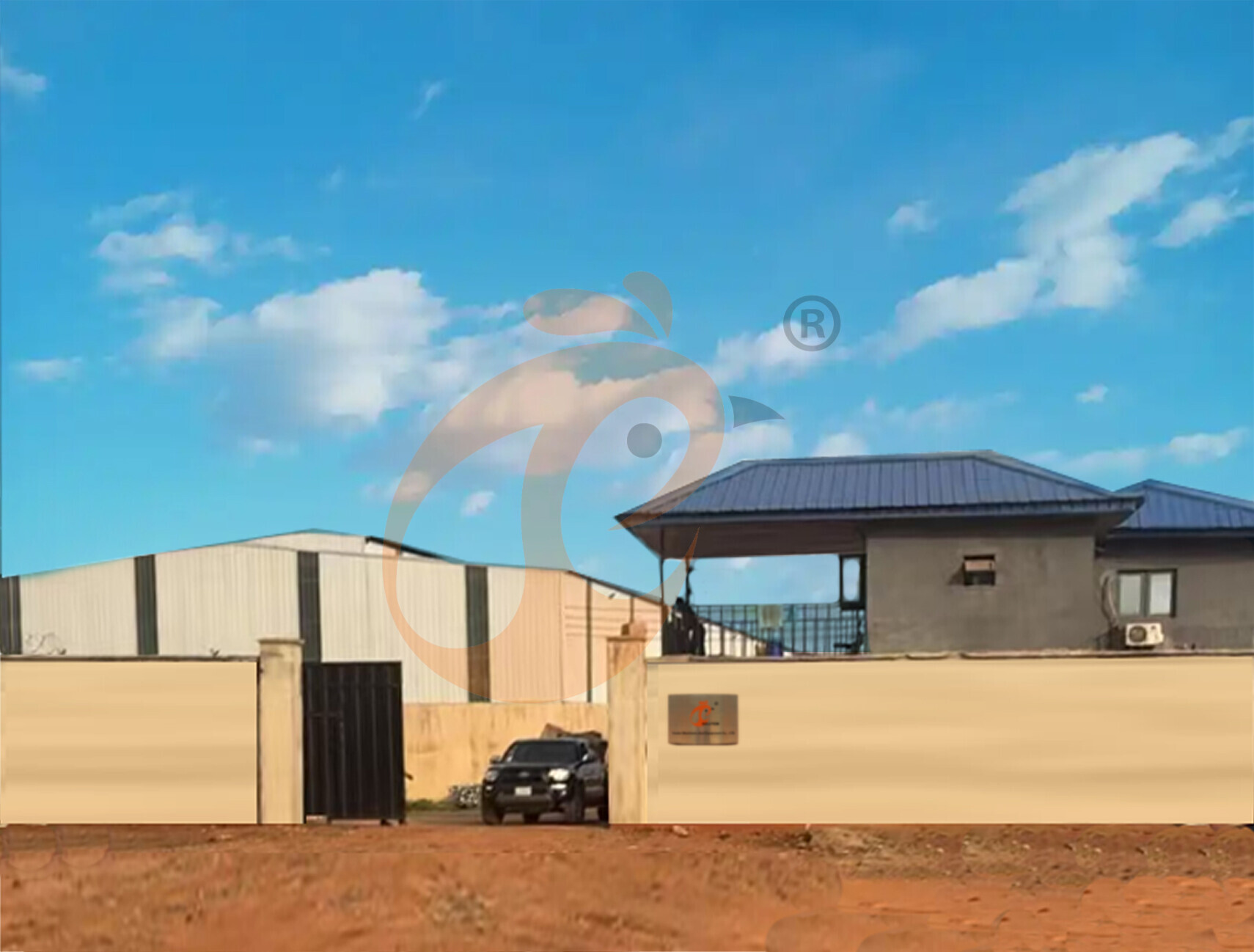
China Hebei Best Machinery And Equipment CO., LTD
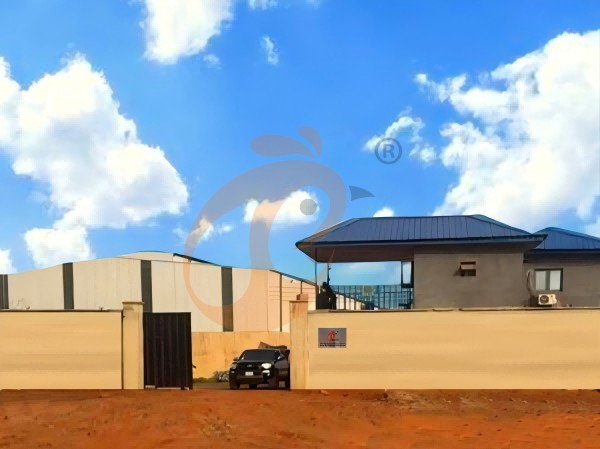
Nigeria Vanke Machinery And Equipment CO., LTD
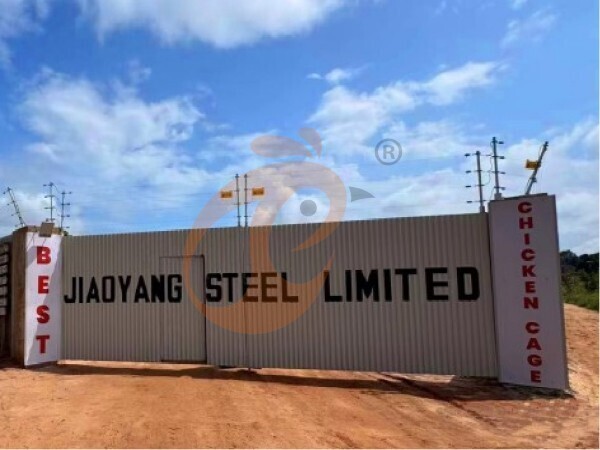
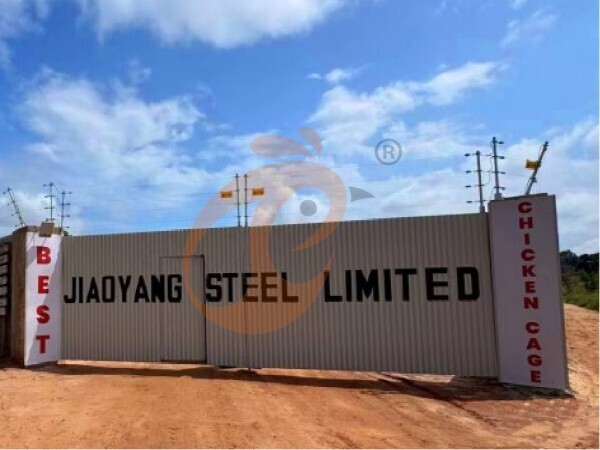
Tanzania Best Machinery And Equipment CO., LTD
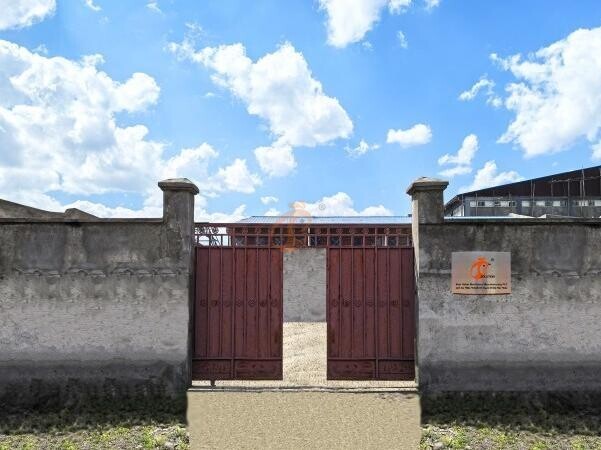
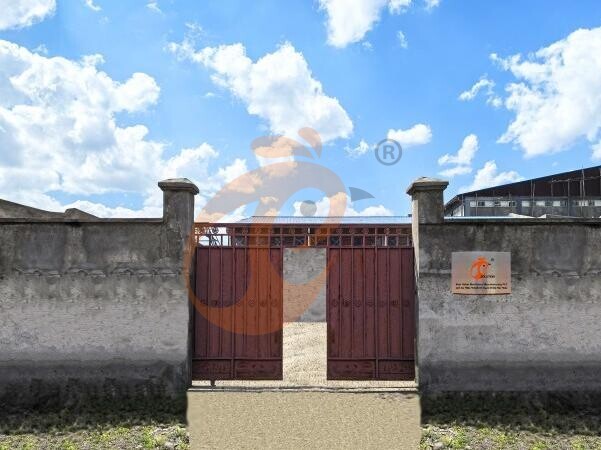
Ethiopia Best Hebei Machinery Manufacturing PLC
Reception /24 WhatsApp NO. : +8618830120193
FAQ
How To Select The Best Poultry Cage System For High-Density Egg Production?
Include automatic feeding, drinking, egg collection, and manure cleaning systems to boost egg production to 90–98%.
Regularly monitor feed efficiency and mortality; FCR maintained at 1.9–2.1.
What Are The Ultimate Tips For Temperature And Humidity Control In Chicken Cage Farms?
Use sensors to monitor each house and adjust airflow with ventilation fans.
Optimized temperature/humidity can increase egg production 2–3% and reduce mortality to 2–3%.
How To Reduce Egg Breakage In Advanced Battery Cage Systems?
Each belt can transport 4,000–6,000 eggs/hour, reducing manual handling.
Regularly clean belts; breakage rate can be maintained at 2–3%.
- poultry equipment
- layer cage
- poultry farm
- feeding equipment
- poultry cage
- battery cage
- poultry farm
- poultry farm construction
- battery cage manufacturer
- battery cage system
- battery cage installation
- poultry cage manufacturer
- poultry equipment supplier
- battery cage
- poultry feeding system
- automatic poultry feeding system
- poultry house
- layer battery cage
- automatic manure removal system
- galvanized layer cage
- automatic nipple drinkers
- Ethiopia
- Nigeria
Message
Products recommended
 HK Headquarter Offers EU-standard Poultry Farm Solutions, Manufacture Poultry Farm Equipment1. Continuous communication with the EU and the US
2. China, Nigeria, Ethiopia, Tanzania branch companies and factories
3. The products’ quality is customized for local poultry farms
4. Poultry cage and poultry farm equipment stock for sale
5. 24 online reception Whatsapp NO. : +8618830120193,contact us to get full informationRead More China Branch Offer Poultry Farm Business Plan, Manufacture Poultry Farm Equipment1. Address: Flat/RM 2416, 24/F, Runxing Building, Youyi Nan Street, Shijiazhuang City, Hebei Province, China
2. Poultry cage and poultry farm equipment factory and stock for sale
3. Customized for local poultry farms
4. Quality and design are based on Euro
5. 24 online reception Whatsapp NO. : +8618830120193Read More Nigeria Branch Offer Poultry Farm Business Plan, Manufacture Poultry Farm Equipment1. Address: After Sinoma Office, 200 Meters Near Danco Filling Station, Lagos/Ibadan Expressway, Lagos State, Nigeria
2. Poultry cage and poultry farm equipment factory and stock for sale
3. Customized for Nigerian poultry farms
4. Quality and design are based on Euro
5. 24 online reception Whatsapp NO. : +8618830120193Read More Ethiopia Branch Offer Poultry Farm Business Plan, Manufacture Poultry Farm Equipment1. Address: Gelan Gura, Akaki-kaliti Sub City, Addis Ababa, Ethiopia
2. Poultry cage and poultry farm equipment stock for sale
3. Customized for Ethiopian poultry farms
4. Quality and design are based on Euro
5. 24 online reception Whatsapp NO. : +8618830120193, contact us to get price listRead More Tanzania Branch Offer Poultry Farm Business Plan, Manufacture Poultry Farm Equipment1. Address: No.8, Sova Road, Msufini, Mlandizi, Kibaha, Pwani, Tanzania
2. Poultry cage and poultry farm equipment factory and stock for sale
3. Customized for Tanzanian poultry farms
4. Quality and design are based on Euro
5. 24 online reception Whatsapp NO. : +8618830120193Read More Fully Automatic H Type Layer Chicken Cage1. 30,000-100,000+ layers/house chooses it, Poultry farmers can achieve an egg production rate of 96-98%
2. A significant improvement over the 85-90% typically seen in manual systems
3. A typical poultry farm can expect a 30-40% reduction in labor costs due to the automation
4. Each feeding line efficiently supplies feed to around 100,000 hens per 30 mins
5. Reception /WhatsApp NO. : +8618830120193Read More Fully Automatic A Type Layer Chicken Cage1. 10,000-50,000 layers/house chooses it
2. Cleaner egg collection reduces breakage by 0.5%
3. Improved hygiene helps reduce mortality rate to <3%
4. 1–2 technicians can handle 15,000–30,000 birds
5. Reception /WhatsApp NO. : +8618830120193Read More Semi Automatic H Type Layer Chicken Cage1. 1,00-20,000 layers/house chooses it
2. Nipple drinkers flow 30–60 ML / min
3. Hot-dip galvanized (typical coating ≥ 275 g/m²)
4. Reduce ammonia by ~ 35–40%
5. Reception /WhatsApp NO. : +8618830120193Read More Semi Automatic A Type Layer Chicken Cage1. 1,00-20,000 layers/house chooses it, no rust for 10 years, no deformation for 15 years
2. Chickens live comfortably, you can raise them with peace of mind
3. Save water, save money—efficiency you can measure
4. Improve environment quality, and increase egg production rate
5. Reception /WhatsApp NO. : +8618830120193Read More
By clicking 'Allow All', you agree to the storage of cookies on your device to enhance site navigation, analyze site usage and assist with our marketing efforts.