






Blog
Poultry equipment cost planning helps a 20,000-bird commercial farm coordinate feeding, drinking, ventilation, and housing for efficient daily production.
Automatic feeding systems combine 15–30-tonne silos, auger conveyors, and adjustable feeder pans to improve feed distribution and reduce labor.
Commercial drinking systems integrate nipple lines, filtration units, and pressure regulators for dependable hydration and streamlined water management.
Ventilation and climate control combine 35,000 m³/h exhaust fans, 150 mm cooling pads, and automated sensors for healthier flock environments.
Itemized budgets, installation planning, warranty checks, and spare-parts assessments help buyers control investment risks, compare suppliers, and build scalable poultry operations.
Get professional poultry farm construction guidance, equipment selection solutions, and the latest price lists, whatsApp to +8618830120193, +2348111199996, or click to learn more.
Understanding Poultry Equipment Costs: An Investment In Farm Productivity
Poultry equipment costs influence farm profitability, production efficiency, and long-term operating expenses.
Automatic poultry equipment supports feeding, drinking, ventilation, environmental control, and housing integration.
A properly designed commercial poultry house accommodates 20,000 birds through coordinated equipment planning.
Poultry equipment manufacturers help buyers coordinate specifications, installation requirements, and maintenance planning.
Working with an experienced poultry equipment supplier also helps buyers avoid incompatible components and obtain complete solutions tailored to their production model.
Automatic Feeding Systems
Data is for reference only. Swipe horizontally to view full table.
Automatic poultry feeding systems distribute feed consistently while reducing repetitive manual work.
Their total cost depends on storage capacity, conveying distance, feeder quantity, and motor specifications.
Our poultry feeding equipment integrates silos, augers, feeder pans, sensors, and control panels into coordinated commercial packages.
Automatic Drinking Systems
Data is for reference only. Swipe horizontally to view full table.
Automatic poultry drinking systems support consistent hydration while reducing manual water distribution.
Our poultry drinking equipment combines nipple drinkers, pressure regulators, filtration units, and water treatment accessories.
Integrated poultry water lines simplify procurement and help maintain compatibility throughout the water supply network.
Ventilation And Cooling Equipment
Data is for reference only. Swipe horizontally to view full table.
Poultry ventilation equipment removes heat and moisture while supporting controlled air movement throughout the building.
Commercial poultry cooling systems combine exhaust fans, cooling pads, circulation pumps, and correctly positioned air inlets.
Our poultry ventilation equipment can be configured according to building dimensions, regional weather, and flock requirements.
Engineering Points: Ventilation Performance
Airflow Planning
Calculate required air exchange from flock size, bird weight, and local climate.
Check whether the building envelope maintains intended pressure conditions.
Reserve adequate access space for fan cleaning and motor replacement.
Control Integration
Connect temperature sensors, fan stages, and cooling pumps through compatible controllers.
Include alarm functions and backup power planning.
Verify electrical compatibility before equipment shipment.
Correctly engineered poultry ventilation equipment coordinates air movement, cooling, and controls within one integrated system.
Environmental Control Systems
Data is for reference only. Swipe horizontally to view full table.
Poultry environmental control systems coordinate ventilation, cooling, heating, and alarm functions.
Our poultry house controllers integrate compatible sensors and operating equipment through a centralized interface.
Buyers should confirm input capacity, alarm coverage, backup arrangements, and expansion requirements before approving an equipment configuration.
Purchasing Tips: Avoid Hidden Equipment Costs
Tip One: Request A Complete Bill Of Materials
Confirm whether motors, brackets, cables, fasteners, filters, and control accessories are included in the poultry equipment quotation.
Tip Two: Clarify Installation Responsibilities
Identify which party handles assembly, electrical connections, commissioning, and operator training for automatic poultry equipment.
Tip Three: Check After-Sales Support
Confirm warranty coverage, replacement-part availability, troubleshooting arrangements, and maintenance documentation for poultry ventilation equipment.
A transparent poultry equipment quotation makes suppliers easier to compare.
Request itemized pricing and clearly defined delivery terms before placing an order.
Housing, Lighting, And Manure Handling
Data is for reference only. Swipe horizontally to view full table.
Poultry housing equipment varies according to whether farms raise broilers, commercial layers, or breeding birds.
Layer projects may require cages, egg collection, and manure removal, whereas floor-raised broilers prioritize litter management and accessible feeding and drinking lines.
Our poultry equipment packages incorporate appropriate housing and auxiliary systems for each production model.
Workflow Structure: From Equipment Order To Farm Operation
Stage One: Project Assessment
Provide building drawings, production objectives, local climate information, and utility requirements.
↓
Stage Two: Equipment Design
The supplier prepares the layout, equipment schedule, technical specifications, and poultry equipment quotation.
↓
Stage Three: Manufacturing And Inspection
Confirm materials, electrical components, assembly quality, and shipment documentation.
↓
Stage Four: Installation And Commissioning
Test mechanical operation, water delivery, electrical safety, alarms, and controller communication.
↓
Stage Five: Operator Handover
Supply operating manuals, maintenance schedules, and training for farm personnel.
A documented workflow improves coordination between the poultry equipment manufacturer, contractor, and farm owner.
Indicative Equipment Budget For Commercial Poultry Projects
Data is for reference only. Swipe horizontally to view full table.
These figures are illustrative poultry equipment budgeting ranges, not a supplier quotation.
Actual prices depend on project specifications, shipment destination, material selection, and included services.
European union standard reference only applicable European equipment, electrical safety, and conformity requirements should be confirmed according to the product category and destination market.
Use these poultry equipment cost estimates as an initial planning framework, then request a project-specific proposal.
Equipment Combination Recommendations By Production Model
Broiler Farm Package
Automatic pan feeders, nipple drinking lines, tunnel ventilation, evaporative cooling, and centralized environmental controls support consistent flock management and reduced repetitive labor.
Layer Farm Package
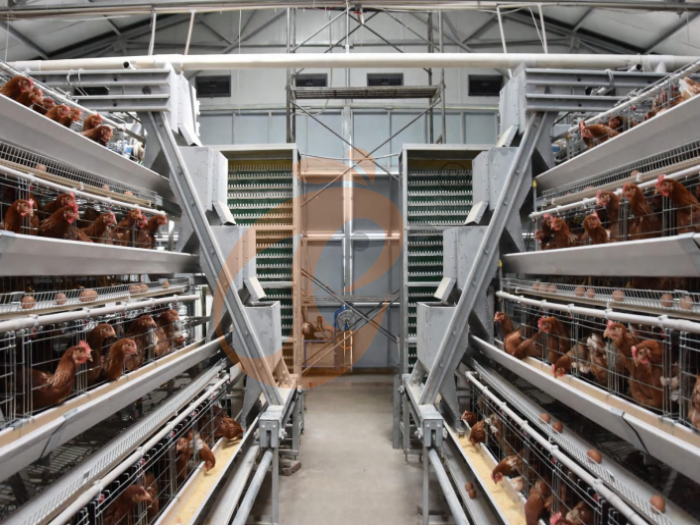
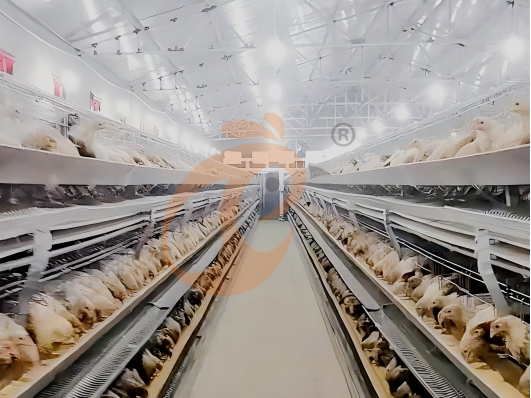
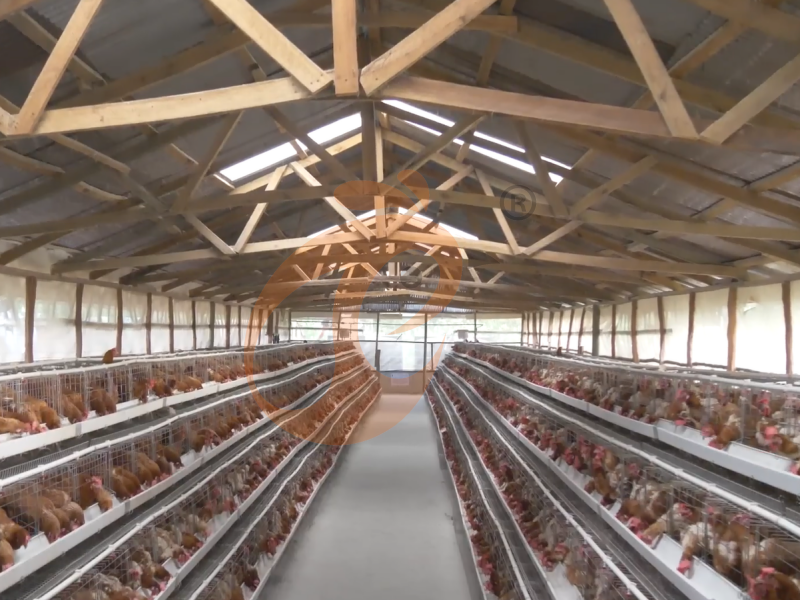
Layer housing, automatic feeding and drinking, egg collection conveyors, manure belts, and environmental controls support coordinated egg production and waste handling.
Expansion Or Modernization Package
Retain compatible existing equipment where practical, then upgrade feeding automation, ventilation controls, or water distribution according to documented operational needs.
A qualified poultry equipment manufacturer should match equipment combinations to the farm's production model rather than offer identical packages to every buyer.
Final Cost Checklist And Supplier Selection
Data is for reference only. Swipe horizontally to view full table.
Poultry equipment costs should be evaluated through technical performance, system compatibility, installation scope, and ongoing support rather than purchase price alone.
Our company supplies poultry equipment solutions designed around farm capacity, production objectives, and site conditions.
From individual feeding and drinking components to integrated ventilation and environmental control packages, we help customers coordinate specifications and procurement.
Frequently Asked Questions
Q1: What factors affect poultry equipment costs?
A1: Poultry equipment costs depend on building dimensions, automation requirements, material selection, shipping, installation, and after-sales support.
Q2: Which poultry equipment should a new farm purchase first?
A2: Start with a coordinated feeding, drinking, ventilation, and environmental control plan based on flock capacity and housing design.
Q3: How can buyers compare poultry equipment suppliers?
A3: Compare itemized quotations, rated equipment specifications, warranty conditions, spare-parts availability, and commissioning responsibilities before selecting a supplier.
Taiyu (HK) Group - One Of China's Largest Poultry Equipment Manufacturers
Poultry equipment solutions integrate feeding, drinking, ventilation, environmental control, and housing systems, with project configurations engineered around 20,000-bird commercial house requirements.
Global factory-direct supply supports equipment procurement, specification coordination, production scheduling, and export documentation for international poultry equipment buyers.
Integrated poultry equipment packages combine compatible mechanical, electrical, and control components for commercial broiler and layer projects.
Turn-key poultry farm engineering coordinates preliminary design, equipment manufacturing, installation planning, commissioning, and technical documentation.
Project-based technical support covers equipment selection, system integration, spare-parts planning, and after-sales coordination across international markets.
Contact Us To Received Your Customized Poultry Farm Plan
Headquarters And Branchs

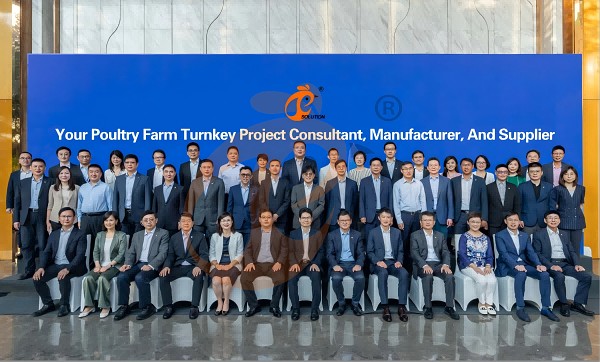
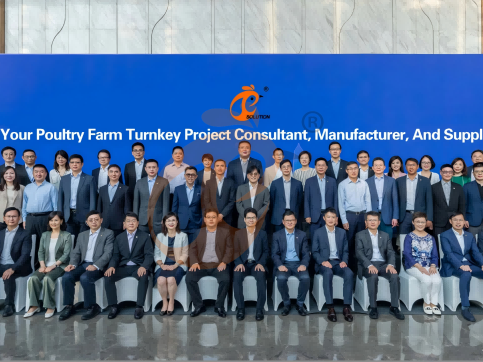
Hong Kong Headquarter Management Team
Hong Kong Headquarter Taiyu Industrial Group CO., LTD
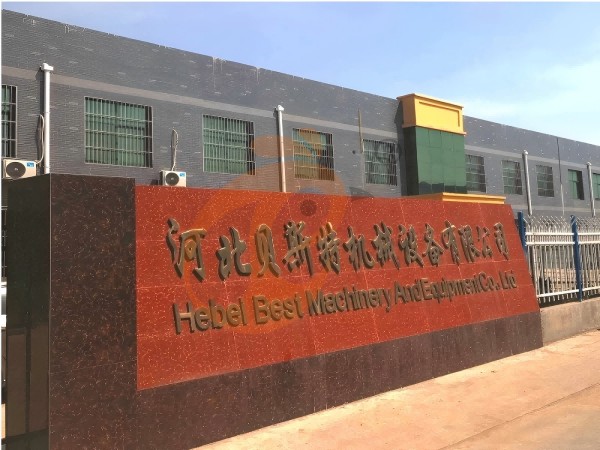
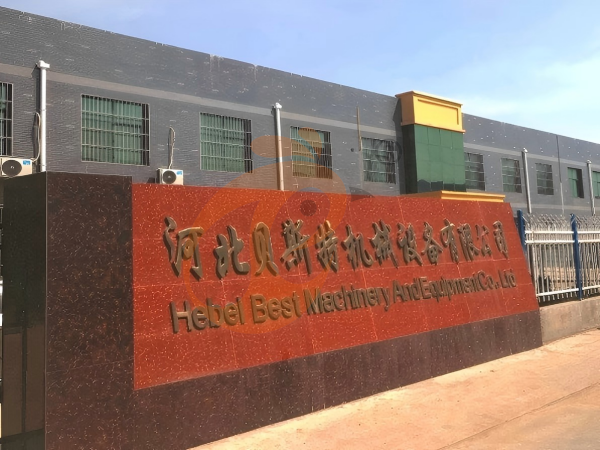
China Hebei Best Machinery And Equipment CO., LTD
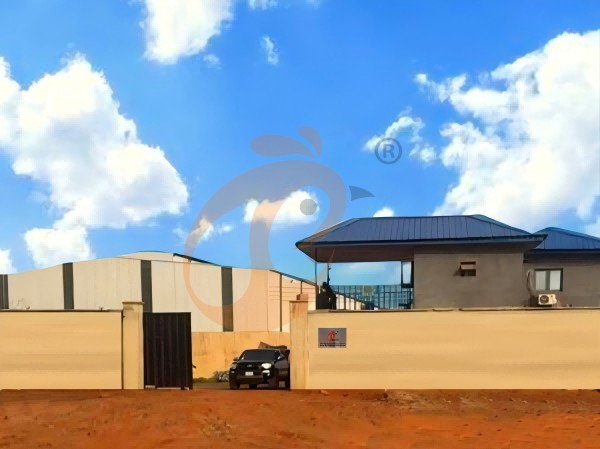
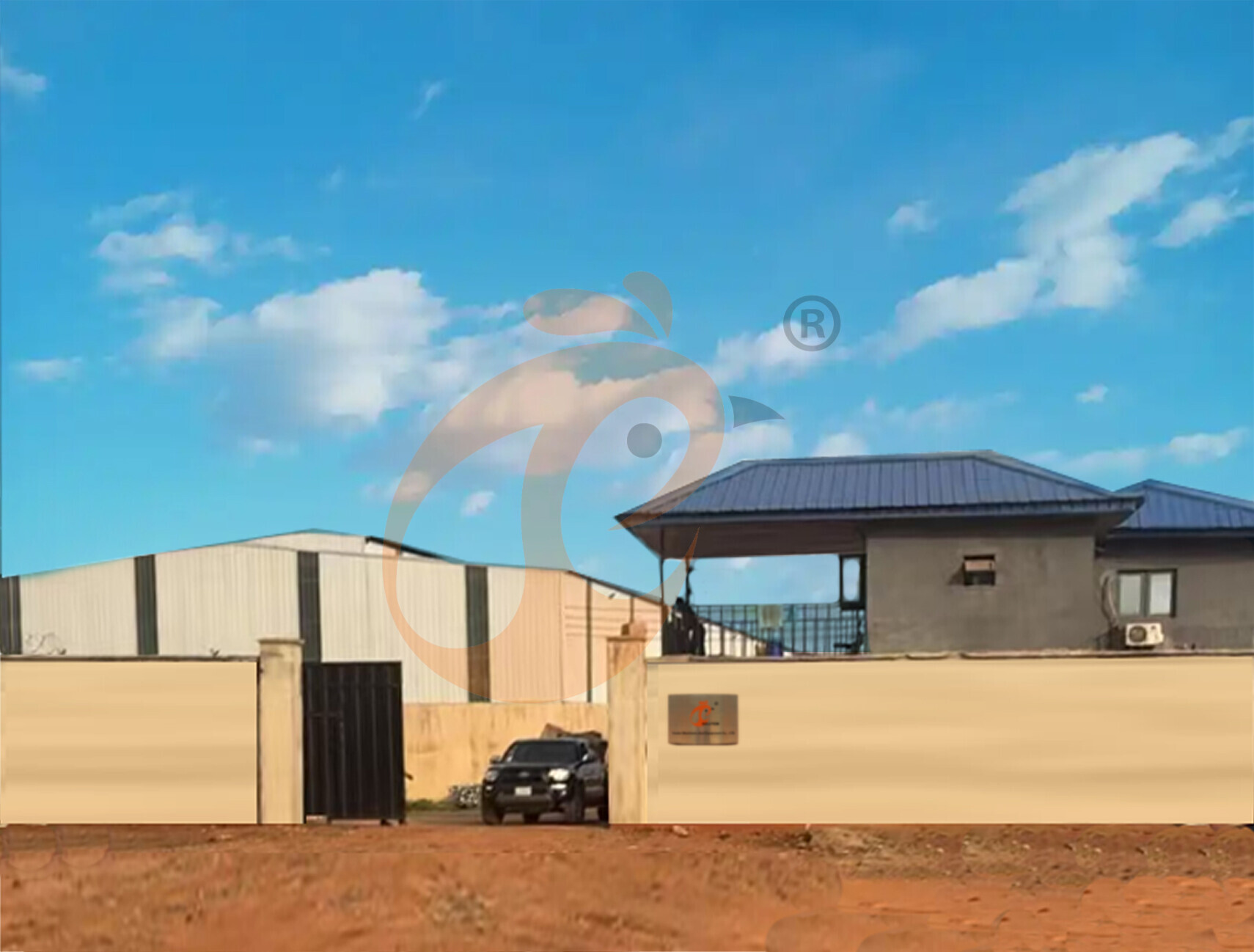
Nigeria Vanke Machinery And Equipment CO., LTD
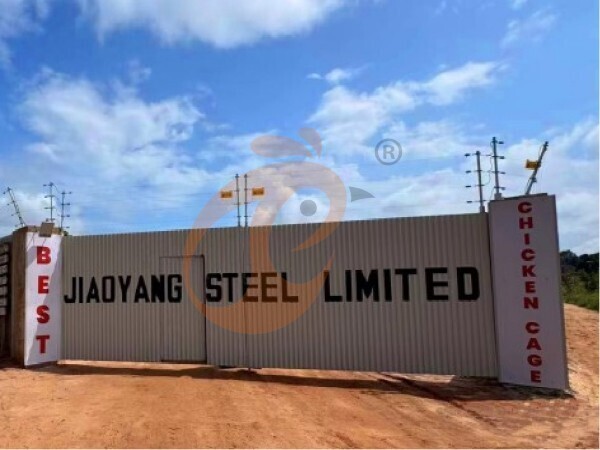
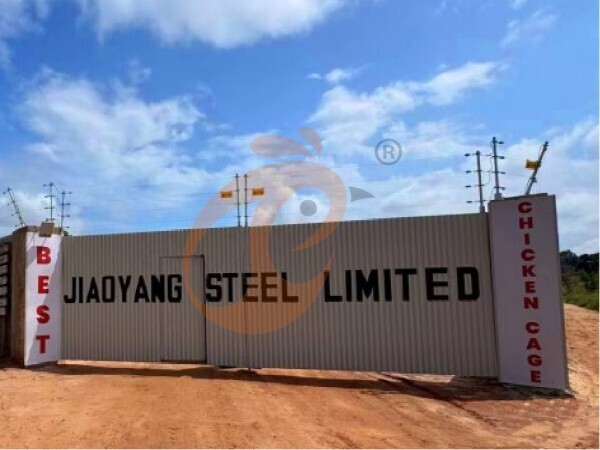
Tanzania Best Machinery And Equipment CO., LTD
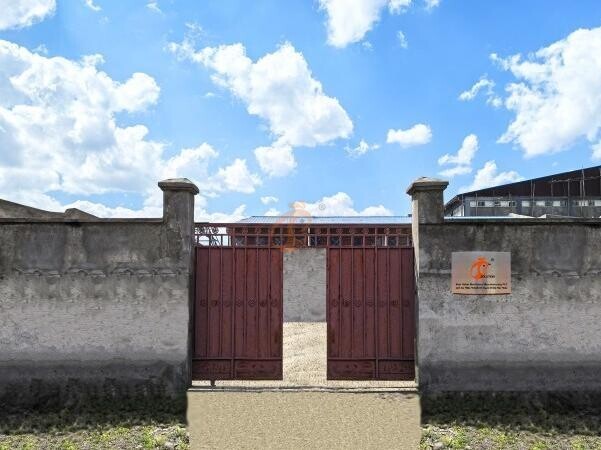
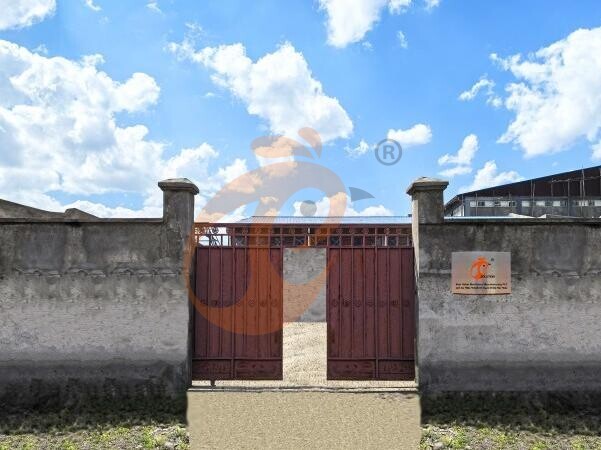
Ethiopia Best Hebei Machinery Manufacturing PLC
Reception /24 WhatsApp NO. : +8618830120193
FAQ
How Is Data Transmission Managed In Smart Chicken House Equipment For Poultry Chicken Monitoring Systems?
Data refresh intervals operate every 5–15 seconds for real-time monitoring accuracy.
Cloud synchronization latency remains within 1–3 seconds for remote access control.
What Alarm Functions Are Included In Smart Chicken House Equipment?
Gas concentration alerts trigger at 25–50 ppm ammonia levels protecting flock health.
System failure alarms respond within 3–5 seconds ensuring immediate fault notification.
How Does Smart Chicken House Equipment Improve Management Efficiency?
Data analytics improve feed conversion efficiency by 4%–7% through environmental optimization.
Predictive alerts reduce mortality risk by 3%–6% through early anomaly detection.
- poultry equipment
- layer cage
- poultry farm
- feeding equipment
- poultry farm
- poultry farm construction
- poultry equipment manufacturer
- poultry equipment supplier
- automatic poultry equipment
- poultry feeding equipment
- poultry drinking equipment
- poultry ventilation equipment
- poultry equipment cost
- poultry equipment quotation
- poultry drinking system
- poultry feeding system
- automatic drinking system
- automatic feeding system
- automatic poultry drinking system
- automatic poultry feeding system
- layer farm
- broiler farm
- poultry house
- poultry housing equipment
- poultry cooling system
- poultry equipment suppliers
- poultry equipment manufacturers
- Ethiopia
- Nigeria
Message
Products recommended
 HK Headquarter Offers EU-standard Poultry Farm Solutions, Manufacture Poultry Farm Equipment1. Continuous communication with the EU and the US
2. China, Nigeria, Ethiopia, Tanzania branch companies and factories
3. The products’ quality is customized for local poultry farms
4. Poultry cage and poultry farm equipment stock for sale
5. 24 online reception Whatsapp NO. : +8618830120193,contact us to get full informationRead More China Branch Offer Poultry Farm Business Plan, Manufacture Poultry Farm Equipment1. Address: Flat/RM 2416, 24/F, Runxing Building, Youyi Nan Street, Shijiazhuang City, Hebei Province, China
2. Poultry cage and poultry farm equipment factory and stock for sale
3. Customized for local poultry farms
4. Quality and design are based on Euro
5. 24 online reception Whatsapp NO. : +8618830120193Read More Nigeria Branch Offer Poultry Farm Business Plan, Manufacture Poultry Farm Equipment1. Address: After Sinoma Office, 200 Meters Near Danco Filling Station, Lagos/Ibadan Expressway, Lagos State, Nigeria
2. Poultry cage and poultry farm equipment factory and stock for sale
3. Customized for Nigerian poultry farms
4. Quality and design are based on Euro
5. 24 online reception Whatsapp NO. : +8618830120193Read More Ethiopia Branch Offer Poultry Farm Business Plan, Manufacture Poultry Farm Equipment1. Address: Gelan Gura, Akaki-kaliti Sub City, Addis Ababa, Ethiopia
2. Poultry cage and poultry farm equipment stock for sale
3. Customized for Ethiopian poultry farms
4. Quality and design are based on Euro
5. 24 online reception Whatsapp NO. : +8618830120193, contact us to get price listRead More Tanzania Branch Offer Poultry Farm Business Plan, Manufacture Poultry Farm Equipment1. Address: No.8, Sova Road, Msufini, Mlandizi, Kibaha, Pwani, Tanzania
2. Poultry cage and poultry farm equipment factory and stock for sale
3. Customized for Tanzanian poultry farms
4. Quality and design are based on Euro
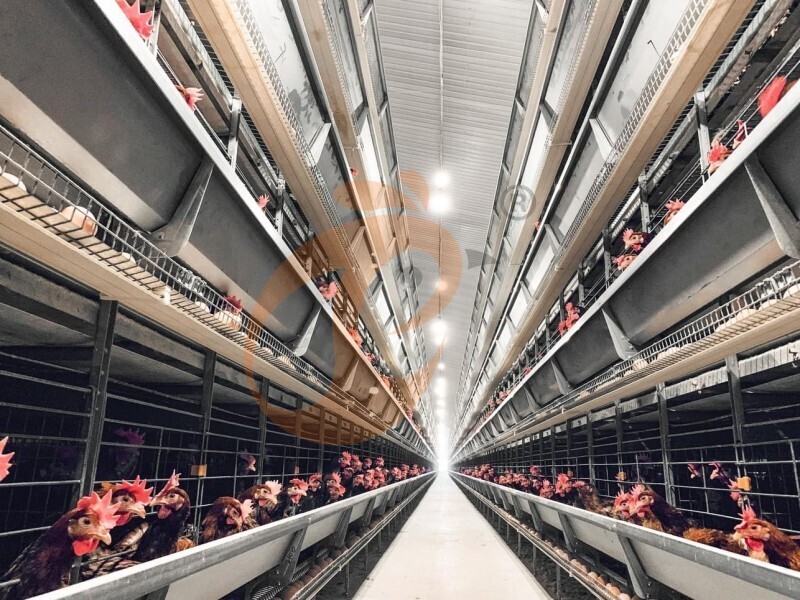
5. 24 online reception Whatsapp NO. : +8618830120193Read More Fully Automatic H Type Layer Chicken Cage1. 30,000-100,000+ layers/house chooses it, Poultry farmers can achieve an egg production rate of 96-98%
2. A significant improvement over the 85-90% typically seen in manual systems
3. A typical poultry farm can expect a 30-40% reduction in labor costs due to the automation
4. Each feeding line efficiently supplies feed to around 100,000 hens per 30 mins
5. Reception /WhatsApp NO. : +8618830120193Read More Fully Automatic A Type Layer Chicken Cage1. 10,000-50,000 layers/house chooses it
2. Cleaner egg collection reduces breakage by 0.5%
3. Improved hygiene helps reduce mortality rate to <3%
4. 1–2 technicians can handle 15,000–30,000 birds
5. Reception /WhatsApp NO. : +8618830120193Read More Semi Automatic H Type Layer Chicken Cage1. 1,00-20,000 layers/house chooses it
2. Nipple drinkers flow 30–60 ML / min
3. Hot-dip galvanized (typical coating ≥ 275 g/m²)
4. Reduce ammonia by ~ 35–40%
5. Reception /WhatsApp NO. : +8618830120193Read More Semi Automatic A Type Layer Chicken Cage1. 1,00-20,000 layers/house chooses it, no rust for 10 years, no deformation for 15 years
2. Chickens live comfortably, you can raise them with peace of mind
3. Save water, save money—efficiency you can measure
4. Improve environment quality, and increase egg production rate
5. Reception /WhatsApp NO. : +8618830120193Read More
By clicking 'Allow All', you agree to the storage of cookies on your device to enhance site navigation, analyze site usage and assist with our marketing efforts.