


Blog
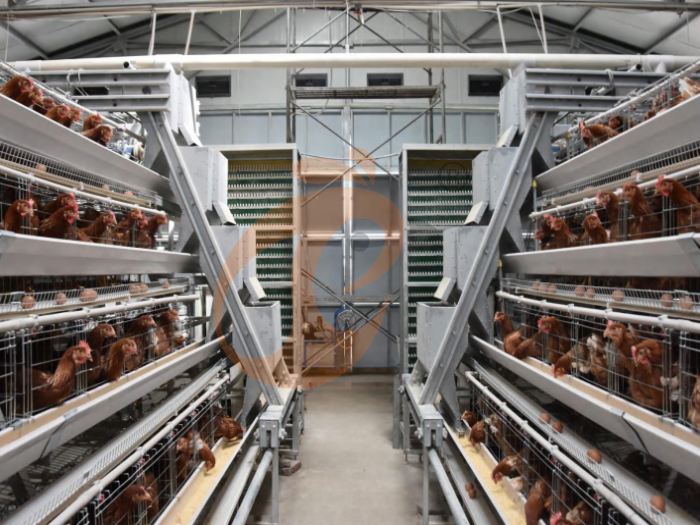
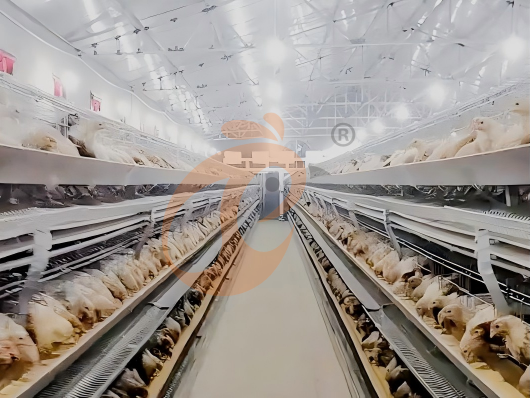
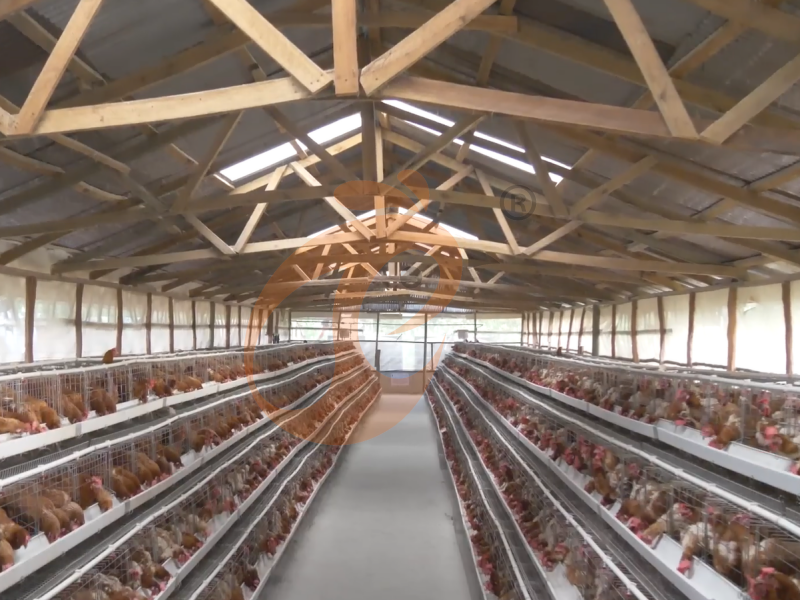
Layer chicken cage systems define industrial egg production architecture for commercial poultry farming operations worldwide standardized controlled environment systems framework.
Production stability depends on ventilation precision feed formulation stocking density control and environmental parameter synchronization in cage houses systems integration.
Cage design parameters determine egg output rate feed conversion efficiency mortality control and long term flock performance metrics evaluation model.
Mechanical automation improves egg collection efficiency manure removal consistency labor reduction and production cycle optimization in poultry systems engineering integration.
Layer housing infrastructure requires precise environmental control biosecurity management nutrition balance lighting schedule coordination and operational monitoring protocols standard framework.
Get professional poultry farm construction guidance, equipment selection solutions, and the latest price lists, whatsApp to +8618830120193, +2348111199996, or click to learn more.
Industrial Layer Cage Systems As The Core Production Asset
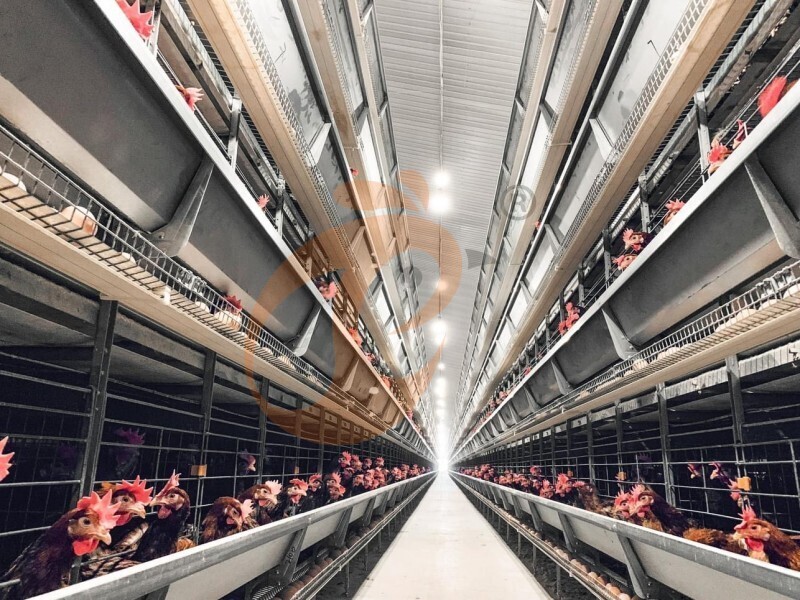
Modern egg production farms rely on standardized layer chicken cage system as central infrastructure for productivity control.
A well designed cage system directly determines stocking capacity feed efficiency egg collection speed and mortality rate.
In commercial operations cage systems typically represent USD 35,000–50,000 per standard 20,000-bird house equipment package, European union standard reference only.
The structural parameters of the cage affect ventilation flow manure discharge efficiency and bird movement stability.
Data is for reference only.Swipe horizontally to view full table.
A stable cage structure ensures uniform load distribution and reduces deformation over long production cycles exceeding 8–10 years.
Stocking Density Control For Productivity Stability
Stocking density directly affects feed competition feather condition and egg production rate.
Precision allocation ensures consistent laying cycles and reduces mechanical stress between birds using optimized poultry cage equipment.
Data is for reference only.Swipe horizontally to view full table.
Proper density alignment improves laying rate stability across the full production cycle of 72–80 weeks.
Ventilation Engineering In Cage Houses
Airflow design ensures ammonia dilution heat removal and oxygen supply balance.
Improper ventilation leads to respiratory stress and reduced egg mass output in systems integrated with layer chicken cage system layouts.
Data is for reference only.Swipe horizontally to view full table.
Air exchange consistency ensures stable metabolic energy allocation for egg production instead of thermoregulation.
Lighting Control System For Hormonal Regulation
Lighting schedules regulate reproductive endocrine rhythm in laying hens.
Egg production is directly influenced by photoperiod stability combined with automatic egg collection system synchronization.
Data is for reference only.Swipe horizontally to view full table.
Controlled lighting increases laying synchronization and improves egg size uniformity across flocks.
Precision Feeding System In Cage Farming
Feed conversion efficiency is a primary economic indicator in layer production.
Balanced nutrient delivery supports shell formation and yolk development in farms using layer chicken cage system optimization.
Data is for reference only.Swipe horizontally to view full table.
Feed formulation accuracy reduces shell defects and stabilizes egg weight between 58–65 g.
Water System Engineering For Egg Formation Efficiency
Water consumption influences digestion nutrient transport and egg formation speed.
In layer farming water intake typically exceeds feed intake by a ratio of 1.8:1 within poultry cage equipment environments.
Data is for reference only.Swipe horizontally to view full table.
Stable hydration improves albumen viscosity and reduces shell deformation incidents.
Manure Removal And Hygiene Automation System
Manure accumulation increases ammonia concentration and microbial load inside cage houses.
Automated belt cleaning systems maintain environmental stability in poultry cage equipment structures.
Data is for reference only.Swipe horizontally to view full table.
Efficient manure removal reduces disease transmission risk and stabilizes egg laying consistency.
Egg Collection Automation And Handling System
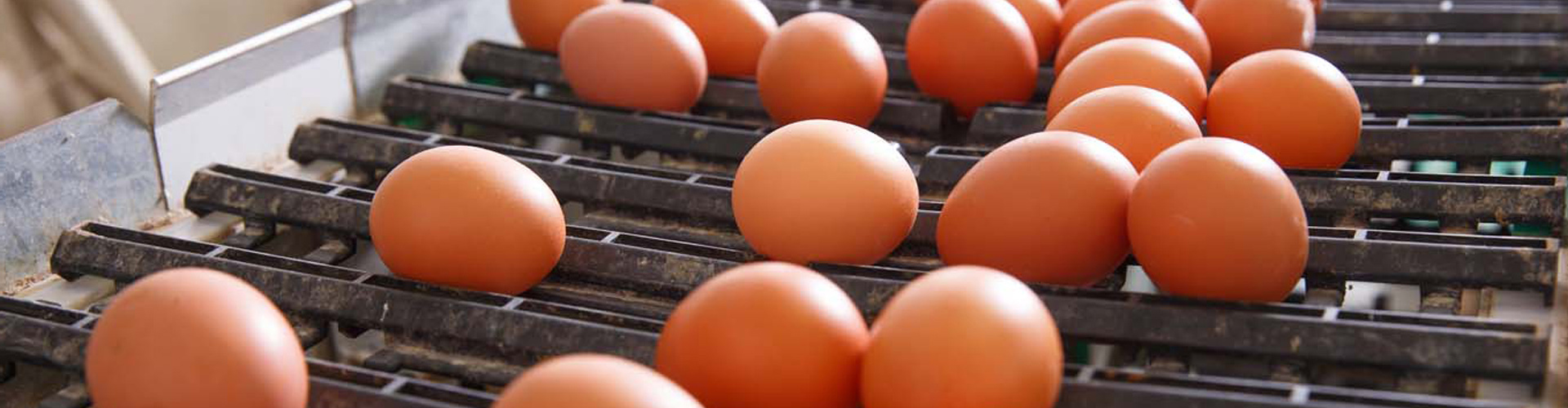
Egg collection timing and conveyor efficiency directly affect breakage rate and commercial grade ratio.
Mechanical systems using automatic egg collection system reduce human contact and contamination risk.
Data is for reference only.Swipe horizontally to view full table.
Higher collection frequency improves grade A egg ratio by reducing shell exposure time.
Biological Mechanism Of Egg Formation In Cage Systems
Egg formation occurs in a 24–26 hour cycle within the hen’s reproductive tract.
Each egg requires approximately 2.1–2.4 g calcium carbonate.
Metabolic energy distribution is tightly linked to cage environment stability.
Heat stress above 28 °c reduces egg output cycles per week by measurable physiological interruption.
Calcium metabolism efficiency is directly influenced by layer chicken cage system environmental consistency.
Performance Indicators In Commercial Cage Farms
Commercial layer farms rely on measurable KPIs to evaluate cage system efficiency.
Hen-day egg production percentage reflects daily laying stability across flock population.
Feed conversion ratio measures kilograms of feed required per kilogram of egg mass output.
Egg weight distribution in grams evaluates uniformity across production batches.
Mortality rate per 1,000 birds tracks flock health and survival efficiency.
Shell crack ratio per 10,000 eggs measures handling and structural integrity performance.
Farms using automated cage systems typically maintain egg production rates between 88% and 94% during peak cycles.
Integrated Cage System Optimization Strategy
High-yield egg production requires synchronized engineering control across cage structure environment nutrition and automation layers within poultry cage equipment systems.
Structural load stability cage frame deflection ≤ 2.0 mm under 120 kg/m module stress ensuring long-term deformation resistance.
Air distribution balance airflow uniformity deviation controlled within 8% across multi-tier housing zones reducing localized heat accumulation.
Nutrient delivery accuracy feed distribution error maintained within ±3 g per feeding line stabilizing daily intake consistency.
Automation response timing egg collection conveyor synchronization delay ≤ 1.2 seconds minimizing shell contact stress.
Each subsystem operates as an interconnected performance unit ensuring measurable efficiency gain per production cycle and improving total laying output stability.
Frequently Asked Questions
Q1:How does cage system structure affect egg production performance?
Layer chicken cage system structure determines airflow uniformity, stocking density stability, and mechanical stress distribution.
These factors directly influence egg production rate consistency and shell quality stability across production cycles.
Q2: What role does automation play in egg yield improvement?
A2: Automatic egg collection systems reduce breakage rate from 3.2% to 1.8%.
They also improve the ratio of grade A eggs and stabilize collection timing, ensuring reduced contamination and higher commercial value per production cycle.
Q3: Why is environmental control critical in poultry cage equipment systems?
A3: Poultry cage equipment integrates ventilation, lighting, and manure removal systems.
Maintaining ammonia below 15 ppm, humidity near 60%, and temperature between 18–24 °C ensures optimal laying performance stability.
Taiyu (HK) Group - One Of China Most Famous Layer Chicken Cage Manufacturer
Layer chicken cage system production with high strength galvanized steel structure and automated fabrication precision engineering line output.
Global poultry cage equipment supply with turnkey poultry farm design installation and operational training integration services.
Automatic egg collection system manufacturing for intensive layer farming projects with standardized modular design architecture.
Industrial poultry farming equipment exporter delivering ventilation feeding and manure removal integrated system solutions worldwide.
Turn key poultry engineering projects covering cage house design ventilation layout and complete production system commissioning support.
Contact Us To Received Your Customized Poultry Farm Plan
Headquarters And Branchs

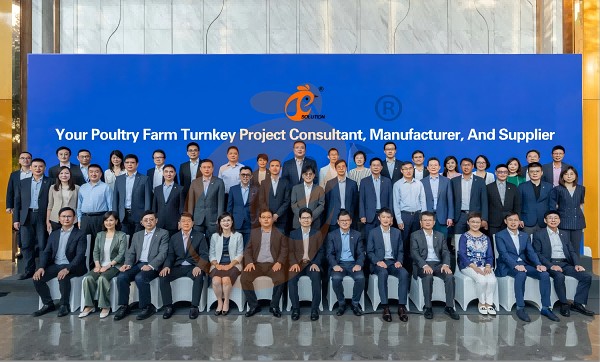
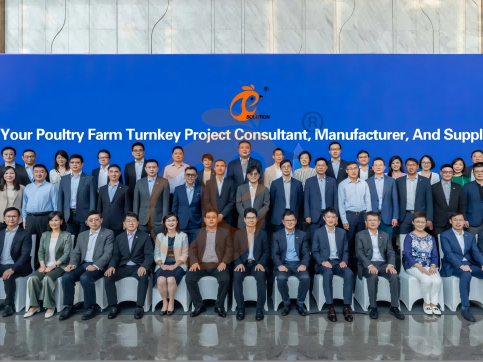
Hong Kong Headquarter Management Team
Hong Kong Headquarter Taiyu Industrial Group CO., LTD
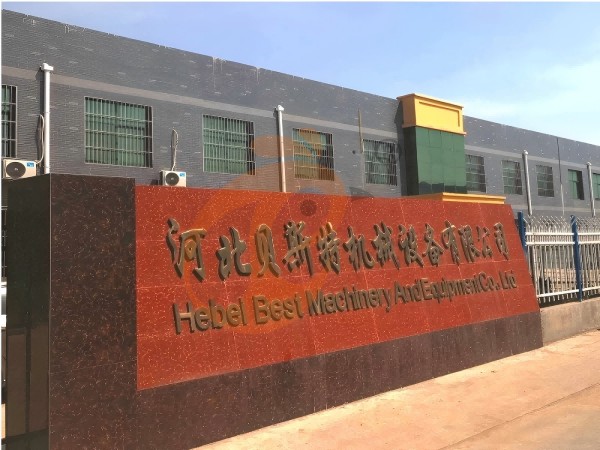
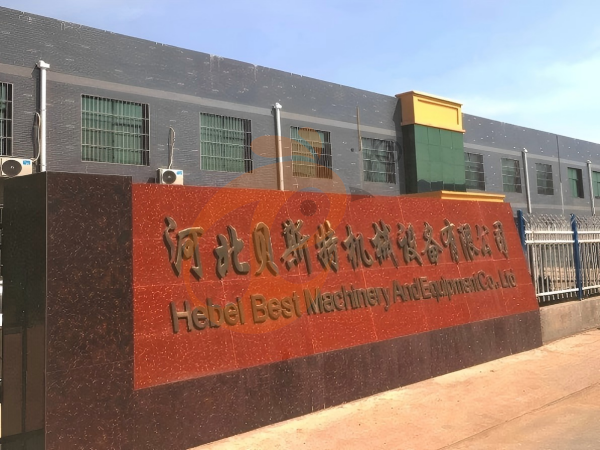
China Hebei Best Machinery And Equipment CO., LTD
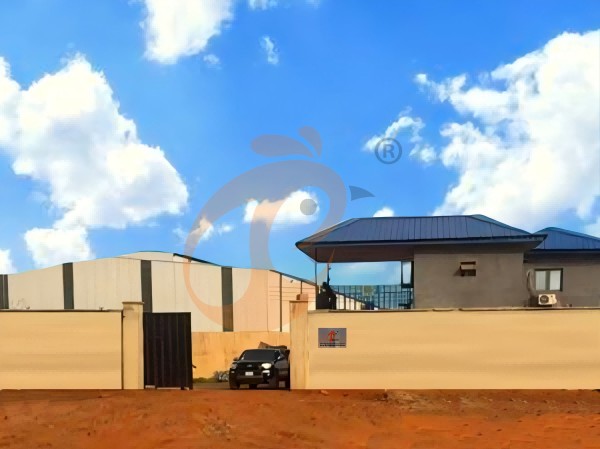
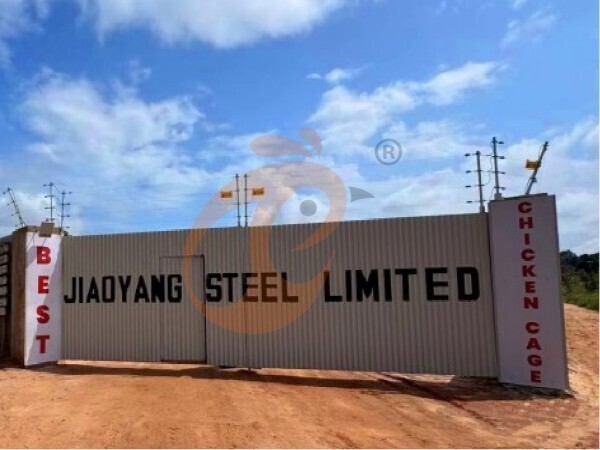
Nigeria Vanke Machinery And Equipment CO., LTD
Tanzania Best Machinery And Equipment CO., LTD
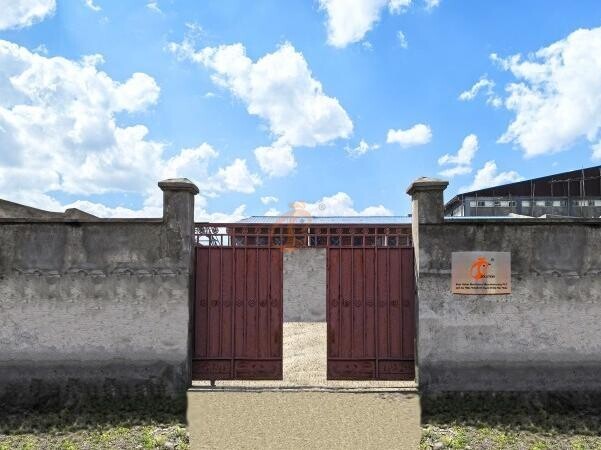
Ethiopia Best Hebei Machinery Manufacturing PLC
Reception /24 WhatsApp NO. : +8618830120193
FAQ
How To Select The Best Poultry Cage System For High-Density Egg Production?
Include automatic feeding, drinking, egg collection, and manure cleaning systems to boost egg production to 90–98%.
Regularly monitor feed efficiency and mortality; FCR maintained at 1.9–2.1.
What Are The Ultimate Tips For Temperature And Humidity Control In Chicken Cage Farms?
Use sensors to monitor each house and adjust airflow with ventilation fans.
Optimized temperature/humidity can increase egg production 2–3% and reduce mortality to 2–3%.
How To Reduce Egg Breakage In Advanced Battery Cage Systems?
Each belt can transport 4,000–6,000 eggs/hour, reducing manual handling.
Regularly clean belts; breakage rate can be maintained at 2–3%.
- chicken cage
- layer cage
- poultry farm
- poultry cage
- poultry farm
- poultry farm construction
- poultry farm design
- layer cage system
- poultry cage equipment
- layer farm
- chicken cage system
- chicken cage system manufacturer
- layer chicken cage
- poultry farming equipment
- poultry farming equipment exporter
- Ethiopia
- Nigeria
Message
Products recommended
 HK Headquarter Offers EU-standard Poultry Farm Solutions, Manufacture Poultry Farm Equipment1. Continuous communication with the EU and the US
2. China, Nigeria, Ethiopia, Tanzania branch companies and factories
3. The products’ quality is customized for local poultry farms
4. Poultry cage and poultry farm equipment stock for sale
5. 24 online reception Whatsapp NO. : +8618830120193,contact us to get full informationRead More China Branch Offer Poultry Farm Business Plan, Manufacture Poultry Farm Equipment1. Address: Flat/RM 2416, 24/F, Runxing Building, Youyi Nan Street, Shijiazhuang City, Hebei Province, China
2. Poultry cage and poultry farm equipment factory and stock for sale
3. Customized for local poultry farms
4. Quality and design are based on Euro
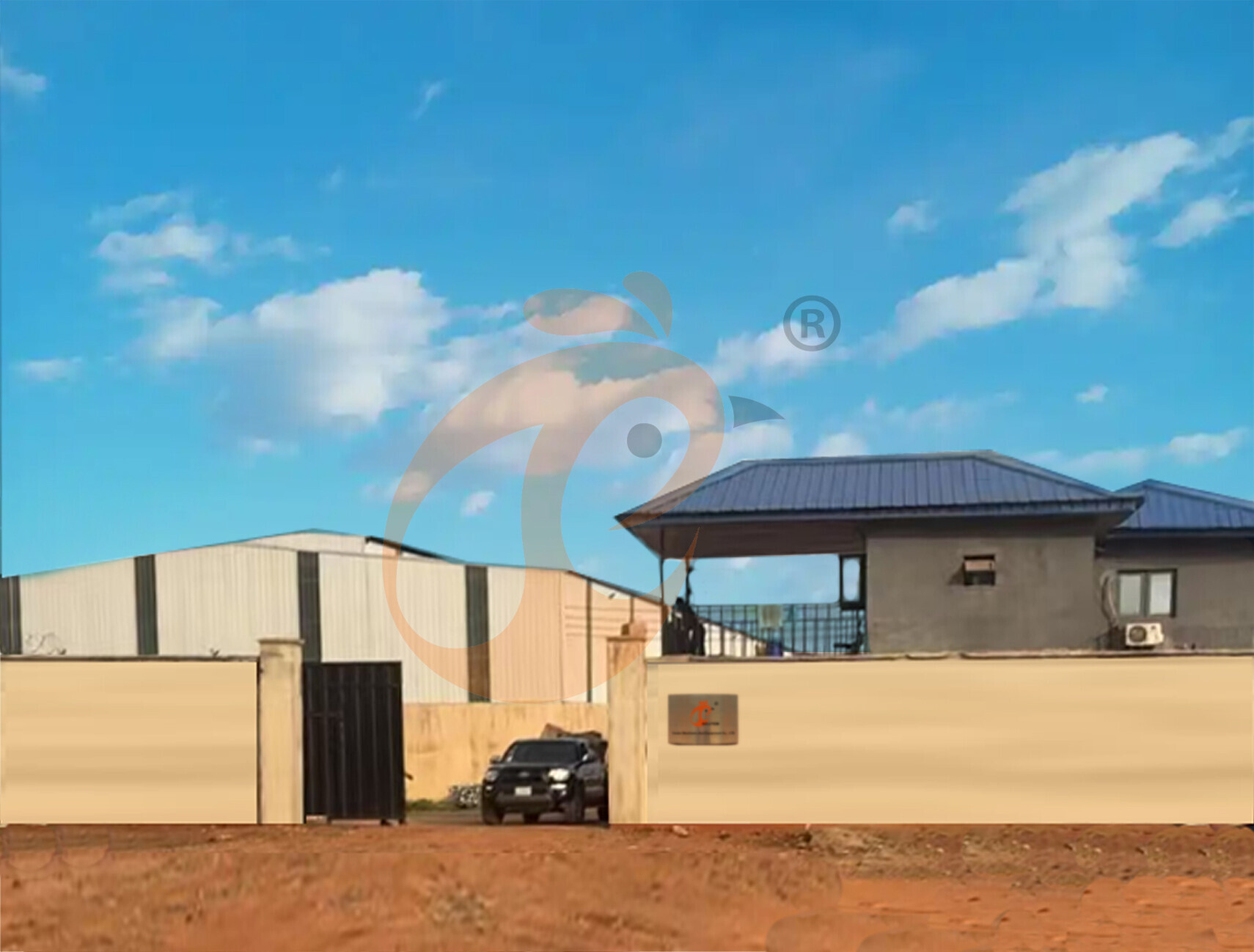
5. 24 online reception Whatsapp NO. : +8618830120193Read More Nigeria Branch Offer Poultry Farm Business Plan, Manufacture Poultry Farm Equipment1. Address: After Sinoma Office, 200 Meters Near Danco Filling Station, Lagos/Ibadan Expressway, Lagos State, Nigeria
2. Poultry cage and poultry farm equipment factory and stock for sale
3. Customized for Nigerian poultry farms
4. Quality and design are based on Euro
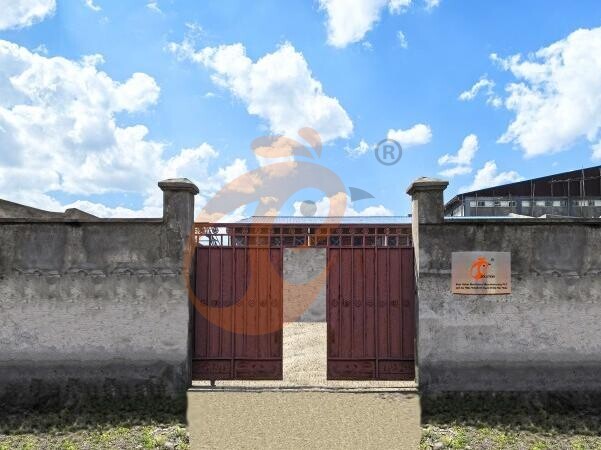
5. 24 online reception Whatsapp NO. : +8618830120193Read More Ethiopia Branch Offer Poultry Farm Business Plan, Manufacture Poultry Farm Equipment1. Address: Gelan Gura, Akaki-kaliti Sub City, Addis Ababa, Ethiopia
2. Poultry cage and poultry farm equipment stock for sale
3. Customized for Ethiopian poultry farms
4. Quality and design are based on Euro
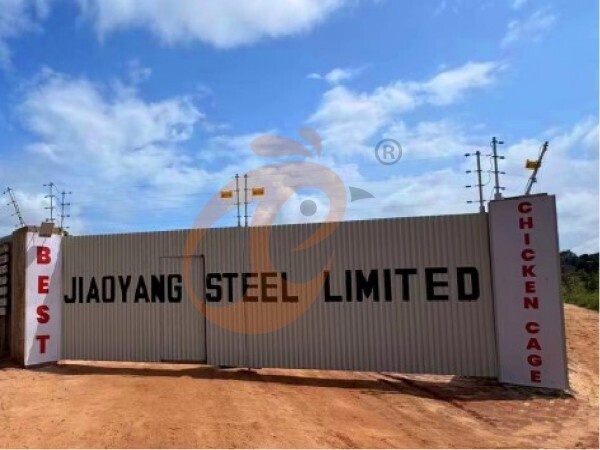
5. 24 online reception Whatsapp NO. : +8618830120193, contact us to get price listRead More Tanzania Branch Offer Poultry Farm Business Plan, Manufacture Poultry Farm Equipment1. Address: No.8, Sova Road, Msufini, Mlandizi, Kibaha, Pwani, Tanzania
2. Poultry cage and poultry farm equipment factory and stock for sale
3. Customized for Tanzanian poultry farms
4. Quality and design are based on Euro
5. 24 online reception Whatsapp NO. : +8618830120193Read More Fully Automatic H Type Layer Chicken Cage1. 30,000-100,000+ layers/house chooses it, Poultry farmers can achieve an egg production rate of 96-98%
2. A significant improvement over the 85-90% typically seen in manual systems
3. A typical poultry farm can expect a 30-40% reduction in labor costs due to the automation
4. Each feeding line efficiently supplies feed to around 100,000 hens per 30 mins
5. Reception /WhatsApp NO. : +8618830120193Read More Fully Automatic A Type Layer Chicken Cage1. 10,000-50,000 layers/house chooses it
2. Cleaner egg collection reduces breakage by 0.5%
3. Improved hygiene helps reduce mortality rate to <3%
4. 1–2 technicians can handle 15,000–30,000 birds
5. Reception /WhatsApp NO. : +8618830120193Read More Semi Automatic H Type Layer Chicken Cage1. 1,00-20,000 layers/house chooses it
2. Nipple drinkers flow 30–60 ML / min
3. Hot-dip galvanized (typical coating ≥ 275 g/m²)
4. Reduce ammonia by ~ 35–40%
5. Reception /WhatsApp NO. : +8618830120193Read More Semi Automatic A Type Layer Chicken Cage1. 1,00-20,000 layers/house chooses it, no rust for 10 years, no deformation for 15 years
2. Chickens live comfortably, you can raise them with peace of mind
3. Save water, save money—efficiency you can measure
4. Improve environment quality, and increase egg production rate
5. Reception /WhatsApp NO. : +8618830120193Read More
By clicking 'Allow All', you agree to the storage of cookies on your device to enhance site navigation, analyze site usage and assist with our marketing efforts.