






Blog
- Automatic poultry cage system economics combine equipment investment, labor reduction, production continuity, and scalable house planning, with commercial configurations reaching 100,000 birds while maintaining coordinated feeding, watering, egg handling, and manure management for demanding layer operations
Automatic layer cage system budgeting compares six practical investment scenarios, showing how flock capacity, cage tiers, electrical architecture, conveyor design, and labor conditions influence equipment selection, operational efficiency, and long-term project economics across different commercial poultry farms
Poultry cage equipment performance depends on engineering specifications, including cage dimensions, wire diameter, motor capacity, conveyor width, manure-belt construction, control architecture, and galvanized protection, rather than quotation totals considered without technical context
Feeding, egg collection, manure removal, maintenance, and ownership calculations reveal where automation creates measurable commercial value, while integrated poultry-house equipment connects individual systems into coordinated production workflows with fewer operational interfaces
- Technical purchasing should therefore balance equipment configuration, expansion requirements, installation planning, service capability, and supplier engineering support, creating a practical route toward reliable poultry production rather than selecting equipment solely according to initial acquisition cost
Get professional poultry farm construction guidance, equipment selection solutions, and the latest price lists, whatsApp to +8618830120193, +2348111199996, or click to learn more.
Budget Snapshot: Manual Vs. Automatic Cage Systems
Choosing poultry equipment requires more than comparing quotation totals.
A manual cage arrangement can reduce the initial equipment package, while an automatic poultry cage system integrates feeding, watering, egg collection, manure handling, and environmental management into one production workflow.
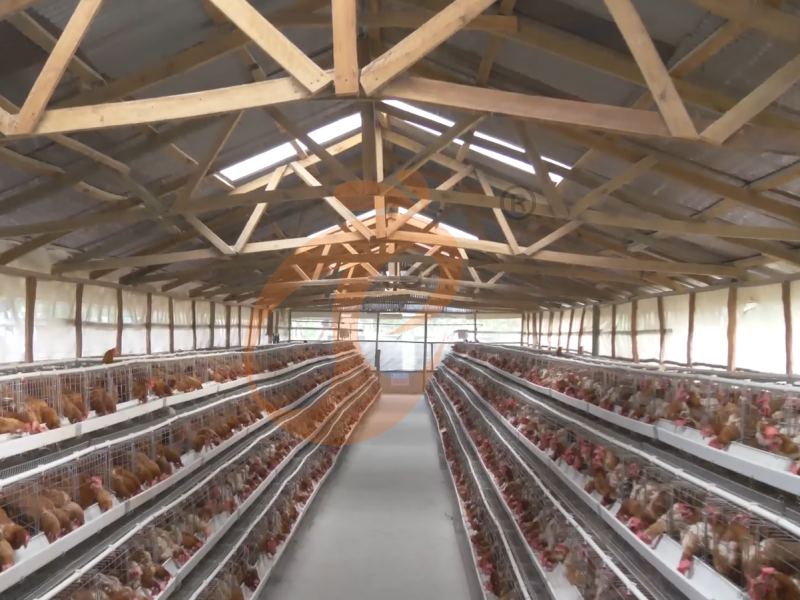
Commercial H-type systems are commonly configured with 3–8 tiers, while some automatic A-type systems use 3–5 tiers.
Data is for reference only.Swipe horizontally to view full table.
For a new poultry house, equipment selection should also consider the building layout, service aisle, feed storage, ventilation path, and future expansion.
A properly engineered poultry cage equipment system prevents individual components from becoming bottlenecks after installation.
Budget Comparison #1: Initial Equipment Investment
Think of the first quotation as the entry point, not the final operating calculation.
Manual poultry cage systems require workers to handle feeding, egg collection, and manure removal.
Automatic systems add motors, conveyors, control cabinets, and transmission components, increasing the equipment package while changing the daily workflow.
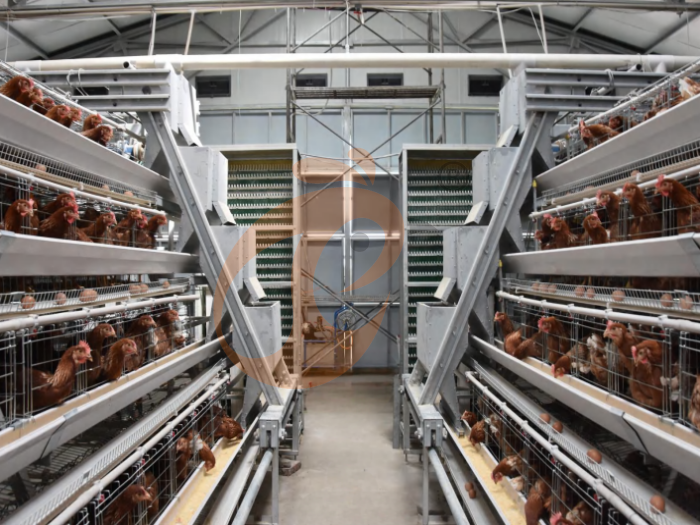
Automatic layer cage systems can combine galvanized structures with motor-driven feeding, nipple drinking, egg belts, and manure belts.
Some systems are designed for service lives of 15–20 years, making structural durability an important part of long-term purchasing decisions.
Equipment strategy If the farm is designed for expansion, specifying automation-ready poultry cage equipment at the beginning can avoid later reconstruction.
Budget Snapshot: Six Typical Investment Scenarios
The appropriate system depends on flock capacity, building configuration, labor availability, and automation objectives.
Automatic commercial cage systems are particularly suited to larger operations, with some current H-type configurations designed for farms housing 30,000+ layers.
Data is for reference only.Swipe horizontally to view full table.
These figures are planning examples rather than universal quotations.
Final capacity should be calculated from cage dimensions, bird allocation, house length, aisle arrangement, and local production requirements.
The Labor Equation: Where Automation Starts Paying Back
Question 1 — What work consumes the most time?
Manual systems transfer work directly to employees.
Automatic layer cage systems transfer repetitive movement to mechanical equipment, allowing personnel to concentrate on flock inspection, equipment checks, egg quality, and production records.
Question 2 — Where does workflow improve?
A properly integrated system can coordinate multiple operations from a central control panel.
Automatic poultry cage equipment can combine feeding, watering, manure cleaning, egg collection, and climate control instead of requiring separate manual routines.
The commercial value therefore comes from workflow redesign rather than simply replacing a worker with a machine.
Budget Comparison #2: Feeding Equipment
Feed delivery should be evaluated according to distribution capacity, drive configuration, and compatibility with the cage layout.
Modern automatic poultry cage equipment can use chain or spiral feeding arrangements, with one commercial system specifying a 110 mm spiral auger and 3.5 t/h delivery capacity.
Data is for reference only.Swipe horizontally to view full table.
A professional poultry equipment supplier should calculate the feeding line from house length, flock quantity, feed density, line arrangement, and silo position rather than selecting a motor independently.
European union standard reference only.
Budget Comparison #3: Egg Collection
Egg collection demonstrates the difference between manual handling and an integrated production line.
Manual workflow
Collect → carry → sort → transport → ppack
Automatic workflow
Cage → egg belt → transverse conveyor → elevator → collection table
Modern automatic layer cage systems can use food-grade pp/pe carriers, galvanized structural frames, variable-speed drives, and centralized collection tables.
Typical systems can process 10,000–100,000 eggs/hour, depending on configuration.
Data is for reference only.Swipe horizontally to view full table.
For a commercial layer farm, the egg system should be designed together with cage-row length and building orientation so that transfer points remain accessible for cleaning and maintenance.
Budget Comparison #4: Manure Management
Manure handling deserves the same engineering attention as feeding and egg collection.
Automatic poultry cage equipment commonly uses pp or pvc belts combined with scrapers, allowing manure to be moved from beneath multiple cage tiers without requiring workers to enter every row for routine removal.
Data is for reference only.Swipe horizontally to view full table.
Automatic manure removal can be incorporated into A-type and H-type cage systems, creating a continuous equipment chain from bird housing to waste discharge.
A Buyer's Decision Test: Choose With Three Questions
Question 1 — What cage density will the building support?
Do not select equipment before confirming usable floor dimensions.
Commercial cage specifications can differ substantially; one H-type configuration, for example, lists 600 × 600 × 510 mm cage dimensions and 450 cm²/bird as reference values.
Question 2 — How will the feed and water lines be positioned?
Water delivery requires pressure management and correct nipple placement.
Some poultry cage equipment systems specify approximately 3–5 birds per nipple, depending on configuration.
Question 3 — How will the house operate after expansion?
If additional cage rows are planned, the control architecture, feed distribution, electrical capacity, and egg-transfer route should be considered before construction.
These engineering details often have a greater effect on project performance than the difference between two cage quotations.
Budget Comparison #5: Maintenance And Operating Costs
Automation introduces additional mechanical and electrical components, so maintenance specifications should be included in the purchase evaluation.
Egg collection systems, for example, can use overload protection and accessible transmission components to simplify inspection.
Data is for reference only.Swipe horizontally to view full table.
One current egg-elevator specification uses an 80–100 μm zinc coating and recommends monthly maintenance access, illustrating why corrosion protection and service procedures should be included in equipment selection.
Budget Comparison #6: Total Cost Of Ownership
A more useful purchasing formula is
Total cost = equipment + installation + labor + maintenance + upgrades + operating efficiency
The actual calculation should use project-specific values rather than generic labels.
Cage wire, belt dimensions, drive capacity, electrical configuration, and automation architecture all influence the final quotation.
Data is for reference only.Swipe horizontally to view full table.
These specifications show why equipment quotations should be compared line by line.
A lower initial number may exclude conveyors, control equipment, manure belts, installation, or environmental components.
From Cage Supplier To Complete Poultry-House Partner
A cage is only one part of a commercial poultry-house system.
An integrated supplier can coordinate cages with feeding, drinking, ventilation, cooling, lighting, manure removal, egg collection, and control systems.
Automatic poultry cage equipment can integrate 220/380 v, 50/60 hz electrical configurations with motorized feeding, nipple watering, egg conveyors, and automatic manure belts.
The major advantage is interface compatibility.
Cage dimensions determine feeder position; tier height affects egg transfer; manure-belt location affects service clearance; and ventilation equipment must match the building volume.
A complete poultry-equipment manufacturer can therefore provide more value than a supplier selling individual components.
Final Budget Comparison: Which System Fits Your Farm?
Data is for reference only.Swipe horizontally to view full table.
The Bottom Line
Manual poultry cage systems remain useful where the project requires simple equipment and direct operator control.
Automatic layer cage systems become increasingly attractive when the farm needs coordinated feeding, egg collection, manure removal, and environmental management.
The better purchasing method is to compare actual engineering specifications, including cage dimensions, wire diameter, motor power, belt width, conveyor capacity, electrical requirements, coating thickness, and control architecture.
For commercial producers, our poultry cage equipment approach is based on the complete production chain rather than the cage alone.
We can configure layer cages, automatic feeding, nipple drinking, egg collection, manure removal, ventilation, cooling, lighting, and environmental control according to flock size and building layout.
The objective is straightforward: design equipment around the farm's production requirements today while leaving a practical route for tomorrow's expansion.
Frequently Asked Questions
Q1: Which system is more suitable for a 30,000-layer project?
A1: An automatic poultry cage system is generally more practical because centralized feeding, egg collection, and manure removal reduce repetitive handling across multiple cage rows.
Q2: What should buyers compare besides the equipment price?
A2: Compare cage dimensions, wire specifications, drive capacity, conveyor configuration, galvanized protection, electrical architecture, installation scope, and spare-parts support.
Q3: Can automatic equipment support future expansion?
A3: Yes, when the initial poultry equipment design reserves electrical capacity, control interfaces, service clearance, and expansion routes for additional cage rows.
Taiyu (HK) Group - One Of China Toppest Automatic Poultry Cage System Manufacturer
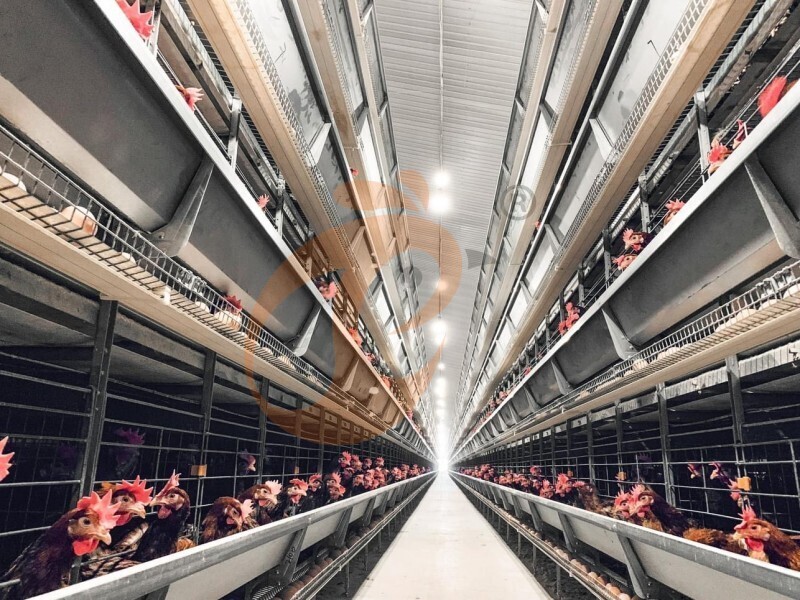
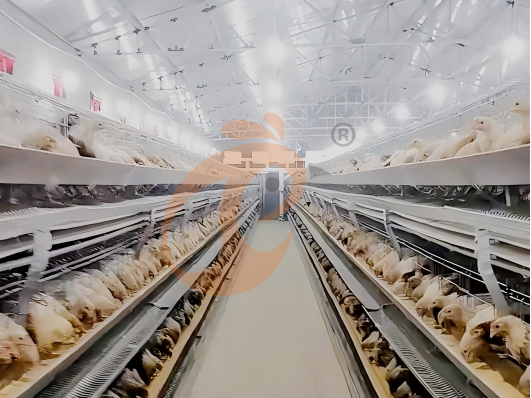
Automatic poultry cage system integrates cage structure, feeding, watering, egg collection, manure removal, and control interfaces into a coordinated commercial layer-production configuration
Global factory-direct supply provides poultry equipment with production engineering, component matching, installation guidance, commissioning support, and export-oriented technical documentation
Turn-key poultry equipment engineering connects house layout, cage arrangement, feeding lines, manure systems, egg conveyors, ventilation, cooling, and environmental controls within one project structure
International project delivery supports farm developments from equipment specification and manufacturing through container loading, site installation, system commissioning, and operational handover
Commercial poultry-house engineering focuses on capacity planning, equipment interfaces, service access, electrical requirements, expansion allowance, and maintainable production workflows
Contact Us To Received Your Customized Poultry Farm Plan
Headquarters And Branchs

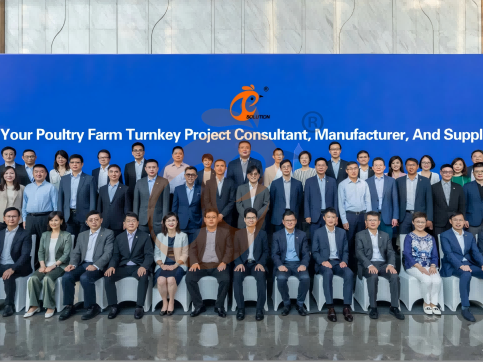
Hong Kong Headquarter Management Team
Hong Kong Headquarter Taiyu Industrial Group CO., LTD
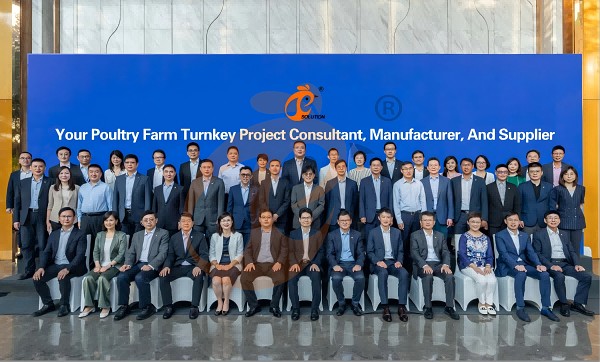
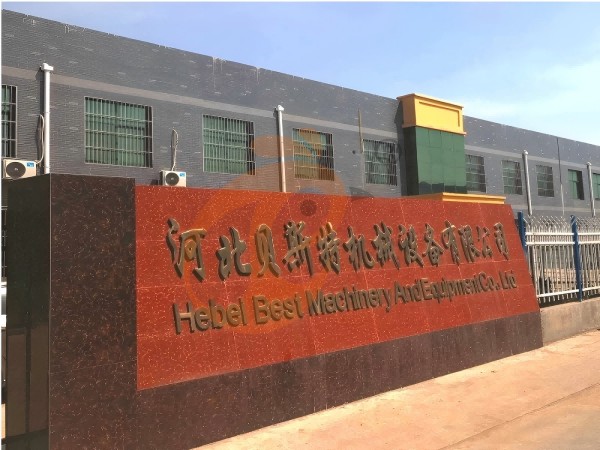
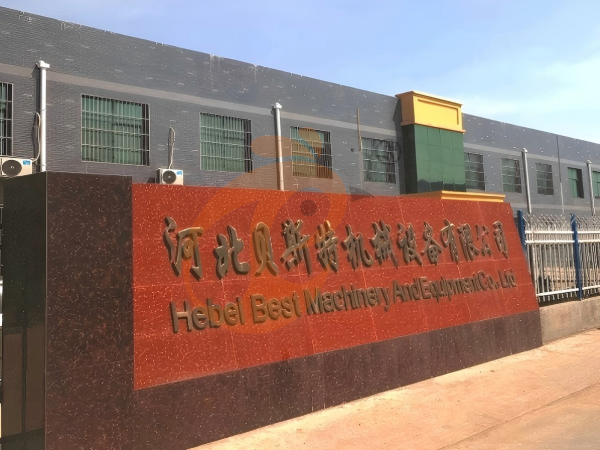
China Hebei Best Machinery And Equipment CO., LTD
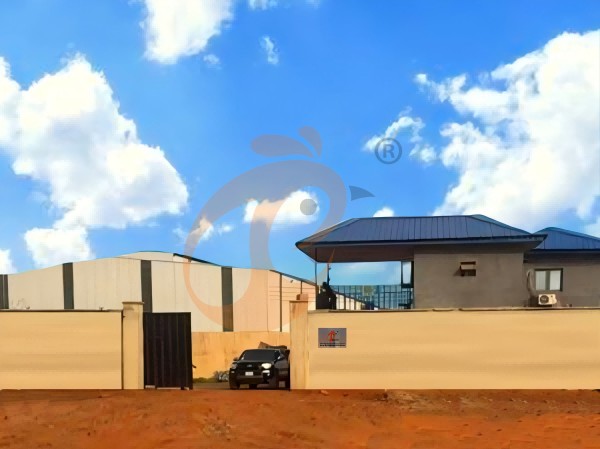
Nigeria Vanke Machinery And Equipment CO., LTD
Tanzania Best Machinery And Equipment CO., LTD
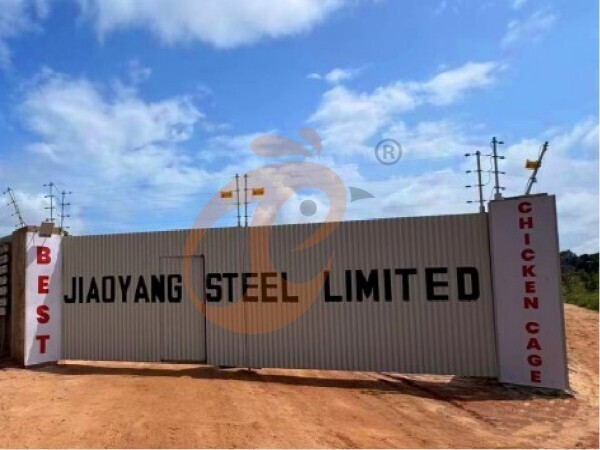
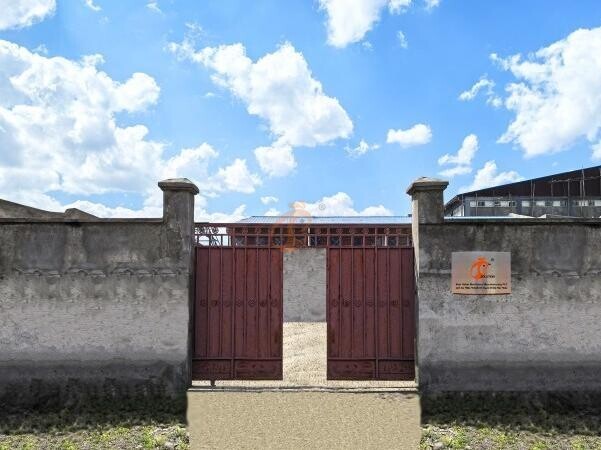
Ethiopia Best Hebei Machinery Manufacturing PLC
Reception /24 WhatsApp NO. : +8618830120193
FAQ
How To Choose The Ultimate Layer Cage System For Multi-Tier Farms?
Install automatic feeding, drinking, egg collection, and manure cleaning systems to boost egg production to 90–98%.
Optimized ventilation and temperature/humidity control reduce mortality to 2–3%.
What Are The Professional Guidelines For Optimizing Feed Storage And Usage In Chicken Cage Farms?
Use automatic feeders to allocate feed as needed, reducing waste by 5–10%.
Regularly monitor feed consumption per tier; FCR 1.9–2.1, egg production 90–98%.
What Are The Professional Guidelines For Reducing Labor Costs Using Automation In Chicken Cage Farms?
Use real-time monitoring systems to manage flock health and egg production.
ROI can be shortened to 24–36 months, improving overall profitability.
- poultry equipment
- layer cage
- poultry farm
- feeding equipment
- poultry cage
- poultry farm
- poultry farm construction
- layer cage system
- automatic layer cage
- automatic poultry cage
- poultry equipment supplier
- poultry cage equipment
- layer farm
- poultry house
- automatic poultry cage system
- poultry cage system
- poultry cage system manufacturer
- Ethiopia
- Nigeria
Message
Products recommended
 HK Headquarter Offers EU-standard Poultry Farm Solutions, Manufacture Poultry Farm Equipment1. Continuous communication with the EU and the US
2. China, Nigeria, Ethiopia, Tanzania branch companies and factories
3. The products’ quality is customized for local poultry farms
4. Poultry cage and poultry farm equipment stock for sale
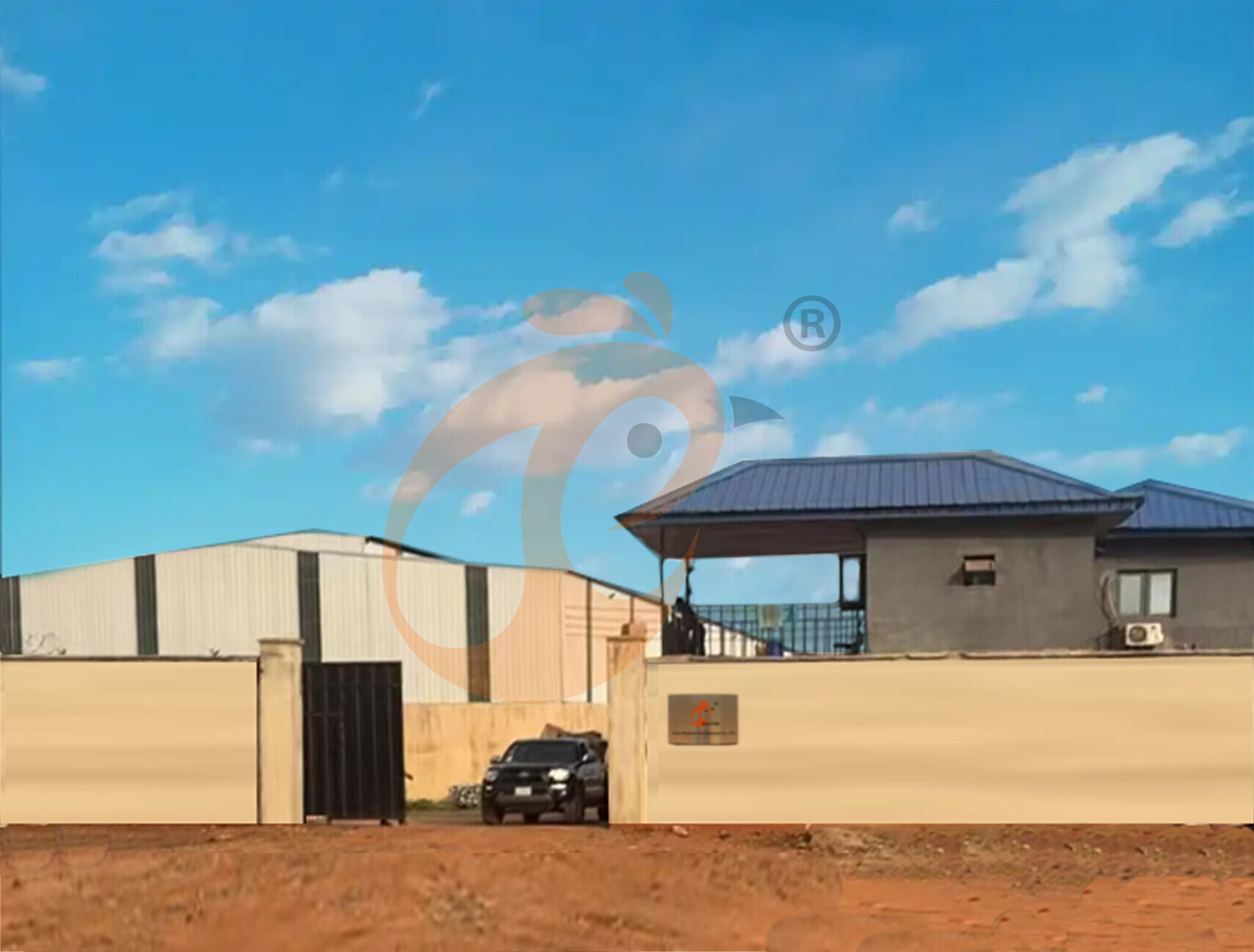
5. 24 online reception Whatsapp NO. : +8618830120193,contact us to get full informationRead More China Branch Offer Poultry Farm Business Plan, Manufacture Poultry Farm Equipment1. Address: Flat/RM 2416, 24/F, Runxing Building, Youyi Nan Street, Shijiazhuang City, Hebei Province, China
2. Poultry cage and poultry farm equipment factory and stock for sale
3. Customized for local poultry farms
4. Quality and design are based on Euro
5. 24 online reception Whatsapp NO. : +8618830120193Read More Nigeria Branch Offer Poultry Farm Business Plan, Manufacture Poultry Farm Equipment1. Address: After Sinoma Office, 200 Meters Near Danco Filling Station, Lagos/Ibadan Expressway, Lagos State, Nigeria
2. Poultry cage and poultry farm equipment factory and stock for sale
3. Customized for Nigerian poultry farms
4. Quality and design are based on Euro
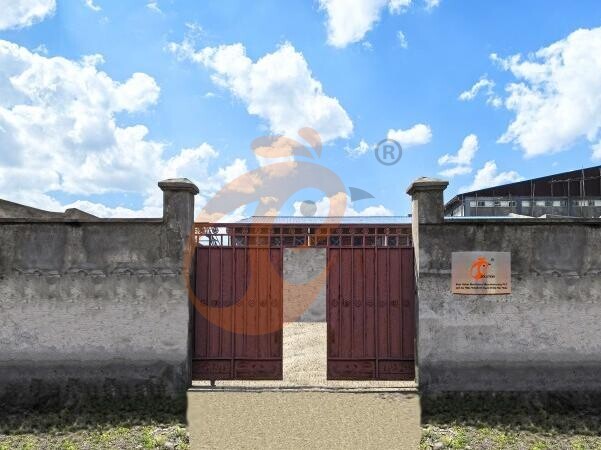
5. 24 online reception Whatsapp NO. : +8618830120193Read More Ethiopia Branch Offer Poultry Farm Business Plan, Manufacture Poultry Farm Equipment1. Address: Gelan Gura, Akaki-kaliti Sub City, Addis Ababa, Ethiopia
2. Poultry cage and poultry farm equipment stock for sale
3. Customized for Ethiopian poultry farms
4. Quality and design are based on Euro
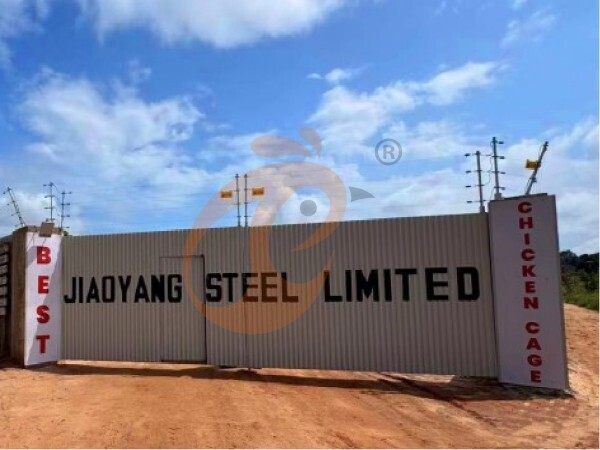
5. 24 online reception Whatsapp NO. : +8618830120193, contact us to get price listRead More Tanzania Branch Offer Poultry Farm Business Plan, Manufacture Poultry Farm Equipment1. Address: No.8, Sova Road, Msufini, Mlandizi, Kibaha, Pwani, Tanzania
2. Poultry cage and poultry farm equipment factory and stock for sale
3. Customized for Tanzanian poultry farms
4. Quality and design are based on Euro
5. 24 online reception Whatsapp NO. : +8618830120193Read More Fully Automatic H Type Layer Chicken Cage1. 30,000-100,000+ layers/house chooses it, Poultry farmers can achieve an egg production rate of 96-98%
2. A significant improvement over the 85-90% typically seen in manual systems
3. A typical poultry farm can expect a 30-40% reduction in labor costs due to the automation
4. Each feeding line efficiently supplies feed to around 100,000 hens per 30 mins
5. Reception /WhatsApp NO. : +8618830120193Read More Fully Automatic A Type Layer Chicken Cage1. 10,000-50,000 layers/house chooses it
2. Cleaner egg collection reduces breakage by 0.5%
3. Improved hygiene helps reduce mortality rate to <3%
4. 1–2 technicians can handle 15,000–30,000 birds
5. Reception /WhatsApp NO. : +8618830120193Read More Semi Automatic H Type Layer Chicken Cage1. 1,00-20,000 layers/house chooses it
2. Nipple drinkers flow 30–60 ML / min
3. Hot-dip galvanized (typical coating ≥ 275 g/m²)
4. Reduce ammonia by ~ 35–40%
5. Reception /WhatsApp NO. : +8618830120193Read More Semi Automatic A Type Layer Chicken Cage1. 1,00-20,000 layers/house chooses it, no rust for 10 years, no deformation for 15 years
2. Chickens live comfortably, you can raise them with peace of mind
3. Save water, save money—efficiency you can measure
4. Improve environment quality, and increase egg production rate
5. Reception /WhatsApp NO. : +8618830120193Read More
By clicking 'Allow All', you agree to the storage of cookies on your device to enhance site navigation, analyze site usage and assist with our marketing efforts.