


Blog
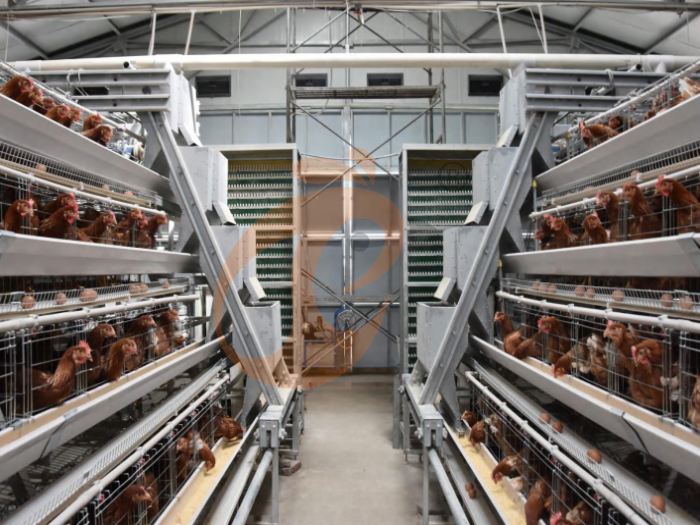
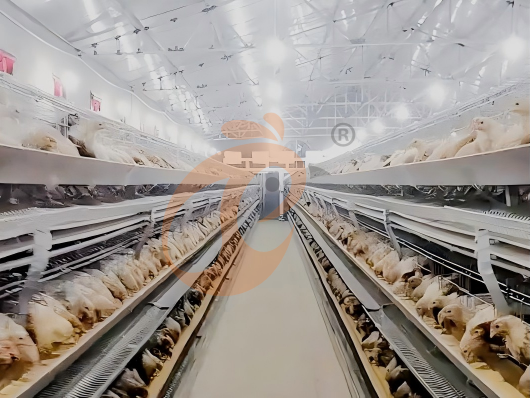
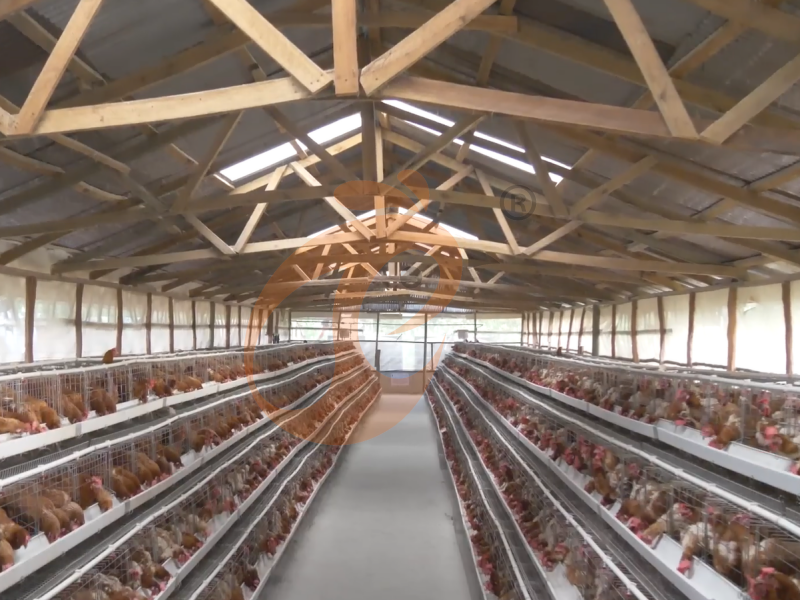
- Multi-tier battery cage for layers combines vertical housing with automated poultry equipment, creating a production structure around measurable capacity, labor flow, and house utilization.
Commercial planning can evaluate 100 m × 15 m buildings, automated workflows, and centralized egg handling before equipment quantities are finalized.
Feeding design can reserve approximately 3–5 days of feed through connected silo and auger arrangements, supporting continuous daily operation.
Water systems can use 2–3 nipples per cage, while pressure regulation keeps delivery consistent across vertically arranged cage levels.
- Output depends on coordinated cage engineering, feeding, drinking, egg collection, manure handling, ventilation, and environmental management rather than cage quantity alone.
Get professional poultry farm construction guidance, equipment selection solutions, and the latest price lists, whatsApp to +8618830120193, +2348111199996, or click to learn more.
The Real Question: More Cages Or More Output?
For a commercial layer farm, the goal is not simply to place more hens inside a poultry house.
The real goal is to produce more marketable eggs with better labor efficiency, stable flock management, and controlled operating costs.
This is where the choice between multi-tier battery cage for layers and single-tier battery cages becomes important.
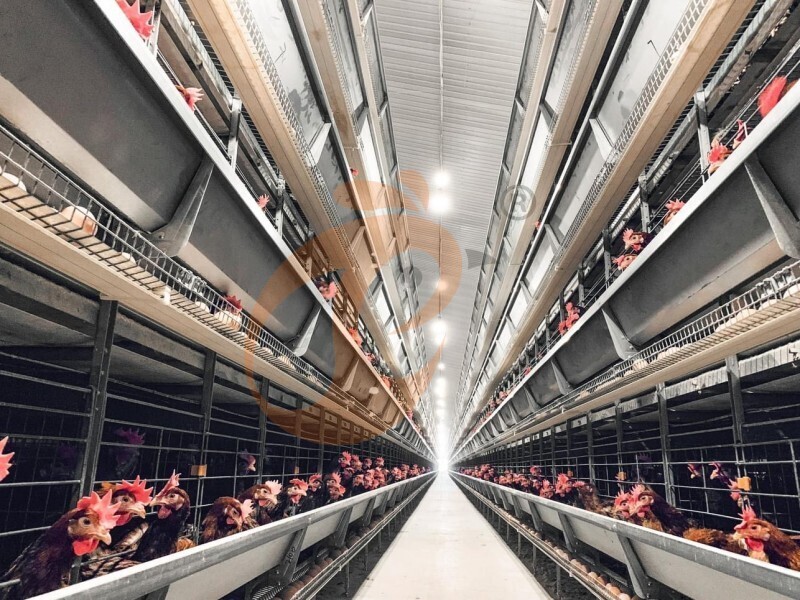
Modern automatic layer cage systems can integrate feeding, drinking, egg collection, manure removal, ventilation, lighting, and environmental control.
One commercial H-type configuration supports 30,000–500,000+ layers, giving large projects a broader equipment-planning range.
For farms planning commercial-scale production, the cage should therefore be evaluated as complete poultry farm equipment, not simply as a metal housing structure.
Capacity Comparison: What Does Each Layout Deliver?
Data is for reference only.Swipe horizontally to view full table.
Published H-type specifications include 108, 144, 180, 216, and 288 birds per unit, depending on tier and door configuration.
A separate commercial specification lists 90–160 birds per unit, confirming that final capacity depends on cage geometry and selected configuration.
Our Multi-tier battery cage for layers engineering therefore starts from the actual flock target rather than applying one fixed cage model.
Follow The Workflow, Not Just The Cage
Imagine two layer houses with the same number of hens.
In House A, workers repeatedly walk through the rows to distribute feed, inspect water, collect eggs, and handle manure.
In House B, automatic feeding lines distribute feed, nipple drinking systems provide water, egg belts transport eggs, and manure belts move waste outside the house.
The difference is not simply cage structure.
For automatic layer chicken cage projects, equipment coordination can be designed around a 1.5–2 minute manure-removal cycle and centralized daily management.
Our Multi-tier battery cage for layers solutions focus on the complete chicken house rather than selling cages as isolated components.
Where Does Multi-Tier Win?
Data is for reference only.Swipe horizontally to view full table.
A commercial H-type layer cage system can be configured with dedicated feeding, drinking, egg collection, manure removal, and climate-control components.
One published H-type design uses 450 cm² per bird, while another commercial system specifies 450–500 mm front cage height, showing how cage geometry must be matched to the selected equipment.
For commercial investors, automatic poultry farming equipment becomes more valuable when every subsystem is engineered around the same house layout.
Equipment Configuration Comparison
Data is for reference only.Swipe horizontally to view full table.
Modern poultry farm equipment can integrate automatic feeding, nipple drinking, egg collection, manure removal, ventilation, and lighting within one project.
A commercial automatic H-type system can also operate through 220/380 v power configurations and 50/60 hz electrical standards, depending on project requirements.
Our multi-tier battery cage for layers package can therefore be configured around the electrical infrastructure and automation architecture of the customer's farm.
Output Is A System Equation
Egg output ≠ cage capacity alone.
A more useful commercial equation is
Farm output = bird capacity × flock performance × management efficiency × egg handling efficiency
This explains why simply adding cages may not produce the expected return.
If feeding is inconsistent, water delivery is unreliable, manure accumulates, ventilation is inadequate, or eggs require excessive manual handling, additional housing capacity may not translate into better profitability.
Commercial layer cage systems can connect multiple production operations through a centralized control structure.
A modern control package may use a plc touchscreen to coordinate feeding times, belt operation, alarms, and other automated functions.
Our multi-tier battery cage for layers approach is to match the complete equipment chain to the customer's production target.
Capacity And Building Planning
Data is for reference only.Swipe horizontally to view full table.
A published H-type project specifies a 94 m × 13 m house for a 4-tier, 4-row arrangement.
Another commercial example gives a 100 m × 15 m house capable of housing approximately 60,000 birds with an 8-tier configuration.
For automatic layer cage equipment, house height must be established before structural construction begins.
Our engineering process connects multi-tier battery cage for layers dimensions with ventilation routes, service aisles, conveyors, and maintenance access.
Labor Efficiency: The Difference Workers Feel Every Day
Data is for reference only.Swipe horizontally to view full table.
Automation changes the allocation of labor rather than eliminating management responsibility.
Some commercial systems report potential labor reductions of up to 80% compared with manual operation, although actual results depend on house size, automation scope, and local labor practices.
With automatic poultry farming equipment, workers can devote more time to flock inspection, equipment maintenance, and production monitoring.
Our multi-tier battery cage for layers systems are designed to reduce repetitive movement across the poultry house.
Build The House Around The Equipment
Wrong approach
Build the poultry house first → choose cages later → discover installation limitations.
Better approach
Define flock capacity → select cage configuration → design feeding and manure systems → calculate ventilation requirements → finalize house dimensions → install integrated equipment.
This sequence matters.
For H-type layer cage systems, equipment suppliers commonly provide configurations from 3 to 8 tiers, allowing house height and flock capacity to be coordinated during the engineering stage.
A properly planned automatic layer cage system also needs sufficient clearance for maintenance, inspection, conveyor transfer, and equipment replacement.
Our multi-tier battery cage for layers projects are therefore designed around the entire production environment.
Structural Protection Determines Equipment Life
Data is for reference only.Swipe horizontally to view full table.
Published commercial specifications identify 275 g/m² hot-dip galvanizing for H-type cage structures.
Other specifications use q235 steel wire with 2.5–3.0 mm longitudinal wire and 2.0–2.5 mm transverse wire, depending on the cage model.
For commercial poultry equipment, material selection should reflect humidity, washing frequency, installation environment, and maintenance procedures.
Our multi-tier battery cage for layers projects can specify steel treatment and component construction according to the operating environment.
When Does Multi-Tier Become The Better Business Decision?
Data is for reference only.Swipe horizontally to view full table.
Commercial layer chicken cage equipment becomes increasingly relevant when land, labor, and building capacity must be coordinated.
Published H-type systems are marketed for projects exceeding 30,000 layers, while specific commercial layouts can reach 100,000+ layers through multi-row configurations.
For each multi-tier battery cage for layers project, our engineers calculate cage quantities, row arrangement, conveyor routes, feeding equipment, manure equipment, and ventilation requirements from the actual house drawing.
The Investment Test: Think Beyond Day One
Data is for reference only.Swipe horizontally to view full table.
A layer farm is a long-term production asset.
The cage structure, feeding equipment, water system, egg collection system, manure removal equipment, and ventilation equipment must continue working together throughout the production cycle.
Commercial automatic layer cage systems can be engineered with a 15–20 year expected service life when properly maintained.
Equipment selection should therefore consider material quality, spare-part access, installation requirements, and maintenance intervals.
Our multi-tier battery cage for layers solution is designed as a complete production asset rather than a stand-alone cage purchase.
Final Verdict: Choose The System That Builds Your Output
Single-tier battery cages have a place.
Such systems can be practical for smaller projects, lower buildings, or farms where extensive automation is not the primary objective.
For commercial farms targeting greater building utilization and stronger labor efficiency, multi-tier battery cage systems provide a different engineering platform.
A properly designed automatic layer chicken cage system can combine feeding, drinking, egg collection, manure removal, ventilation, and environmental control into one coordinated workflow.
For projects using automated equipment, egg breakage below 0.5% has been cited by commercial equipment specifications, although actual results depend on installation and operation.
Our multi-tier battery cage for layers solutions cover layer cages, automatic feeding systems, nipple drinking systems, egg collection equipment, manure removal systems, ventilation, environmental control, and complete farm-layout engineering.
Tell us your planned layer capacity and poultry house dimensions.
We can calculate a suitable cage configuration and complete poultry equipment package according to the actual project conditions.
Frequently Asked Questions
Q1: Which system is more suitable for a large commercial layer farm?
A1: Multi-tier systems generally provide a stronger platform when building capacity, automation, and centralized management are priorities, with commercial H-type configurations commonly supporting 3–8 tiers.
Q2: Can feeding, egg collection, and manure removal be integrated into one cage project?
A1: Yes.
Automatic H-type systems can integrate feeding, nipple drinking, egg belts, manure belts, ventilation, and control equipment as one coordinated installation.
Q3: Does a multi-tier cage automatically guarantee higher egg output?
A3: No.cage capacity alone does not determine output.
Flock management, feed delivery, water availability, ventilation, egg handling, and equipment reliability must operate together to achieve the planned production performance.
Taiyu (HK) Group - One Of China Toppest Multi-Tier Battery Cage Manufacturer
Multi-tier battery cage for layers uses vertically arranged cage modules with integrated automation, supporting commercial configurations of up to 8 tiers according to published system specifications.
Global factory-direct supply covers complete poultry equipment packages, with cage manufacturing, feeding, drinking, egg collection, manure removal, ventilation, and control components coordinated through one engineering structure.
Turn-key engineering covers farm layout, equipment configuration, production coordination, installation guidance, commissioning, and operator training for commercial layer-house projects.
Project engineering can be adapted to different building dimensions, climates, flock capacities, electrical conditions, and automation requirements.
Factory-based manufacturing supports oem/odm requirements, technical documentation, component coordination, spare-parts planning, and international project delivery.
Contact Us To Received Your Customized Poultry Farm Plan
Headquarters And Branchs

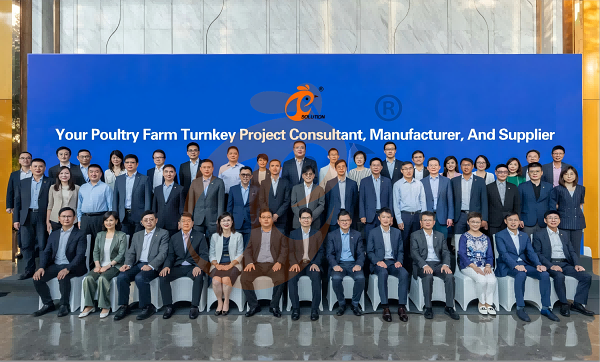
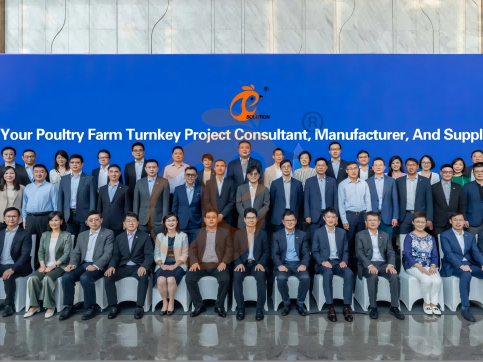
Hong Kong Headquarter Management Team
Hong Kong Headquarter Taiyu Industrial Group CO., LTD
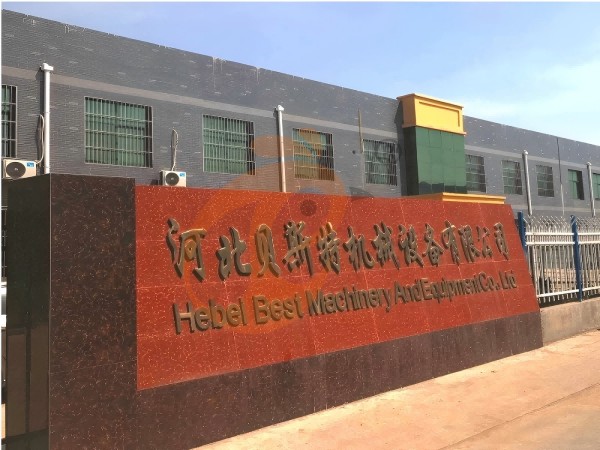
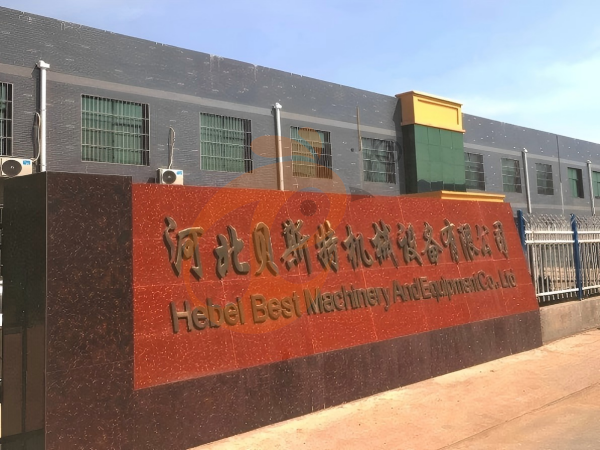
China Hebei Best Machinery And Equipment CO., LTD
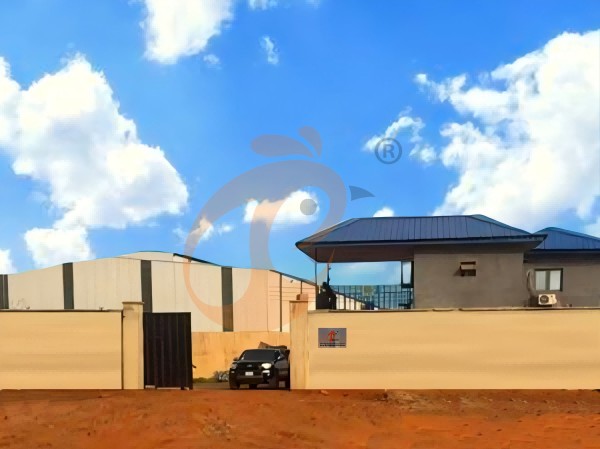
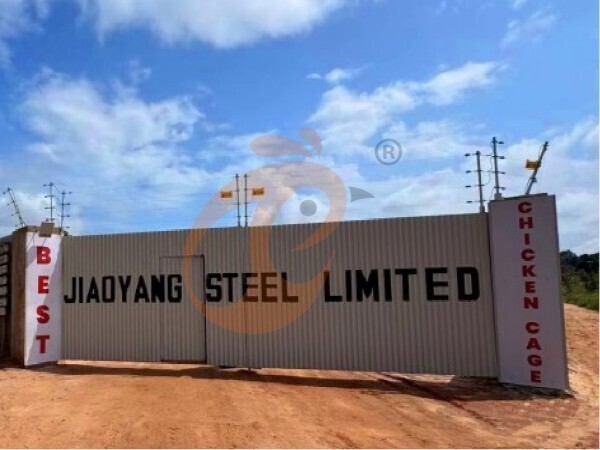
Nigeria Vanke Machinery And Equipment CO., LTD
Tanzania Best Machinery And Equipment CO., LTD
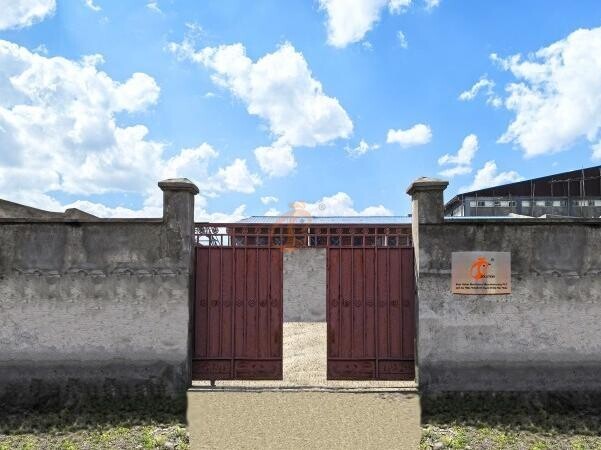
Ethiopia Best Hebei Machinery Manufacturing PLC
Reception /24 WhatsApp NO. : +8618830120193
FAQ
How To Choose The Ultimate Layer Cage System For Multi-Tier Farms?
Install automatic feeding, drinking, egg collection, and manure cleaning systems to boost egg production to 90–98%.
Optimized ventilation and temperature/humidity control reduce mortality to 2–3%.
What Are The Professional Guidelines For Optimizing Feed Storage And Usage In Chicken Cage Farms?
Use automatic feeders to allocate feed as needed, reducing waste by 5–10%.
Regularly monitor feed consumption per tier; FCR 1.9–2.1, egg production 90–98%.
What Are The Professional Guidelines For Reducing Labor Costs Using Automation In Chicken Cage Farms?
Use real-time monitoring systems to manage flock health and egg production.
ROI can be shortened to 24–36 months, improving overall profitability.
- poultry equipment
- chicken cage
- layer cage
- poultry farm
- feeding equipment
- battery cage
- poultry farm
- poultry farm equipment
- poultry farm construction
- battery cage manufacturer
- battery cage for layers
- battery cage system
- layer cage system
- automatic layer cage
- chicken cage equipment
- battery cage
- automatic feeding system
- layer farm
- chicken house
- poultry house
- chicken cage system
- chicken cage project
- automatic poultry farm
- layer chicken cage
- poultry farming equipment
- automatic poultry farming equipment
- poultry house dimensions
- Ethiopia
- Nigeria
- H-Type Layer Cage System
Message
Products recommended
 HK Headquarter Offers EU-standard Poultry Farm Solutions, Manufacture Poultry Farm Equipment1. Continuous communication with the EU and the US
2. China, Nigeria, Ethiopia, Tanzania branch companies and factories
3. The products’ quality is customized for local poultry farms
4. Poultry cage and poultry farm equipment stock for sale
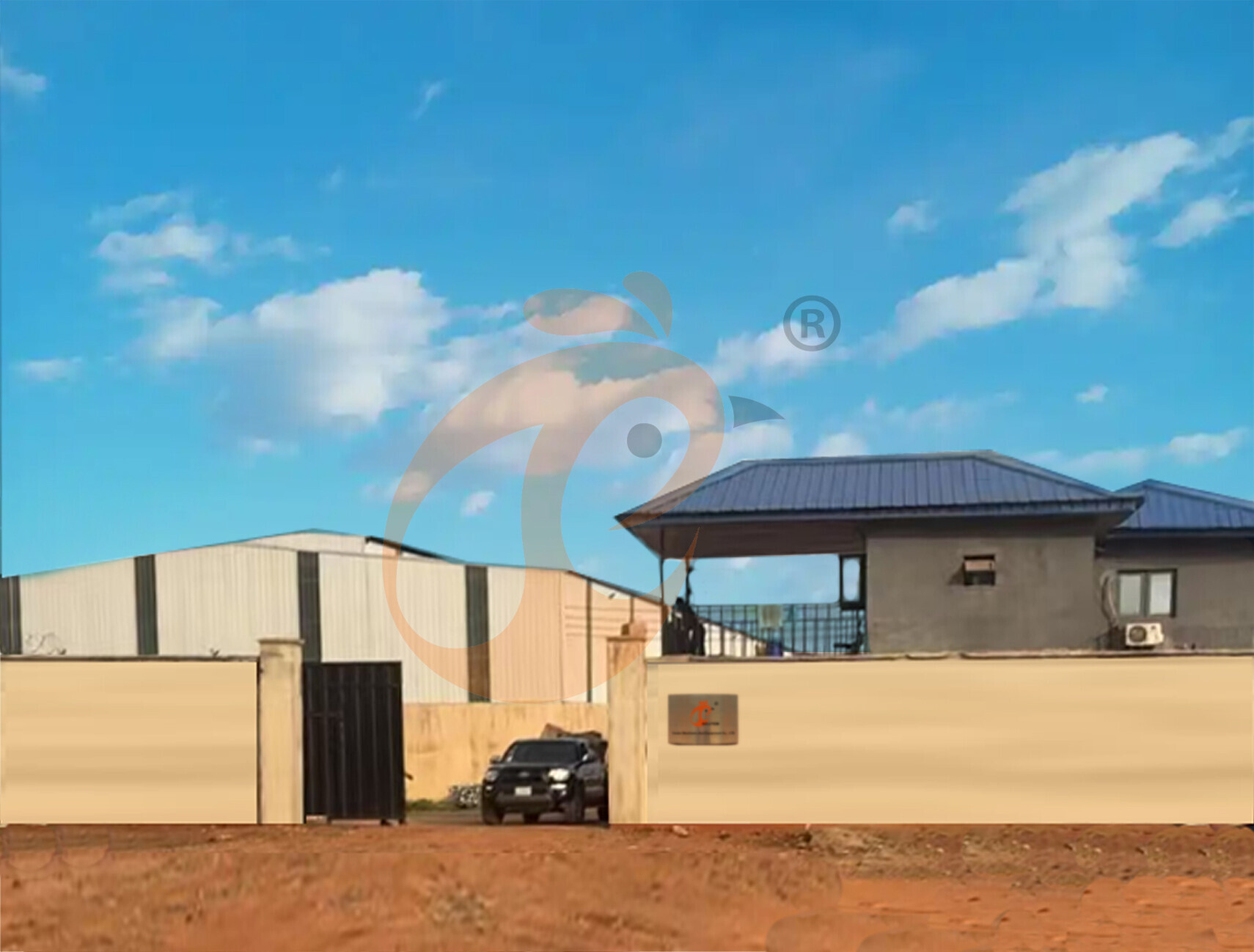
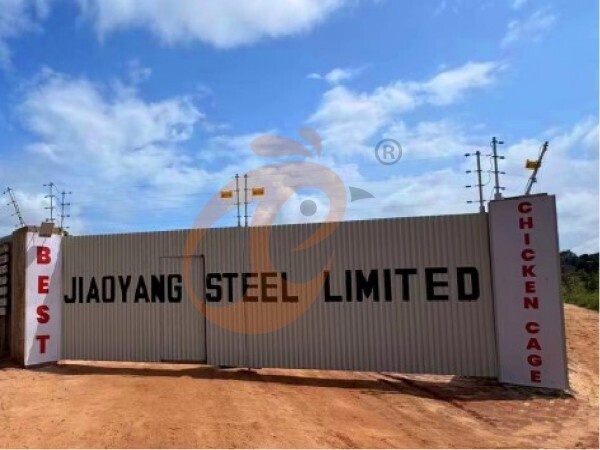
5. 24 online reception Whatsapp NO. : +8618830120193,contact us to get full informationRead More China Branch Offer Poultry Farm Business Plan, Manufacture Poultry Farm Equipment1. Address: Flat/RM 2416, 24/F, Runxing Building, Youyi Nan Street, Shijiazhuang City, Hebei Province, China
2. Poultry cage and poultry farm equipment factory and stock for sale
3. Customized for local poultry farms
4. Quality and design are based on Euro
5. 24 online reception Whatsapp NO. : +8618830120193Read More Nigeria Branch Offer Poultry Farm Business Plan, Manufacture Poultry Farm Equipment1. Address: After Sinoma Office, 200 Meters Near Danco Filling Station, Lagos/Ibadan Expressway, Lagos State, Nigeria
2. Poultry cage and poultry farm equipment factory and stock for sale
3. Customized for Nigerian poultry farms
4. Quality and design are based on Euro
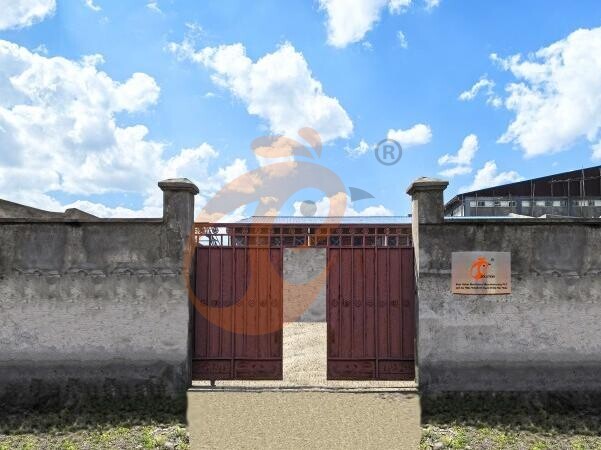
5. 24 online reception Whatsapp NO. : +8618830120193Read More Ethiopia Branch Offer Poultry Farm Business Plan, Manufacture Poultry Farm Equipment1. Address: Gelan Gura, Akaki-kaliti Sub City, Addis Ababa, Ethiopia
2. Poultry cage and poultry farm equipment stock for sale
3. Customized for Ethiopian poultry farms
4. Quality and design are based on Euro
5. 24 online reception Whatsapp NO. : +8618830120193, contact us to get price listRead More Tanzania Branch Offer Poultry Farm Business Plan, Manufacture Poultry Farm Equipment1. Address: No.8, Sova Road, Msufini, Mlandizi, Kibaha, Pwani, Tanzania
2. Poultry cage and poultry farm equipment factory and stock for sale
3. Customized for Tanzanian poultry farms
4. Quality and design are based on Euro
5. 24 online reception Whatsapp NO. : +8618830120193Read More Fully Automatic H Type Layer Chicken Cage1. 30,000-100,000+ layers/house chooses it, Poultry farmers can achieve an egg production rate of 96-98%
2. A significant improvement over the 85-90% typically seen in manual systems
3. A typical poultry farm can expect a 30-40% reduction in labor costs due to the automation
4. Each feeding line efficiently supplies feed to around 100,000 hens per 30 mins
5. Reception /WhatsApp NO. : +8618830120193Read More Fully Automatic A Type Layer Chicken Cage1. 10,000-50,000 layers/house chooses it
2. Cleaner egg collection reduces breakage by 0.5%
3. Improved hygiene helps reduce mortality rate to <3%
4. 1–2 technicians can handle 15,000–30,000 birds
5. Reception /WhatsApp NO. : +8618830120193Read More Semi Automatic H Type Layer Chicken Cage1. 1,00-20,000 layers/house chooses it
2. Nipple drinkers flow 30–60 ML / min
3. Hot-dip galvanized (typical coating ≥ 275 g/m²)
4. Reduce ammonia by ~ 35–40%
5. Reception /WhatsApp NO. : +8618830120193Read More Semi Automatic A Type Layer Chicken Cage1. 1,00-20,000 layers/house chooses it, no rust for 10 years, no deformation for 15 years
2. Chickens live comfortably, you can raise them with peace of mind
3. Save water, save money—efficiency you can measure
4. Improve environment quality, and increase egg production rate
5. Reception /WhatsApp NO. : +8618830120193Read More
By clicking 'Allow All', you agree to the storage of cookies on your device to enhance site navigation, analyze site usage and assist with our marketing efforts.