


Blog
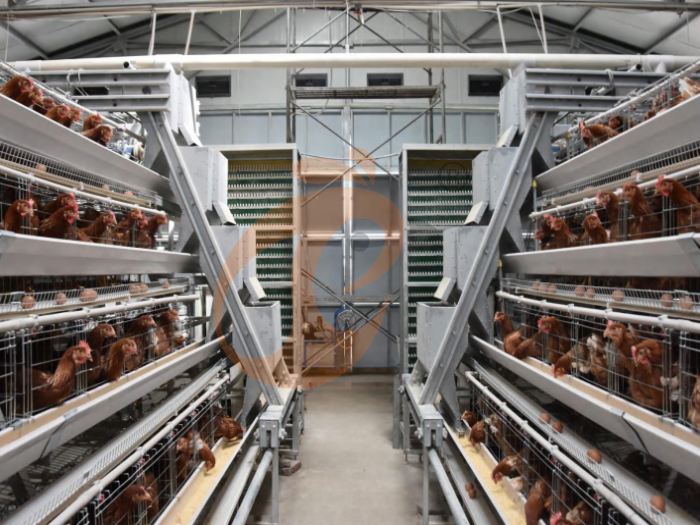
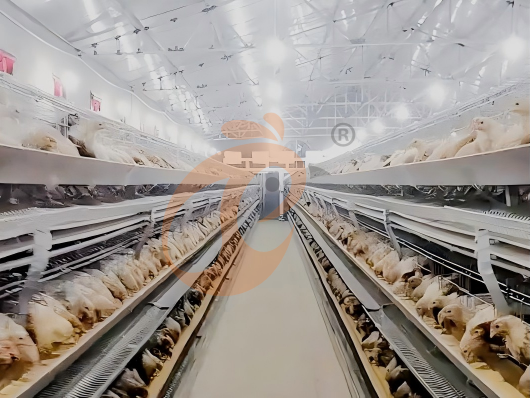
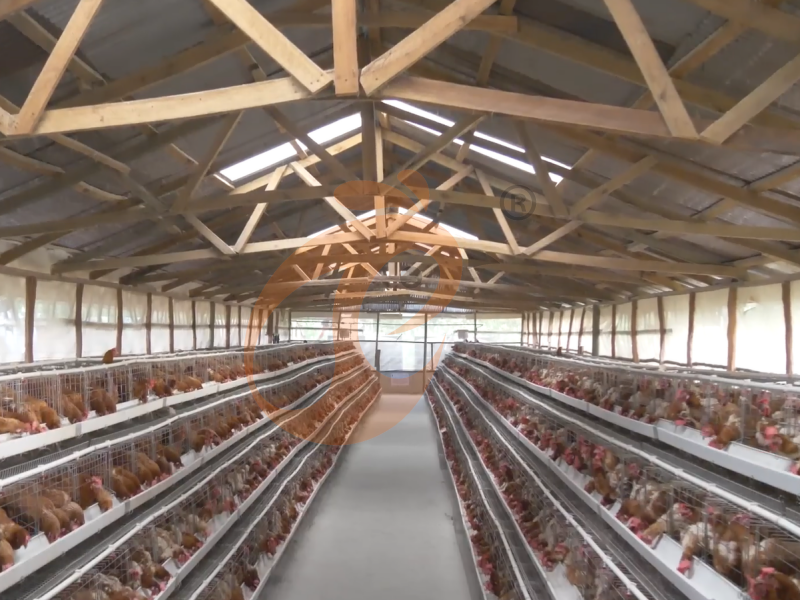
- Hot-dip galvanized broiler chicken cages combine corrosion protection with commercial cage engineering, supporting demanding poultry operations across repeated production cycles and continuous daily use.
Zinc protection, painted surfaces, welded joints, and cleaning exposure create different durability profiles under temperatures of 18–32°c and humidity reaching 80% rh.
Structural design, automation compatibility, maintenance requirements, and lifecycle economics determine whether galvanized poultry cages deliver stronger long-term equipment value than painted alternatives.
Commercial projects can integrate broiler cage systems with feeding, drinking, manure removal, ventilation, lighting, and environmental controls for coordinated production across houses exceeding 50,000 birds.
- Material selection ultimately connects corrosion resistance with service planning, installation efficiency, replacement risk, and equipment investment, making surface treatment an important specification for modern broiler farms.
Get professional poultry farm construction guidance, equipment selection solutions, and the latest price lists, whatsApp to +8618830120193, +2348111199996, or click to learn more.
The Real Cost Is Not The Cage—It Is The Replacement Cycle
A broiler chicken cage is exposed to moisture, manure, ammonia, washing water, disinfectants, and daily mechanical contact, while a 24-hour ventilation cycle can continuously influence surface conditions.
Painted steel can provide an attractive initial finish, but protection depends heavily on paint-film continuity, whereas hot-dip galvanized broiler chicken cages use zinc protection that remains active around small surface damage.
For poultry equipment manufacturers, this distinction matters because cage longevity affects replacement labor, installation downtime, spare-parts consumption, and long-term equipment budgeting, particularly across 6–8 production cycles annually.
Material Comparison At A Glance
Data is for reference only.Swipe horizontally to view full table.
Hot-dip galvanizing immerses fabricated steel in molten zinc, creating zinc-iron alloy layers rather than simply placing a film on the surface, with controlled immersion supporting consistent material temperature and bath residence time for broiler chicken cages.
For commercial equipment suppliers, galvanized poultry cages therefore provide an engineering distinction beyond appearance, particularly where welded assemblies experience repeated sanitation procedures and mechanical handling.
Picture The Cage After Years Of Farm Operation
Imagine two identical broiler houses.
Both operate under identical feeding programs, manure loads, washing routines, and ventilation schedules, while broiler chicken cages experience approximately 16–23 hours of daily lighting and repeated handling.
Follow the first installation.
Painted cages can develop scratches during installation and bird handling, allowing moisture to reach exposed steel, while galvanized poultry cages retain zinc-based protection around localized surface damage.
Now follow the second installation.
Hot-dip galvanized broiler chicken cages use metallurgically bonded zinc protection, making treatment particularly valuable around doors, welded intersections, support frames, and frequently contacted components.
Measure the commercial consequence.
Repeated operation increases the importance of coating integrity, especially when cage systems remain installed for 8–12 hours of daily active handling.
Where Corrosion Protection Actually Matters
Data is for reference only.Swipe horizontally to view full table.
The most important advantage is not simply visible appearance, because galvanized poultry cages must protect fabricated components including welded and formed areas exposed to 20–45°c washing water.
Post-weld galvanizing becomes particularly valuable for broiler chicken cages because welded mesh assemblies contain numerous interfaces where coating continuity directly influences maintenance planning.
The Maintenance Test: What Happens After Damage?
STEP 1 — Identify the vulnerable point.
Inspect door edges, welded intersections, frame corners, fastener interfaces, and scraper-contact areas, where routine movement can generate approximately 0.5–1.5 mm mechanical displacement.
STEP 2 — Examine the protection mechanism.
Paint acts primarily as a barrier, while galvanized poultry cages combine barrier protection with sacrificial zinc protection when localized damage occurs.
STEP 3 — Follow the maintenance workload.
Broiler chicken cages requiring repeated coating touch-ups consume labor that could otherwise support sanitation, flock inspection, feeding management, or equipment checks during 2–4 monthly cleaning events.
STEP 4 — Evaluate the complete equipment package.
Durability should not be judged from mesh alone, because galvanized poultry cages also depend on frames, doors, brackets, supports, manure-removal components, and fasteners operating as one integrated system.
Performance Data For Commercial Cage Investment
Data is for reference only.Swipe horizontally to view full table.
Astm a123/a123m identifies coating thickness and adherence as important characteristics, giving galvanized poultry cages measurable coating requirements rather than relying only on visual inspection.
For broiler chicken cages, factory verification can therefore combine coating checks with weld inspection and dimensional control before equipment reaches a farm operating at 3–16 cage tiers.
Return On Investment Should Be Calculated Backward
Purchase cost → installation cost → maintenance cost → replacement cost → production downtime → total equipment cost.
A broiler chicken cage system serving a house containing 50,000 broilers should therefore be evaluated through lifecycle expenditure rather than purchase price alone.
If corrosion-related repairs require partial dismantling, galvanized poultry cages can offer a stronger commercial proposition by reducing coating-related intervention requirements and associated service planning.
For equipment manufacturers, the selling proposition becomes broader than steel construction, because broiler cage systems can support long-term production planning while connecting feeding, drinking, manure handling, and environmental-control equipment.
Structural Design Parameters For Broiler Cage Equipment
Data is for reference only.Swipe horizontally to view full table.
A durable coating cannot compensate for poor structural engineering, so galvanized poultry cages require coordinated geometry, load distribution, connection design, manure clearance, and ventilation access.
Broiler chicken cages become more valuable when structural engineering supports automated feeding, drinking, manure removal, and environmental-control equipment within a modular installation footprint of 1.8–2.4 m.
The Buyer's Decision Matrix
Priority: initial appearance
Painted steel can offer an attractive factory finish, while broiler chicken cages with galvanized surfaces prioritize functional protection over decorative coating presentation.
Priority: long-term corrosion management
Hot-dip galvanized poultry cages provide a stronger engineering proposition where repeated moisture and sanitation exposure remain part of normal operation.
Priority: frequent washing
Coating integrity becomes increasingly important when broiler chicken cages undergo repeated sanitation, especially under water pressure around 2–5 bar.
Priority: long operating periods
Initial equipment pricing should be compared against future maintenance and replacement expenditure rather than evaluated independently from lifecycle requirements.
Priority: automated production
Galvanized poultry cages provide a durable foundation for integrating feeders, drinkers, manure systems, ventilation equipment, and environmental controls within 1.5–3.0 m/s air movement conditions.
Environmental Operating Conditions
Data is for reference only.Swipe horizontally to view full table.
Broiler chicken cages operate within a combined moisture, manure, ammonia, cleaning, and sanitation environment, making corrosion control a central specification for commercial poultry equipment.
Ventilation also affects cage-area conditions because adequate air movement can reduce moisture accumulation around galvanized poultry cages and supporting structures during extended operation.
What A Professional Equipment Supplier Should Deliver
Data is for reference only.Swipe horizontally to view full table.
A professional supplier should treat broiler chicken cages as part of a coordinated production platform rather than an isolated steel structure.
Galvanized poultry cages can form the mechanical foundation for automated feeding, reliable drinking lines, manure removal, ventilation, lighting, and alarm systems across projects requiring 24-hour monitoring capability.
For international buyers, a complete poultry equipment package can simplify procurement, installation coordination, commissioning, and technical responsibility under one project structure.
Final Verdict: Build For Service Life, Not Just Purchase Price
Data is for reference only.Swipe horizontally to view full table.
For demanding commercial operations, properly manufactured hot-dip galvanized broiler chicken cages generally provide the stronger long-term material proposition, supported by zinc-based protection and controlled fabrication processes.
Frequently Asked Questions
Q1: Do hot-dip galvanized broiler chicken cages last longer than painted cages?
A1: Properly manufactured hot-dip galvanized broiler chicken cages generally provide stronger corrosion protection because zinc offers both barrier and sacrificial protection, particularly where localized damage occurs.
Q2: Why are galvanized poultry cages suitable for automated farms?
A2: Galvanized poultry cages provide a durable structural platform for integrated feeding, drinking, manure removal, ventilation, and control systems, with modular installations commonly configured across 3–16 tiers.
Q3: Should farm owners consider initial price or lifecycle cost?
A3: Lifecycle cost is more meaningful because maintenance, replacement, labor, downtime, and equipment integration can exceed the significance of the original purchase-price difference.
Taiyu (HK) Group - One Of China Toppest Broiler Chicken Cages Manufacturer
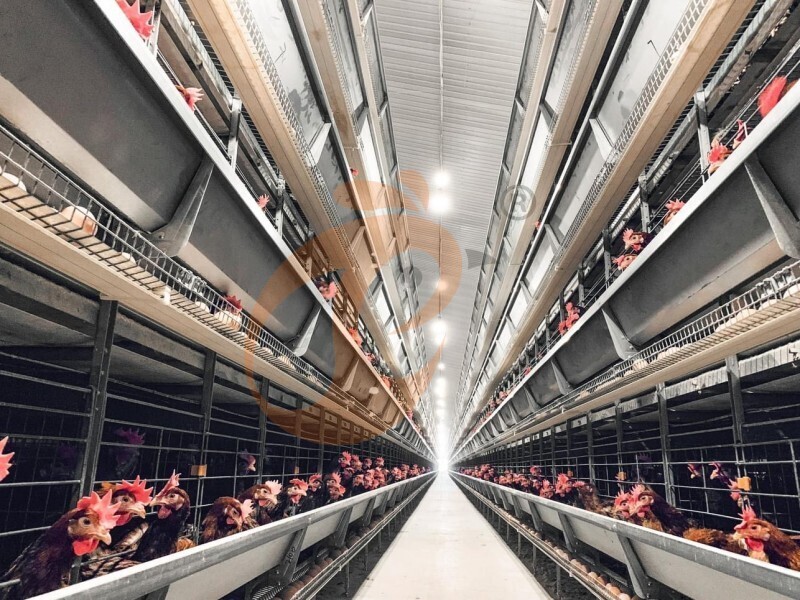
Broiler chicken cages use engineered galvanized steel construction, modular cage geometry, and integrated structural interfaces for commercial projects supporting 3–16 tiers
Global factory-direct supply covers poultry equipment production, technical documentation, quality inspection, export packaging, and international project coordination for overseas farm developments
Poultry equipment packages integrate cages, feeding, drinking, manure removal, ventilation, lighting, alarms, and control systems according to defined project parameters
Turn-key engineering supports layout design, equipment manufacturing, shipment coordination, installation guidance, commissioning, and technical handover for complete poultry production facilities
International project execution combines factory engineering resources with standardized components, configurable specifications, and technical support for commercial broiler farm expansion
Contact Us To Received Your Customized Poultry Farm Plan
Headquarters And Branchs

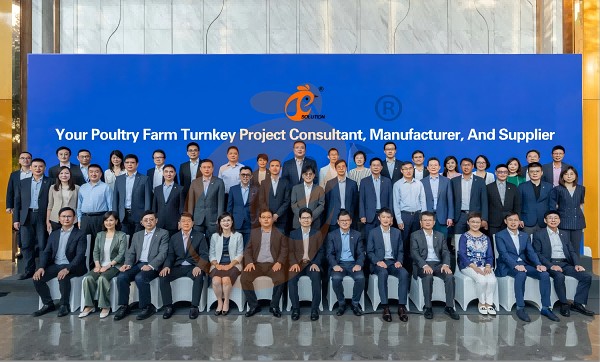
Hong Kong Headquarter Management Team
Hong Kong Headquarter Taiyu Industrial Group CO., LTD
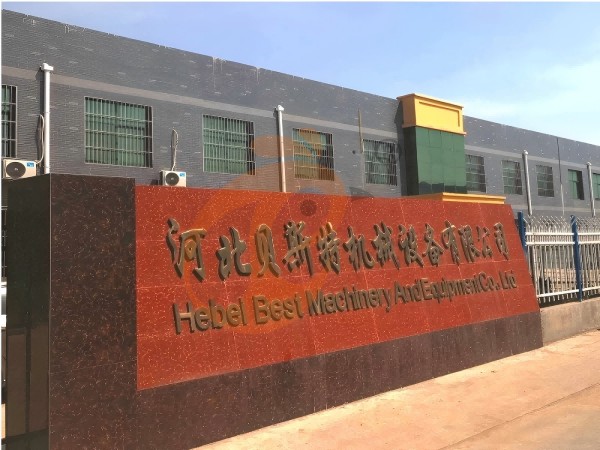
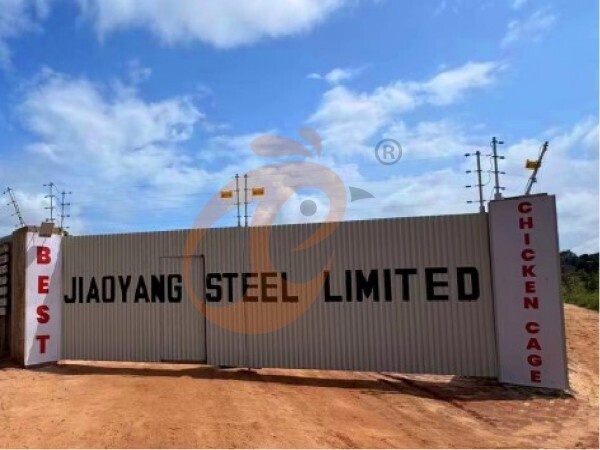
China Hebei Best Machinery And Equipment CO., LTD
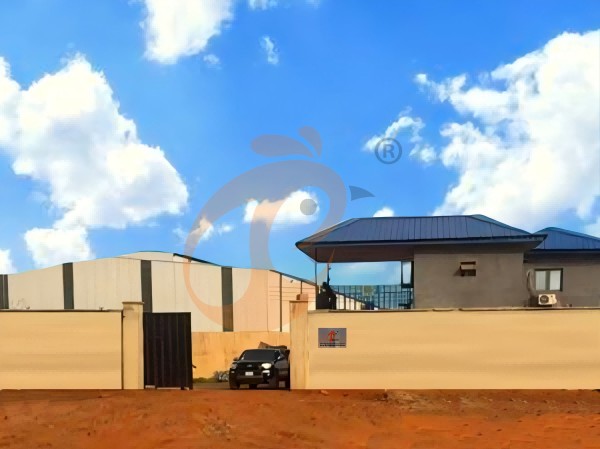
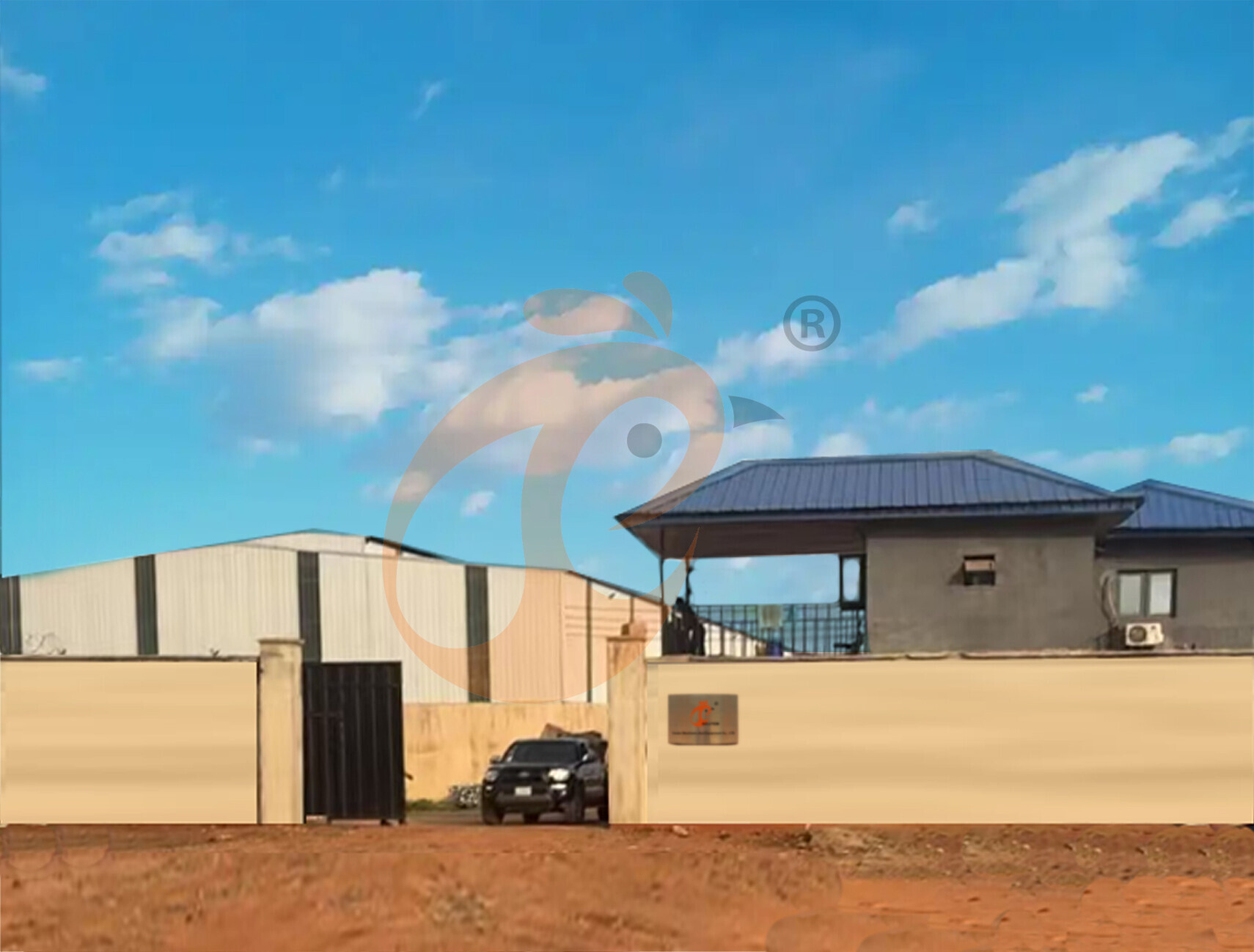
Nigeria Vanke Machinery And Equipment CO., LTD
Tanzania Best Machinery And Equipment CO., LTD
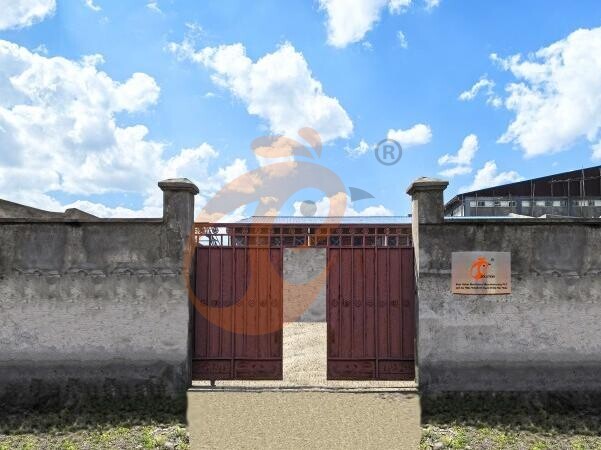
Ethiopia Best Hebei Machinery Manufacturing PLC
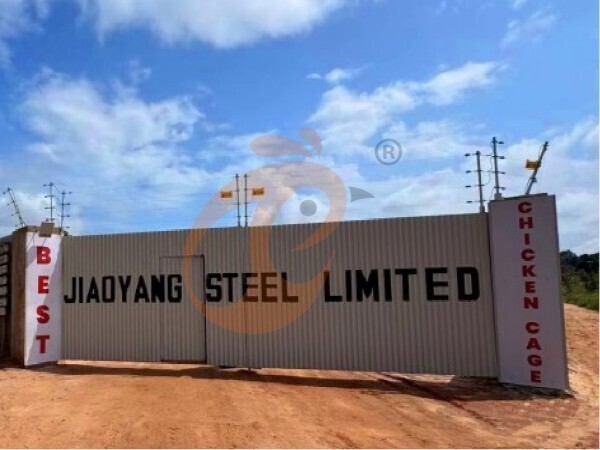
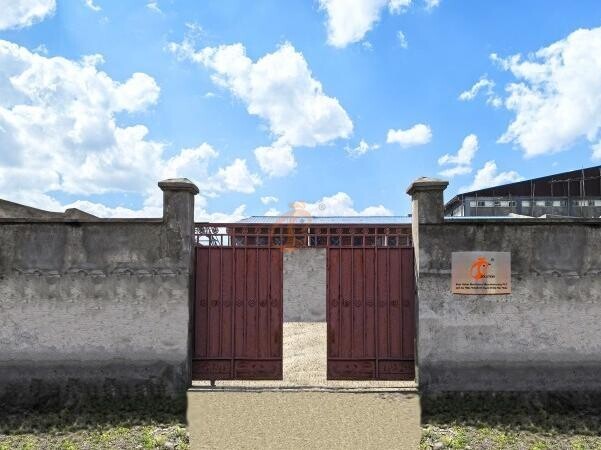
Reception /24 WhatsApp NO. : +8618830120193
FAQ
What Cage Structure Options Are Available For Broiler Chicken Cage Systems?
H-type cage systems are configured in 3–12 tiers accommodating 360–1440 birds per set for intensive farming operations.
Structural height ranges from 1.75–10.11 meters maximizing vertical space utilization and housing efficiency.
How Does Stocking Density Affect Broiler Chicken Cage Performance?
H-type systems maintain 500 cm² allocation per bird optimizing housing density and production output.
Bird distribution is balanced at 8 birds per compartment in partitioned cage configurations reducing competition.
Which Cage Dimensions Are Commonly Used In Broiler Chicken Cage Systems?
H-type cage modules measure 3.3 × 1.82 meters providing larger continuous housing sections.
Internal compartment height varies from 40–55 cm ensuring adequate bird activity and ventilation circulation.
- poultry equipment
- chicken cage
- broiler cage
- poultry farm
- poultry cage
- poultry farm
- poultry farm construction
- galvanized poultry cage
- poultry equipment manufacturer
- hen cage
- broiler farm
- chicken cage system
- broiler cage system
- broiler cage equipment
- hen cage system
- broiler chicken cage
- poultry equipment manufacturers
- Ethiopia
- Nigeria
Message
Products recommended
 HK Headquarter Offers EU-standard Poultry Farm Solutions, Manufacture Poultry Farm Equipment1. Continuous communication with the EU and the US
2. China, Nigeria, Ethiopia, Tanzania branch companies and factories
3. The products’ quality is customized for local poultry farms
4. Poultry cage and poultry farm equipment stock for sale
5. 24 online reception Whatsapp NO. : +8618830120193,contact us to get full informationRead More China Branch Offer Poultry Farm Business Plan, Manufacture Poultry Farm Equipment1. Address: Flat/RM 2416, 24/F, Runxing Building, Youyi Nan Street, Shijiazhuang City, Hebei Province, China
2. Poultry cage and poultry farm equipment factory and stock for sale
3. Customized for local poultry farms
4. Quality and design are based on Euro
5. 24 online reception Whatsapp NO. : +8618830120193Read More Nigeria Branch Offer Poultry Farm Business Plan, Manufacture Poultry Farm Equipment1. Address: After Sinoma Office, 200 Meters Near Danco Filling Station, Lagos/Ibadan Expressway, Lagos State, Nigeria
2. Poultry cage and poultry farm equipment factory and stock for sale
3. Customized for Nigerian poultry farms
4. Quality and design are based on Euro
5. 24 online reception Whatsapp NO. : +8618830120193Read More Ethiopia Branch Offer Poultry Farm Business Plan, Manufacture Poultry Farm Equipment1. Address: Gelan Gura, Akaki-kaliti Sub City, Addis Ababa, Ethiopia
2. Poultry cage and poultry farm equipment stock for sale
3. Customized for Ethiopian poultry farms
4. Quality and design are based on Euro
5. 24 online reception Whatsapp NO. : +8618830120193, contact us to get price listRead More Tanzania Branch Offer Poultry Farm Business Plan, Manufacture Poultry Farm Equipment1. Address: No.8, Sova Road, Msufini, Mlandizi, Kibaha, Pwani, Tanzania
2. Poultry cage and poultry farm equipment factory and stock for sale
3. Customized for Tanzanian poultry farms
4. Quality and design are based on Euro
5. 24 online reception Whatsapp NO. : +8618830120193Read More Fully Automatic H Type Layer Chicken Cage1. 30,000-100,000+ layers/house chooses it, Poultry farmers can achieve an egg production rate of 96-98%
2. A significant improvement over the 85-90% typically seen in manual systems
3. A typical poultry farm can expect a 30-40% reduction in labor costs due to the automation
4. Each feeding line efficiently supplies feed to around 100,000 hens per 30 mins
5. Reception /WhatsApp NO. : +8618830120193Read More Fully Automatic A Type Layer Chicken Cage1. 10,000-50,000 layers/house chooses it
2. Cleaner egg collection reduces breakage by 0.5%
3. Improved hygiene helps reduce mortality rate to <3%
4. 1–2 technicians can handle 15,000–30,000 birds
5. Reception /WhatsApp NO. : +8618830120193Read More Semi Automatic H Type Layer Chicken Cage1. 1,00-20,000 layers/house chooses it
2. Nipple drinkers flow 30–60 ML / min
3. Hot-dip galvanized (typical coating ≥ 275 g/m²)
4. Reduce ammonia by ~ 35–40%
5. Reception /WhatsApp NO. : +8618830120193Read More Semi Automatic A Type Layer Chicken Cage1. 1,00-20,000 layers/house chooses it, no rust for 10 years, no deformation for 15 years
2. Chickens live comfortably, you can raise them with peace of mind
3. Save water, save money—efficiency you can measure
4. Improve environment quality, and increase egg production rate
5. Reception /WhatsApp NO. : +8618830120193Read More
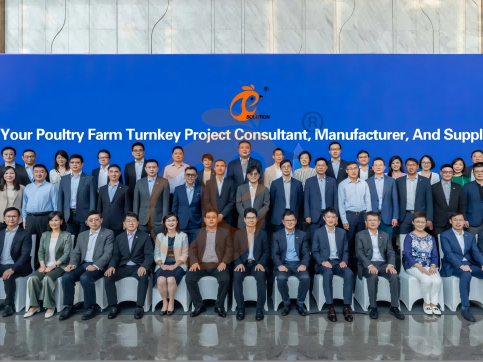
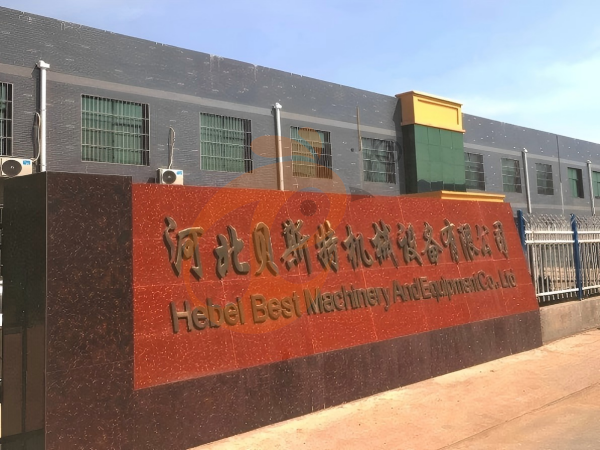
By clicking 'Allow All', you agree to the storage of cookies on your device to enhance site navigation, analyze site usage and assist with our marketing efforts.