


Blog
- Pellet machine lubrication protects drive components through six measurable maintenance steps, supporting stable poultry feed production across demanding farm operations.
Pellet mill machine maintenance connects lubricant selection, cleaning discipline, measured application, condition monitoring, and post-service verification with practical engineering control.
Poultry feed pellet machine reliability improves when bearing service intervals, grease specifications, inspection methods, and operating records remain consistently documented.
Professional pellet machine design adds accessible service points, transmission assemblies, and coordinated poultry equipment integration for projects requiring dependable output.
- Technical maintenance records turn lubrication work into asset management, helping farms control interruptions, component consumption, service labor, and equipment ownership.
Get professional poultry farm construction guidance, equipment selection solutions, and the latest price lists, whatsApp to +8618830120193, +2348111199996, or click to learn more.
Start With A Lubrication Strategy, Not A Breakdown
A pellet machine operating continuously in a poultry feed line can accumulate thousands of operating hours each year.
A planned pellet machine lubrication system should therefore begin with actual workload, such as an 8–16 hour daily operating cycle and a 50–150 kw drive motor, rather than relying on occasional visual inspection.
For commercial chicken farms, lubrication is directly connected with equipment availability.
A properly maintained pellet mill machine can support continuous feed preparation while reducing unnecessary maintenance interruptions.
When combined with automatic feeding, drinking, ventilation, and manure-removal equipment, reliable feed production contributes to a more stable chicken-house workflow.
The objective is straightforward: keep friction surfaces protected, maintain mechanical alignment, and prevent lubricant contamination before mechanical damage develops.
A professional poultry equipment supplier should therefore consider maintenance accessibility as part of original pellet machine design, particularly for projects operating 300–360 production days annually.
Establish The Correct Lubrication Interval
Data is for reference only.Swipe horizontally to view full table.
The exact interval should always follow the pellet machine manufacturer's maintenance specification because bearing size, rotational speed, load, and operating environment differ between pellet mills.
For example, a pellet machine running 10 hours per day accumulates approximately 3,650 operating hours annually.
That operating profile makes scheduled pellet mill machine lubrication substantially more practical than waiting for audible mechanical symptoms.
Match Lubricant Specifications To The Component
Do not select grease simply because available lubricant exists in the workshop.
Pellet machine lubrication should correspond to mechanical application, load condition, temperature environment, and manufacturer's specification.
For bearing applications, operators commonly evaluate factors such as nlgi consistency grade 2 and base-oil viscosity around 100–220 cSt at 40°C.
These values describe lubricant characteristics and should not be substituted blindly between different pellet machine components.
Gearbox lubrication requires a separate evaluation.
A pellet mill machine using inappropriate viscosity or additive chemistry can experience changes in gear protection and heat dissipation.
Always confirm required lubricant grade in the pellet machine service manual before changing products.
Clean The Lubrication Point Before Application
Data is for reference only.Swipe horizontally to view full table.
Pellet machine production generates considerable fine material, and feed dust can migrate toward mechanical assemblies.
In a workshop handling 2–5 tonnes of feed per hour, even small quantities of airborne dust can accumulate around exposed service points.
Before connecting a grease gun, wipe the pellet machine fitting and surrounding surface.
A clean lubrication interface prevents particles from entering the bearing cavity during servicing and helps preserve lubricant properties.
Control The Application Quantity
Use measurement instead of estimation.
A pellet machine grease gun should be calibrated so operators know approximately how much lubricant is delivered per stroke.
If one calibrated stroke supplies 1.2 g of grease, a specified 36 g application requires approximately 30 strokes rather than an arbitrary number.
The same principle applies to gearbox oil.
A pellet mill machine should use a graduated container when adding oil, with actual volume recorded for subsequent maintenance analysis.
For example, adding 250 ml increments makes documentation easier and helps identify abnormal consumption over time.
The correct amount is component-specific.
Over-lubrication can increase churning losses and temperature, while insufficient lubricant can reduce the protective film between loaded surfaces.
Monitor Mechanical Operating Conditions
Data is for reference only.Swipe horizontally to view full table.
Pellet machine lubrication should be combined with condition monitoring rather than treated as an isolated task.
A change in machine behavior can reveal mechanical problems before visible component failure.
For instance, a pellet machine bearing housing temperature increase of 15°c within one production shift deserves investigation even when the machine remains operational.
Likewise, a new vibration pattern at 120 hz may indicate a rotating-component issue that lubrication alone cannot solve.
Verify The Machine After Lubrication
After applying lubricant, operate the pellet machine under normal production conditions and verify mechanical response.
The verification should include sound, temperature, vibration, lubricant leakage, and production behavior.
A short post-maintenance observation period of 15–30 minutes can reveal whether lubricant has been distributed correctly.
During that period, operators should avoid assuming that smoother sound automatically means maintenance is complete.
The pellet machine inspection record should include service date, machine identification, component serviced, lubricant specification, measured quantity, and technician.
A documented maintenance history makes recurring mechanical problems easier to identify.
Professional Maintenance Data For Critical Components
Data is for reference only.Swipe horizontally to view full table.
These specifications provide a technical framework for pellet machine lubricant selection, but the equipment manufacturer's approved lubricant list remains the controlling reference.
For farms operating several pellet machines, maintaining consistent lubricant specifications can simplify inventory management.
A centralized maintenance store may handle 3–6 approved lubricant products instead of allowing operators to select products independently.
Maintenance Errors That Increase Ownership Costs
Data is for reference only.Swipe horizontally to view full table.
Maintenance errors often become expensive because they remain invisible until production is interrupted.
A structured pellet machine maintenance log converts individual servicing actions into usable equipment-performance data.
For a farm operating two pellet machines, comparing maintenance records between machines can also reveal differences in workload, component wear, and operator practices.
Where lubricant or service costs are converted from other currencies, European union standard reference only applies to comparison figures.
What A Maintenance-Friendly Pellet Machine Looks Like
Instead of evaluating a pellet machine only by output, examine how easily technicians can maintain the equipment.
Look at access
Lubrication fittings should be reachable without unnecessary disassembly.
A service point requiring removal of multiple guards can increase maintenance labor substantially, especially across four or more scheduled service events monthly.
Look at structure
The pellet mill machine transmission system should be engineered to withstand continuous mechanical loading.
Properly selected shafts, bearings, gears, and seals form the mechanical foundation behind stable pellet production.
Look at serviceability
Replaceable wear components, clearly identified lubrication points, and accessible inspection areas allow maintenance teams to respond more efficiently.
A pellet machine producing 2–10 tonnes of feed per hour may become a central production asset for a poultry operation.
Its maintenance design therefore deserves the same attention as motor power or pellet output.
Turn Six Lubrication Steps Into A Farm Management System
Think of pellet machine lubrication as a six-point production cycle
Schedule → select → clean → measure → monitor → verify
The sequence prevents lubrication from becoming a random workshop activity.
Every pellet machine maintenance step produces information that can be used in the next maintenance cycle.
For example, recording weekly electricity consumption in kwh alongside maintenance events can help identify changes in mechanical efficiency.
Recording monthly spare-parts usage can similarly reveal recurring component problems that deserve engineering attention.
A professional poultry equipment manufacturer can provide additional value through equipment selection, installation, commissioning, operator training, maintenance procedures, and spare-parts support.
Build Longevity Into The Complete Poultry Equipment System
Data is for reference only.Swipe horizontally to view full table.
A pellet machine does not operate independently from the poultry farm.
Feed production, feeding, ventilation, drinking, cooling, and manure handling form an interconnected equipment system.
For a modern chicken-house project, selecting pellet machine equipment with documented technical specifications and service procedures can simplify long-term management.
A complete solution should consider not only initial installation but also maintenance accessibility, spare-parts availability, operator training, and expected operating cycles.
Frequently Asked Questions
Q1: What lubricant should be used for a pellet machine?
A1: Pellet machine lubrication should follow component-specific manufacturer specifications rather than a universal grease selection.
Bearing applications may use nlgI 2 grease, while gearbox requirements can differ according to transmission design and operating conditions.
Q2: How often should pellet machine bearings be lubricated?
A2: Pellet machine bearing service intervals depend on load, speed, operating hours, and bearing construction.
A practical maintenance program can begin with manufacturer-defined intervals and then use operating records to adjust inspection planning.
Q3: Can excessive lubrication damage a pellet machine?
A3: Yes.Excessive pellet machine lubrication can increase mechanical churning and heat generation.
Measured application using a calibrated grease gun, combined with temperature and vibration monitoring, provides more reliable control.
Taiyu (HK) Group - One Of China Toppest Pellet Machine Manufacturer
Pellet machine systems are engineered for 2–10 t/h feed output, with lubrication access, transmission protection, and service-oriented structural design supporting continuous poultry feed production.
Global factory-direct supply integrates pellet machine manufacturing with complete poultry equipment, including automatic feeding, ventilation, drinking, cooling, and manure-management systems.
Turn-key engineering covers project planning, equipment configuration, production-line integration, installation coordination, commissioning, and technical documentation for commercial poultry operations.
Factory engineering teams support customized poultry projects through equipment selection, component matching, spare-parts planning, and production-line specifications based on farm capacity requirements.
International project supply combines direct manufacturing resources with technical after-sales coordination, helping customers establish integrated chicken-house and feed-production systems from one engineering source.
Contact Us To Received Your Customized Poultry Farm Plan
Headquarters And Branchs

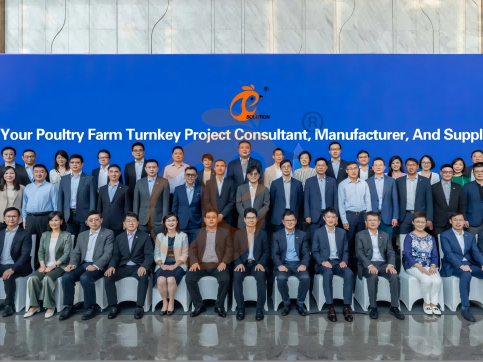
Hong Kong Headquarter Management Team
Hong Kong Headquarter Taiyu Industrial Group CO., LTD
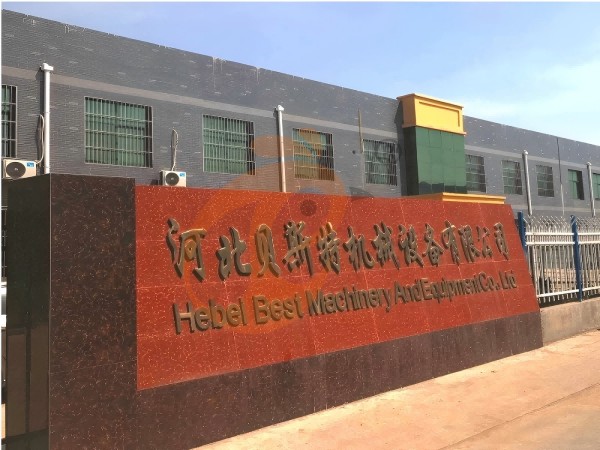
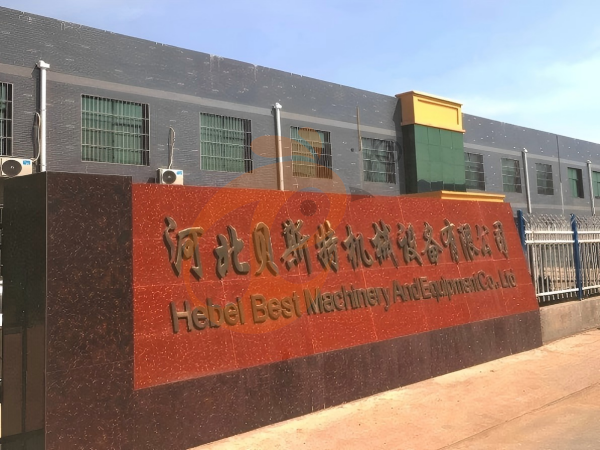
China Hebei Best Machinery And Equipment CO., LTD
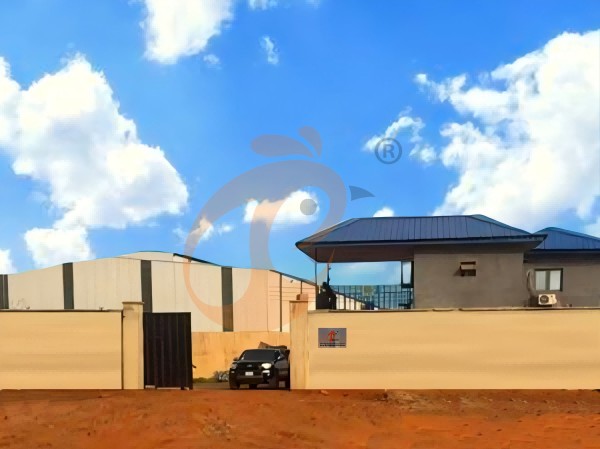
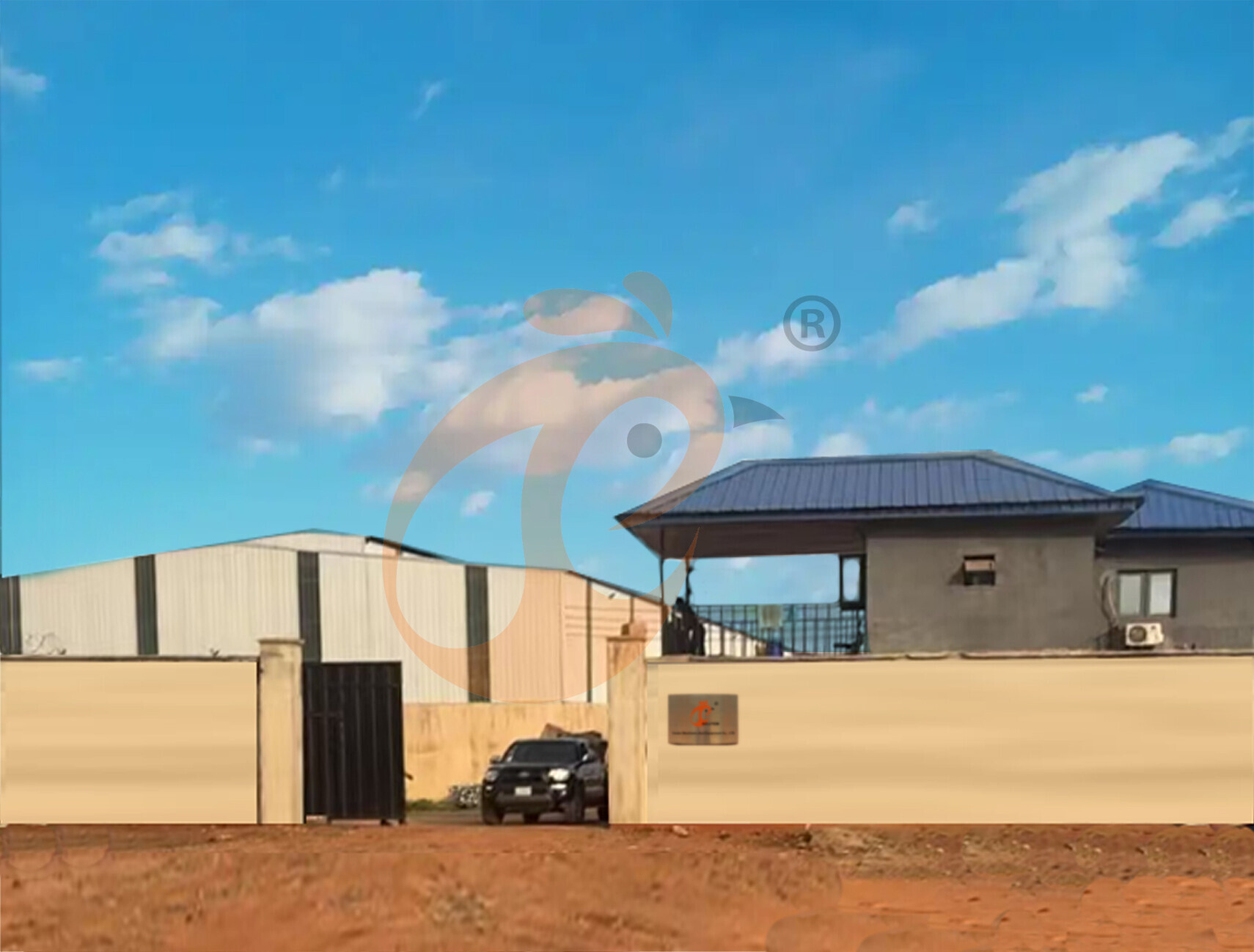
Nigeria Vanke Machinery And Equipment CO., LTD
Tanzania Best Machinery And Equipment CO., LTD
Ethiopia Best Hebei Machinery Manufacturing PLC
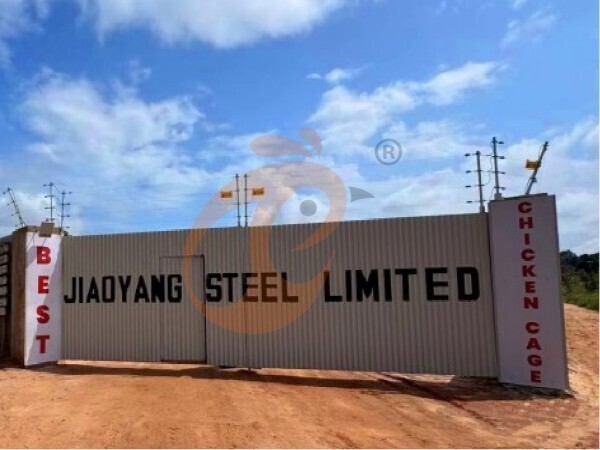

Reception /24 WhatsApp NO. : +8618830120193
FAQ
What Feeding System Standards Are Required For Pellet Machine In Poultry Chicken Feed Production Lines?
Feeder capacity is designed at 1.2–2.5 tons per hour depending on raw material density.
Flow consistency deviation is maintained within ±2% for uniform pellet quality output.
What Maintenance And Wear Part Replacement Standards Apply To Pellet Machine?
Bearing replacement intervals typically occur every 12–18 months under continuous operation.
Gearbox oil change frequency is maintained at 1000–1500 operating hours for system reliability.
What Safety Protection Systems Are Integrated In Pellet Machine For Poultry Chicken Feed Production?
Emergency stop response time is maintained within 0.5–1.0 seconds for operational safety.
Vibration monitoring limits are set at 4.5–6.0 mm/s to prevent mechanical failure.
Message
Products recommended
 HK Headquarter Offers EU-standard Poultry Farm Solutions, Manufacture Poultry Farm Equipment1. Continuous communication with the EU and the US
2. China, Nigeria, Ethiopia, Tanzania branch companies and factories
3. The products’ quality is customized for local poultry farms
4. Poultry cage and poultry farm equipment stock for sale
5. 24 online reception Whatsapp NO. : +8618830120193,contact us to get full informationRead More China Branch Offer Poultry Farm Business Plan, Manufacture Poultry Farm Equipment1. Address: Flat/RM 2416, 24/F, Runxing Building, Youyi Nan Street, Shijiazhuang City, Hebei Province, China
2. Poultry cage and poultry farm equipment factory and stock for sale
3. Customized for local poultry farms
4. Quality and design are based on Euro
5. 24 online reception Whatsapp NO. : +8618830120193Read More Nigeria Branch Offer Poultry Farm Business Plan, Manufacture Poultry Farm Equipment1. Address: After Sinoma Office, 200 Meters Near Danco Filling Station, Lagos/Ibadan Expressway, Lagos State, Nigeria
2. Poultry cage and poultry farm equipment factory and stock for sale
3. Customized for Nigerian poultry farms
4. Quality and design are based on Euro
5. 24 online reception Whatsapp NO. : +8618830120193Read More Ethiopia Branch Offer Poultry Farm Business Plan, Manufacture Poultry Farm Equipment1. Address: Gelan Gura, Akaki-kaliti Sub City, Addis Ababa, Ethiopia
2. Poultry cage and poultry farm equipment stock for sale
3. Customized for Ethiopian poultry farms
4. Quality and design are based on Euro
5. 24 online reception Whatsapp NO. : +8618830120193, contact us to get price listRead More Tanzania Branch Offer Poultry Farm Business Plan, Manufacture Poultry Farm Equipment1. Address: No.8, Sova Road, Msufini, Mlandizi, Kibaha, Pwani, Tanzania
2. Poultry cage and poultry farm equipment factory and stock for sale
3. Customized for Tanzanian poultry farms
4. Quality and design are based on Euro
5. 24 online reception Whatsapp NO. : +8618830120193Read More Fully Automatic H Type Layer Chicken Cage1. 30,000-100,000+ layers/house chooses it, Poultry farmers can achieve an egg production rate of 96-98%
2. A significant improvement over the 85-90% typically seen in manual systems
3. A typical poultry farm can expect a 30-40% reduction in labor costs due to the automation
4. Each feeding line efficiently supplies feed to around 100,000 hens per 30 mins
5. Reception /WhatsApp NO. : +8618830120193Read More Fully Automatic A Type Layer Chicken Cage1. 10,000-50,000 layers/house chooses it
2. Cleaner egg collection reduces breakage by 0.5%
3. Improved hygiene helps reduce mortality rate to <3%
4. 1–2 technicians can handle 15,000–30,000 birds
5. Reception /WhatsApp NO. : +8618830120193Read More Semi Automatic H Type Layer Chicken Cage1. 1,00-20,000 layers/house chooses it
2. Nipple drinkers flow 30–60 ML / min
3. Hot-dip galvanized (typical coating ≥ 275 g/m²)
4. Reduce ammonia by ~ 35–40%
5. Reception /WhatsApp NO. : +8618830120193Read More Semi Automatic A Type Layer Chicken Cage1. 1,00-20,000 layers/house chooses it, no rust for 10 years, no deformation for 15 years
2. Chickens live comfortably, you can raise them with peace of mind
3. Save water, save money—efficiency you can measure
4. Improve environment quality, and increase egg production rate
5. Reception /WhatsApp NO. : +8618830120193Read More
By clicking 'Allow All', you agree to the storage of cookies on your device to enhance site navigation, analyze site usage and assist with our marketing efforts.