


Blog
Pralson feeder system operation determines feed distribution precision, poultry growth consistency, mechanical stability, and commercial poultry farm profitability.
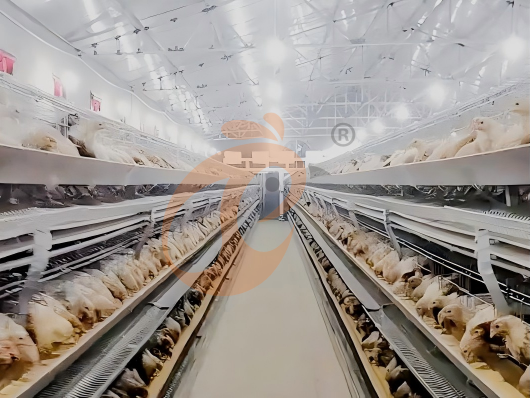
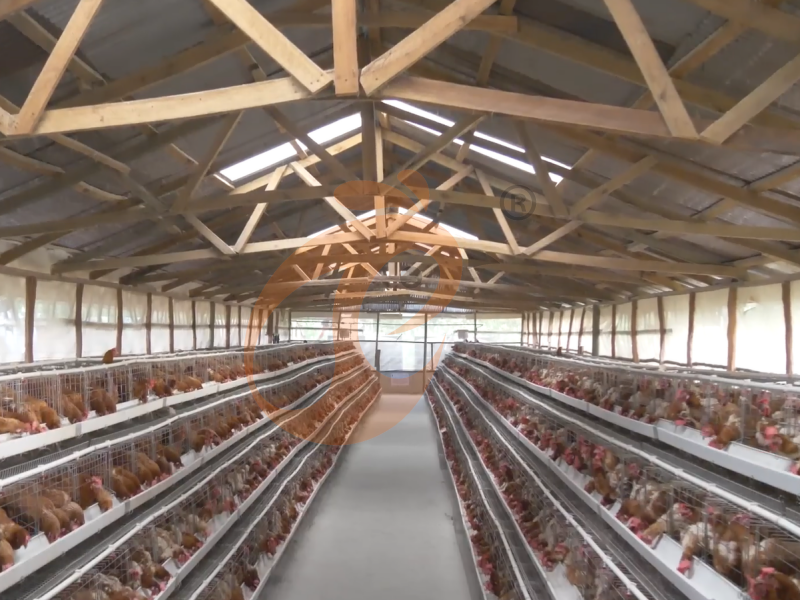
Automatic poultry feeding equipment supports synchronized feed transportation inside intensive broiler and layer farming facilities.
Poultry feeding system management requires feeder height calibration, feed line inspection, motor monitoring, and feed waste reduction control.
Commercial poultry farms operating 20,000–50,000 birds require stable feed flow performance during every production cycle.
Modern poultry equipment engineering improves feed conversion ratio, reduces operational downtime, and increases flock production efficiency.
Get professional poultry farm construction guidance, equipment selection solutions, and the latest price lists, whatsApp to +8618830120193, +2348111199996, or click to learn more.
Essential Pralson Feeder Operation Standards
Pralson feeder operators must maintain stable feeding conditions during every production stage.
Incorrect adjustment may increase feed waste, reduce flock uniformity, and damage feeding system components.
Commercial poultry farming operations normally inspect feeder systems three times daily to maintain stable mechanical performance.
Data is for reference only.Swipe horizontally to view full table.
Stable poultry feeding system operation reduces production interruption risk and improves feed access consistency inside commercial poultry houses.
Pralson Feeder Height Adjustment
Correct feeder height supports comfortable feed consumption and minimizes feed scattering around feeding zones.
Pralson feeder lines should remain level with the middle section of bird backs during every growth phase.
Feed pans positioned too low usually increase litter contamination and feed loss.
Data is for reference only.Swipe horizontally to view full table.
Commercial broiler farms may reduce 18–26 kg feed loss per 1,000 birds through proper feeder line adjustment.
Feed Distribution Monitoring
Pralson feeder systems require equal feed delivery throughout the complete feeding line.
Uneven feed distribution often creates body weight differences exceeding 180–250 g inside the same flock.
Feed delivery inspection should include feed volume balance, terminal pan response, and feed line running stability.
Data is for reference only.Swipe horizontally to view full table.
Uniform feed transportation improves flock growth consistency and stabilizes production output during intensive poultry farming cycles.
Poultry Feeding Behavior Observation
Professional poultry feeding system management includes flock behavior analysis around feeder lines.
Healthy poultry groups normally distribute evenly within 3–5 minutes after feed delivery begins.
Abnormal bird clustering often indicates feed volume imbalance, poor lighting distribution, or airflow instability.
Data is for reference only.Swipe horizontally to view full table.
Continuous poultry feeding behavior monitoring supports early operational adjustment and stable flock performance.
Poultry Feeding System Cleaning Management
Pralson feeder systems require routine dry-cleaning management to prevent bacterial contamination and feed spoilage.
Moist feed residue accumulation may increase fungal growth inside feed tubes and feed hoppers.
Professional poultry equipment maintenance schedules improve feeding hygiene and extend equipment lifespan.
Data is for reference only.Swipe horizontally to view full table.
Commercial poultry farms applying routine cleaning procedures may reduce digestive disease incidence by 14–19%.
Science Of Feed Uniformity In Poultry Farming
Modern broiler genetics require synchronized nutrient intake for stable muscle growth and feed conversion efficiency.
Uneven feed access reduces intestinal nutrient absorption performance and creates inconsistent body development.
Commercial poultry farms targeting 2.4–2.6 kg market weight frequently require feed distribution consistency above 93%.
Data is for reference only.Swipe horizontally to view full table.
Scientific poultry feeding system engineering directly affects feed conversion ratio and final production profitability.
Feed Waste Reduction Methods
Feed cost normally represents 60–72% of total poultry production expenses.
Pralson feeder operators should control feed volume carefully to minimize feed overflow around feeding pans.
Improper feed adjustment may create unnecessary losses exceeding $1,200–$2,800 per production cycle in a 30,000-bird poultry house.
European union standard reference only.
Data is for reference only.Swipe horizontally to view full table.
Stable feed management improves poultry farming profitability and reduces unnecessary raw material consumption.
Motor And Sensor Inspection
Pralson feeder systems depend on stable motor operation and accurate sensor response during every feeding cycle.
Unexpected motor shutdown may interrupt feed delivery across thousands of birds within several minutes.
Professional poultry equipment inspection schedules reduce emergency maintenance expenses and mechanical downtime.
Data is for reference only.Swipe horizontally to view full table.
Preventive poultry feeding system maintenance improves operational stability during continuous commercial production cycles.
Poultry House Environmental Conditions
Environmental management strongly affects poultry feeding system performance and flock appetite stability.
Poor air circulation and unstable house temperature frequently reduce feed intake efficiency and increase flock stress levels.
Commercial poultry houses should maintain stable environmental conditions throughout the complete production period.
Data is for reference only.Swipe horizontally to view full table.
Stable poultry house conditions improve feed consumption consistency and support healthier flock growth performance.
Poultry Feeding System Operator Training
Professional Pralson feeder management requires standardized operational training for all poultry farm workers.
Structured poultry equipment training programs reduce operational mistakes and improve feeding efficiency consistency between production cycles.
Commercial poultry farms normally establish written procedures covering cleaning schedules, feed adjustment, and emergency shutdown methods.
Data is for reference only.Swipe horizontally to view full table.
Professional poultry feeding system training improves flock management quality and mechanical operation stability.
Frequently Asked Questions
Q1: How often should pralson feeder systems be inspected?
A1: Commercial poultry farms normally inspect pralson feeder systems three times daily during morning, midday, and evening feeding cycles.
Inspection procedures include feed line speed verification, motor temperature monitoring, feed pan filling consistency, and terminal pan response observation.
Daily inspection routines reduce feed interruption risk and improve flock growth stability throughout intensive poultry production cycles.
Q2: What is the recommended feed waste ratio for poultry feeding systems?
A2: Professional poultry farms usually maintain feed waste ratios below 1.5% during normal feeding operations.
Feed waste above 3% may increase annual production expenses significantly in large poultry houses operating 20,000–50,000 birds.
Correct feeder height adjustment and controlled pan fill percentage help reduce unnecessary feed losses effectively.
Q3: Why is feed distribution uniformity important in poultry farming?
A3: Uniform feed distribution supports equal nutrient intake across the entire poultry flock.
Commercial broiler farms with feed uniformity above 93% frequently achieve better fcr values and more stable market weights.
Uneven feed transportation often creates growth differences exceeding 180–250 g between birds during complete production cycles.
Taiyu (HK) Group - One Of China Biggest Pralson Supplier
Professional pralson feeder system manufacturing supports modern commercial poultry farming efficiency worldwide.
Global factory direct poultry equipment supply reduces project procurement cost and delivery periods.
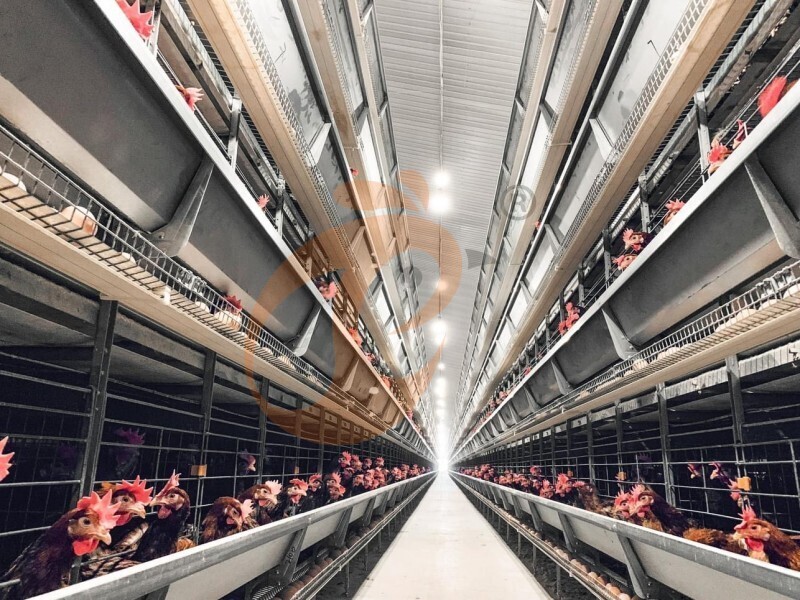
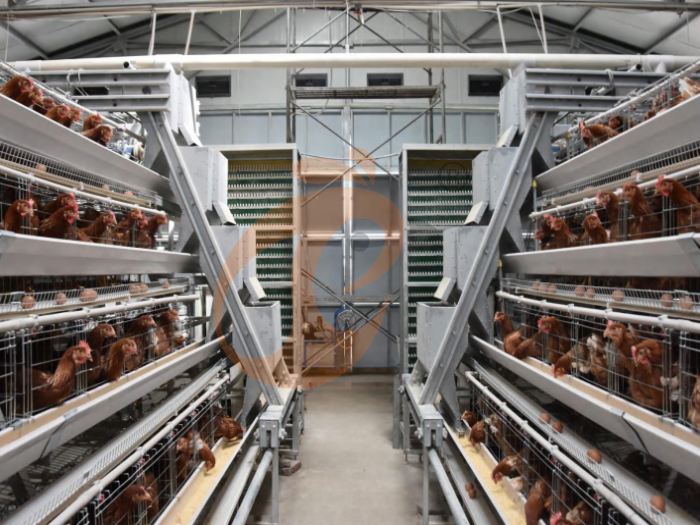
Automatic poultry cage and poultry feeding system engineering supports intensive broiler and layer farming projects.
Turn key poultry farm solutions include feeding systems, drinking systems, ventilation systems, and manure removal systems.
International poultry equipment export experience supports stable installation quality and long term farm operation performance.
Contact Us To Received Your Customized Poultry Farm Plan
Headquarters And Branchs

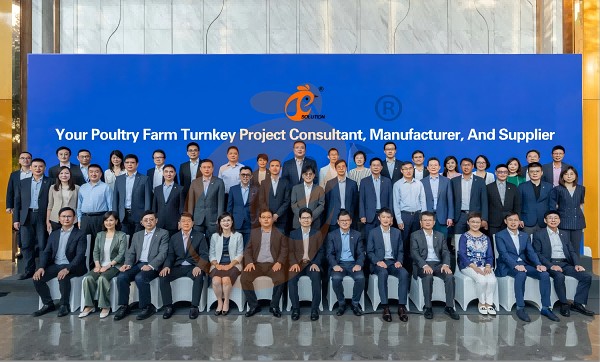
Hong Kong Headquarter Management Team
Hong Kong Headquarter Taiyu Industrial Group CO., LTD
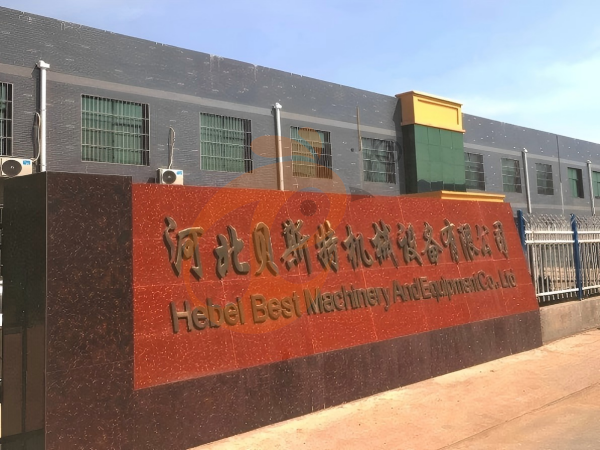
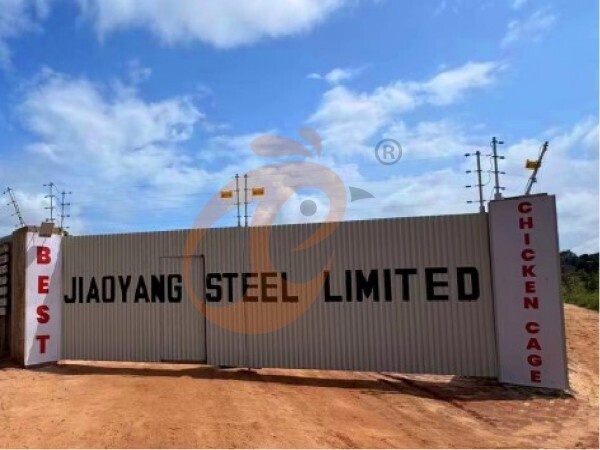
China Hebei Best Machinery And Equipment CO., LTD
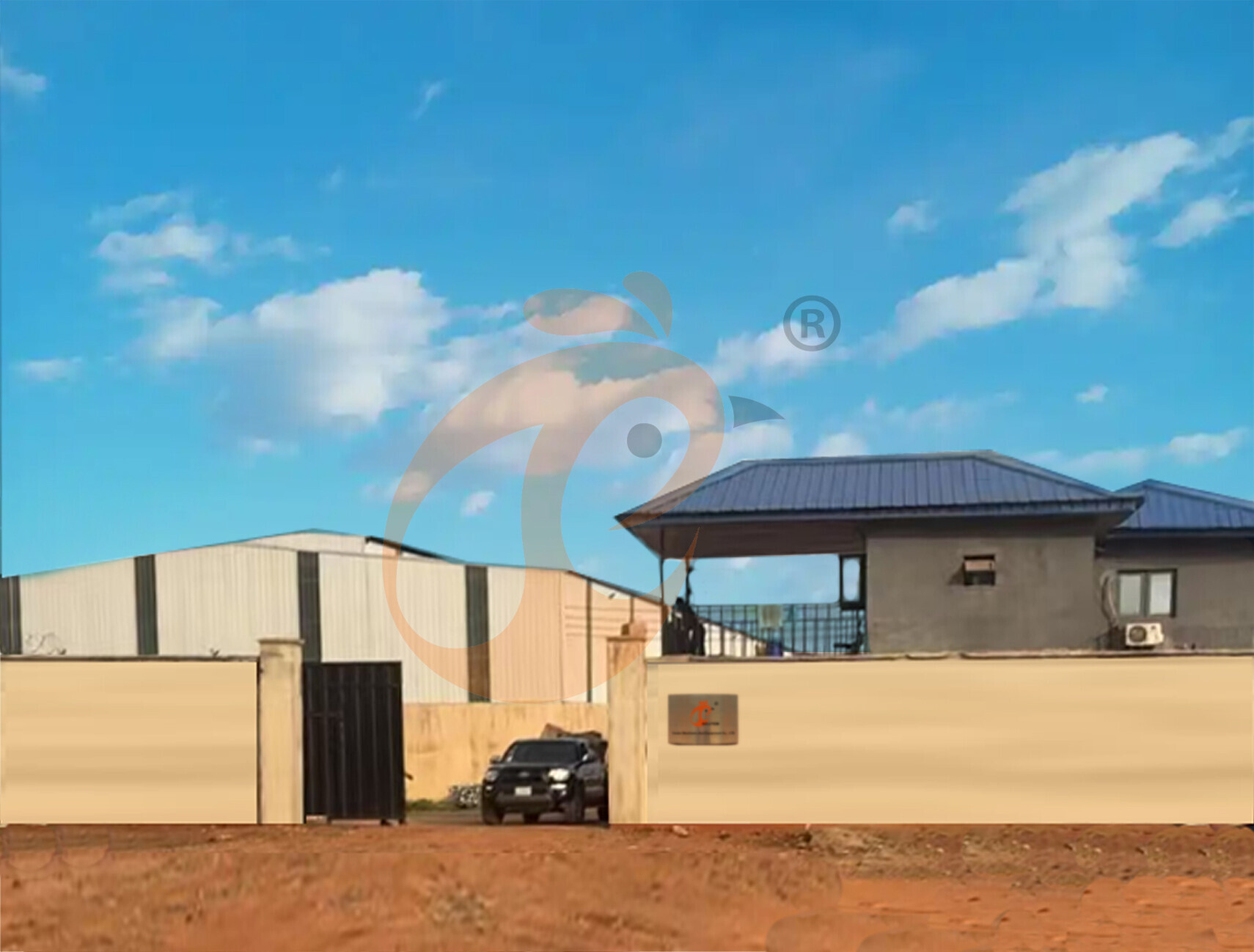
Nigeria Vanke Machinery And Equipment CO., LTD
Tanzania Best Machinery And Equipment CO., LTD
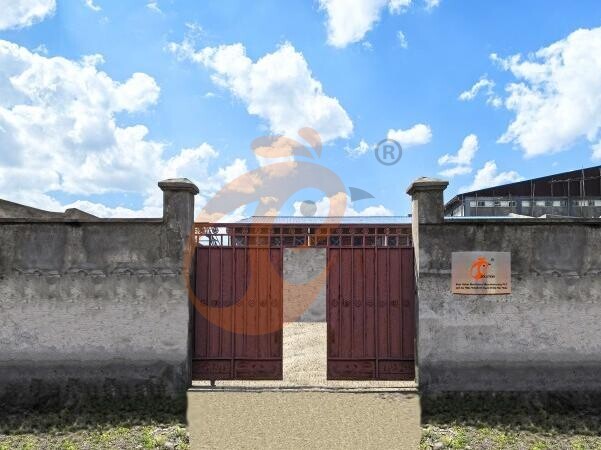
Ethiopia Best Hebei Machinery Manufacturing PLC




Reception /24 WhatsApp NO. : +8618830120193
FAQ
What Performance Advantages Does Plasson Poultry Equipment Provide In Poultry Chicken Farming Efficiency?
Labor requirement decreases by 50%–65% through automated water delivery systems.
Disease transmission risk is reduced by 35%–55% due to closed drinking environment design.
What Are The Installation Standards For Plasson Poultry Equipment In Poultry Chicken Farms?
Pipeline slope is maintained at 0.3%–0.5% for effective drainage and hygiene control.
Spacing between drinkers is configured at 25–35 cm to ensure equal water access distribution.
What Maintenance Requirements Apply To Plasson Poultry Equipment In Poultry Chicken Production Systems?
Seal inspection intervals are set at 20–30 days to prevent leakage and pressure loss.
Cleaning solution concentration is maintained at 0.03%–0.06% for effective system sanitation.
Message
Products recommended
 HK Headquarter Offers EU-standard Poultry Farm Solutions, Manufacture Poultry Farm Equipment1. Continuous communication with the EU and the US
2. China, Nigeria, Ethiopia, Tanzania branch companies and factories
3. The products’ quality is customized for local poultry farms
4. Poultry cage and poultry farm equipment stock for sale
5. 24 online reception Whatsapp NO. : +8618830120193,contact us to get full informationRead More China Branch Offer Poultry Farm Business Plan, Manufacture Poultry Farm Equipment1. Address: Flat/RM 2416, 24/F, Runxing Building, Youyi Nan Street, Shijiazhuang City, Hebei Province, China
2. Poultry cage and poultry farm equipment factory and stock for sale
3. Customized for local poultry farms
4. Quality and design are based on Euro
5. 24 online reception Whatsapp NO. : +8618830120193Read More Nigeria Branch Offer Poultry Farm Business Plan, Manufacture Poultry Farm Equipment1. Address: After Sinoma Office, 200 Meters Near Danco Filling Station, Lagos/Ibadan Expressway, Lagos State, Nigeria
2. Poultry cage and poultry farm equipment factory and stock for sale
3. Customized for Nigerian poultry farms
4. Quality and design are based on Euro
5. 24 online reception Whatsapp NO. : +8618830120193Read More Ethiopia Branch Offer Poultry Farm Business Plan, Manufacture Poultry Farm Equipment1. Address: WR93+FQ2, Addis Ababa, Ethiopia
2. Poultry cage and poultry farm equipment stock for sale
3. Customized for Ethiopian poultry farms
4. Quality and design are based on Euro
5. 24 online reception Whatsapp NO. : +8618830120193, contact us to get price listRead More Tanzania Branch Offer Poultry Farm Business Plan, Manufacture Poultry Farm Equipment1. Address: No.8, Sova Road, Msufini, Mlandizi, Kibaha, Pwani, Tanzania
2. Poultry cage and poultry farm equipment factory and stock for sale
3. Customized for Tanzanian poultry farms
4. Quality and design are based on Euro
5. 24 online reception Whatsapp NO. : +8618830120193Read More Fully Automatic H Type Layer Chicken Cage1. 30,000-100,000+ layers/house chooses it, Poultry farmers can achieve an egg production rate of 96-98%
2. A significant improvement over the 85-90% typically seen in manual systems
3. A typical poultry farm can expect a 30-40% reduction in labor costs due to the automation
4. Each feeding line efficiently supplies feed to around 100,000 hens per 30 mins
5. Reception /WhatsApp NO. : +8618830120193Read More Fully Automatic A Type Layer Chicken Cage1. 10,000-50,000 layers/house chooses it
2. Cleaner egg collection reduces breakage by 0.5%
3. Improved hygiene helps reduce mortality rate to <3%
4. 1–2 technicians can handle 15,000–30,000 birds
5. Reception /WhatsApp NO. : +8618830120193Read More Semi Automatic H Type Layer Chicken Cage1. 1,00-20,000 layers/house chooses it
2. Nipple drinkers flow 30–60 ML / min
3. Hot-dip galvanized (typical coating ≥ 275 g/m²)
4. Reduce ammonia by ~ 35–40%
5. Reception /WhatsApp NO. : +8618830120193Read More Semi Automatic A Type Layer Chicken Cage1. 1,00-20,000 layers/house chooses it, no rust for 10 years, no deformation for 15 years
2. Chickens live comfortably, you can raise them with peace of mind
3. Save water, save money—efficiency you can measure
4. Improve environment quality, and increase egg production rate
5. Reception /WhatsApp NO. : +8618830120193Read More

By clicking 'Allow All', you agree to the storage of cookies on your device to enhance site navigation, analyze site usage and assist with our marketing efforts.