


Blog
Nipple drinker height adjustment for poultry nipple drinker system directly influences poultry water consumption, litter moisture control, and flock growth performance.
Automatic chicken watering system management improves poultry drinking posture stability, stabilizes water flow distribution, and reduces water leakage inside commercial poultry houses.
Poultry nipple drinker equipment requires accurate pressure regulation, daily height correction, and balanced water supply capacity during every broiler and layer growth stage.
Chicken nipple drinker equipment combined with automatic suspension systems improves flock uniformity, reduces environmental ammonia concentration, and supports stable feed conversion ratio performance.
Modern poultry farm engineering integrates nipple drinker lines, poultry cage systems, environmental controllers, and ventilation equipment for efficient intensive poultry production.
Get professional poultry farm construction guidance, equipment selection solutions, and the latest price lists, whatsApp to +8618830120193, +2348111199996, or click to learn more.
Nipple Drinker System Structure And Poultry Farm Application
Modern poultry farms widely use nipple drinker systems because closed water delivery pipelines reduce bacterial contamination and water waste.
Commercial poultry watering systems usually include stainless steel nipples, pvc square pipes, pressure regulators, medicators, filters, flushing devices, and suspension winch systems.
Chicken watering system layout depends on stocking density, poultry species, poultry house width, and production targets.
Data is for reference only.Swipe horizontally to view full table.
Correct nipple allocation reduces crowding behavior around poultry drinker lines and improves flock drinking uniformity.
Chicken Growth Speed And Daily Height Adjustment Requirements
Broiler chickens rapidly increase body weight during the first five weeks of production.
Incorrect nipple drinker height during fast growth periods causes uneven water intake and unstable feed conversion performance.
Commercial poultry farms usually adjust nipple line height at least once every day during the brooding stage.
Data is for reference only.Swipe horizontally to view full table.
Correct poultry nipple drinker positioning allows chickens to maintain stable neck extension while drinking.
Drinking Posture Observation During Poultry Watering Management
Poultry farm technicians usually observe bird posture instead of relying only on line height measurement.
Healthy chickens maintain balanced standing posture during water consumption.
Incorrect chicken watering system adjustment immediately changes flock behavior patterns.
Data is for reference only.Swipe horizontally to view full table.
Poultry workers usually inspect bird drinking posture during morning feeding periods and high environmental temperature periods.
Poultry Water Consumption And Feed Conversion Relationship
Water is the most consumed nutrient inside commercial poultry production systems.
Broiler digestion efficiency depends heavily on stable daily water intake.
Scientific poultry production data shows that water restriction immediately reduces feed digestion efficiency and daily weight gain.
Data is for reference only.Swipe horizontally to view full table.
Stable poultry nipple drinker performance improves nutrient transportation, metabolic efficiency, and body temperature regulation.
Water Pressure Management Inside Poultry Nipple Drinker Systems
Nipple drinker height adjustment and pressure regulation operate together as one poultry watering system.
Excessive pressure creates wet litter and water leakage.
Insufficient pressure reduces drinking speed and limits poultry water intake.
Data is for reference only.Swipe horizontally to view full table.
Long poultry houses above 100 meters often install sectional pressure regulators for stable water distribution.
Wet Litter Prevention Through Correct Nipple Drinker Height
Wet litter is one of the most expensive hidden management problems inside broiler farms.
Incorrect nipple drinker height causes excessive water spillage around poultry drinker lines.
High litter moisture concentration increases ammonia release and damages poultry footpad health.
Data is for reference only.Swipe horizontally to view full table.
Commercial poultry farms usually maintain litter moisture between 20% and 28% for stable environmental control.
Automatic Winch Systems For Poultry Water Line Adjustment
Large poultry farms commonly install automatic suspension winch systems for faster nipple drinker adjustment.
Automatic poultry equipment systems improve line leveling consistency across long poultry houses.
Poultry technicians can quickly adjust entire nipple drinker lines using centralized mechanical lifting systems.
Data is for reference only.Swipe horizontally to view full table.
Automatic poultry watering systems reduce labor cost and improve operational efficiency inside large poultry farms.
European union standard reference only.
Typical automatic poultry nipple drinker system investment ranges from $1.2 to $2.8 per bird capacity depending on pipeline material, nipple type, and automation level.
Common Poultry Watering Management Mistakes
Modern poultry farms still experience production losses caused by incorrect nipple drinker management procedures.
Delayed adjustment schedules and uneven line leveling are common operational problems.
Data is for reference only.Swipe horizontally to view full table.
Routine inspection procedures reduce long-term poultry production losses and maintenance cost.
Daily Poultry Watering Inspection Procedures
Commercial poultry farms usually establish fixed nipple drinker inspection routines.
Water quality, pressure stability, leakage quantity, and filter cleanliness require regular inspection.
Data is for reference only.Swipe horizontally to view full table.
Consistent inspection management improves poultry house environmental stability and water delivery efficiency.
Poultry Nipple Drinker Product Selection Standards
Different poultry production systems require different nipple drinker configurations and water flow capacities.
Broiler farms usually prioritize fast adjustment speed and large water delivery capacity.
Layer poultry cage systems prioritize durability and pressure stability.
Data is for reference only.Swipe horizontally to view full table.
Correct poultry nipple drinker product selection improves long-term operational reliability and reduces maintenance frequency.
Frequently Asked Questions
Q1: How often should poultry farms adjust nipple drinker height?
A1: Commercial poultry farms usually adjust nipple drinker height once or twice daily during the first two broiler growth weeks.
Fast body weight increase during brooding stages changes chicken drinking posture very quickly.
Layer poultry systems generally require weekly height adjustment because body size changes more slowly after maturity.
Continuous observation of bird neck angle and drinking comfort provides more accurate adjustment timing than fixed schedules alone.
Q2: Why does incorrect nipple drinker height increase wet litter problems?
A2: Incorrect nipple drinker height changes chicken drinking posture and increases water spillage around poultry drinker lines.
Low nipple positions encourage birds to play with drinkers while high positions force birds to shake heads during water intake.
Both situations release excess water directly into litter material.
High litter moisture concentration increases ammonia release, bacterial growth, and footpad damage risk inside poultry houses.
Q3: What is the standard water pressure for poultry nipple drinker systems?
A3: Day-old chicks usually require approximately 5 cm pressure height with 25 ml/min water flow.
Adult broilers generally require 20 cm pressure height with 72 ml/min water flow.
Layer poultry farms commonly operate around 28 cm pressure height with 95 ml/min water flow.
Stable pressure regulation across entire poultry houses is more important than excessive water delivery speed because uneven pressure distribution creates inconsistent flock water access.
Taiyu (HK) Group - One Of China Largest Nipple Drinker System Manufacturer
Precision nipple drinker height adjustment system designed for modern poultry farming operations ensuring stable water distribution.
Global factory direct supply of poultry equipment supporting broiler and layer cage projects worldwide.
Turn-key poultry farm engineering services include design, installation, and complete system commissioning solutions.
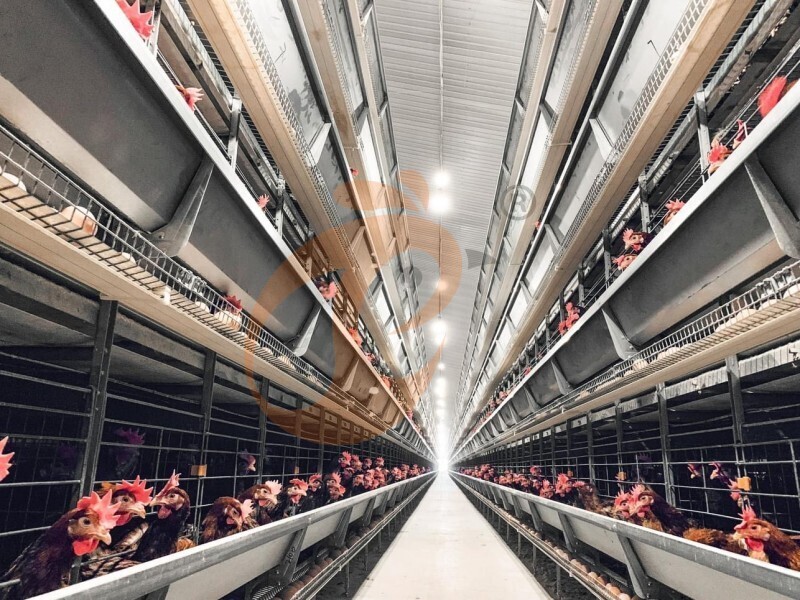
Advanced poultry cage and watering integration systems improve production efficiency and reduce labor cost.
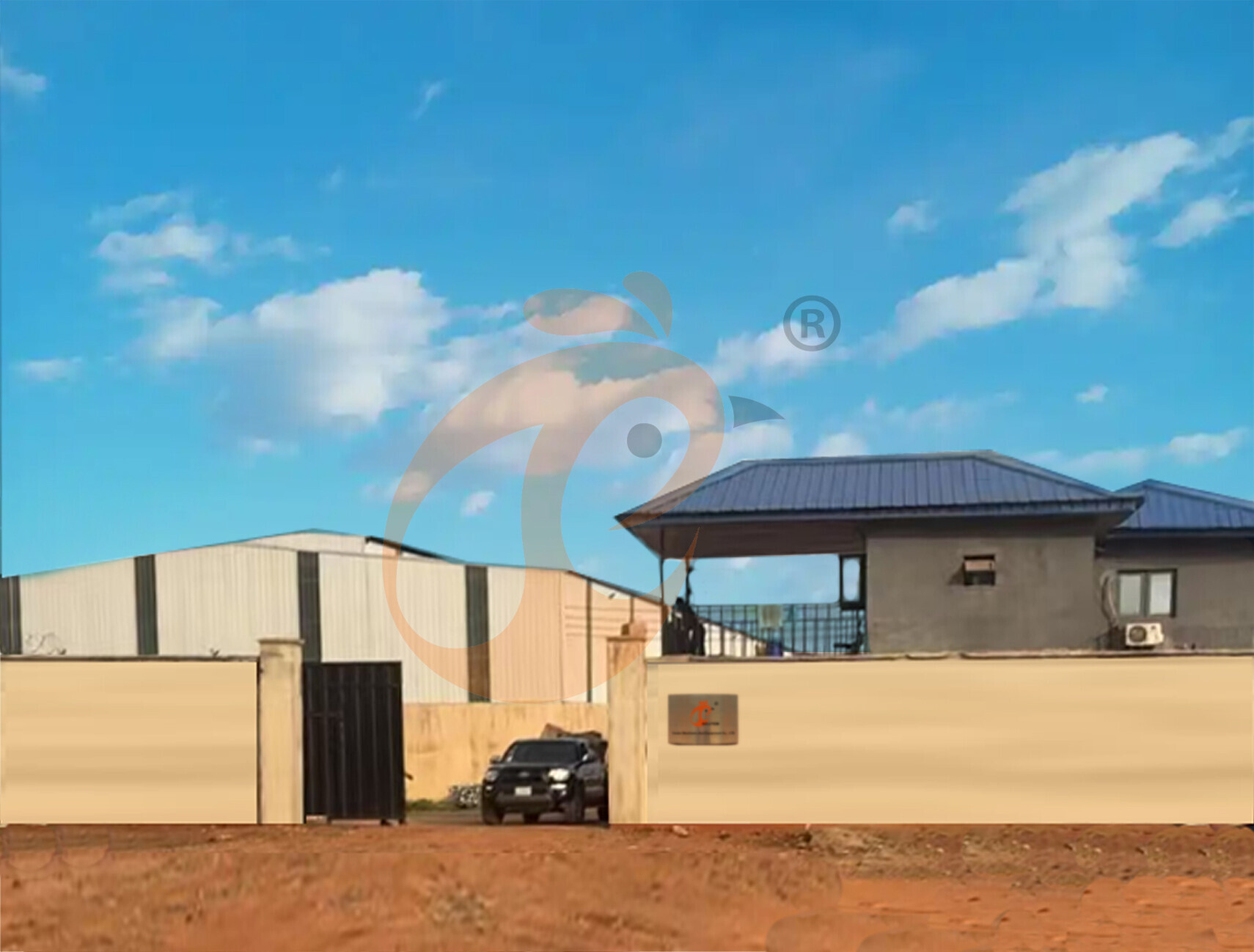
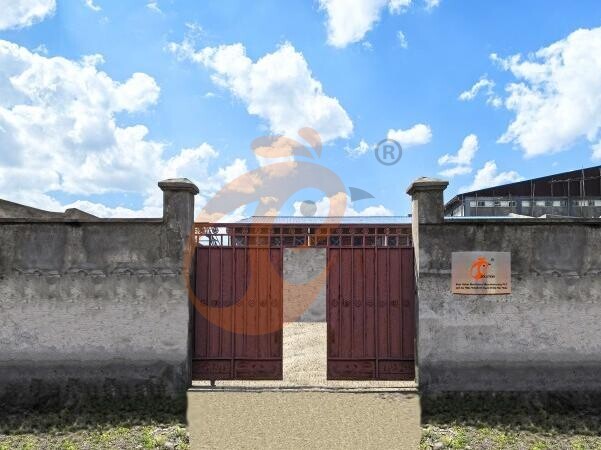
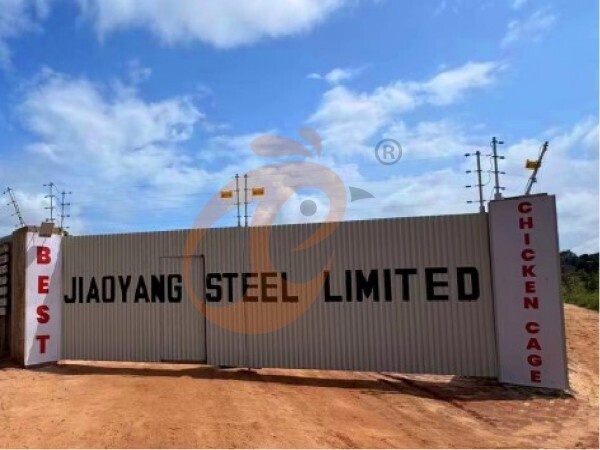
Export oriented manufacturing base provides durable stainless steel poultry drinker systems for intensive farming projects.
Contact Us To Received Your Customized Poultry Farm Plan
Headquarters And Branchs

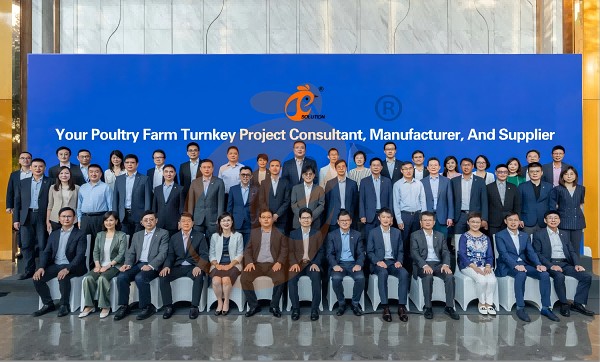
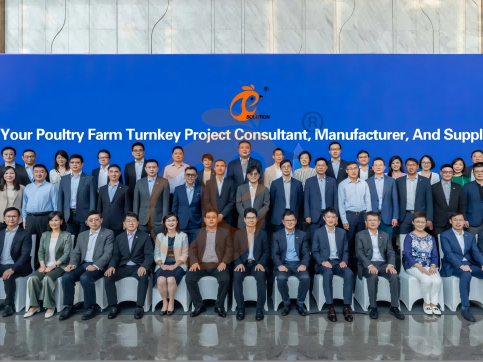
Hong Kong Headquarter Management Team
Hong Kong Headquarter Taiyu Industrial Group CO., LTD
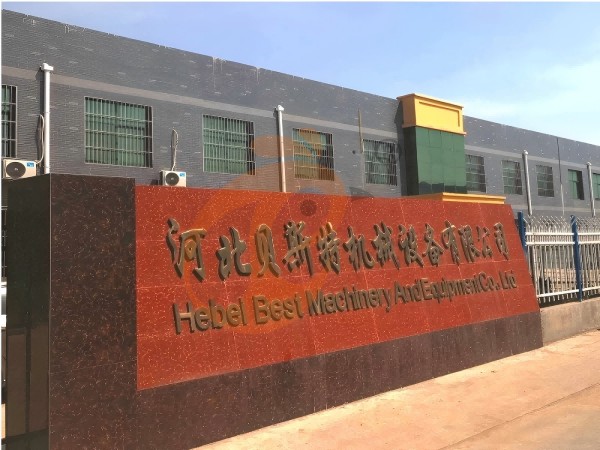
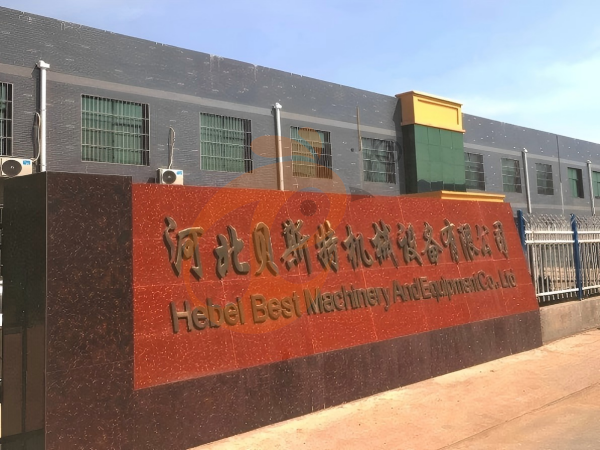
China Hebei Best Machinery And Equipment CO., LTD
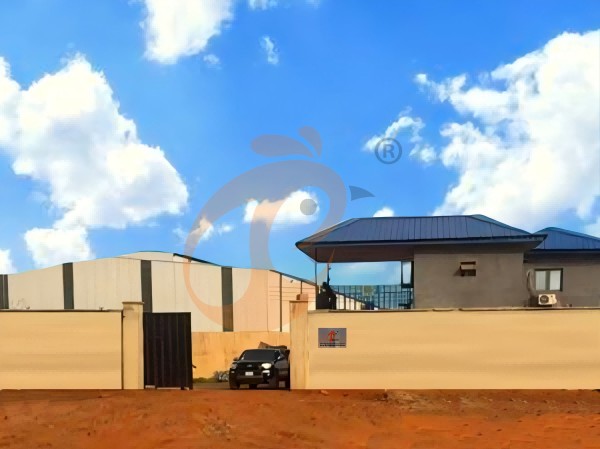
Nigeria Vanke Machinery And Equipment CO., LTD
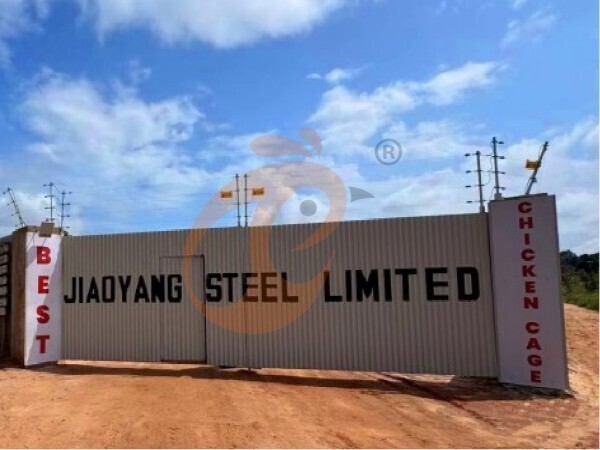
Tanzania Best Machinery And Equipment CO., LTD
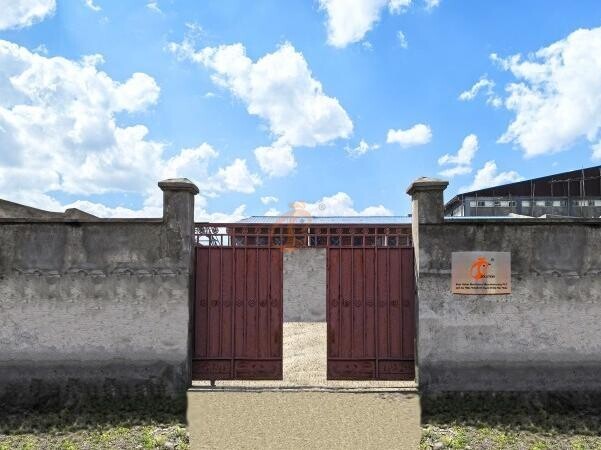
Ethiopia Best Hebei Machinery Manufacturing PLC
Reception /24 WhatsApp NO. : +8618830120193
FAQ
What Water Quality Requirements Are Necessary For Nipple Drinkers In Poultry Chicken Cage Systems?
Water hardness is maintained within 100–150 mg/L CaCO₃ equivalent for valve protection.
Microbial load is controlled under 100 CFU/mL for safe poultry consumption standards.
What Is The Recommended Stocking Ratio For Nipple Drinkers In Poultry Chicken Cage Systems?
Drinker spacing is typically set at 25–30 cm to reduce competition stress.
Water demand allocation is calculated at 180–220 ml per bird daily in intensive production.
How Is Water Flow Regulated In Nipple Drinkers For Poultry Chicken Cage Farming Systems?
Pressure stability is maintained within 0.18–0.22 MPa across drinking lines.
Drop formation interval is adjusted at 1–2 seconds per activation for efficient intake.
- poultry equipment
- layer cage
- poultry farm
- poultry cage
- poultry farm
- poultry farm construction
- layer cage system
- automatic poultry equipment
- broiler farm
- poultry house
- poultry cage system
- automatic poultry watering system
- poultry farm application
- automatic chicken watering system
- poultry watering system
- poultry drinker system
- chicken watering system
- Ethiopia
- Nigeria
Message
Products recommended
 HK Headquarter Offers EU-standard Poultry Farm Solutions, Manufacture Poultry Farm Equipment1. Continuous communication with the EU and the US
2. China, Nigeria, Ethiopia, Tanzania branch companies and factories
3. The products’ quality is customized for local poultry farms
4. Poultry cage and poultry farm equipment stock for sale
5. 24 online reception Whatsapp NO. : +8618830120193,contact us to get full informationRead More China Branch Offer Poultry Farm Business Plan, Manufacture Poultry Farm Equipment1. Address: Flat/RM 2416, 24/F, Runxing Building, Youyi Nan Street, Shijiazhuang City, Hebei Province, China
2. Poultry cage and poultry farm equipment factory and stock for sale
3. Customized for local poultry farms
4. Quality and design are based on Euro
5. 24 online reception Whatsapp NO. : +8618830120193Read More Nigeria Branch Offer Poultry Farm Business Plan, Manufacture Poultry Farm Equipment1. Address: After Sinoma Office, 200 Meters Near Danco Filling Station, Lagos/Ibadan Expressway, Lagos State, Nigeria
2. Poultry cage and poultry farm equipment factory and stock for sale
3. Customized for Nigerian poultry farms
4. Quality and design are based on Euro
5. 24 online reception Whatsapp NO. : +8618830120193Read More Ethiopia Branch Offer Poultry Farm Business Plan, Manufacture Poultry Farm Equipment1. Address: Gelan Gura, Akaki-kaliti Sub City, Addis Ababa, Ethiopia
2. Poultry cage and poultry farm equipment stock for sale
3. Customized for Ethiopian poultry farms
4. Quality and design are based on Euro
5. 24 online reception Whatsapp NO. : +8618830120193, contact us to get price listRead More Tanzania Branch Offer Poultry Farm Business Plan, Manufacture Poultry Farm Equipment1. Address: No.8, Sova Road, Msufini, Mlandizi, Kibaha, Pwani, Tanzania
2. Poultry cage and poultry farm equipment factory and stock for sale
3. Customized for Tanzanian poultry farms
4. Quality and design are based on Euro
5. 24 online reception Whatsapp NO. : +8618830120193Read More Fully Automatic H Type Layer Chicken Cage1. 30,000-100,000+ layers/house chooses it, Poultry farmers can achieve an egg production rate of 96-98%
2. A significant improvement over the 85-90% typically seen in manual systems
3. A typical poultry farm can expect a 30-40% reduction in labor costs due to the automation
4. Each feeding line efficiently supplies feed to around 100,000 hens per 30 mins
5. Reception /WhatsApp NO. : +8618830120193Read More Fully Automatic A Type Layer Chicken Cage1. 10,000-50,000 layers/house chooses it
2. Cleaner egg collection reduces breakage by 0.5%
3. Improved hygiene helps reduce mortality rate to <3%
4. 1–2 technicians can handle 15,000–30,000 birds
5. Reception /WhatsApp NO. : +8618830120193Read More Semi Automatic H Type Layer Chicken Cage1. 1,00-20,000 layers/house chooses it
2. Nipple drinkers flow 30–60 ML / min
3. Hot-dip galvanized (typical coating ≥ 275 g/m²)
4. Reduce ammonia by ~ 35–40%
5. Reception /WhatsApp NO. : +8618830120193Read More Semi Automatic A Type Layer Chicken Cage1. 1,00-20,000 layers/house chooses it, no rust for 10 years, no deformation for 15 years
2. Chickens live comfortably, you can raise them with peace of mind
3. Save water, save money—efficiency you can measure
4. Improve environment quality, and increase egg production rate
5. Reception /WhatsApp NO. : +8618830120193Read More
By clicking 'Allow All', you agree to the storage of cookies on your device to enhance site navigation, analyze site usage and assist with our marketing efforts.