


Blog
Broiler chicken cage systems mortality reduction depends on integrated engineering control feed precision and environmental stability management.
Explains six proven methods including ventilation optimization nutrition balance biosecurity and vaccination scheduling.
System performance analysis focuses on temperature humidity ammonia concentration and airflow uniformity across cage tiers.
Production efficiency improvement is achieved through water line stability automated feeding and stocking density optimization.
Technical evaluation provides measurable parameters for mortality reduction and commercial broiler farming system optimization.
Get professional poultry farm construction guidance, equipment selection solutions, and the latest price lists, whatsApp to +8618830120193, +2348111199996, or click to learn more.
System Engineering Structure Of Broiler Chicken Cage Systems
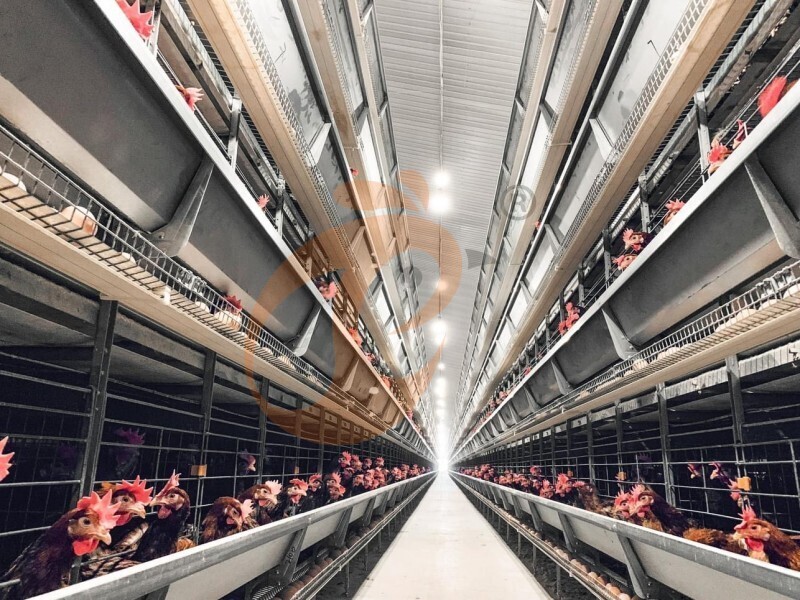
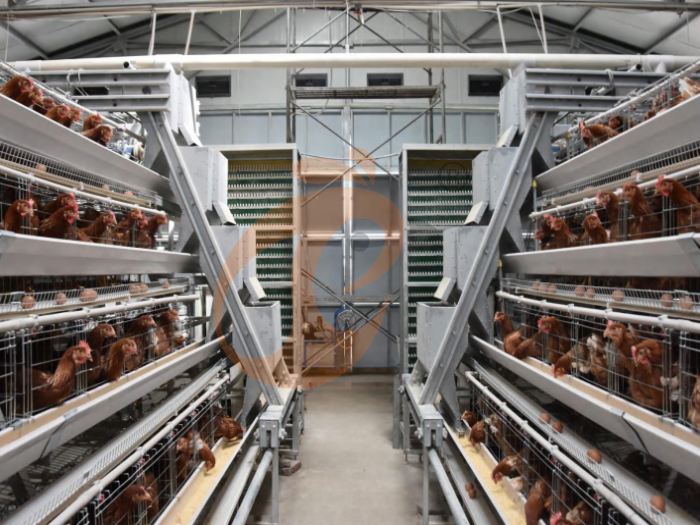
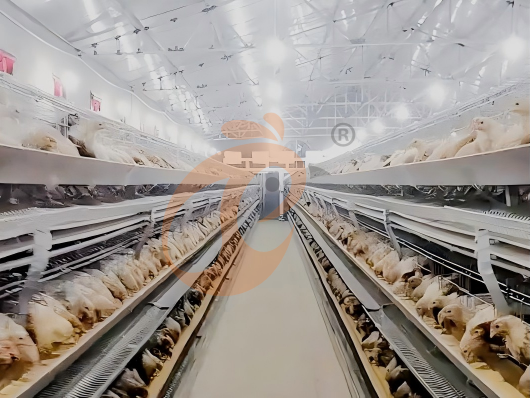
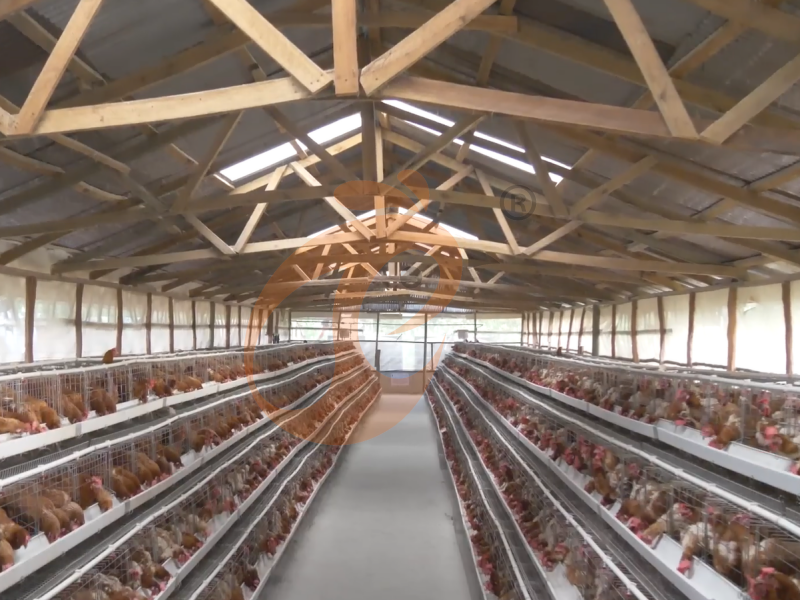
Modern broiler chicken cage systems are designed as integrated poultry production platforms where mechanical structure directly determines biological survival conditions across intensive farming cycles.
Each subsystem contributes to energy balance airflow routing and waste discharge efficiency forming a closed operational environment for broiler growth stability.
Cage system structural precision determines load stability and airflow distribution across vertical tiers directly influencing bird comfort and survival consistency under high-density production conditions.
Data is for reference only.Swipe horizontally to view full table.
Cage structural integrity ensures synchronized feed delivery and ventilation balance across all production layers reducing localized stress accumulation and improving system-wide stability.
Mortality Distribution In Cage Production Systems
Mortality occurrence in broiler cage farming reflects measurable system stress points related to environment fluctuation microbial exposure and equipment performance deviation across production cycles.
Mortality distribution analysis provides a quantitative breakdown of loss origins enabling targeted correction of environmental and operational weak points in intensive poultry production systems.
Data is for reference only.Swipe horizontally to view full table.
System failure analysis shows that environmental instability and resource interruption account for the majority of mortality events in commercial cage operations.
Environmental Control Engineering System
Environmental regulation in broiler chicken cage systems defines the metabolic efficiency of birds through controlled airflow velocity gas concentration balance and thermal stability across vertical housing layers.
Environmental stability directly determines respiratory load reduction and heat dissipation efficiency ensuring uniform physiological conditions across densely populated cage tiers.
Data is for reference only.Swipe horizontally to view full table.
Air distribution consistency across tiers ensures stable oxygen exchange and prevents localized stress accumulation in confined cage environments.
Precision Feeding System And Nutritional Engineering
Feed formulation accuracy determines metabolic efficiency immune strength and growth uniformity in cage-reared broilers under intensive production cycles.
Data is for reference only.Swipe horizontally to view full table.
Balanced amino acid ratios reduce metabolic stress load and improve uniform weight gain efficiency across cage production cycles.
Biosecurity Engineering And Pathogen Control System
Biosecurity system design integrates chemical disinfection airflow sterilization and perimeter control to minimize pathogen transmission within high-density poultry environments.
Data is for reference only.Swipe horizontally to view full table.
Continuous sanitation cycles prevent microbial accumulation in manure systems and ventilation channels reducing infection pressure within closed housing environments.
Vaccination Scheduling Precision System
Vaccination timing aligns immune system development stages with disease exposure risk windows ensuring stable antibody formation during rapid growth phases.
Data is for reference only.Swipe horizontally to view full table.
Water Supply System And Microbial Stability Control
Data is for reference only.Swipe horizontally to view full table.
Water delivery systems regulate hydration balance electrolyte absorption and digestive performance forming a critical survival pathway in cage-based production environments.
Stocking Density Optimization In Cage Architecture
Data is for reference only.Swipe horizontally to view full table.
Stocking density directly controls oxygen availability heat accumulation and movement restriction effects within multi-tier cage production systems.
Production Performance Optimization Results
Data is for reference only.Swipe horizontally to view full table.
Real Time Monitoring And Automated Control System
Real time monitoring systems in broiler cage production integrate multi-point sensor architecture to stabilize biological and environmental performance.
System logic focuses on continuous data acquisition and automatic correction based on deviation thresholds.
Monitoring parameters
- CO₂ fluctuation range 1800–2600 ppm
- Feed line delivery deviation ±3% per cycle
- Water pressure stability 0.18–0.25 MPa
- Cage level temperature gradient: ≤1.5°C vertical difference
Control response system
- Ventilation fan speed adjustment interval 10–30 seconds
- Feed chain synchronization delay ≤2 seconds reset cycle
- Water line purge activation every 6–8 hours in deviation events
This closed-loop control architecture reduces environmental lag response time and improves flock stability under highd ensity cage operation conditions.
Frequently Asked Questions
Q1: How does cage system design affect mortality rate?
A1: Cage system architecture determines airflow balance feed uniformity and waste gas removal efficiency across vertical tiers.
Structural imbalance creates localized stress zones and uneven growth performance.
Proper engineering design stabilizes environmental conditions and reduces physiological pressure across production cycles.
Q2: What is the most critical factor in reducing broiler mortality?
A2: Environmental stability combined with feed consistency and water supply continuity represents the core control factor.
Small deviations in temperature or hydration directly affect metabolic efficiency.
Integrated system regulation ensures stable physiological conditions and reduces mortality fluctuations.
Q3: Why is vaccination timing important in cage systems?
A3: Vaccination timing must align with immune system development stages to ensure effective antibody formation.
Incorrect scheduling reduces immune response efficiency during vulnerable growth periods.
Proper timing strengthens disease resistance and stabilizes flock health performance.
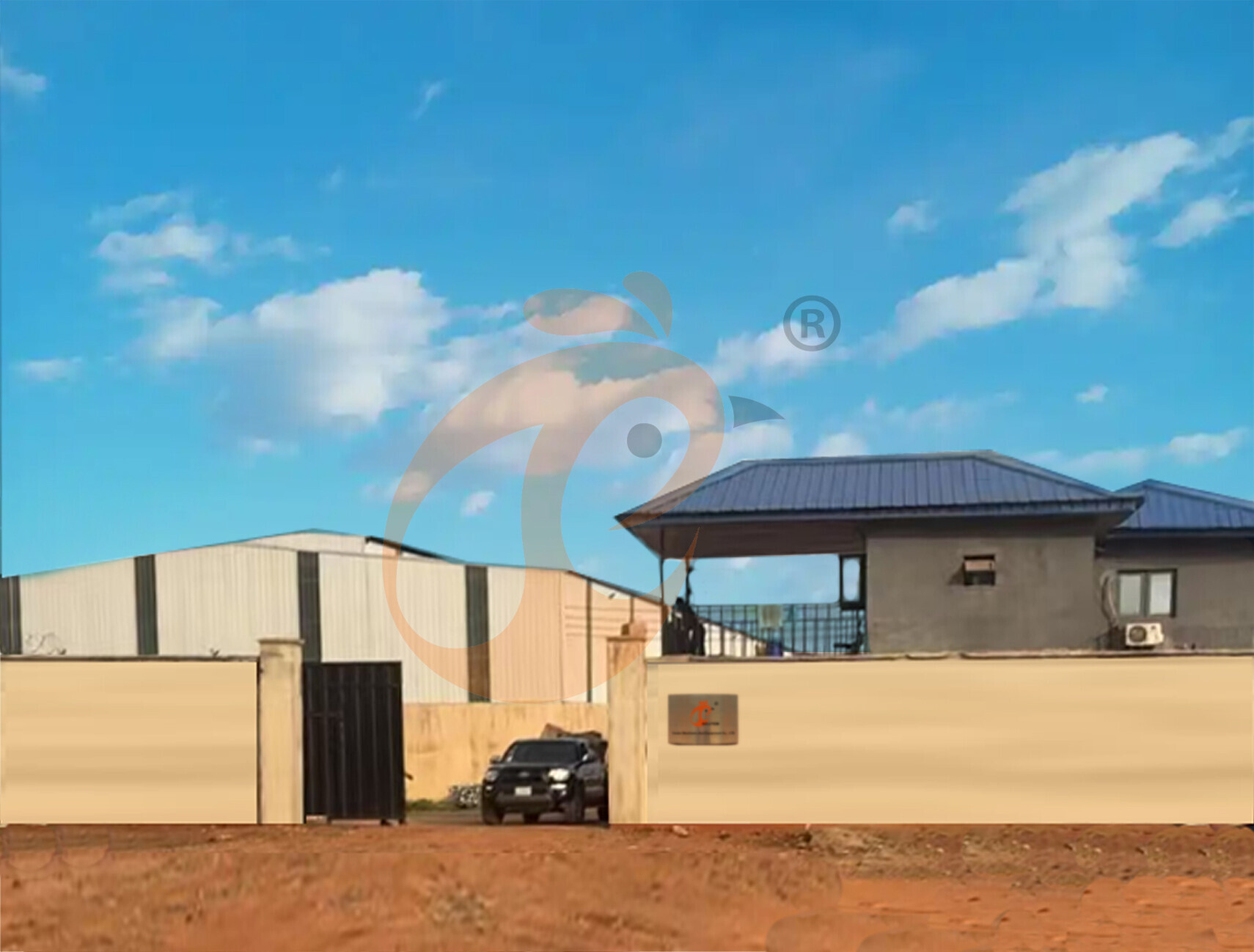
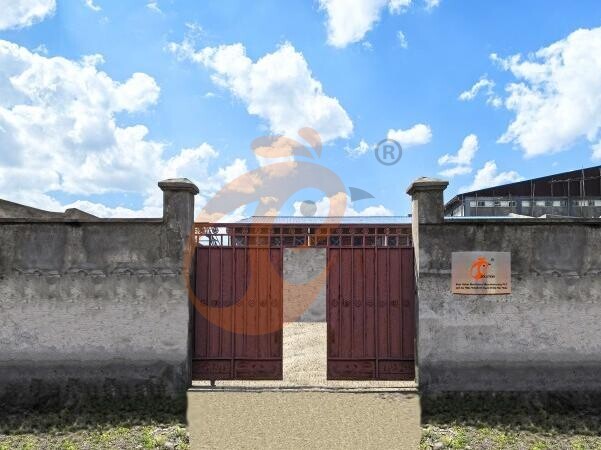
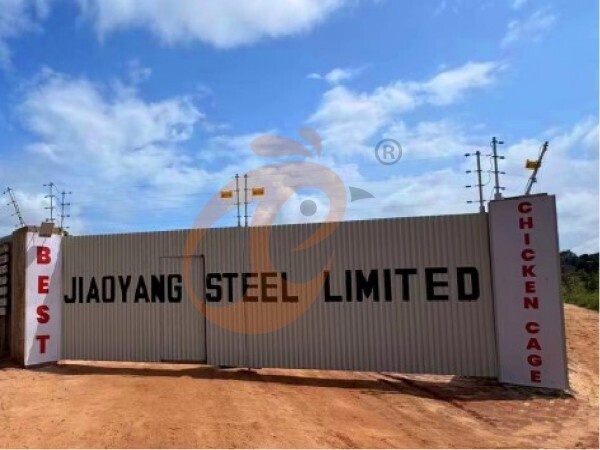
Taiyu (HK) Group - One Of China Most Famous Poultry Cage Manufacturer
Broiler chicken cage system delivers integrated poultry production equipment with automated feeding ventilation and manure removal engineering solutions for global farms.
Factory manufacturing ensures standardized cage structure precision and long term operational stability for intensive poultry production environments.
Turn key poultry engineering includes system design installation and automated control integration for commercial broiler farming projects.
Global poultry equipment supply supports large scale farm construction with consistent technical performance and service reliability.
Professional engineering team provides installation training maintenance and continuous technical support for poultry production systems worldwide.
Contact Us To Received Your Customized Poultry Farm Plan
Headquarters And Branchs

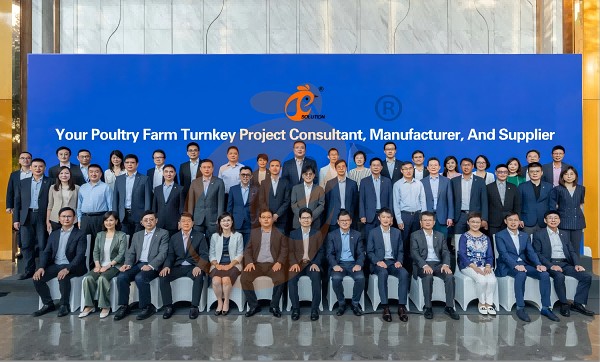
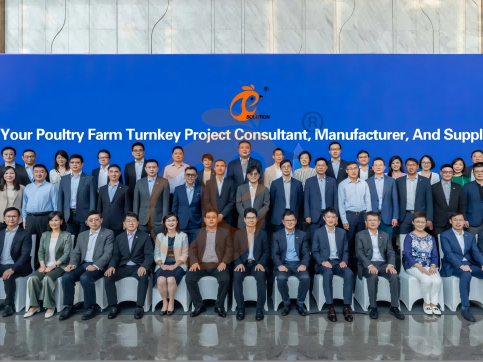
Hong Kong Headquarter Management Team
Hong Kong Headquarter Taiyu Industrial Group CO., LTD
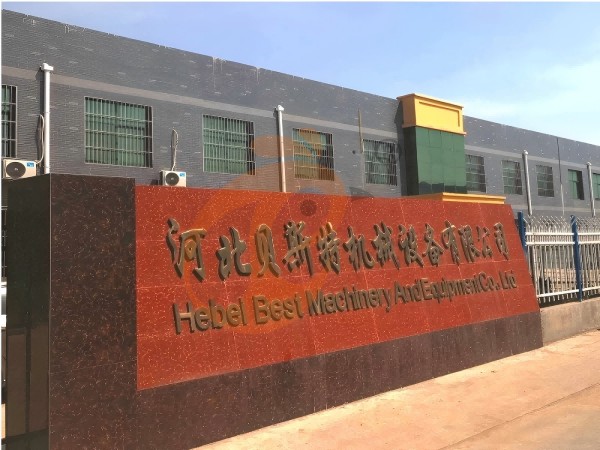
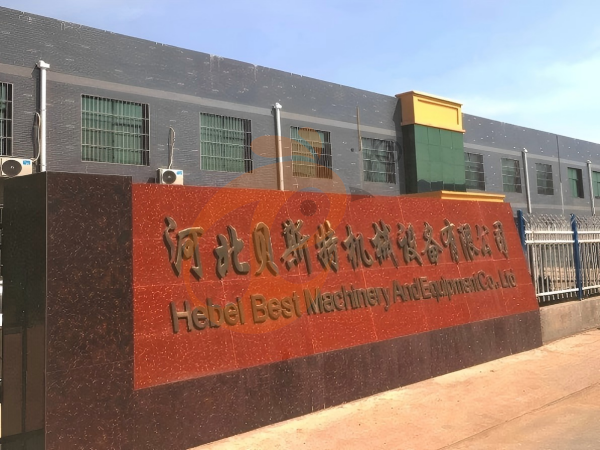
China Hebei Best Machinery And Equipment CO., LTD
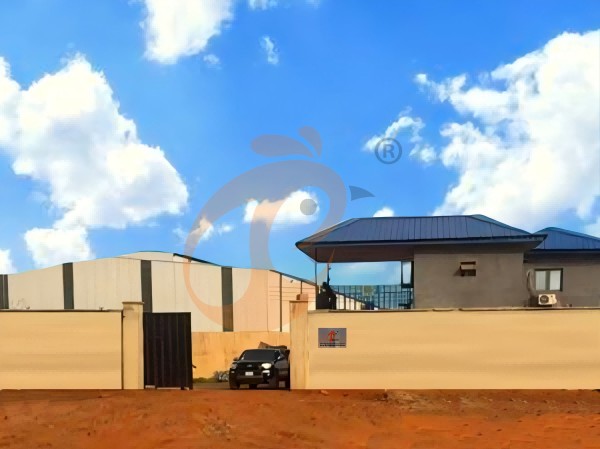
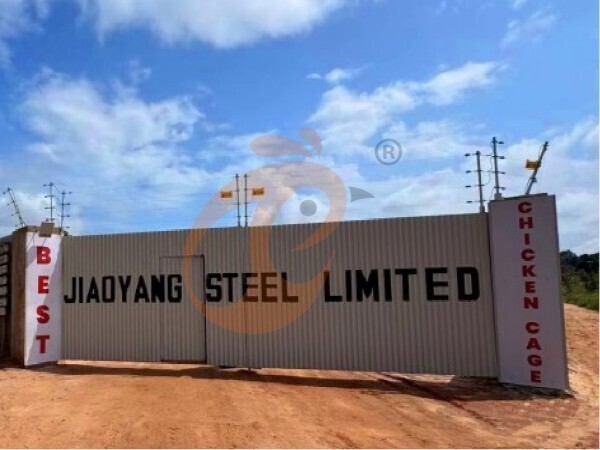
Nigeria Vanke Machinery And Equipment CO., LTD
Tanzania Best Machinery And Equipment CO., LTD
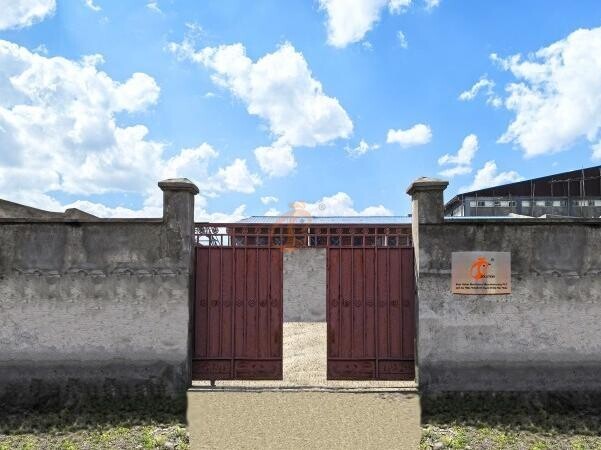
Ethiopia Best Hebei Machinery Manufacturing PLC
Reception /24 WhatsApp NO. : +8618830120193
FAQ
What Feeding System Integration Is Used In Broiler Chicken Cage Systems For Poultry Chicken Farms?
Automatic feeding lines operate at 3–6 kg per meter feed delivery capacity.
Feed distribution cycle time is controlled within 4–6 minutes per full house line.
What Environmental Control Standards Are Required For Broiler Chicken Cage Systems In Poultry Chicken Houses?
Relative humidity is maintained at 50–65% to prevent respiratory stress.
Ammonia concentration is kept below 10 ppm to ensure respiratory health stability.
What Are The Cage Layer Height And Structural Design Standards In Broiler Chicken Cage Systems For Poultry Chicken Production?
Structural load capacity per tier reaches 35–45 kg per square meter for live bird weight support.
Frame inclination angle is maintained at 6–8 degrees to facilitate manure removal efficiency.
Message
Products recommended
 HK Headquarter Offers EU-standard Poultry Farm Solutions, Manufacture Poultry Farm Equipment1. Continuous communication with the EU and the US
2. China, Nigeria, Ethiopia, Tanzania branch companies and factories
3. The products’ quality is customized for local poultry farms
4. Poultry cage and poultry farm equipment stock for sale
5. 24 online reception Whatsapp NO. : +8618830120193,contact us to get full informationRead More China Branch Offer Poultry Farm Business Plan, Manufacture Poultry Farm Equipment1. Address: Flat/RM 2416, 24/F, Runxing Building, Youyi Nan Street, Shijiazhuang City, Hebei Province, China
2. Poultry cage and poultry farm equipment factory and stock for sale
3. Customized for local poultry farms
4. Quality and design are based on Euro
5. 24 online reception Whatsapp NO. : +8618830120193Read More Nigeria Branch Offer Poultry Farm Business Plan, Manufacture Poultry Farm Equipment1. Address: After Sinoma Office, 200 Meters Near Danco Filling Station, Lagos/Ibadan Expressway, Lagos State, Nigeria
2. Poultry cage and poultry farm equipment factory and stock for sale
3. Customized for Nigerian poultry farms
4. Quality and design are based on Euro
5. 24 online reception Whatsapp NO. : +8618830120193Read More Ethiopia Branch Offer Poultry Farm Business Plan, Manufacture Poultry Farm Equipment1. Address: Gelan Gura, Akaki-kaliti Sub City, Addis Ababa, Ethiopia
2. Poultry cage and poultry farm equipment stock for sale
3. Customized for Ethiopian poultry farms
4. Quality and design are based on Euro
5. 24 online reception Whatsapp NO. : +8618830120193, contact us to get price listRead More Tanzania Branch Offer Poultry Farm Business Plan, Manufacture Poultry Farm Equipment1. Address: No.8, Sova Road, Msufini, Mlandizi, Kibaha, Pwani, Tanzania
2. Poultry cage and poultry farm equipment factory and stock for sale
3. Customized for Tanzanian poultry farms
4. Quality and design are based on Euro
5. 24 online reception Whatsapp NO. : +8618830120193Read More Fully Automatic H Type Layer Chicken Cage1. 30,000-100,000+ layers/house chooses it, Poultry farmers can achieve an egg production rate of 96-98%
2. A significant improvement over the 85-90% typically seen in manual systems
3. A typical poultry farm can expect a 30-40% reduction in labor costs due to the automation
4. Each feeding line efficiently supplies feed to around 100,000 hens per 30 mins
5. Reception /WhatsApp NO. : +8618830120193Read More Fully Automatic A Type Layer Chicken Cage1. 10,000-50,000 layers/house chooses it
2. Cleaner egg collection reduces breakage by 0.5%
3. Improved hygiene helps reduce mortality rate to <3%
4. 1–2 technicians can handle 15,000–30,000 birds
5. Reception /WhatsApp NO. : +8618830120193Read More Semi Automatic H Type Layer Chicken Cage1. 1,00-20,000 layers/house chooses it
2. Nipple drinkers flow 30–60 ML / min
3. Hot-dip galvanized (typical coating ≥ 275 g/m²)
4. Reduce ammonia by ~ 35–40%
5. Reception /WhatsApp NO. : +8618830120193Read More Semi Automatic A Type Layer Chicken Cage1. 1,00-20,000 layers/house chooses it, no rust for 10 years, no deformation for 15 years
2. Chickens live comfortably, you can raise them with peace of mind
3. Save water, save money—efficiency you can measure
4. Improve environment quality, and increase egg production rate
5. Reception /WhatsApp NO. : +8618830120193Read More
By clicking 'Allow All', you agree to the storage of cookies on your device to enhance site navigation, analyze site usage and assist with our marketing efforts.