


Blog
- Nipple drinkers modernize aging poultry water lines through cleaner delivery, controlled activation, and practical retrofit engineering at 120 m line lengths and 2.4 m house heights
Poultry nipple drinkers support flock management by combining filtration, pressure regulation, flushing, and adjustable suspension within one coordinated water-delivery architecture
Automatic chicken drinker systems reduce unnecessary water exposure while supporting standardized installation across broiler, layer, and breeder houses with 22 mm drinking pipes and modular fittings
Poultry drinking lines create a scalable upgrade path for farms managing 10,000–50,000 birds while improving maintenance organization and equipment compatibility
- Proper commissioning completes the conversion, combining pressure testing, valve inspection, line flushing, and technical adjustment into a production-ready watering solution for modern poultry operations
Get professional poultry farm construction guidance, equipment selection solutions, and the latest price lists, whatsApp to +8618830120193, +2348111199996, or click to learn more.
Audit The Existing Poultry Water Line Before Replacement
Upgrading an old poultry drinking system should begin with a technical inspection rather than immediate equipment replacement.
Measure the existing pipe route, water source, connection condition, and installation space.
A poultry house with a 120 m water-line route and a 2.4 m roof height requires a different conversion plan from a short broiler house.
Inspect the water source for sediment, mineral deposits, and biological contamination before connecting new poultry nipple drinkers.
Water with total dissolved solids above 1,000 mg/l can require additional water-treatment consideration, particularly when deposits are already visible inside older pipes.
The inspection should establish whether the existing main pipe can remain in service or whether replacing the complete distribution system will provide better long-term reliability for the poultry drinking line.
Select Nipple Drinkers According To Bird Type
Data is for reference only.Swipe horizontally to view full table.
Selecting nipple drinkers according to the production stage is essential because water demand changes as birds grow.
A 42-day broiler has substantially different drinking requirements from a newly placed chick, so one fixed configuration may not provide optimal performance throughout the entire cycle.
A properly selected poultry nipple drinker can also support automated poultry-house management.
Depending on the valve design, activation angle may be approximately 15–45°, allowing birds to obtain water without requiring an open drinking surface.
Convert The Old Line In Five Installation Actions
Remove → inspect → assemble → connect → commission
Begin by removing old drinker cups, troughs, or damaged valve assemblies while keeping reusable structural components separated for inspection.
The new poultry drinking line should then be assembled on a level working surface before being suspended inside the poultry house.
During installation, maintain consistent pipe alignment and secure each connection mechanically.
A typical poultry drinking line can use pvc or pe pipe with an outside diameter of approximately 25–32 mm, depending on the system design and water demand.
After connecting the water inlet, pressure-control assembly, and end flushing section, fill the nipple drinkers system gradually.
This reduces the possibility of trapped air and allows technicians to identify leaking joints before birds enter the house.
Configure The Water Line For Stable Operation
Data is for reference only.Swipe horizontally to view full table.
Water-line configuration should be designed as a complete hydraulic system.
For instance, installing a 120 m line with inappropriate pipe sizing can produce unnecessary pressure variation between the inlet and terminal sections of a poultry drinking line.
The filtration unit should also be positioned upstream of the poultry nipple drinkers.
A 100-mesh filtration element can capture particulate matter that might otherwise enter small internal valve components and interfere with their movement.
Adjust The Nipple Line As Birds Grow
A poultry nipple drinker system should move vertically throughout the flock cycle rather than remain at one fixed position.
The nipple should generally be positioned so that birds drink with an appropriate neck angle instead of reaching excessively upward or downward.
For a commercial broiler house, operators may adjust the suspension system several times during a production cycle.
A 20–30 mm vertical adjustment per management stage can be useful when fine-tuning the line to bird development, although the final position should always be determined by actual bird posture.
The suspension mechanism also needs sufficient structural stability.
A properly tensioned cable prevents excessive movement when workers enter the house or when multiple nipple drinkers activate simultaneously.
Control Water Delivery With Professional Components
Data is for reference only.Swipe horizontally to view full table.
Pressure control is one of the most important factors in nipple drinkers performance.
The pressure regulator should be selected according to the incoming supply rather than installed as a generic accessory.
A system receiving 0.35 mpa municipal or pump pressure needs controlled downstream delivery before water reaches the drinker valves.
Temperature should also be considered during equipment selection.
In houses exposed to significant seasonal variation, components designed for approximately 5–45°c water conditions provide a practical operating range for many commercial automatic chicken drinker systems.
Install A Suspension System For Precise Height Adjustment
Data is for reference only.Swipe horizontally to view full table.
The suspension system is not merely an installation accessory.
A 2.5 m suspension-point interval, for example, provides a structured support pattern for maintaining line geometry over long poultry drinking lines.
Electric winches can further reduce manual labor in larger installations.
When multiple lines are installed, synchronized adjustment allows operators to change the height of several poultry nipple drinkers more efficiently.
Add Filtration And Flushing To The Upgrade
An old drinking line often contains accumulated deposits that can enter new nipple drinkers after conversion.
Simply connecting new drinkers to an uncleaned pipe can transfer existing contamination into the upgraded system.
A dedicated flushing assembly allows the operator to discharge water from the terminal end of each poultry drinking line.
During commissioning, the system should be flushed until visible particles are removed and the discharged water becomes clear.
For routine maintenance, farms can establish a scheduled flushing program based on water quality and production conditions.
A 3–5 minute flushing cycle can be incorporated into regular management procedures when the hydraulic system has been designed to provide adequate discharge capacity.
Compare Old And Nipple Drinking Systems By Engineering Performance
Data is for reference only.Swipe horizontally to view full table.
The main commercial advantage of poultry nipple drinkers is system control.
Water is released when the bird activates the valve rather than remaining exposed in an open container.
This design can support more controlled water distribution and reduce unnecessary water discharge.
For poultry producers operating 10,000–50,000 birds per house, even small improvements in daily water management can become significant when multiplied across an entire production cycle.
Design The System Around The Poultry House
A professional equipment supplier should calculate the poultry drinking line from the house layout instead of simply quoting a standard package.
House length, bird population, production type, water source, and line arrangement all influence the final configuration.
For example, a house measuring 15 × 120 m has a floor area of 1,800 m².
Its drinking-line quantity and positioning should therefore be calculated together with stocking density, bird age, and equipment access requirements.
The final proposal should include the complete water path, including filtration, pressure regulation, drinking lines, suspension equipment, terminal flushing, and connection accessories for automatic chicken drinker systems.
Select A Complete Nipple Drinking Package
Data is for reference only.Swipe horizontally to view full table.
Purchasing a complete package from one poultry equipment manufacturer simplifies compatibility between individual components.
The supplier can match the poultry nipple drinker, drinking pipe, pressure regulator, filtration system, and suspension equipment as one integrated solution.
For a farm planning multiple houses, standardized components also simplify spare-parts management.
Using the same dn20 or dn25 water-meter interface throughout a project can make future maintenance and system expansion more straightforward.
Complete The Upgrade With Professional Commissioning
Data is for reference only.Swipe horizontally to view full table.
Commissioning should be completed before birds enter the house.
Testing every poultry nipple drinker manually can identify blocked valves, incorrectly installed seals, or damaged fittings before they become production problems.
Frequently Asked Questions
Q1: What should be checked before installing nipple drinkers?
A1: Inspect existing pipes, water quality, connection points, and house dimensions before conversion.
A 120 m existing line should be checked for internal deposits and connection integrity before new equipment is installed.
Q2: Can existing poultry water pipes be reused?
A2: Existing pipes can sometimes be reused when material condition and hydraulic compatibility are confirmed.
A 25–32 mm pipe diameter can be suitable for many configurations, but final selection depends on line length and flock requirements.
Q3: Why is pressure regulation important for nipple drinkers?
A3: Pressure regulation helps maintain predictable valve operation throughout the drinking system.
A properly engineered automatic chicken drinker system can combine pressure control with filtration and terminal flushing to support consistent operation.
Taiyu (HK) Group - One Of China Toppest Nipple Drinkers Manufacturer
Nipple drinkers integrate stainless-steel valve construction, controlled water activation, and modular installation, with configurations supporting 25–80 mL/min water delivery across commercial poultry production stages.
Global factory direct sales provide coordinated production for nipple valves, drinking pipes, regulators, filters, suspension components, and complete poultry equipment packages with engineering-based component matching.
Poultry equipment projects can be configured around house dimensions, flock capacity, water-source conditions, and installation layouts, supporting standardized equipment deployment across multiple production buildings.
Turn-key engineering covers system configuration, equipment supply, technical documentation, installation guidance, commissioning procedures, and project-based equipment coordination for commercial poultry farms.
International project support combines factory manufacturing, technical specification review, replacement-component planning, and scalable equipment supply for poultry-house modernization programs.
Contact Us To Received Your Customized Poultry Farm Plan
Headquarters And Branchs

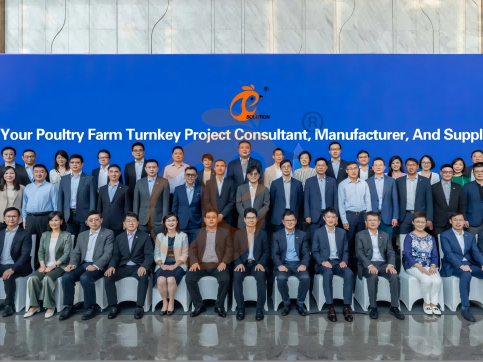
Hong Kong Headquarter Management Team
Hong Kong Headquarter Taiyu Industrial Group CO., LTD
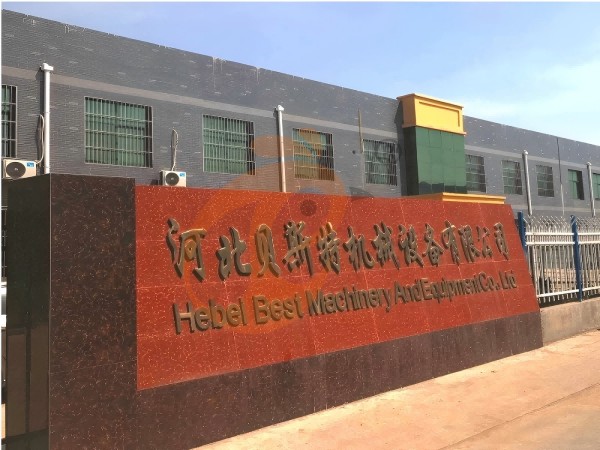
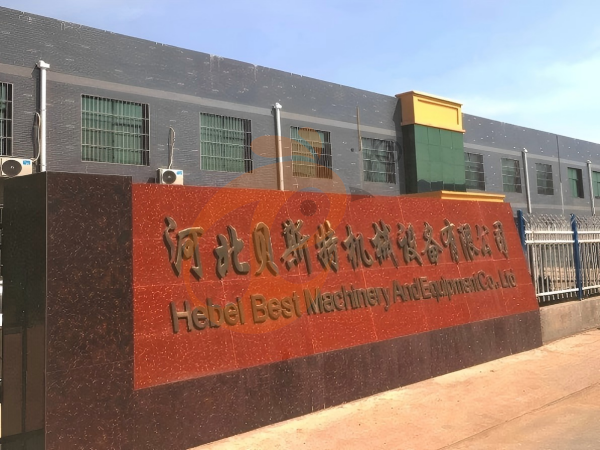
China Hebei Best Machinery And Equipment CO., LTD
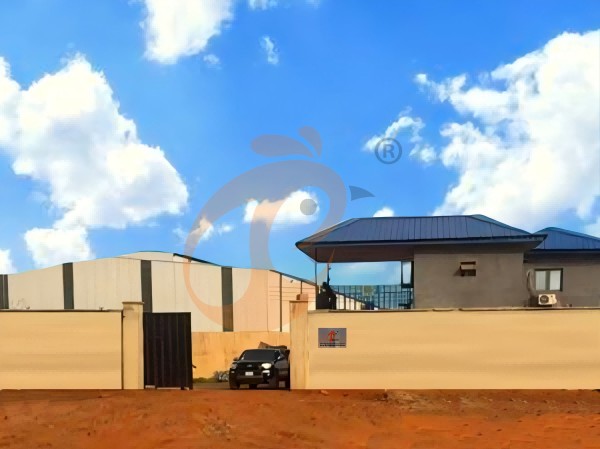
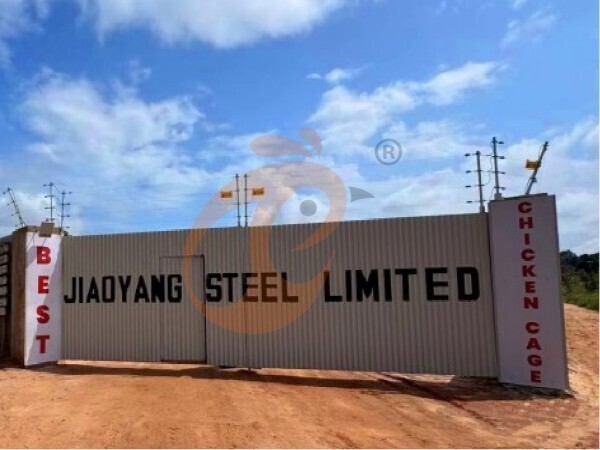
Nigeria Vanke Machinery And Equipment CO., LTD
Tanzania Best Machinery And Equipment CO., LTD
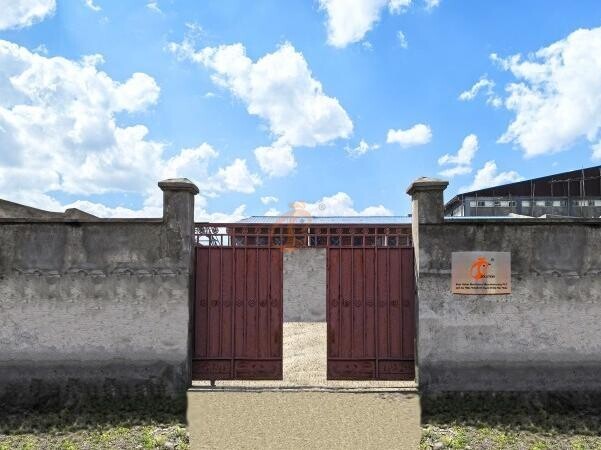
Ethiopia Best Hebei Machinery Manufacturing PLC
Reception /24 WhatsApp NO. : +8618830120193
FAQ
What Water Quality Requirements Are Necessary For Nipple Drinkers In Poultry Chicken Cage Systems?
Water hardness is maintained within 100–150 mg/L CaCO₃ equivalent for valve protection.
Microbial load is controlled under 100 CFU/mL for safe poultry consumption standards.
What Is The Recommended Stocking Ratio For Nipple Drinkers In Poultry Chicken Cage Systems?
Drinker spacing is typically set at 25–30 cm to reduce competition stress.
Water demand allocation is calculated at 180–220 ml per bird daily in intensive production.
How Is Water Flow Regulated In Nipple Drinkers For Poultry Chicken Cage Farming Systems?
Pressure stability is maintained within 0.18–0.22 MPa across drinking lines.
Drop formation interval is adjusted at 1–2 seconds per activation for efficient intake.
- poultry equipment
- poultry farm
- poultry farm
- poultry farm construction
- poultry equipment manufacturer
- poultry drinking system
- poultry house
- poultry nipple drinkers
- poultry drinking line
- automatic chicken drinker
- chicken drinker system
- automatic chicken drinker system
- poultry equipment manufacturers
- Ethiopia
- Nigeria
Message
Products recommended
 HK Headquarter Offers EU-standard Poultry Farm Solutions, Manufacture Poultry Farm Equipment1. Continuous communication with the EU and the US
2. China, Nigeria, Ethiopia, Tanzania branch companies and factories
3. The products’ quality is customized for local poultry farms
4. Poultry cage and poultry farm equipment stock for sale
5. 24 online reception Whatsapp NO. : +8618830120193,contact us to get full informationRead More China Branch Offer Poultry Farm Business Plan, Manufacture Poultry Farm Equipment1. Address: Flat/RM 2416, 24/F, Runxing Building, Youyi Nan Street, Shijiazhuang City, Hebei Province, China
2. Poultry cage and poultry farm equipment factory and stock for sale
3. Customized for local poultry farms
4. Quality and design are based on Euro
5. 24 online reception Whatsapp NO. : +8618830120193Read More Nigeria Branch Offer Poultry Farm Business Plan, Manufacture Poultry Farm Equipment1. Address: After Sinoma Office, 200 Meters Near Danco Filling Station, Lagos/Ibadan Expressway, Lagos State, Nigeria
2. Poultry cage and poultry farm equipment factory and stock for sale
3. Customized for Nigerian poultry farms
4. Quality and design are based on Euro
5. 24 online reception Whatsapp NO. : +8618830120193Read More Ethiopia Branch Offer Poultry Farm Business Plan, Manufacture Poultry Farm Equipment1. Address: Gelan Gura, Akaki-kaliti Sub City, Addis Ababa, Ethiopia
2. Poultry cage and poultry farm equipment stock for sale
3. Customized for Ethiopian poultry farms
4. Quality and design are based on Euro
5. 24 online reception Whatsapp NO. : +8618830120193, contact us to get price listRead More Tanzania Branch Offer Poultry Farm Business Plan, Manufacture Poultry Farm Equipment1. Address: No.8, Sova Road, Msufini, Mlandizi, Kibaha, Pwani, Tanzania
2. Poultry cage and poultry farm equipment factory and stock for sale
3. Customized for Tanzanian poultry farms
4. Quality and design are based on Euro
5. 24 online reception Whatsapp NO. : +8618830120193Read More Fully Automatic H Type Layer Chicken Cage1. 30,000-100,000+ layers/house chooses it, Poultry farmers can achieve an egg production rate of 96-98%
2. A significant improvement over the 85-90% typically seen in manual systems
3. A typical poultry farm can expect a 30-40% reduction in labor costs due to the automation
4. Each feeding line efficiently supplies feed to around 100,000 hens per 30 mins
5. Reception /WhatsApp NO. : +8618830120193Read More Fully Automatic A Type Layer Chicken Cage1. 10,000-50,000 layers/house chooses it
2. Cleaner egg collection reduces breakage by 0.5%
3. Improved hygiene helps reduce mortality rate to <3%
4. 1–2 technicians can handle 15,000–30,000 birds
5. Reception /WhatsApp NO. : +8618830120193Read More Semi Automatic H Type Layer Chicken Cage1. 1,00-20,000 layers/house chooses it
2. Nipple drinkers flow 30–60 ML / min
3. Hot-dip galvanized (typical coating ≥ 275 g/m²)
4. Reduce ammonia by ~ 35–40%
5. Reception /WhatsApp NO. : +8618830120193Read More Semi Automatic A Type Layer Chicken Cage1. 1,00-20,000 layers/house chooses it, no rust for 10 years, no deformation for 15 years
2. Chickens live comfortably, you can raise them with peace of mind
3. Save water, save money—efficiency you can measure
4. Improve environment quality, and increase egg production rate
5. Reception /WhatsApp NO. : +8618830120193Read More
By clicking 'Allow All', you agree to the storage of cookies on your device to enhance site navigation, analyze site usage and assist with our marketing efforts.