


Blog
- Nipple drinkers support cleaner poultry hydration through enclosed delivery, with 18–22°c water supporting practical flock management.
Poultry nipple drinkers combine controlled access, sanitation planning, and equipment engineering across commercial poultry houses.
Automatic poultry drinkers help coordinate pressure, filtration, flushing, and bird development through integrated watering infrastructure.
Commercial poultry drinking systems connect health management with measurable maintenance routines, using 12-hour inspection cycles.
- Proper nipple drinkers selection improves equipment reliability, litter management, and operational control while supporting scalable poultry production.
Get professional poultry farm construction guidance, equipment selection solutions, and the latest price lists, whatsApp to +8618830120193, +2348111199996, or click to learn more.
Start With The Right Drinking Strategy
A healthy poultry house starts with reliable water access through nipple drinkers, creating a closed drinking environment that helps reduce exposure to litter, feed particles, and fecal contamination.
Poultry nipple drinkers provide enclosed delivery while supporting a controlled drinking environment, with 18–22°c water remaining practical for routine flock management.
For equipment buyers, the goal is not simply to install nipple drinkers; the goal is building a complete watering system where drinker design, pressure regulation, filtration, pipelines, and monitoring work together.
Automatic poultry drinkers should operate as coordinated equipment, while operators inspect every line at least twice per day during critical production stages.
Build The Correct Drinker Configuration
Data is for reference only.Swipe horizontally to view full table.
A well-designed nipple drinkers system should allow birds to drink without forcing operators to compensate for poor equipment geometry.
Commercial poultry drinking systems can integrate drinker lines, regulators, suspension components, filtration, and flushing assemblies into one coordinated installation.
Our nipple drinkers approach supports scalable poultry equipment integration, while 60–120 m circuits provide manageable installation planning.
Match Water Delivery To Bird Development
The operator's rule: do not treat every production day as the same.
Young chicks need an accessible drinking point, while larger birds require nipple drinkers that continue delivering water efficiently as body size changes.
Poultry nipple drinkers can use progressive adjustment rather than one fixed position, while 30–50 mm vertical capacity supports flock-development changes.
Automatic poultry drinkers can maintain practical bird access when equipment geometry follows growth, with a nipple presentation angle close to 45° supporting natural approach.
Research has shown that nipple height can influence water consumption, particularly under heat conditions.
Control Flow With Precision
Data is for reference only.Swipe horizontally to view full table.
Flow should be adjusted according to manufacturer specifications and flock requirements, allowing nipple drinkers to respond to production-stage demand.
Poultry nipple drinkers require coordinated hydraulic control, while a 60-second field test can verify practical delivery behavior.
For equipment marketing, a precision regulator is not an accessory; automatic poultry drinkers depend on controlled regulation to support predictable system operation.
Turn Water Quality Into A Health Barrier
Picture two houses.
House A has clean pipelines, controlled filtration, and a documented sanitation program.
House B has mineral deposits, organic residues, and irregular line maintenance.
The difference may begin inside the nipple drinkers water pathway long before birds show obvious performance changes.
Water quality can affect bird consumption, equipment function, sanitation effectiveness, and water-soluble product administration.
Commercial poultry drinking systems should therefore include filtration according to source-water conditions, while flushing design can target 1.5–2.0 m/s velocity where system engineering permits.
Our nipple drinkers equipment can integrate filtration and treatment planning, with 5–20 micron filtration selected according to source-water conditions.
Engineer The System For Sanitation
Data is for reference only.Swipe horizontally to view full table.
Cleaning and sanitation should be verified rather than assumed, because biofilm can develop again inside nipple drinkers after cleaning.
Poultry nipple drinkers benefit from accessible flushing ends, filtration modules, dosing connections, and inspection points that support repeatable sanitation workflows.
Our equipment designs can incorporate dedicated service components, while a 3-minute flushing period provides a practical baseline for routine line maintenance.
Eliminate The Hidden Causes Of Wet Litter
Troubleshooting sequence
Wet litter appears → inspect nipple drinkers leakage → inspect pressure → inspect filters → inspect regulator → inspect line alignment → inspect flushing performance.
Do not immediately blame ventilation or bedding, because leaking nipple drinkers can introduce unnecessary moisture directly beneath the line.
Automatic poultry drinkers should be installed with approximately 35–45 cm floor clearance where house design permits.
Precise installation also helps maintain line straightness within roughly ±10 mm per 10 m, reducing mechanical stress throughout commercial poultry drinking systems.
Monitor The Line Like Production Equipment
Data is for reference only.Swipe horizontally to view full table.
Water consumption should be monitored as a flock-management indicator rather than treated as an isolated utility figure.
Nipple drinkers monitoring can identify changes involving equipment, water quality, environment, feed, or bird health, while 0.1 l meter resolution supports practical trend observation.
For commercial poultry drinking systems, integrated meters and monitoring points make watering conditions measurable, helping managers identify deviations before production problems become expensive.
The Equipment Upgrade Test
Ask three questions before selecting nipple drinkers
1. Can the system maintain consistent delivery from the first nipple to the last?
2. Can operators clean and flush the line without dismantling the house?
3. Can every important operating condition be measured?
If the answer is yes, nipple drinkers support management rather than creating another management burden.
A modern poultry house may operate continuously for 20–24 hours per day, so components should be selected for repeated mechanical activation and straightforward service.
Stainless-steel contact components, replaceable seals, and modular regulators can simplify long-term maintenance for automatic poultry drinkers.
Myth Vs. Engineering Reality
Data is for reference only.Swipe horizontally to view full table.
Myth: more water always means better poultry health.
Reality: uncontrolled flow can increase water use and litter moisture without automatically improving production.
Poultry nipple drinkers perform more effectively when water delivery matches flock demand rather than simply maximizing discharge.
Automatic poultry drinkers should therefore prioritize controlled delivery, with 1.5–2.5 mm activation travel supporting consistent valve response.
Make The Watering System Part Of Your Biosecurity Program
Data is for reference only.Swipe horizontally to view full table.
A nipple drinkers system contributes to biosecurity because water is delivered through enclosed components rather than exposed containers.
Commercial poultry drinking systems still require routine inspection and water testing, because equipment design alone cannot replace operational hygiene.
Our poultry equipment solutions focus on the complete water pathway, while <30 seconds emergency shutoff response can help limit uncontrolled discharge.
Frequently Asked Questions
Q1: How do nipple drinkers support poultry health?
A1: Nipple drinkers provide enclosed water delivery and reduce exposure to contaminated open surfaces.
A properly managed system also supports consistent access, with routine checks performed twice daily.
Q2: How should nipple drinkers be adjusted as birds grow?
A2: Poultry nipple drinkers should be adjusted progressively so birds can approach and activate valves naturally.
A system offering 30–50 mm adjustment capacity can accommodate practical flock-development changes.
Q3: What makes a commercial poultry drinking system more reliable?
A3: Automatic poultry drinkers become more reliable when filtration, regulation, flushing, monitoring, and service access are engineered together.
Regular 14-day end-line verification can help identify hydraulic changes before larger operating issues develop.
Taiyu (HK) Group - One Of China Toppest Nipple Drinkers Manufacturer
Nipple drinkers integrate precision valve delivery, stainless-steel construction, and adjustable installation for commercial poultry houses, with 304 stainless steel supporting durable water-contact performance.
Global factory direct supply covers poultry equipment packages, including drinking lines, regulators, filtration assemblies, suspension systems, and flushing components for international projects.
Turn-key engineering integrates system design, equipment manufacturing, installation guidance, commissioning coordination, and project documentation into one technical delivery structure.
Poultry equipment solutions support broiler, layer, breeder, and multi-house projects through configurable layouts, hydraulic planning, component matching, and production-scale deployment.
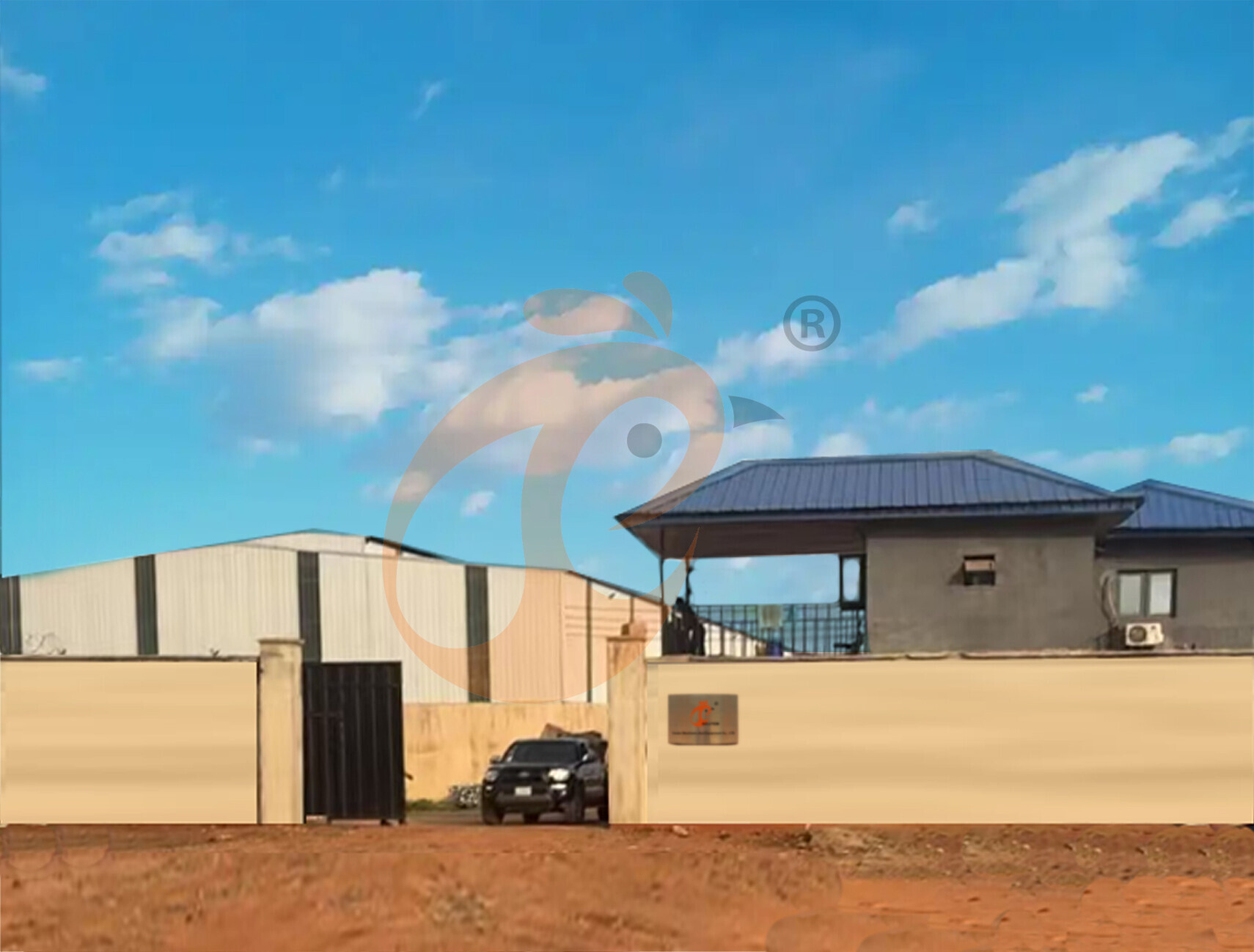
Factory-based manufacturing enables specification control, component coordination, export preparation, and project-oriented technical communication from initial equipment selection through final delivery
Contact Us To Received Your Customized Poultry Farm Plan
Headquarters And Branchs

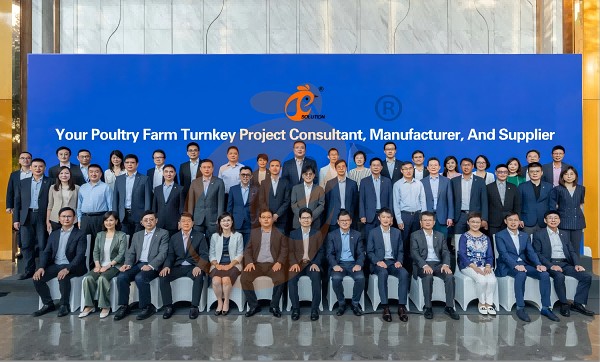
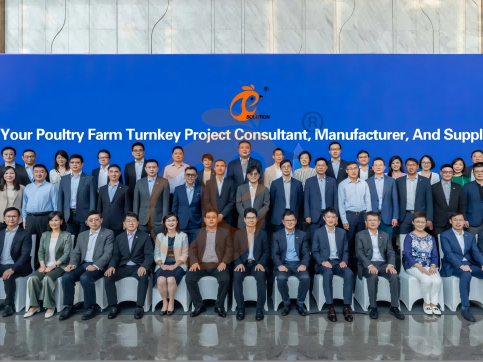
Hong Kong Headquarter Management Team
Hong Kong Headquarter Taiyu Industrial Group CO., LTD
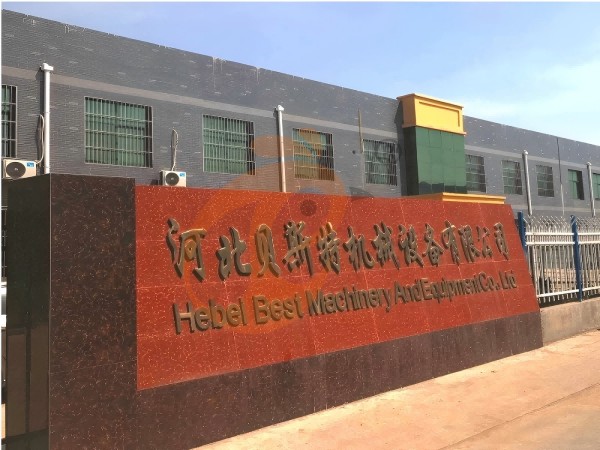
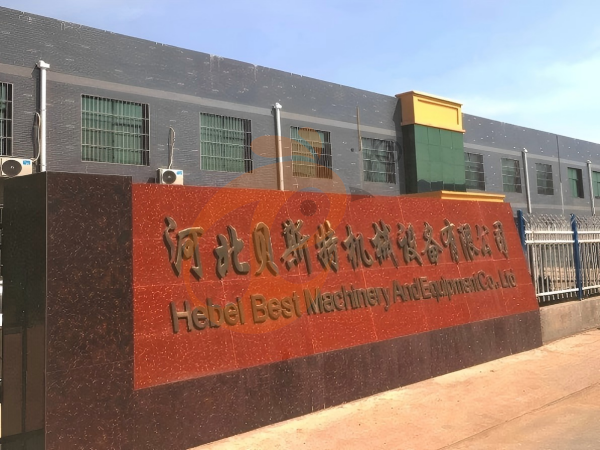
China Hebei Best Machinery And Equipment CO., LTD
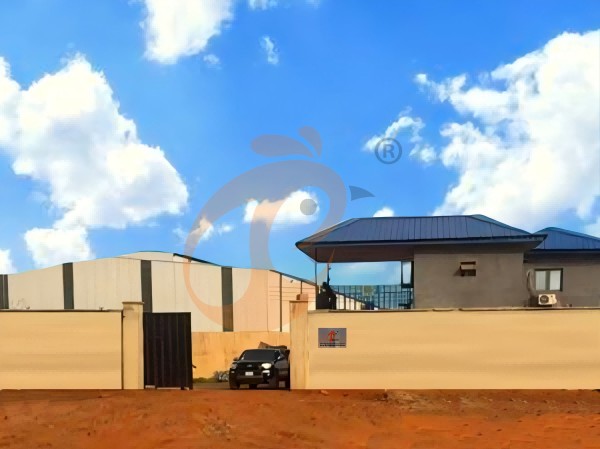
Nigeria Vanke Machinery And Equipment CO., LTD
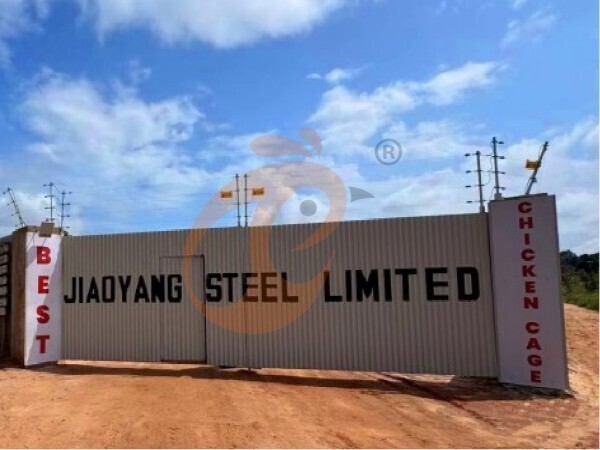
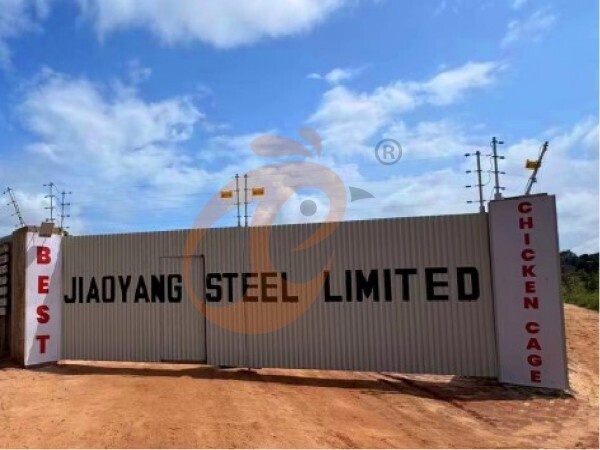
Tanzania Best Machinery And Equipment CO., LTD
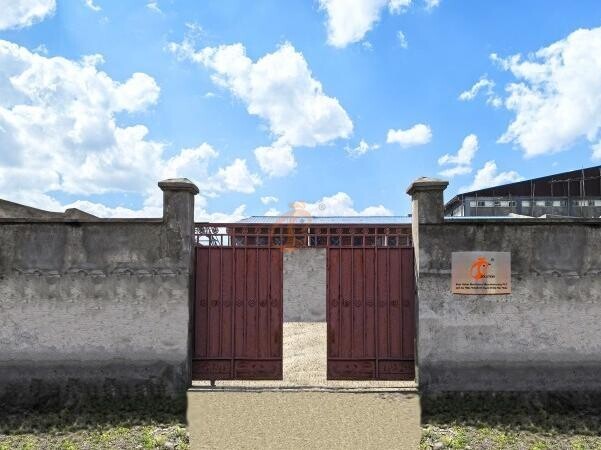
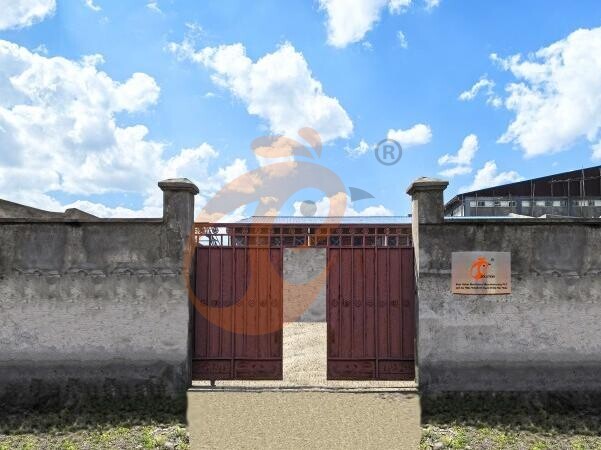
Ethiopia Best Hebei Machinery Manufacturing PLC
Reception /24 WhatsApp NO. : +8618830120193
FAQ
What Water Quality Requirements Are Necessary For Nipple Drinkers In Poultry Chicken Cage Systems?
Water hardness is maintained within 100–150 mg/L CaCO₃ equivalent for valve protection.
Microbial load is controlled under 100 CFU/mL for safe poultry consumption standards.
What Is The Recommended Stocking Ratio For Nipple Drinkers In Poultry Chicken Cage Systems?
Drinker spacing is typically set at 25–30 cm to reduce competition stress.
Water demand allocation is calculated at 180–220 ml per bird daily in intensive production.
How Is Water Flow Regulated In Nipple Drinkers For Poultry Chicken Cage Farming Systems?
Pressure stability is maintained within 0.18–0.22 MPa across drinking lines.
Drop formation interval is adjusted at 1–2 seconds per activation for efficient intake.
Message
Products recommended
 HK Headquarter Offers EU-standard Poultry Farm Solutions, Manufacture Poultry Farm Equipment1. Continuous communication with the EU and the US
2. China, Nigeria, Ethiopia, Tanzania branch companies and factories
3. The products’ quality is customized for local poultry farms
4. Poultry cage and poultry farm equipment stock for sale
5. 24 online reception Whatsapp NO. : +8618830120193,contact us to get full informationRead More China Branch Offer Poultry Farm Business Plan, Manufacture Poultry Farm Equipment1. Address: Flat/RM 2416, 24/F, Runxing Building, Youyi Nan Street, Shijiazhuang City, Hebei Province, China
2. Poultry cage and poultry farm equipment factory and stock for sale
3. Customized for local poultry farms
4. Quality and design are based on Euro
5. 24 online reception Whatsapp NO. : +8618830120193Read More Nigeria Branch Offer Poultry Farm Business Plan, Manufacture Poultry Farm Equipment1. Address: After Sinoma Office, 200 Meters Near Danco Filling Station, Lagos/Ibadan Expressway, Lagos State, Nigeria
2. Poultry cage and poultry farm equipment factory and stock for sale
3. Customized for Nigerian poultry farms
4. Quality and design are based on Euro
5. 24 online reception Whatsapp NO. : +8618830120193Read More Ethiopia Branch Offer Poultry Farm Business Plan, Manufacture Poultry Farm Equipment1. Address: Gelan Gura, Akaki-kaliti Sub City, Addis Ababa, Ethiopia
2. Poultry cage and poultry farm equipment stock for sale
3. Customized for Ethiopian poultry farms
4. Quality and design are based on Euro
5. 24 online reception Whatsapp NO. : +8618830120193, contact us to get price listRead More Tanzania Branch Offer Poultry Farm Business Plan, Manufacture Poultry Farm Equipment1. Address: No.8, Sova Road, Msufini, Mlandizi, Kibaha, Pwani, Tanzania
2. Poultry cage and poultry farm equipment factory and stock for sale
3. Customized for Tanzanian poultry farms
4. Quality and design are based on Euro
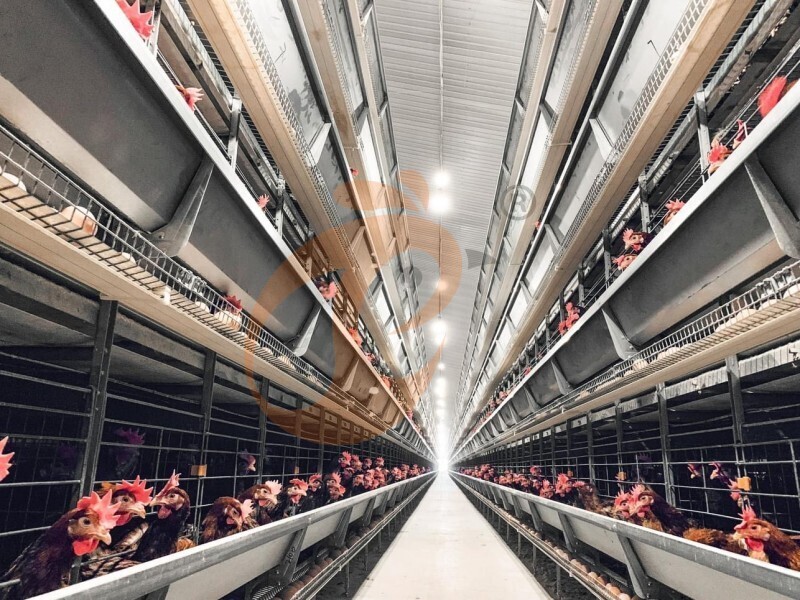
5. 24 online reception Whatsapp NO. : +8618830120193Read More Fully Automatic H Type Layer Chicken Cage1. 30,000-100,000+ layers/house chooses it, Poultry farmers can achieve an egg production rate of 96-98%
2. A significant improvement over the 85-90% typically seen in manual systems
3. A typical poultry farm can expect a 30-40% reduction in labor costs due to the automation
4. Each feeding line efficiently supplies feed to around 100,000 hens per 30 mins
5. Reception /WhatsApp NO. : +8618830120193Read More Fully Automatic A Type Layer Chicken Cage1. 10,000-50,000 layers/house chooses it
2. Cleaner egg collection reduces breakage by 0.5%
3. Improved hygiene helps reduce mortality rate to <3%
4. 1–2 technicians can handle 15,000–30,000 birds
5. Reception /WhatsApp NO. : +8618830120193Read More Semi Automatic H Type Layer Chicken Cage1. 1,00-20,000 layers/house chooses it
2. Nipple drinkers flow 30–60 ML / min
3. Hot-dip galvanized (typical coating ≥ 275 g/m²)
4. Reduce ammonia by ~ 35–40%
5. Reception /WhatsApp NO. : +8618830120193Read More Semi Automatic A Type Layer Chicken Cage1. 1,00-20,000 layers/house chooses it, no rust for 10 years, no deformation for 15 years
2. Chickens live comfortably, you can raise them with peace of mind
3. Save water, save money—efficiency you can measure
4. Improve environment quality, and increase egg production rate
5. Reception /WhatsApp NO. : +8618830120193Read More
By clicking 'Allow All', you agree to the storage of cookies on your device to enhance site navigation, analyze site usage and assist with our marketing efforts.