


Blog
Establishing a chicken cage farm for 10,000 layers in Ethiopia requires proper financial planning.
Poultry production is rapidly expanding due to rising domestic egg demand.
Key constraints include feed prices, cage infrastructure, and electricity reliability.
Operational costs and capital investment must be carefully analyzed before setup.
Local hatcheries and feed suppliers significantly influence overall farm cost.
Understanding housing, pullets, feed, labour, and marketing costs ensures efficiency.
Proper budgeting prevents unexpected financial shocks and supports sustainable growth.
Government support and policy programs can reduce operational risks for producers.
Get professional poultry farm construction guidance, equipment selection solutions, and the latest price lists, whatsApp to +8618830120193, click to learn more:

Ethiopia Branch Office And Factory Of Poultry Farm Equipment
Housing And Cage Infrastructure Cost
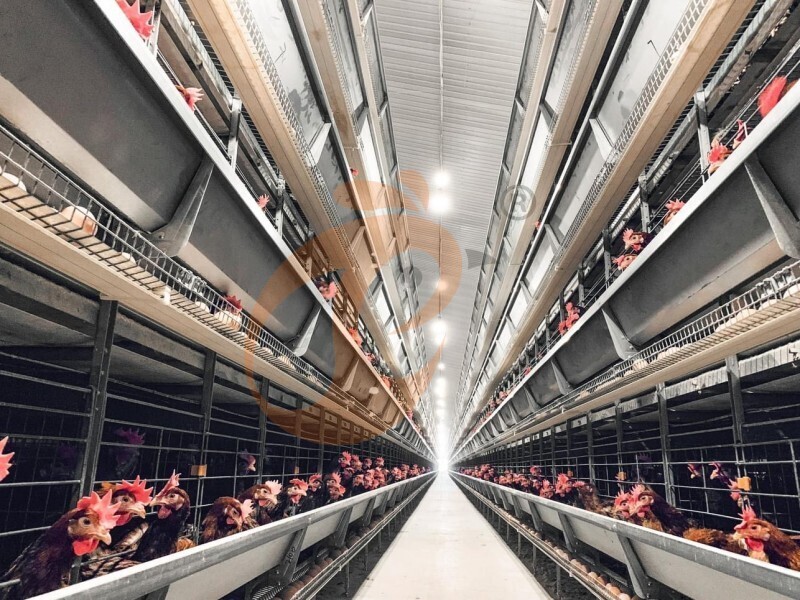
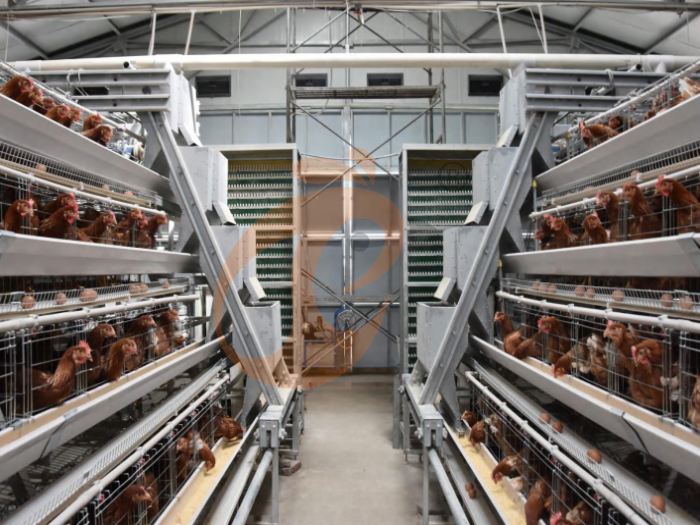
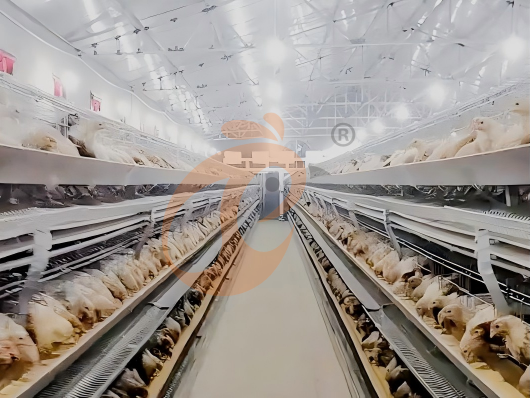
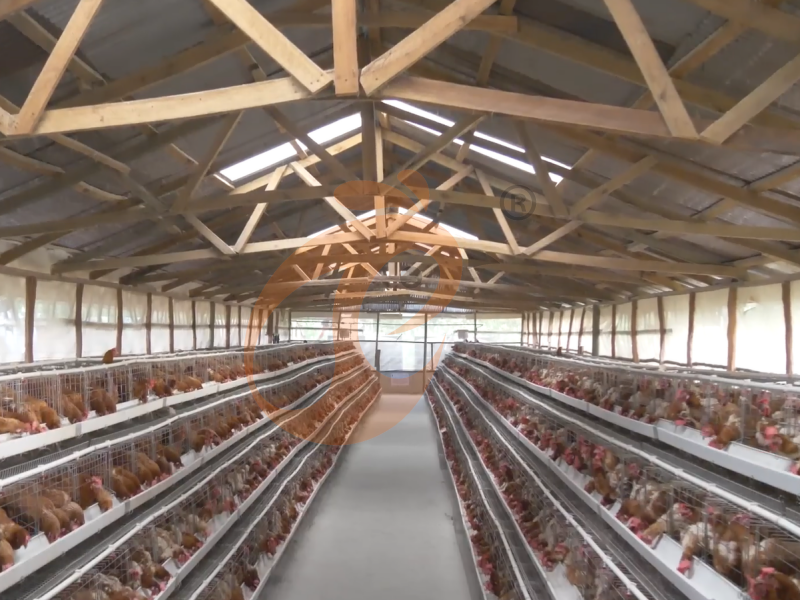
A chicken cage system differs from floor systems by enabling better bird density, easier management, and reduced disease risk.
For a 10,000-layer farm in Ethiopia, infrastructure costs are often the single largest upfront expense.
Key Considerations In Ethiopia
Local availability of steel and fabrication
Adverse weather requiring robust roofing
Need for ventilation due to high daytime temperatures
Data is for reference only. Swipe horizontally to view full table.
Analysis
Steel fabrication and GI roofing prices in Ethiopia are high due to import dependency.
Ventilation is essential because of temperature swings and low humidity during dry seasons.
Day-Old Layer Pullets And Vaccination
Acquiring healthy pullets ready for production is a major cost for 10,000 layers.
Local Ethiopian hatcheries provide strains such as Lohmann Brown or Isa Brown preferred for eggs.
Local Factors
Transport costs from Adama, Hawassa, or Bishoftu hatcheries
Vaccination gaps due to limited veterinary access
Health protocols improve survival and early productivity
Data is for reference only. Swipe horizontally to view full table.
Analysis
Securing local pullets reduces transportation loss and mortality risk.
Implementing vaccination and health checks improves farm productivity.
Feed Cost For First Production Cycle (20–72 Weeks)
Feed represents the largest operational expense for layer farms.
Prices fluctuate in Ethiopia due to maize, soybean imports, and forex availability.
Assumptions
Layer feed 16% crude protein
Feed conversion ratio (FCR) 2.0–2.2 per kg egg output
Average feed consumption 110 kg per layer per cycle
Data is for reference only. Swipe horizontally to view full table.
Analysis
Feed costs dominate overall expenses.
Local feed ingredient sourcing reduces dependency on volatile imports.
Labour, Utilities, And Operational Costs
Running a 10,000-layer farm requires skilled labour, electricity, and water management.
Ethiopian Context
Electricity from the national grid is intermittent in rural regions
Solar or generator backup is often necessary
Training ensures skilled workers and reduces turnover
Data is for reference only. Swipe horizontally to view full table.
Analysis
Backup power and water storage are critical for reliable layer performance.
Training programs reduce labor-related inefficiencies and costs.
Egg Handling, Packaging, And Marketing
Efficient handling and distribution directly affect profitability.
Cold storage, packaging, and transport logistics are vital in Ethiopia.
Considerations
Urban centers command higher egg prices
Rural supply chains often depend on informal traders
Proper marketing strategies increase farm margins
Data is for reference only. Swipe horizontally to view full table.
Analysis
Proper distribution channels in Addis Ababa and other cities improve sales.
Refrigerated storage preserves egg quality and reduces spoilage.
Mortality, Healthcare, And Contingency
Diseases and mortality can significantly reduce profitability.
Data is for reference only. Swipe horizontally to view full table.
Analysis
Budgeting for contingencies reduces financial risk from disease outbreaks.
Biosecurity investment protects farm profitability and layer survival.
Estimated Total Cost Summary
Data is for reference only. Swipe horizontally to view full table.
Key Observation
Feed represents 62% of total cost, followed by pullets and infrastructure.
Proper budgeting for biosecurity and operations prevents overruns.
Local Economic Considerations In Ethiopia
Exchange Rate & Import Challenges
Ethiopian Birr volatility affects imported chicken cage and feed ingredient prices.
Local production support reduces dependency on imports.
Policy And Access To Finance
Small poultry entrepreneurs often face challenges obtaining affordable loans.
Agribusiness partnerships help implement modern chicken cage systems.
Rural Electrification Issues
Unreliable electricity necessitates solar or generator backup.
Stable ventilation and lighting improve layer productivity and egg output.
Path Forward: Cost Reduction Strategies
Local Feed Formulation
Collaborate with local feed millers to reduce reliance on imports.
Bulk Pullets Agreements
Long-term contracts with hatcheries stabilize price and supply.
Sales Cooperatives
Marketing co-ops increase bargaining power and reduce commissions.
Renewable Energy Integration
Solar panels reduce electricity costs and ensure sustainable operation.
Frequently Asked Questions
Q1: Is this chicken cage system suitable for Ethiopian climate?
A1: Yes, the chicken cage design allows proper ventilation and temperature control, ideal for Ethiopia's variable climate.
Q2: How can Ethiopian farmers reduce feed cost?
A2: Local feed ingredient sourcing and custom ration formulation minimize import dependency and costs.
Q3: What contingency measures are recommended in Ethiopia?
A3: Budget for veterinary care, biosecurity supplies, and mortality buffer to reduce disease-related losses.
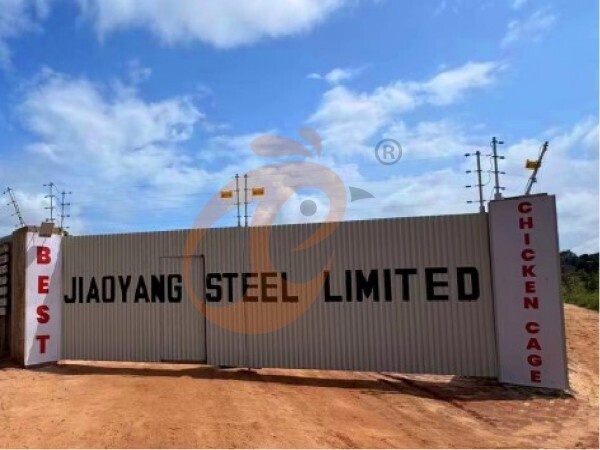
Ethiopia Best Hebei Machinery Manufacturing Plc - One Of Ethiopia Largest Chicken Cage Supplier
HB BEST offers global factory direct sales for poultry farm equipment and chicken cage systems.
The company provides turn-key engineering projects for efficient poultry farm setup in Ethiopia.
HB BEST ensures high-quality, durable chicken cages suitable for large layer farms.
Their service includes full support, installation, and after-sales guidance for local producers.
HB BEST specializes in modern poultry farm equipment for Ethiopia with competitive pricing.
Contact Us To Received Your Customized Poultry Farm Plan
Headquarters And Branchs

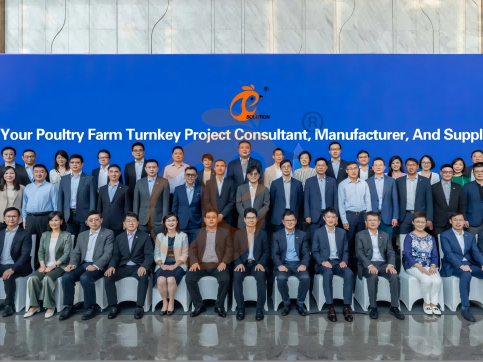
Hong Kong Headquarter Management Team
Hong Kong Headquarter Taiyu Industrial Group CO., LTD
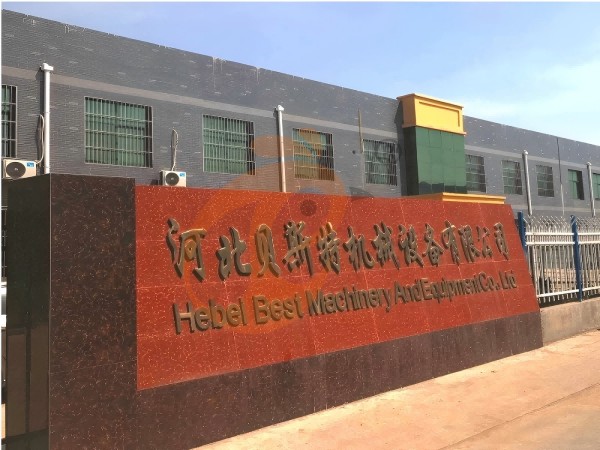
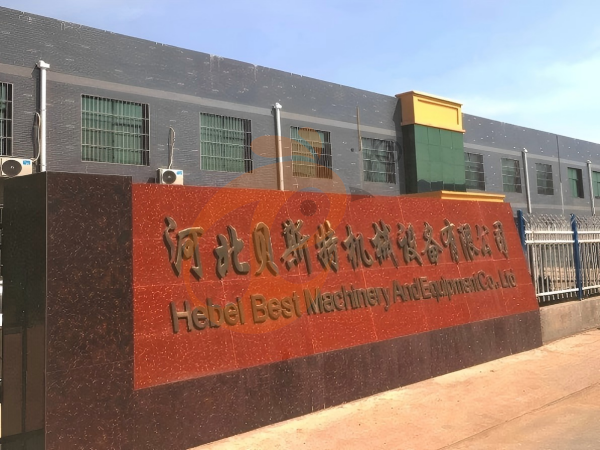
China Hebei Best Machinery And Equipment CO., LTD
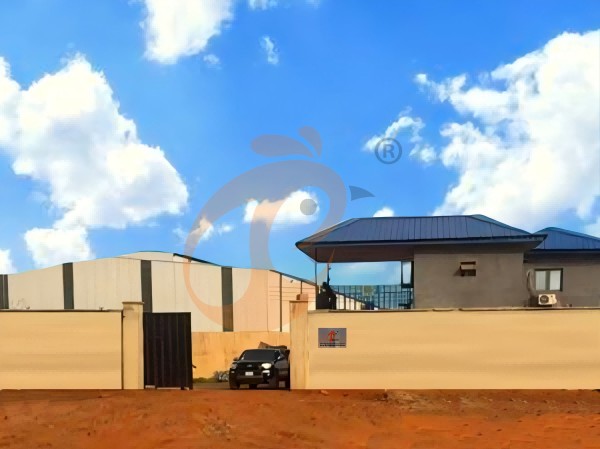
Nigeria Vanke Machinery And Equipment CO., LTD
Tanzania Best Machinery And Equipment CO., LTD
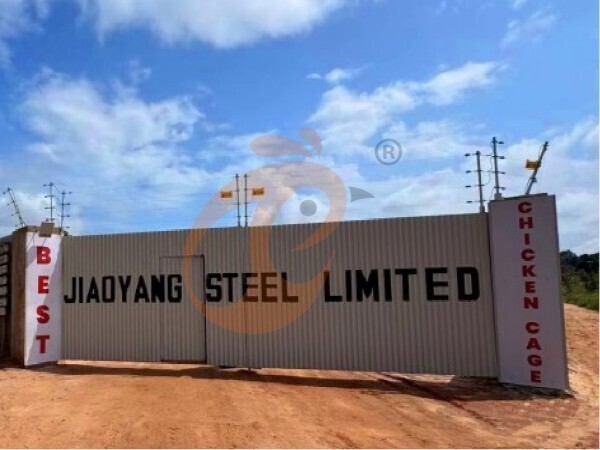
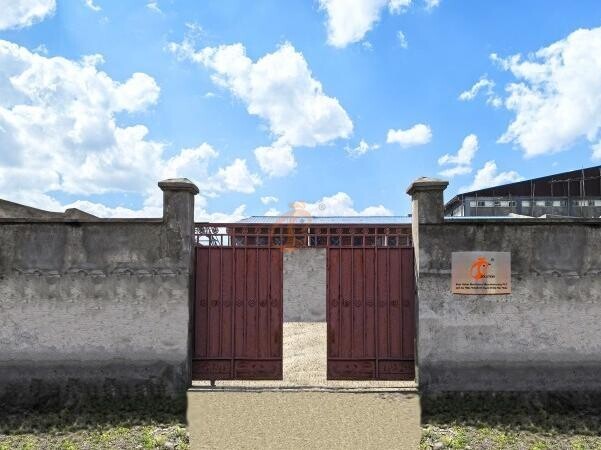
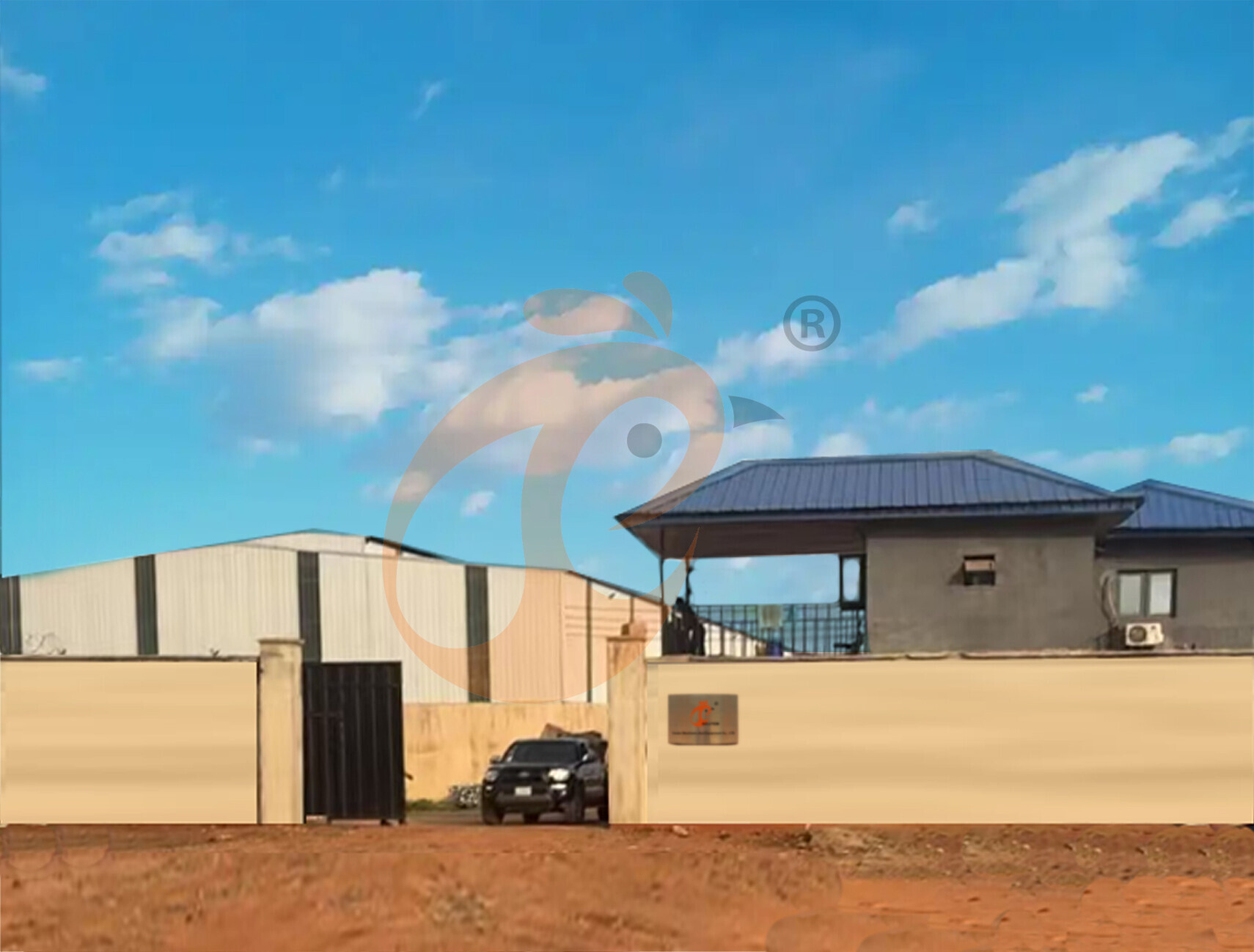
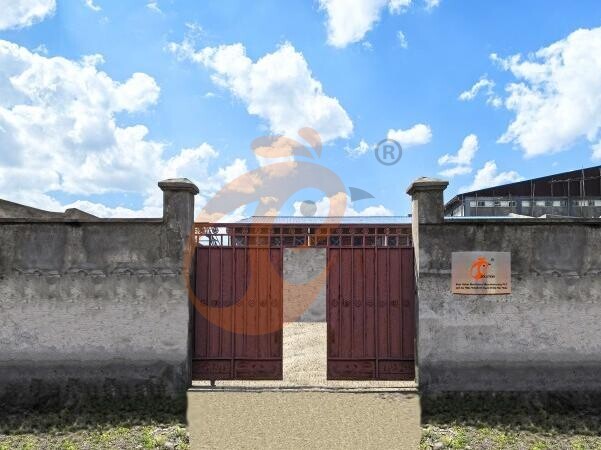
Ethiopia Best Hebei Machinery Manufacturing PLC
Reception /24 WhatsApp NO. : +8618830120193
FAQ
What Are The Top Professional Tips For Egg Collection Efficiency In Poultry Cage Farms?
Each belt can transport 4,000–6,000 eggs per hour, reducing manual handling.
Regularly clean conveyors; breakage rate can be maintained at 2–3%.
How To Reduce Labor Costs In Chicken Cage Farms With Automation?
Save ~70-90% labor per house while maintaining egg production at 90–98%.
Use monitoring systems to track flock health and production in real-time.
What Are The Ultimate Guidelines For Layer Cage Farm Hygiene And Biosecurity?
Regularly clean drinkers, egg belts, and cage surfaces.
Egg production: 90–98%, mortality: 2–3%.
Message
Products recommended
 HK Headquarter Offers EU-standard Poultry Farm Solutions, Manufacture Poultry Farm Equipment1. Continuous communication with the EU and the US
2. China, Nigeria, Ethiopia, Tanzania branch companies and factories
3. The products’ quality is customized for local poultry farms
4. Poultry cage and poultry farm equipment stock for sale
5. 24 online reception Whatsapp NO. : +8618830120193,contact us to get full informationRead More China Branch Offer Poultry Farm Business Plan, Manufacture Poultry Farm Equipment1. Address: Flat/RM 2416, 24/F, Runxing Building, Youyi Nan Street, Shijiazhuang City, Hebei Province, China
2. Poultry cage and poultry farm equipment factory and stock for sale
3. Customized for local poultry farms
4. Quality and design are based on Euro
5. 24 online reception Whatsapp NO. : +8618830120193Read More Nigeria Branch Offer Poultry Farm Business Plan, Manufacture Poultry Farm Equipment1. Address: After Sinoma Office, 200 Meters Near Danco Filling Station, Lagos/Ibadan Expressway, Lagos State, Nigeria
2. Poultry cage and poultry farm equipment factory and stock for sale
3. Customized for Nigerian poultry farms
4. Quality and design are based on Euro
5. 24 online reception Whatsapp NO. : +8618830120193Read More Ethiopia Branch Offer Poultry Farm Business Plan, Manufacture Poultry Farm Equipment1. Address: Gelan Gura, Akaki-kaliti Sub City, Addis Ababa, Ethiopia
2. Poultry cage and poultry farm equipment stock for sale
3. Customized for Ethiopian poultry farms
4. Quality and design are based on Euro
5. 24 online reception Whatsapp NO. : +8618830120193, contact us to get price listRead More Tanzania Branch Offer Poultry Farm Business Plan, Manufacture Poultry Farm Equipment1. Address: No.8, Sova Road, Msufini, Mlandizi, Kibaha, Pwani, Tanzania
2. Poultry cage and poultry farm equipment factory and stock for sale
3. Customized for Tanzanian poultry farms
4. Quality and design are based on Euro
5. 24 online reception Whatsapp NO. : +8618830120193Read More Fully Automatic H Type Layer Chicken Cage1. 30,000-100,000+ layers/house chooses it, Poultry farmers can achieve an egg production rate of 96-98%
2. A significant improvement over the 85-90% typically seen in manual systems
3. A typical poultry farm can expect a 30-40% reduction in labor costs due to the automation
4. Each feeding line efficiently supplies feed to around 100,000 hens per 30 mins
5. Reception /WhatsApp NO. : +8618830120193Read More Fully Automatic A Type Layer Chicken Cage1. 10,000-50,000 layers/house chooses it
2. Cleaner egg collection reduces breakage by 0.5%
3. Improved hygiene helps reduce mortality rate to <3%
4. 1–2 technicians can handle 15,000–30,000 birds
5. Reception /WhatsApp NO. : +8618830120193Read More Semi Automatic H Type Layer Chicken Cage1. 1,00-20,000 layers/house chooses it
2. Nipple drinkers flow 30–60 ML / min
3. Hot-dip galvanized (typical coating ≥ 275 g/m²)
4. Reduce ammonia by ~ 35–40%
5. Reception /WhatsApp NO. : +8618830120193Read More Semi Automatic A Type Layer Chicken Cage1. 1,00-20,000 layers/house chooses it, no rust for 10 years, no deformation for 15 years
2. Chickens live comfortably, you can raise them with peace of mind
3. Save water, save money—efficiency you can measure
4. Improve environment quality, and increase egg production rate
5. Reception /WhatsApp NO. : +8618830120193Read More
By clicking 'Allow All', you agree to the storage of cookies on your device to enhance site navigation, analyze site usage and assist with our marketing efforts.