






Blog
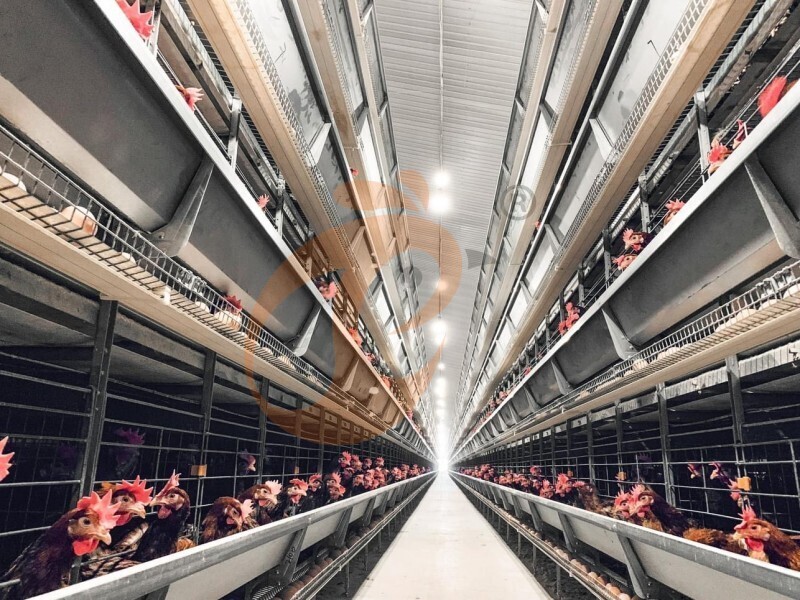
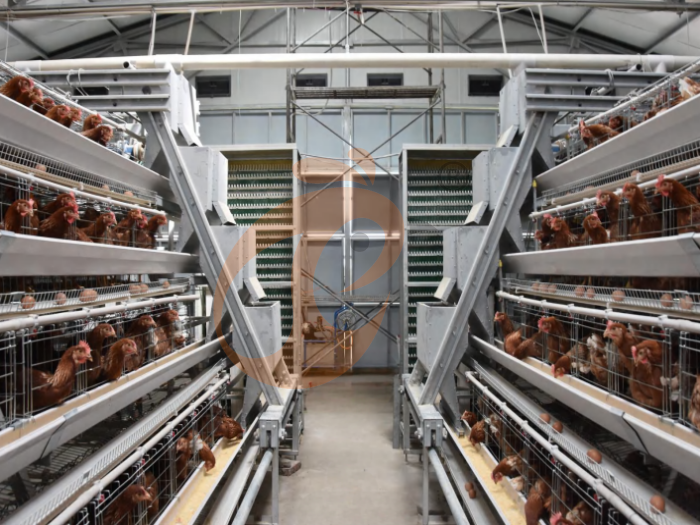
- Automatic H type chicken cages combine structured housing with mechanized production, supporting commercial layer operations through coordinated feeding, egg handling, and manure management.
H type layer cage systems provide scalable layouts, helping farms match cage tiers, house dimensions, flock density, and production targets.
Automatic layer chicken cage equipment can reduce repetitive handling while connecting major production processes through centralized mechanical control.
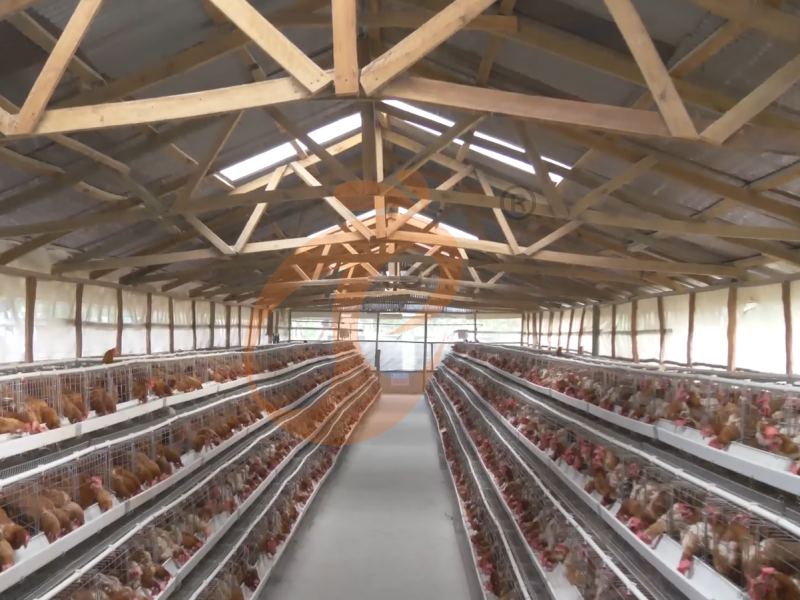
Semi-automatic configurations provide practical alternatives where manual labor, phased investment, or compact poultry houses influence equipment selection.
- Correct equipment matching balances structural specifications, operating workflow, installation requirements, maintenance planning, and long-term commercial production efficiency.
Get professional poultry farm construction guidance, equipment selection solutions, and the latest price lists, whatsApp to +8618830120193, +2348111199996, or click to learn more.
Start With The Production Target
Choosing between automatic and semi-automatic H type chicken cages should begin with the production process you want to build.
A commercial layer house may run 16–18 hours of controlled daily operation, so the cage system must match the farm’s working rhythm.
Automatic equipment connects feeding, egg collection, manure removal, and environmental management into one coordinated production line.
Semi-automatic equipment retains more manual operations and can be configured for farms where operators prefer direct daily handling.
The important question is not simply which system has more functions, but whether each component fits the planned flock, house layout, and operating schedule.
Automatic Vs Semi-Automatic Technical Comparison
Data is for reference only.Swipe horizontally to view full table.
These configurations are based on commonly offered H-type layer cage specifications, with final dimensions and stocking arrangements engineered around breed requirements, local regulations, and house design.
Follow The Feed From Silo To Trough
Feed Path
→ Storage silo
→ Auger or chain conveyor
→ Distribution line
→ Cage trough
→ Bird access
Feed distribution represents one of the first areas where equipment engineering affects production consistency.
An automatic system can move feed from storage through mechanical conveying equipment without workers carrying individual loads between cage rows.
A screw-type delivery system can operate at approximately 35–45 m/min, while chain systems can operate around 20–30 m/min.
For a semi-automatic farm, operators can retain manual feed distribution while using the H-frame cage structure and nipple drinking system.
Such an arrangement can suit shorter houses or management models where direct operator involvement remains part of the daily workflow.
Feeding System Parameter Comparison
Data is for reference only.Swipe horizontally to view full table.
Automatic feeding specifications vary according to conveyor architecture, motor selection, house length, and overall equipment configuration.
Egg Collection Is A Quality-Control Process
Collection Sequence
Cage floor → egg belt → longitudinal conveyor → cross conveyor → packing area.
Egg collection should be viewed as more than a labor-saving function.
The path from cage floor to collection room influences handling frequency, cleanliness, and mechanical impact.
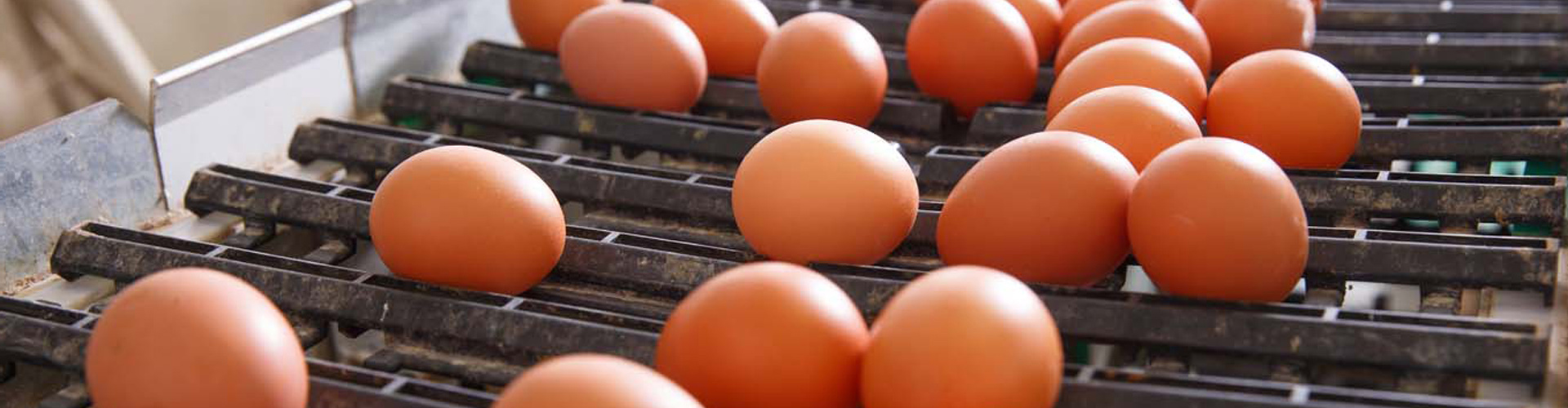
Automatic H type systems can use sloped cage floors to transfer eggs onto longitudinal belts, followed by cross conveyors toward the packing area.
A typical egg-rolling angle is approximately 7–9°, providing controlled gravity-assisted movement.
Semi-automatic systems can retain manual collection, which may be appropriate for compact houses.
Once cage rows multiply, manual collection from several tiers can turn routine handling into a substantial daily operation.
Egg Collection Parameter Comparison
Data is for reference only.Swipe horizontally to view full table.
Integrated H-type egg collection arrangements commonly combine egg belts, main collection machines, and cross-collection conveyors for controlled movement toward the packing area.
Manure Management Changes The House Environment
Operational Chain
Manure accumulation
↓
Scheduled belt movement
↓
Transfer section
↓
External discharge
Manure handling directly influences the working environment inside a poultry house.
Automatic belt removal transfers manure away from the birds at scheduled intervals instead of requiring workers to enter cage rows for repeated removal.
PP manure belts are commonly available around 1.0–1.2 mm thickness, with belt speeds around 2.5–10 m/min depending on system design.
Semi-automatic installations can use scraper or manually operated removal arrangements where equipment complexity needs to remain controlled.
Such configuration makes manure handling more dependent on the farm’s operating timetable and available personnel.
Manure Removal Parameter Comparison
Data is for reference only.Swipe horizontally to view full table.
Published H-type equipment specifications include reinforced pp belts, 0.55–0.75 kw belt motors, and adjustable removal speeds.
Water Delivery: Small Components, Continuous Impact
Water Circuit
Header tank → filter → pressure regulator → drinking pipe → nipple → bird.
Drinking equipment works continuously, so component selection matters even though the system occupies limited physical space.
Automatic nipple systems can provide water directly at cage level while pressure regulators maintain a controlled supply.
Typical nipple systems use stainless-steel drinking components, with reported flow rates around 20–30 ml/min and operating pressure around 0.2–0.5 bar.
A semi-automatic H type cage can still use automatic nipple drinking because automation does not need to cover every production operation.
Modular configuration allows producers to prioritize equipment according to operational requirements and project budget.
Water System Parameter Comparison
Data is for reference only.Swipe horizontally to view full table.
Nipple drinking systems with pressure regulation and drip cups are commonly integrated into H-type layer cage projects.
House Design Determines Whether Automation Performs Properly
Engineering Checkpoint
① House geometry
② Service access
③ Power distribution
④ Ventilation route
⑤ Manure discharge position
An automatic cage system should be designed together with the poultry house rather than installed as an isolated product.
The row arrangement, service passages, electrical supply, ventilation route, and manure discharge position all affect installation quality.
Typical automatic projects may use 220/380 v power at 50/60 hz, while equipment layouts can be engineered around house lengths exceeding 100 m.
Professional poultry equipment manufacturers should therefore provide cage layout drawings, equipment matching, electrical planning, and installation guidance before production begins.
Configuration And Installation Comparison
Data is for reference only.Swipe horizontally to view full table.
Actual house dimensions, fan quantities, and electrical configuration require calculation from local climate, building dimensions, bird population, and selected equipment.
H-type systems are available in multiple tier configurations and can be customized for individual projects.
Frequently Asked Questions
Q1: What is the main difference between automatic and semi-automatic H type chicken cages?
A1: Automatic systems connect major handling operations through powered equipment and centralized controls.
Semi-automatic systems retain selected manual processes while using mechanical cage structures and supporting equipment.
A project with a 100 m house length can benefit from evaluating automation before final equipment selection.
Q2: Are automatic H type chicken cages suitable for expanding layer farms?
A2: Yes, particularly when future flock capacity is expected to increase.
Integrated equipment can allow production processes to be expanded without proportionally adding repetitive manual operations.
House planning should reserve approximately 0.8–1.2 m service passages according to the selected configuration.
Q3: How should a farm select the correct H type cage supplier?
A3: Evaluate cage steel construction, equipment compatibility, electrical design, installation engineering, spare-parts support, and project customization.
Complete system coordination is more important than selecting individual components solely by purchase price.
A technical quotation should clearly define cage dimensions, tier arrangement, drive specifications, and auxiliary equipment.
Taiyu (HK) Group - One Of China Largest H Type Chicken Cages Manufacturer
H type chicken cages provide a structured layer-housing platform integrating cage frames with feeding, drinking, egg collection, manure handling, and environmental equipment for engineered commercial poultry production.
Global factory direct supply supports project-based procurement, component coordination, manufacturing control, and equipment configuration for international poultry operations.
Poultry equipment packages can be engineered around house dimensions, flock capacity, electrical conditions, ventilation requirements, and selected automation architecture.
Turn-key engineering covers layout planning, system matching, manufacturing, installation guidance, commissioning coordination, and technical documentation for complete layer-house projects.
Factory-based production enables direct technical communication, equipment customization, spare-parts planning, and project support from initial configuration through operational deployment.
Contact Us To Received Your Customized Poultry Farm Plan
Headquarters And Branchs
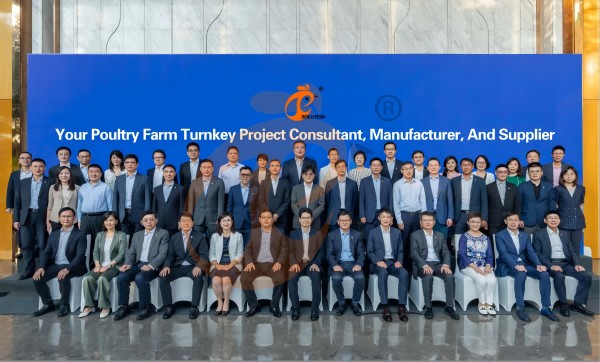
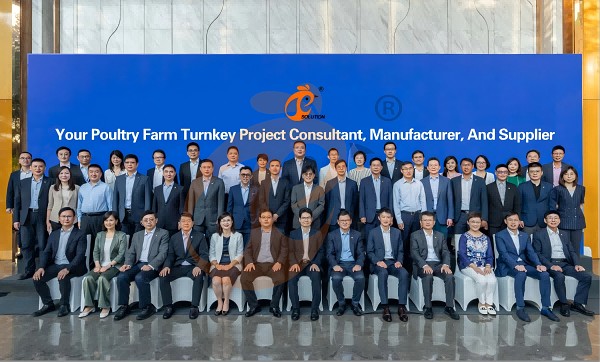
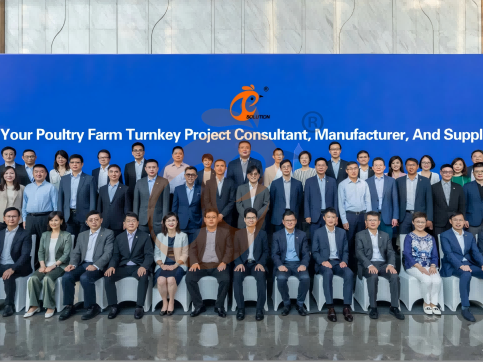
Hong Kong Headquarter Management Team
Hong Kong Headquarter Taiyu Industrial Group CO., LTD
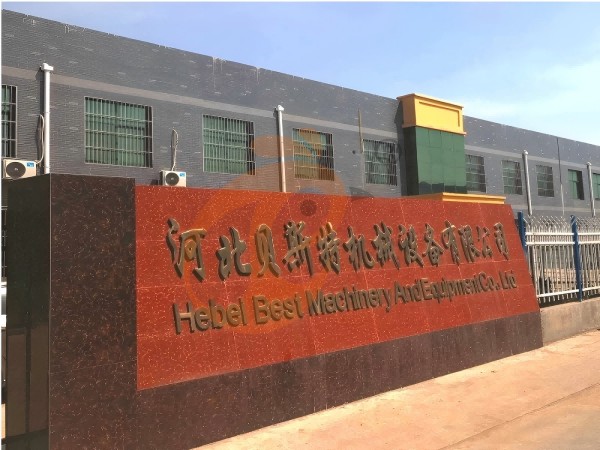
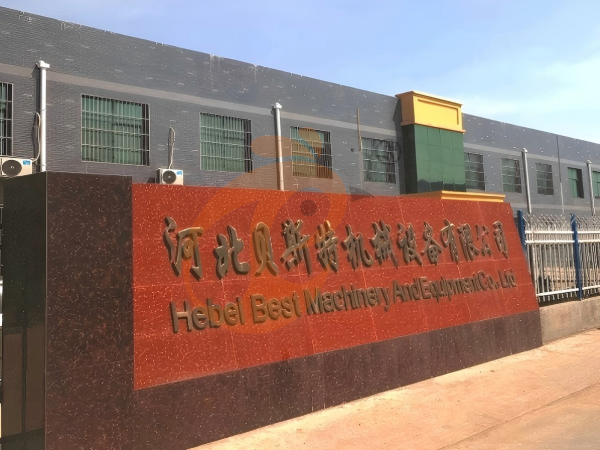
China Hebei Best Machinery And Equipment CO., LTD
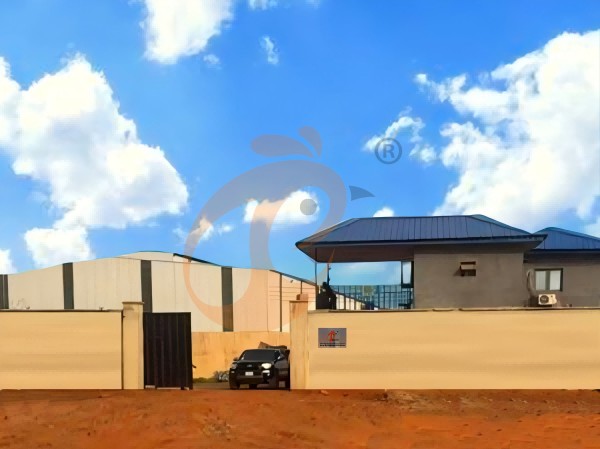
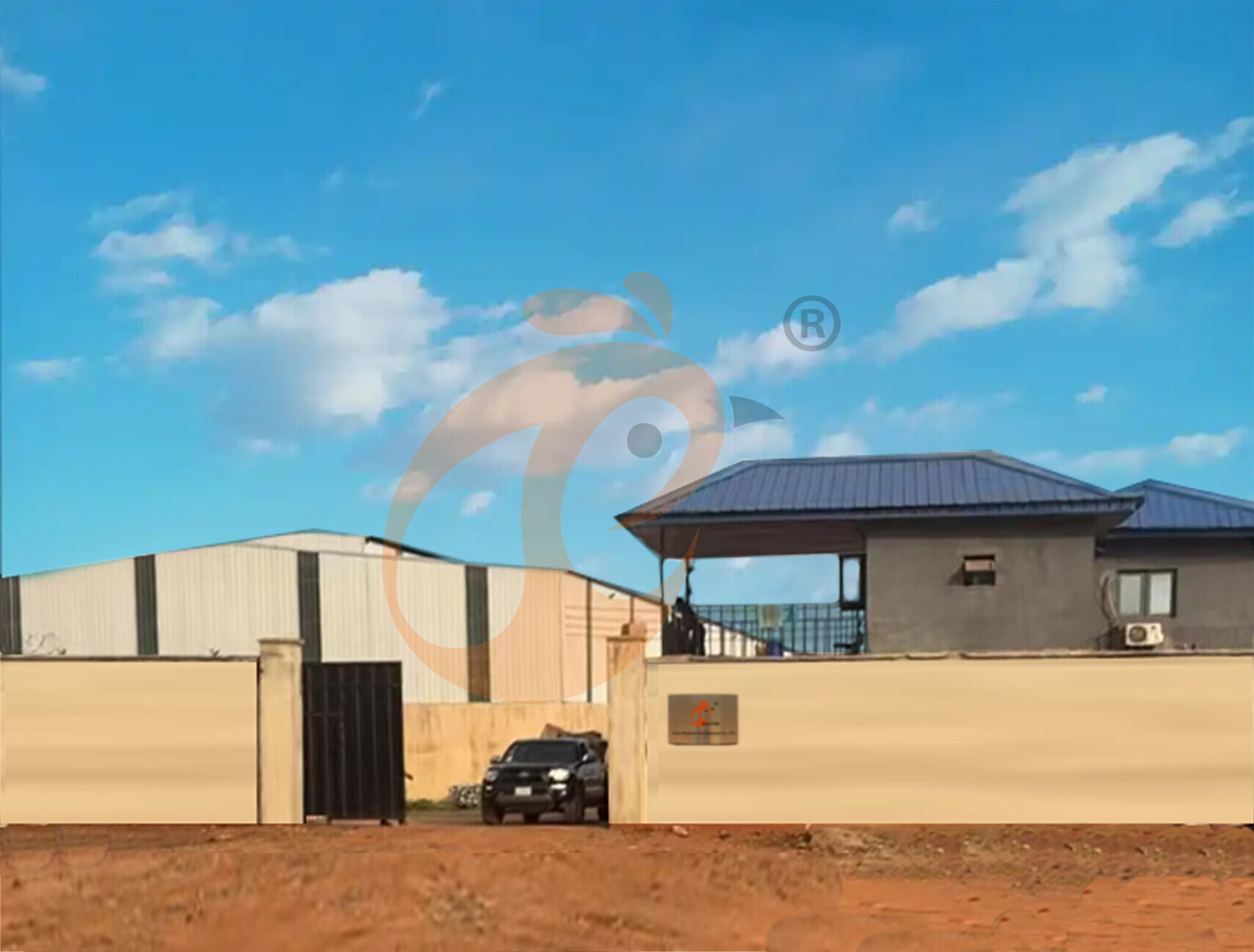
Nigeria Vanke Machinery And Equipment CO., LTD
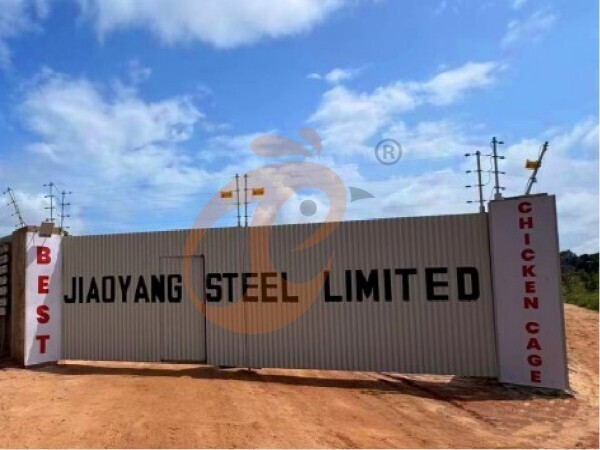
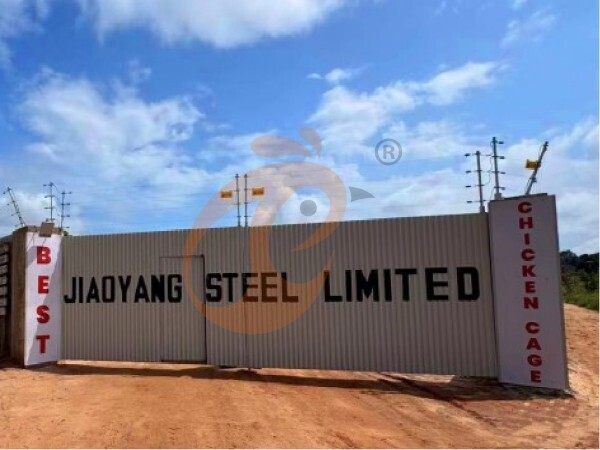
Tanzania Best Machinery And Equipment CO., LTD
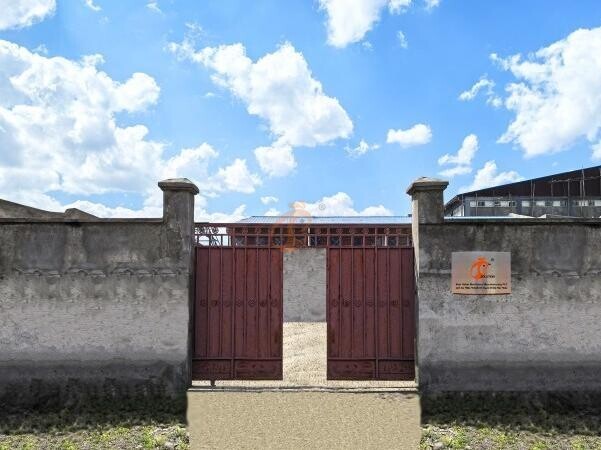
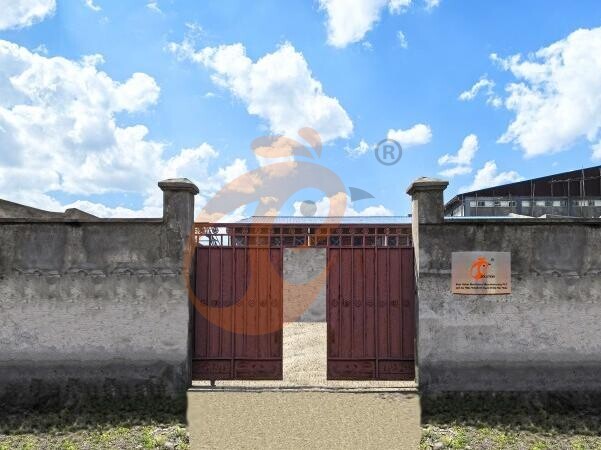
Ethiopia Best Hebei Machinery Manufacturing PLC
Reception /24 WhatsApp NO. : +8618830120193
FAQ
What Are The Recommended Cage Heights For H-Type Poultry Cage?
Multi-tier layout: 5–7 levels
Ensure comfort for feeding and movement
Egg production rate: 90-98%
FCR: 1.9–2.1
How To Reduce Energy Consumption In H-Type Layer Cage Farm?
Optimize ventilation and lighting layout
Reduce HVAC energy consumption by 10–15%
Egg production rate: 90-98%
FCR: 1.9–2.1
What Is The Maximum Capacity Of H-Type Layer Cage In A Single House?
Birds per tier: 90–120
Farm capacity per house: 30,000 - 100,000+0 birds
Floor space saved: 3–4 times
Labor savings: 70-90%
Message
Products recommended
 HK Headquarter Offers EU-standard Poultry Farm Solutions, Manufacture Poultry Farm Equipment1. Continuous communication with the EU and the US
2. China, Nigeria, Ethiopia, Tanzania branch companies and factories
3. The products’ quality is customized for local poultry farms
4. Poultry cage and poultry farm equipment stock for sale
5. 24 online reception Whatsapp NO. : +8618830120193,contact us to get full informationRead More China Branch Offer Poultry Farm Business Plan, Manufacture Poultry Farm Equipment1. Address: Flat/RM 2416, 24/F, Runxing Building, Youyi Nan Street, Shijiazhuang City, Hebei Province, China
2. Poultry cage and poultry farm equipment factory and stock for sale
3. Customized for local poultry farms
4. Quality and design are based on Euro
5. 24 online reception Whatsapp NO. : +8618830120193Read More Nigeria Branch Offer Poultry Farm Business Plan, Manufacture Poultry Farm Equipment1. Address: After Sinoma Office, 200 Meters Near Danco Filling Station, Lagos/Ibadan Expressway, Lagos State, Nigeria
2. Poultry cage and poultry farm equipment factory and stock for sale
3. Customized for Nigerian poultry farms
4. Quality and design are based on Euro
5. 24 online reception Whatsapp NO. : +8618830120193Read More Ethiopia Branch Offer Poultry Farm Business Plan, Manufacture Poultry Farm Equipment1. Address: Gelan Gura, Akaki-kaliti Sub City, Addis Ababa, Ethiopia
2. Poultry cage and poultry farm equipment stock for sale
3. Customized for Ethiopian poultry farms
4. Quality and design are based on Euro
5. 24 online reception Whatsapp NO. : +8618830120193, contact us to get price listRead More Tanzania Branch Offer Poultry Farm Business Plan, Manufacture Poultry Farm Equipment1. Address: No.8, Sova Road, Msufini, Mlandizi, Kibaha, Pwani, Tanzania
2. Poultry cage and poultry farm equipment factory and stock for sale
3. Customized for Tanzanian poultry farms
4. Quality and design are based on Euro
5. 24 online reception Whatsapp NO. : +8618830120193Read More Fully Automatic H Type Layer Chicken Cage1. 30,000-100,000+ layers/house chooses it, Poultry farmers can achieve an egg production rate of 96-98%
2. A significant improvement over the 85-90% typically seen in manual systems
3. A typical poultry farm can expect a 30-40% reduction in labor costs due to the automation
4. Each feeding line efficiently supplies feed to around 100,000 hens per 30 mins
5. Reception /WhatsApp NO. : +8618830120193Read More Fully Automatic A Type Layer Chicken Cage1. 10,000-50,000 layers/house chooses it
2. Cleaner egg collection reduces breakage by 0.5%
3. Improved hygiene helps reduce mortality rate to <3%
4. 1–2 technicians can handle 15,000–30,000 birds
5. Reception /WhatsApp NO. : +8618830120193Read More Semi Automatic H Type Layer Chicken Cage1. 1,00-20,000 layers/house chooses it
2. Nipple drinkers flow 30–60 ML / min
3. Hot-dip galvanized (typical coating ≥ 275 g/m²)
4. Reduce ammonia by ~ 35–40%
5. Reception /WhatsApp NO. : +8618830120193Read More Semi Automatic A Type Layer Chicken Cage1. 1,00-20,000 layers/house chooses it, no rust for 10 years, no deformation for 15 years
2. Chickens live comfortably, you can raise them with peace of mind
3. Save water, save money—efficiency you can measure
4. Improve environment quality, and increase egg production rate
5. Reception /WhatsApp NO. : +8618830120193Read More
By clicking 'Allow All', you agree to the storage of cookies on your device to enhance site navigation, analyze site usage and assist with our marketing efforts.