






Blog
- A type battery cage planning combines housing efficiency, equipment matching, and practical flock management with a 24-hour production cycle in mind.
Proper farm design connects cage installation, feeding, drinking, manure handling, ventilation, and egg collection into one coordinated production system from day one.
Accurate engineering decisions help small farms control labor requirements while preparing infrastructure for expansion across multiple production stages.
Equipment selection should consider material specifications, installation dimensions, automation compatibility, maintenance access, and operating conditions before manufacturing begins.
- A professionally configured poultry equipment system turns limited building space into an organized layer operation designed around measurable performance, practical workflows, and future scalability.
Get professional poultry farm construction guidance, equipment selection solutions, and the latest price lists, whatsApp to +8618830120193, +2348111199996, or click to learn more.
Start With The Right Question: "What Should My First Farm Look Like?"
Starting a poultry farm is not simply about buying chicks and putting them into a house.
For beginners, the better approach is to build a manageable production system around reliable layer battery cage equipment, with daily inspection planned around approximately 8–10 working hours.
An A type battery cage is designed to make this process more organized.
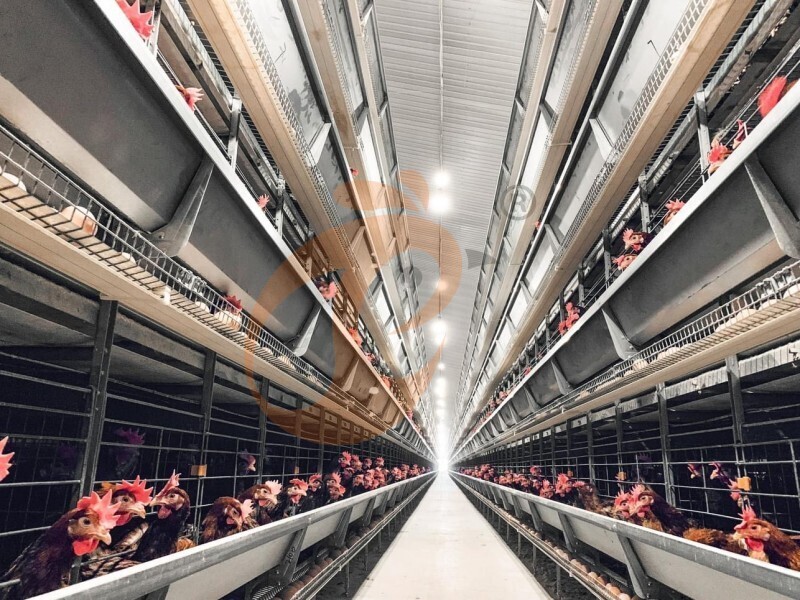
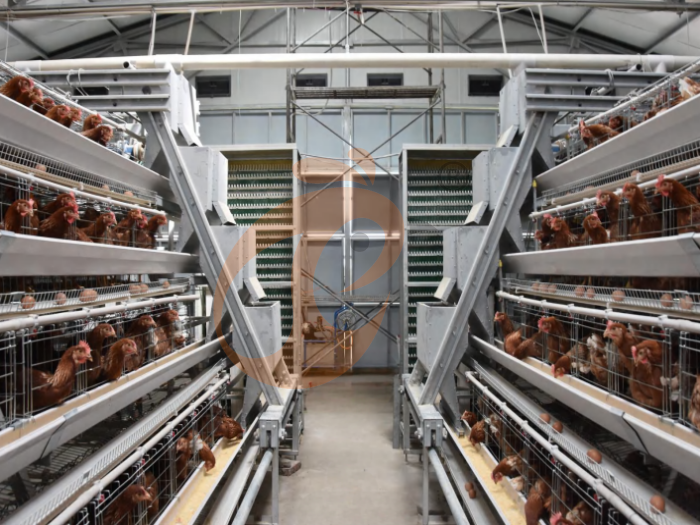
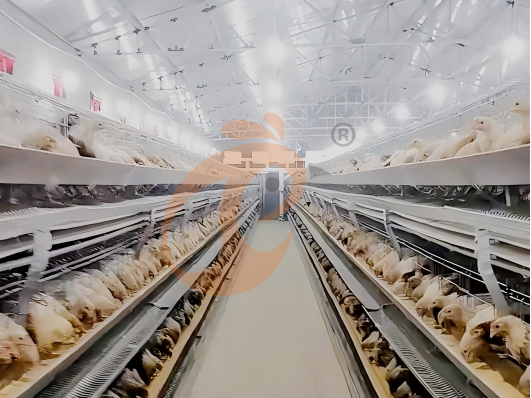
Its multi-tier structure uses vertical space efficiently, allowing more birds to be managed within a relatively compact poultry house.
Compared with floor-rearing systems, the cage system can also make feeding, drinking, manure collection, and daily management more systematic, with inspection routes commonly planned around 1–1.2 m working aisles.
Before purchasing equipment, define your target bird capacity, available house area, labor availability, egg-production goals, and investment budget.
These decisions determine the appropriate cage configuration and supporting equipment, while electrical planning may require approximately 220–380 v according to the selected equipment package.
A professional cage supplier should also calculate the installation footprint before manufacturing.
For example, one published A-type configuration uses a 2,450 mm installed width and 1,995 mm installed height, showing why equipment dimensions need to be considered during house planning.
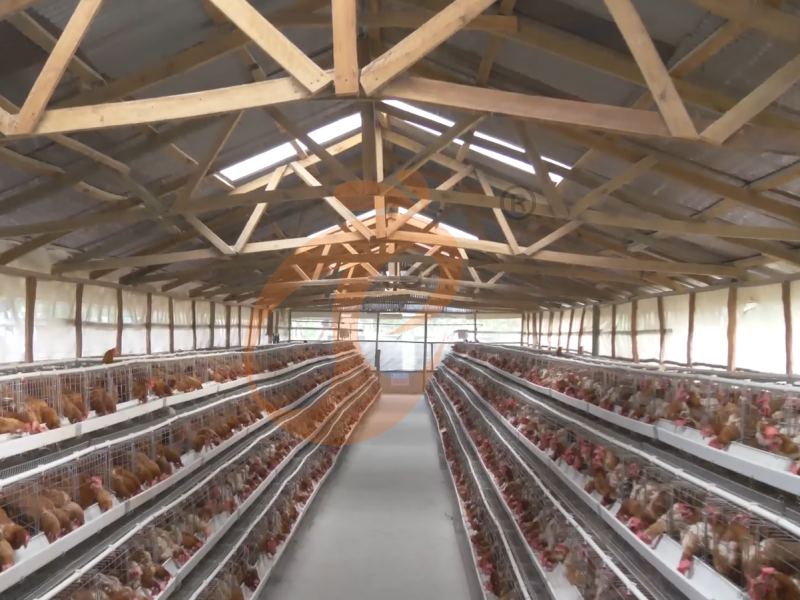
A poultry cage system should therefore be engineered around the building rather than forced into an existing layout after construction.
Beginner Farm Planning At A Glance
Data is for reference only.Swipe horizontally to view full table.
These specifications reflect commercially available A-type layer cage configurations; exact dimensions should be confirmed against the selected manufacturer's engineering drawing.
For A type layer cage projects, structural clearance should also be reviewed against roof beams, service corridors, and maintenance access before installation.
Step One — Calculate Before You Build
Do not begin with the cage price.
Begin with the numbers.
Ask yourself five questions
How many birds do I want?
How much house space do I have?
How many workers will manage the farm?
What level of automation can I afford?
Can the system be expanded later?
A good equipment supplier should help you convert these answers into a practical cage layout.
For example, if your goal is a small layer farm, an A type cage can provide multiple levels of housing while maintaining convenient access for feeding and management.
The final configuration depends on cage dimensions, tier number, bird density, aisle width, house structure, and local production requirements, while service corridors should allow approximately 0.8–1.0 m for routine equipment access.
Typical Equipment Configuration For An A Type Cage Farm
Data is for reference only.Swipe horizontally to view full table.
The listed feeding and drinking figures are examples of commercial equipment specifications; system design should be adjusted according to the selected cage model and farm conditions.
For poultry equipment integration, water filtration can be positioned upstream with approximately 50–100 micron filtration according to water quality.
Step Two — Choose Cage Capacity, Not Just Cage Quantity
A common beginner mistake is asking, "How many cages should I buy?"
The more useful question is
"How many birds can my complete system manage efficiently?"
An A type battery cage should be selected according to bird capacity, house dimensions, cage tiers, aisle arrangement, and supporting equipment.
The cage is the core, but the system around it determines how convenient the farm will be to operate.
A poorly planned feeding line can create unnecessary labor.
Inadequate ventilation can affect flock performance.
Difficult manure removal can increase cleaning costs, while routine inspection should ideally maintain consistent checks at least twice per day.
That is why experienced poultry equipment manufacturers normally recommend confirming the complete layout before production.
Good cage equipment starts with good engineering.
For example, published A-type models include 90, 96, 120, 128, and 160 birds per set, giving beginners several engineering configurations instead of forcing every farm into one cage specification.
A modular A type battery cage arrangement can also reserve approximately 5–10% building area for future service access and equipment adjustments.
A Type Battery Cage Selection Checklist
Data is for reference only.Swipe horizontally to view full table.
Capacity and construction specifications vary by manufacturer and model, so the purchase contract should identify the exact cage model and technical drawing.
For a layer battery cage, welding points, fastener access, and replacement routes should be checked before commissioning, with maintenance inspections scheduled every 3–6 months.
Step Three — Build Around Labor-Saving Equipment
Imagine two farms with the same number of hens.
Farm A: Workers carry feed manually, collect eggs one by one, and clean manure with basic tools.
Farm B: Feed distribution is mechanized, nipple drinkers provide water, and manure is collected through a dedicated system.
The difference is not the chickens.
The difference is equipment design.
For a commercial poultry farm, labor is an ongoing cost.
Equipment that reduces repetitive work can therefore create value every production day, while a planned work cycle can divide feeding, inspection, collection, and cleaning into approximately 2–4 scheduled rounds.
For beginners, a practical strategy is to start with the essential automation required for feeding, drinking, and manure management, then add higher-level automation as the farm expands.
The goal is not to make the farm complicated.
The goal is to make the farm efficient, manageable, and scalable.
A properly designed nipple line can also provide a measurable operating specification: commercial systems may use 360°-activated nipples, allowing birds to access water from different contact directions.
For poultry cage equipment, pressure regulators can be installed at separate line sections when house length exceeds approximately 30–40 m.
Equipment Investment: Where Should Your Budget Go?
Data is for reference only.Swipe horizontally to view full table.
Automatic feeding, drinking, manure removal, egg collection, and environmental-control systems can be integrated with A-type cages, allowing equipment selection to develop with farm scale.
For A type layer cage installations, control cabinets can be positioned within approximately 10–20 m of major drive equipment to simplify inspection and electrical servicing.
Step Four — Think Like An Equipment Engineer
Before installation, walk through the house from a worker’s perspective.
Where will feed enter?
How will workers inspect birds?
Where will eggs move?
How will manure leave the house?
Where will ventilation equipment be installed?
Can workers safely access every cage row?
If these questions are difficult to answer, the layout needs more planning.
A professional poultry equipment supplier can normally provide farm layout design, cage arrangement, equipment matching, installation guidance, and technical support.
This is particularly valuable for first-time farmers because small layout mistakes can become expensive after installation.
A strong equipment manufacturer does more than sell cages.
It helps turn your building into a functioning poultry production system.
For installation planning, published projects demonstrate layouts such as 95 m × 13 m × 4 m for 20,160 birds, illustrating how cage arrangement, building dimensions, and flock capacity are calculated together.
For poultry equipment engineering, roof loading and foundation positions should be checked before installation, with anchor locations typically coordinated from the final equipment drawing.
Example Small-Farm Equipment Package
Data is for reference only.Swipe horizontally to view full table.
These values illustrate commercially specified equipment parameters and should be checked against local housing, welfare, and engineering requirements before installation.
For a layer battery cage system, floor leveling should generally be verified within approximately 3–5 mm across each equipment section before final anchoring.
Step Five — Plan For Growth From Day One
Data is for reference only.Swipe horizontally to view full table.
Commercial A-type projects can be configured into multi-row systems; published layouts include 10,240 birds/house and 20,160 birds/house, demonstrating how modular cage equipment can support expansion.
A scalable A type battery cage project can also reserve approximately 15–20% electrical distribution capacity for later automation additions.
Your First Farm Should Be Small—But Your Equipment Should Think Bigger
Starting small does not mean starting with low-quality equipment.
The best beginner strategy is to select an A type battery cage system that matches today's flock size while leaving a practical path for tomorrow's expansion.
Durable cage construction, efficient feeding, reliable nipple drinking, convenient manure removal, and appropriate ventilation can turn a basic poultry house into a more professional production operation, with equipment commissioning often completed through sequential subsystem testing.
When comparing poultry equipment suppliers, look beyond the cage quotation.
Evaluate material quality, cage design, equipment integration, customization capability, installation support, spare parts, and after-sales service.
Your first flock will teach you poultry farming.
Your equipment should make that learning easier—not harder.
For export-oriented projects, logistics should also be considered during equipment selection.
One commercial specification lists 10–15 working days as a production lead-time reference depending on order quantity, making delivery planning another practical part of the farm schedule.
European union standard reference only.
Ready to build your small poultry farm?
Start with the cage layout, calculate your bird capacity, and select the complete equipment system before construction begins.
With the right A type battery cage and properly matched poultry equipment, even a small farm can be designed for efficiency, labor savings, and future growth.
Frequently Asked Questions
Q1: What is the main advantage of an A type battery cage for beginners?
A1: An A type battery cage organizes birds into vertically arranged tiers, helping small farms use building space efficiently while connecting feeding, drinking, manure, and egg-handling systems.
A practical starting configuration can use 3–4 tiers, depending on the building and selected engineering design.
Q2: What equipment should be purchased with an A type battery cage?
A2: A complete setup normally combines feeding equipment, nipple drinking equipment, manure removal, egg collection, ventilation, and electrical control.
Supporting systems should be matched to cage dimensions before manufacturing, rather than purchased as unrelated components.
Q3: Can a small poultry farm expand later?
A3: Yes.Modular cage layouts can allow additional rows, automation, and egg-handling equipment to be added after the initial production stage.
Leaving suitable service space and electrical capacity during the first installation can reduce reconstruction work later.
Taiyu (HK) Group - One Of China Toppest A Type Battery Cage Manufacturer
A type battery cage integrates multi-tier layer housing with matched feeding, drinking, manure, ventilation, and egg-handling equipment for structured commercial poultry production.
Global factory-direct supply combines cage manufacturing, poultry equipment, engineering drawings, equipment matching, quality inspection, and export coordination within one technical supply chain.
Turn-key engineering covers project planning, house layout, equipment configuration, installation guidance, commissioning procedures, and operational handover for complete poultry projects.
Project solutions can be configured for small farms, multi-row houses, and expanding layer operations according to building dimensions, flock capacity, utilities, and automation requirements.
Technical support continues through spare-parts coordination, equipment troubleshooting, production documentation, and after-sales service for international poultry equipment projects.
Contact Us To Received Your Customized Poultry Farm Plan
Headquarters And Branchs
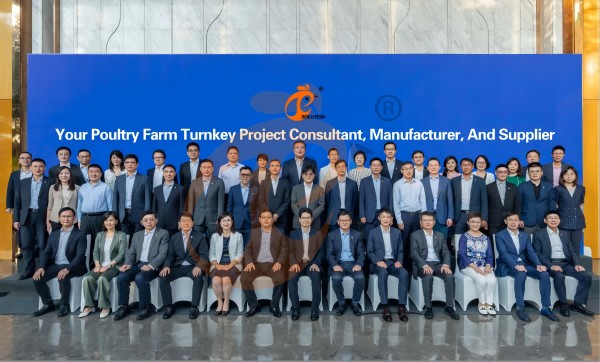
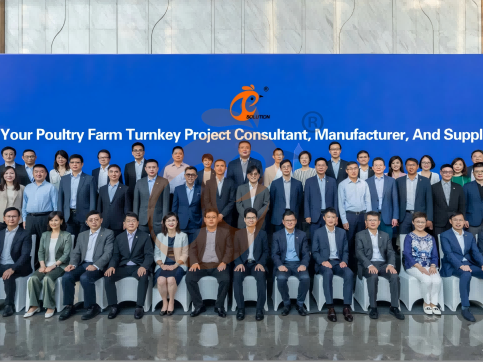
Hong Kong Headquarter Management Team
Hong Kong Headquarter Taiyu Industrial Group CO., LTD
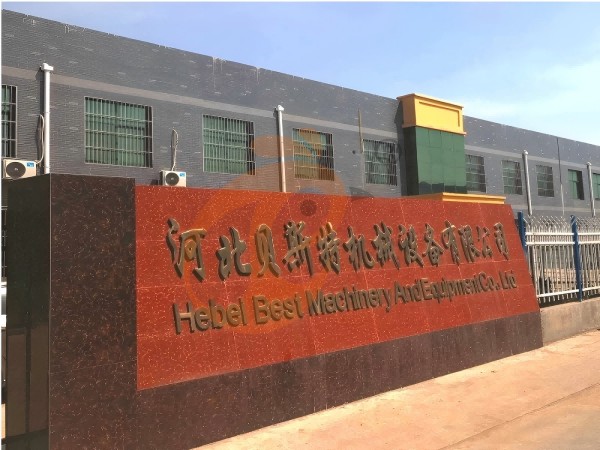
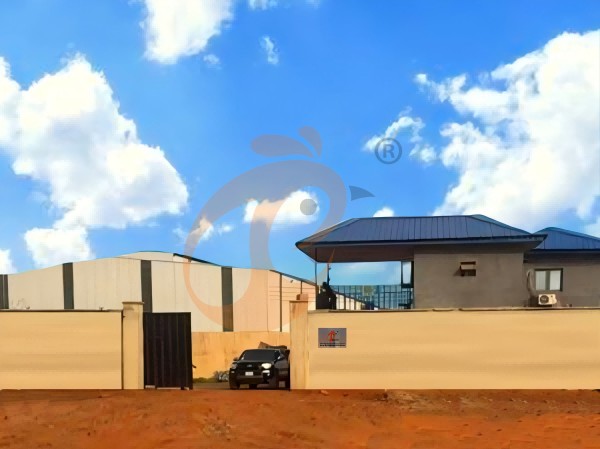
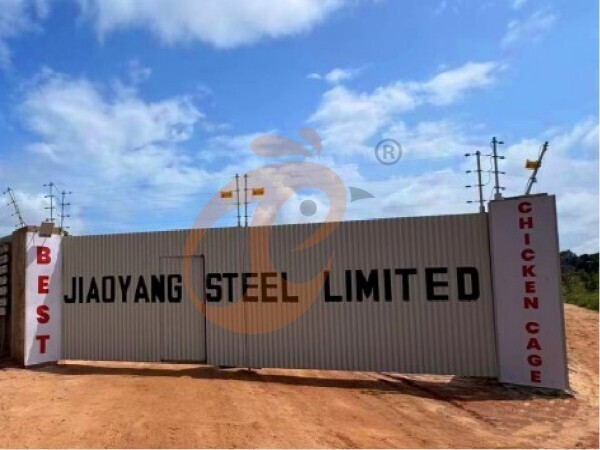
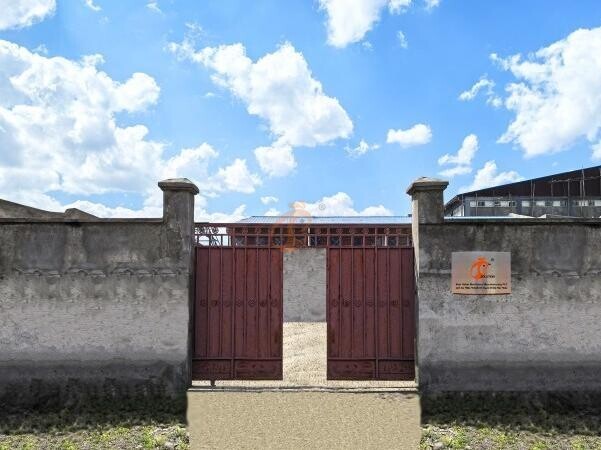
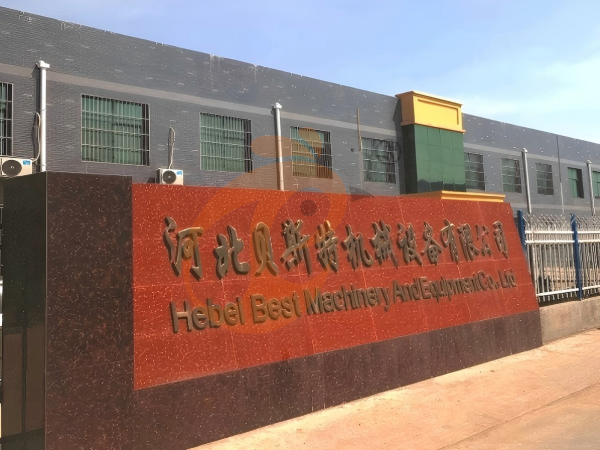
China Hebei Best Machinery And Equipment CO., LTD
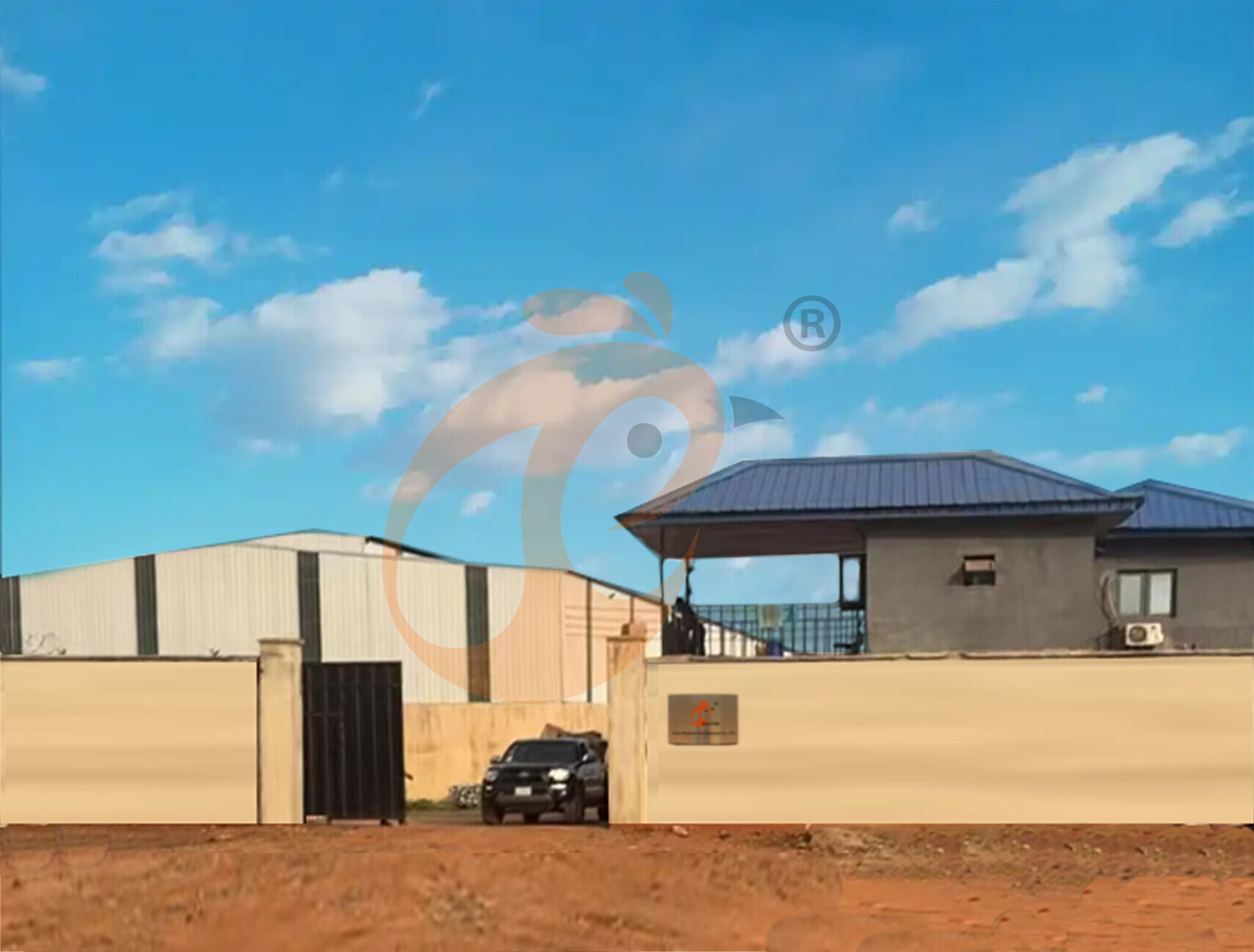
Nigeria Vanke Machinery And Equipment CO., LTD
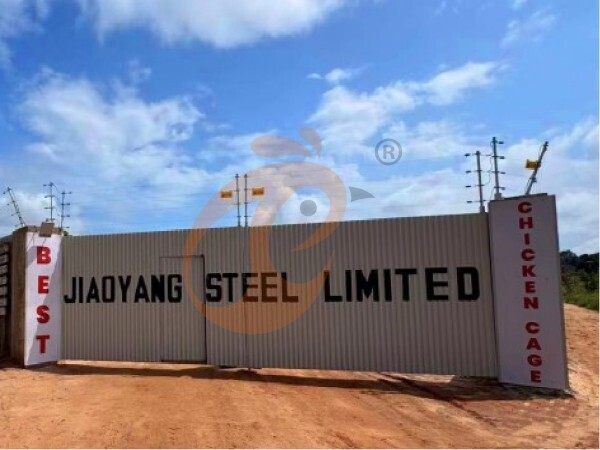
Tanzania Best Machinery And Equipment CO., LTD
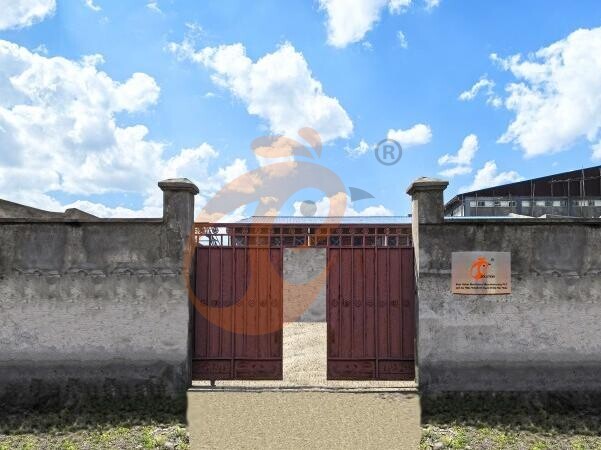
Ethiopia Best Hebei Machinery Manufacturing PLC
Reception /24 WhatsApp NO. : +8618830120193
FAQ
How To Design Cage Width And Depth For A-Type Layer Cage?
Cage depth: 400 mm
Birds per set: 120-200
Egg production rate: 90–96%
FCR: 1.9–2.2
How To Implement Biosecurity Measures In A-Type Chicken Cage Farms?
Use disinfectant doors and footbaths
Regular manure cleaning
Mortality rate: 2–3%
Egg production rate: 90–96%
What Are The Most Durable Materials For A-Type Poultry Cage Frames?
Maintain anti-corrosion coating
Lifespan: more than 25 years
Egg production rate: 90–96%
Labor savings: 50–70%
How To Optimize Feeding And Watering Lines In A-Type Layer Cage System?
Ensure consistent water pressure
FCR: 1.9–2.2
Egg production rate: 90–96%
Mortality rate: 2–3%
- poultry equipment
- layer cage
- poultry farm
- feeding equipment
- poultry cage
- battery cage
- poultry farm
- poultry farm construction
- battery cage manufacturer
- battery cage system
- layer cage system
- poultry equipment manufacturer
- poultry equipment supplier
- poultry cage equipment
- battery cage
- layer farm
- poultry house
- layer cage installation
- poultry cage system
- layer battery cage
- poultry equipment suppliers
- poultry equipment manufacturers
- Ethiopia
- Nigeria
- a type layer cage
Message
Products recommended
 HK Headquarter Offers EU-standard Poultry Farm Solutions, Manufacture Poultry Farm Equipment1. Continuous communication with the EU and the US
2. China, Nigeria, Ethiopia, Tanzania branch companies and factories
3. The products’ quality is customized for local poultry farms
4. Poultry cage and poultry farm equipment stock for sale
5. 24 online reception Whatsapp NO. : +8618830120193,contact us to get full informationRead More China Branch Offer Poultry Farm Business Plan, Manufacture Poultry Farm Equipment1. Address: Flat/RM 2416, 24/F, Runxing Building, Youyi Nan Street, Shijiazhuang City, Hebei Province, China
2. Poultry cage and poultry farm equipment factory and stock for sale
3. Customized for local poultry farms
4. Quality and design are based on Euro
5. 24 online reception Whatsapp NO. : +8618830120193Read More Nigeria Branch Offer Poultry Farm Business Plan, Manufacture Poultry Farm Equipment1. Address: After Sinoma Office, 200 Meters Near Danco Filling Station, Lagos/Ibadan Expressway, Lagos State, Nigeria
2. Poultry cage and poultry farm equipment factory and stock for sale
3. Customized for Nigerian poultry farms
4. Quality and design are based on Euro
5. 24 online reception Whatsapp NO. : +8618830120193Read More Ethiopia Branch Offer Poultry Farm Business Plan, Manufacture Poultry Farm Equipment1. Address: Gelan Gura, Akaki-kaliti Sub City, Addis Ababa, Ethiopia
2. Poultry cage and poultry farm equipment stock for sale
3. Customized for Ethiopian poultry farms
4. Quality and design are based on Euro
5. 24 online reception Whatsapp NO. : +8618830120193, contact us to get price listRead More Tanzania Branch Offer Poultry Farm Business Plan, Manufacture Poultry Farm Equipment1. Address: No.8, Sova Road, Msufini, Mlandizi, Kibaha, Pwani, Tanzania
2. Poultry cage and poultry farm equipment factory and stock for sale
3. Customized for Tanzanian poultry farms
4. Quality and design are based on Euro
5. 24 online reception Whatsapp NO. : +8618830120193Read More Fully Automatic H Type Layer Chicken Cage1. 30,000-100,000+ layers/house chooses it, Poultry farmers can achieve an egg production rate of 96-98%
2. A significant improvement over the 85-90% typically seen in manual systems
3. A typical poultry farm can expect a 30-40% reduction in labor costs due to the automation
4. Each feeding line efficiently supplies feed to around 100,000 hens per 30 mins
5. Reception /WhatsApp NO. : +8618830120193Read More Fully Automatic A Type Layer Chicken Cage1. 10,000-50,000 layers/house chooses it
2. Cleaner egg collection reduces breakage by 0.5%
3. Improved hygiene helps reduce mortality rate to <3%
4. 1–2 technicians can handle 15,000–30,000 birds
5. Reception /WhatsApp NO. : +8618830120193Read More Semi Automatic H Type Layer Chicken Cage1. 1,00-20,000 layers/house chooses it
2. Nipple drinkers flow 30–60 ML / min
3. Hot-dip galvanized (typical coating ≥ 275 g/m²)
4. Reduce ammonia by ~ 35–40%
5. Reception /WhatsApp NO. : +8618830120193Read More Semi Automatic A Type Layer Chicken Cage1. 1,00-20,000 layers/house chooses it, no rust for 10 years, no deformation for 15 years
2. Chickens live comfortably, you can raise them with peace of mind
3. Save water, save money—efficiency you can measure
4. Improve environment quality, and increase egg production rate
5. Reception /WhatsApp NO. : +8618830120193Read More
By clicking 'Allow All', you agree to the storage of cookies on your device to enhance site navigation, analyze site usage and assist with our marketing efforts.