


Blog
Chicken cage investment Ethiopia is gaining attention due to rising demand.
The sector transitions from backyard to intensive layer cage production nationwide.
Urbanization increases consumption in cities like Addis Ababa, Hawassa, and Adama.
Investors seek clarity on return on investment and payback periods for large farms.
Feed efficiency, infrastructure quality, biosecurity, and egg quality drive profitability.
Proper management reduces labor costs and maximizes production efficiency.
Seasonal egg price fluctuations require strategic flock timing for maximum profit.
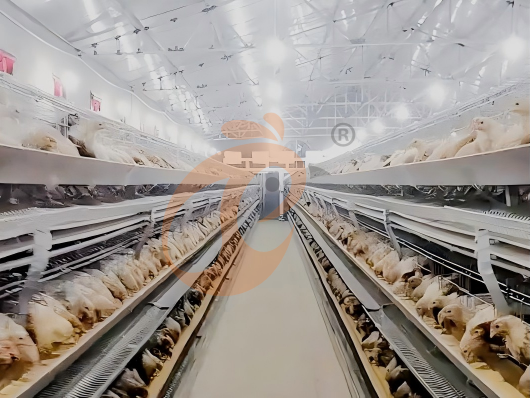
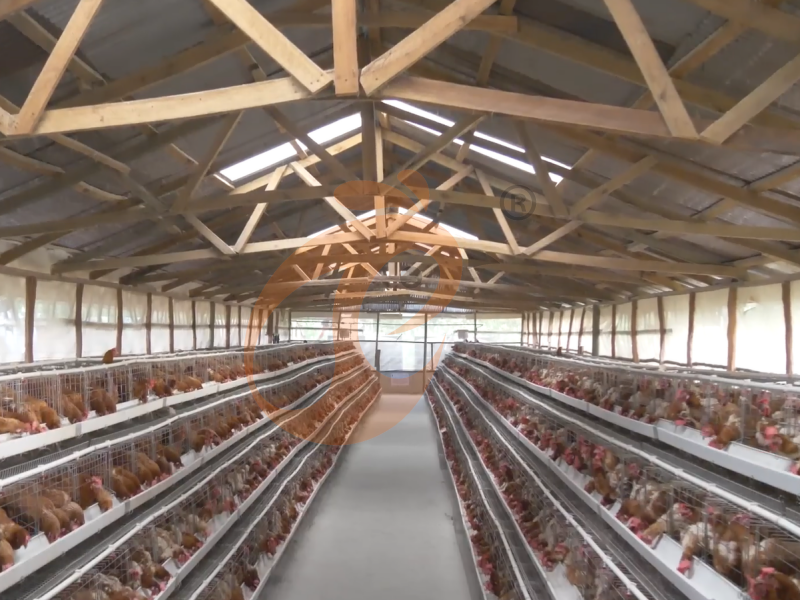
High-quality chicken cages provide long-term durability and reduce maintenance costs.
Get professional poultry farm construction guidance, equipment selection solutions, and the latest price lists, whatsApp to +8618830120193, click to learn more:

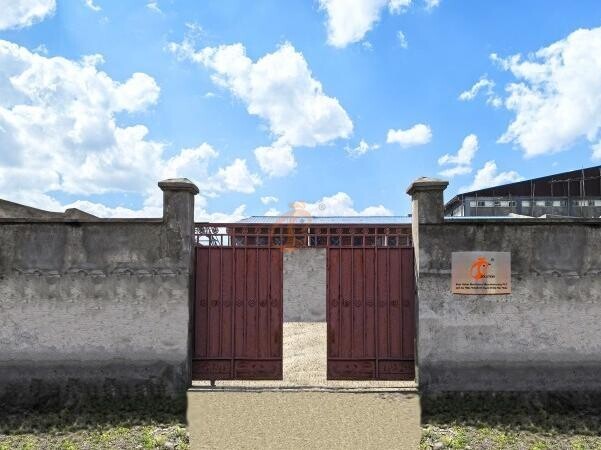
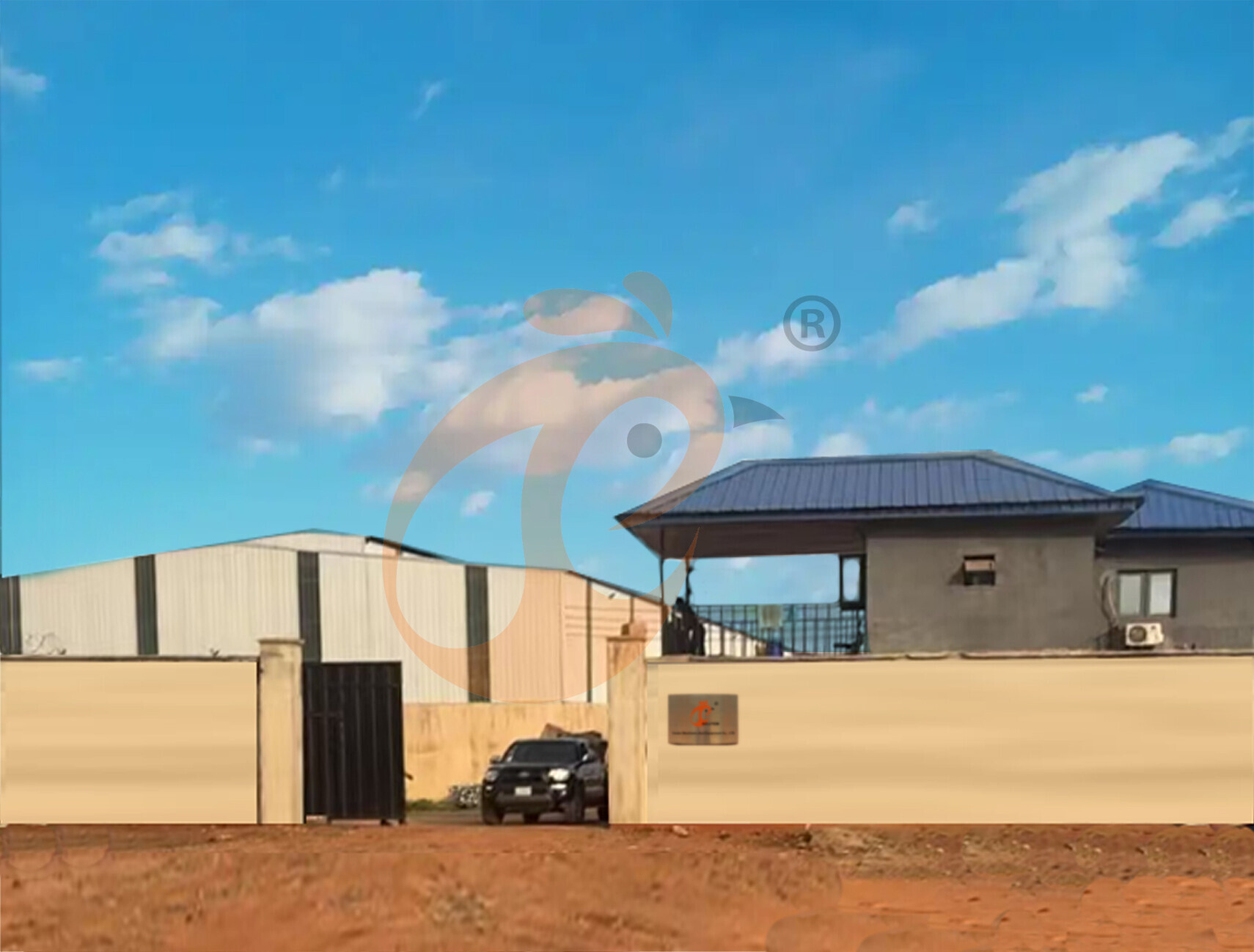
Ethiopia Branch Office And Factory Of Poultry Farm Equipment
Capital Expenditure (Capex) And Infrastructure Quality
The initial investment is the highest hurdle for any poultry entrepreneur in Oromia, Amhara, or Southern Ethiopia.
Cheap solutions often become expensive due to corrosion or short lifespan.
High humidity during Kiremt and dry conditions during Bega require robust structures.
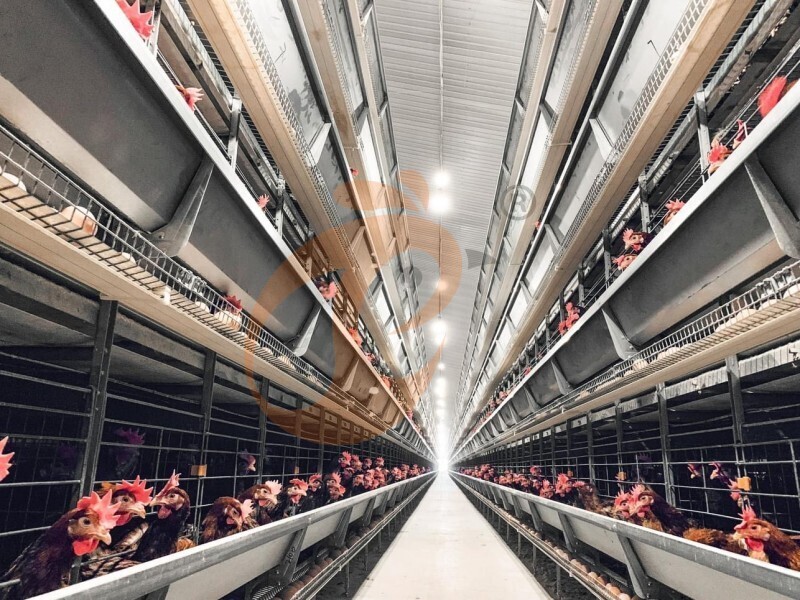
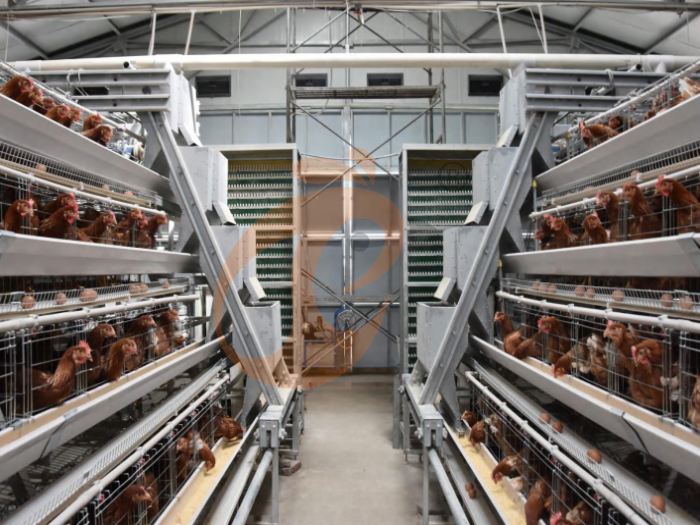
Investing in hot-dipped galvanized A-type chicken cages ensures a lifespan of 25+ years.
Data is for reference only.Swipe horizontally to view full table.
Durable cages reduce depreciation and shorten the payback period.
Using low-quality cages that rust within three years can invalidate returns.
Sourcing cages that resist manure corrosion is critical to achieving 24-month payback goals.
Feed Conversion Ratio (Fcr) And Ingredient Management
Feed represents 70–75% of total operating expenses in Ethiopia.
Chicken cage investment Ethiopia gains an advantage through reduced feed wastage.
Deep litter systems waste up to 15% of feed, while chicken cages reduce this near zero.
Optimizing FCR and local ingredient sourcing improves layer cage profitability.
Data is for reference only.Swipe horizontally to view full table.
Investors with small-scale feed mills can reduce feed costs by 15%.
Daily monitoring of intake (110–115 g per bird) shortens payback by 4–6 months.
Biological Performance And Egg Quality Standards
Hen-day production rate is a key driver for Ethiopian poultry farm return on investment.
Large eggs with strong shells and deep yellow yolks are preferred in the local market.
Chicken cages facilitate better hygiene and fewer broken or dirty eggs.
Maintaining peak production of modern hybrids like Lohmann Brown or Bovans Brown is essential.
Data is for reference only.Swipe horizontally to view full table.
Peak production weeks are the engine of return on investment.
Poor light management or disease can extend the payback period indefinitely.
Biosecurity, Labor, And Health Management
Disease and labor are hidden costs in Ethiopian poultry farms.
Chicken cages reduce contact with feces, lowering coccidiosis and medication bills.
Labor is affordable but often unskilled; cages streamline management.
One or two workers can efficiently manage 10,000 birds, reducing disease risk.
Data is for reference only.Swipe horizontally to view full table.
Closed-house mentality improves biosecurity.
Proper ventilation, disinfection, and staff management prevent major outbreaks.
Calculating Ethiopian Poultry Farm Return On Investment
Egg farm gate prices fluctuate between 9 Ethiopian Birr and 12 Ethiopian Birr depending on season.
Simple payback period formula: Payback Period = Total CAPEX / Annual Net Profit.
Data is for reference only.Swipe horizontally to view full table.
Annual net profit calculation: Revenue – OPEX = 14,898,487 Ethiopian Birr.
Simple payback period 0.6 years post-POL; total project 18–24 months.
European union standard reference only.
Data is for reference only.Swipe horizontally to view full table.
Navigating Local Pain Points And Solutions
Foreign Exchange And Import Logistics
High-quality cages are imported; Birr fluctuations affect total cost.
Solution: Use local assembly with imported galvanized wire to reduce FX risk.
Electricity Stability
Frequent power outages risk ventilation and feeder systems.
Solution: Diesel backup generator and curtain-side natural ventilation save flocks.
Seasonal Price Volatility
Orthodox fasting periods reduce demand temporarily.
Solution: Align peak production with festive seasons and plan flock cycles.
Maximizing Returns Through Strategic Management
To truly optimize chicken cage investment Ethiopia, focusing solely on equipment is insufficient. Investors must integrate data-driven management with operational discipline.
Monitor Daily Production: Track egg counts, feed intake, and mortality rates to identify inefficiencies early.
Adjust Flock Density: Proper spacing improves egg quality and reduces stress-related losses.
Seasonal Pricing Strategy: Align peak production with high-demand periods like Easter and Enkutatash to maximize revenue.
Preventive Health Measures: Vaccinations, disinfection schedules, and controlled access minimize outbreaks.
Key Insight
A well-managed farm that combines precise feed control, optimal cage layout, and proactive biosecurity can shorten the payback period by 4–6 months, turning the initial investment into sustainable profit faster.
This approach emphasizes efficiency, predictability, and resilience, giving Ethiopian investors a tangible roadmap to long-term success.
Frequently Asked Questions
Q1: Is chicken cage investment suitable for Ethiopian climate?
Yes.
Hot-dipped galvanized A-type cages resist corrosion during humid Kiremt and dry Bega seasons, ensuring long-term durability.
Q2: How can investors reduce feed costs in Ethiopia?
Integrating local feed mills or precision feeding reduces wastage by 15%, improving profitability and shortening payback periods.
Q3: What biosecurity measures should Ethiopian farms implement?
Closed-house systems, ventilation, manure management, and minimal staff contact prevent Newcastle disease and coccidiosis outbreaks.
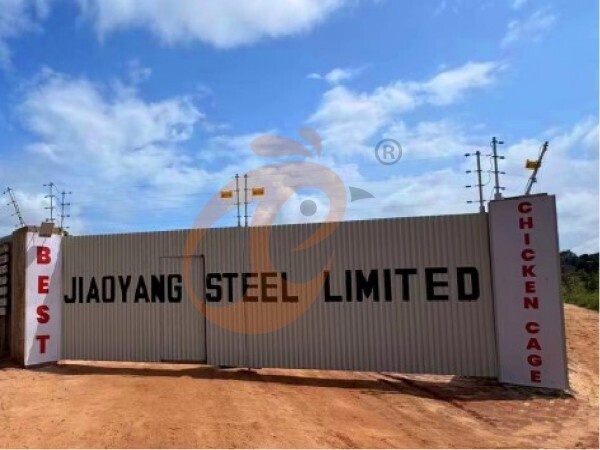
Ethiopia Best Hebei Machinery Manufacturing Plc - One Of Ethiopia Largest Chicken Cage Manufacturer
HB BEST provides global factory direct sales for high-quality poultry farm equipment.
Company specializes in chicken cage systems for small and large-scale farms worldwide.
Turn-key engineering solutions include design, installation, and full operational support.
HB BEST ensures durable materials for long-lasting performance in all climates.
Dedicated service teams provide on-site guidance, maintenance, and spare parts supply.
Contact Us To Received Your Customized Poultry Farm Plan
Headquarters And Branchs

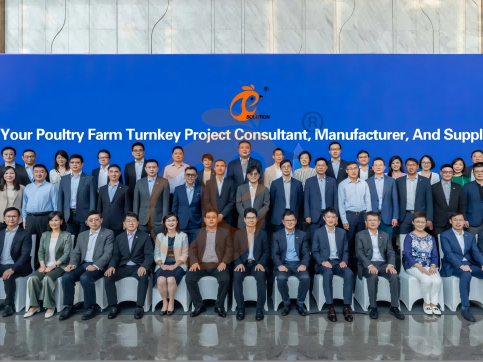
Hong Kong Headquarter Management Team
Hong Kong Headquarter Taiyu Industrial Group CO., LTD
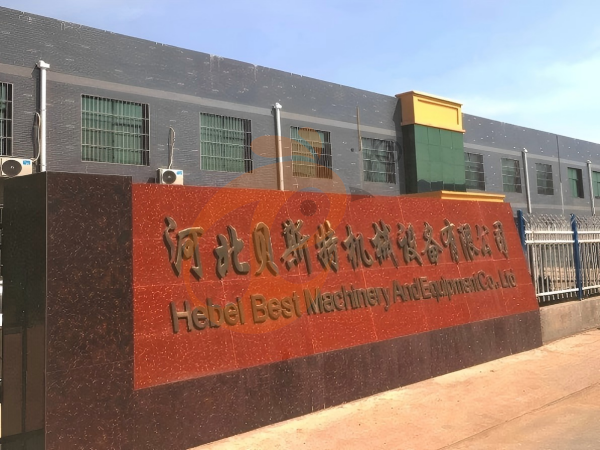
China Hebei Best Machinery And Equipment CO., LTD
Nigeria Vanke Machinery And Equipment CO., LTD
Tanzania Best Machinery And Equipment CO., LTD
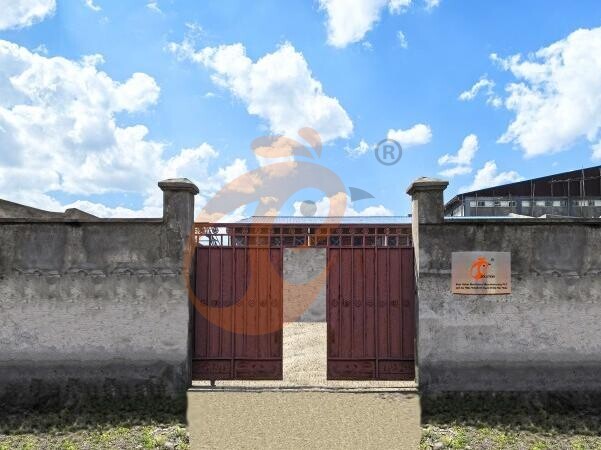
Ethiopia Best Hebei Machinery Manufacturing PLC
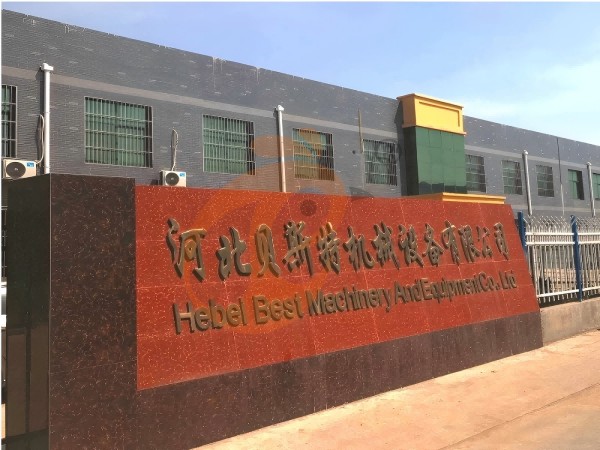
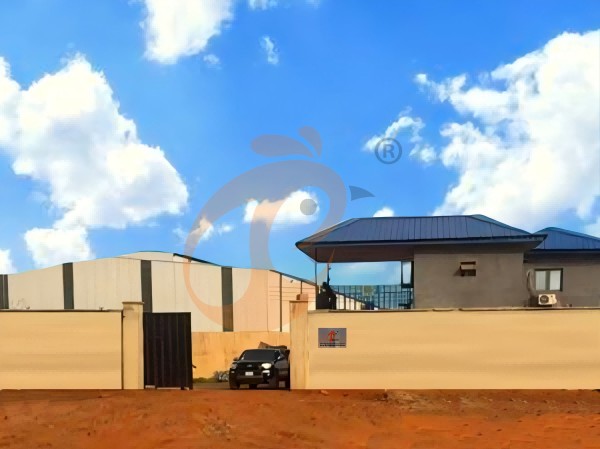
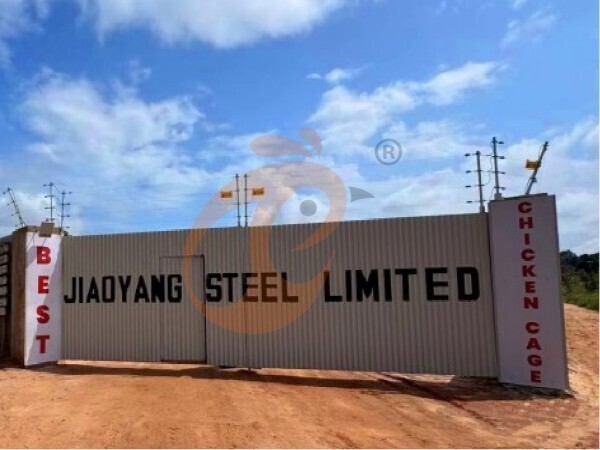
Reception /24 WhatsApp NO. : +8618830120193
FAQ
What Are The Top Professional Tips For Egg Collection Efficiency In Poultry Cage Farms?
Each belt can transport 4,000–6,000 eggs per hour, reducing manual handling.
Regularly clean conveyors; breakage rate can be maintained at 2–3%.
How To Reduce Labor Costs In Chicken Cage Farms With Automation?
Save ~70-90% labor per house while maintaining egg production at 90–98%.
Use monitoring systems to track flock health and production in real-time.
What Are The Ultimate Guidelines For Layer Cage Farm Hygiene And Biosecurity?
Regularly clean drinkers, egg belts, and cage surfaces.
Egg production: 90–98%, mortality: 2–3%.
Message
Products recommended
 HK Headquarter Offers EU-standard Poultry Farm Solutions, Manufacture Poultry Farm Equipment1. Continuous communication with the EU and the US
2. China, Nigeria, Ethiopia, Tanzania branch companies and factories
3. The products’ quality is customized for local poultry farms
4. Poultry cage and poultry farm equipment stock for sale
5. 24 online reception Whatsapp NO. : +8618830120193,contact us to get full informationRead More China Branch Offer Poultry Farm Business Plan, Manufacture Poultry Farm Equipment1. Address: Flat/RM 2416, 24/F, Runxing Building, Youyi Nan Street, Shijiazhuang City, Hebei Province, China
2. Poultry cage and poultry farm equipment factory and stock for sale
3. Customized for local poultry farms
4. Quality and design are based on Euro
5. 24 online reception Whatsapp NO. : +8618830120193Read More Nigeria Branch Offer Poultry Farm Business Plan, Manufacture Poultry Farm Equipment1. Address: After Sinoma Office, 200 Meters Near Danco Filling Station, Lagos/Ibadan Expressway, Lagos State, Nigeria
2. Poultry cage and poultry farm equipment factory and stock for sale
3. Customized for Nigerian poultry farms
4. Quality and design are based on Euro
5. 24 online reception Whatsapp NO. : +8618830120193Read More Ethiopia Branch Offer Poultry Farm Business Plan, Manufacture Poultry Farm Equipment1. Address: Gelan Gura, Akaki-kaliti Sub City, Addis Ababa, Ethiopia
2. Poultry cage and poultry farm equipment stock for sale
3. Customized for Ethiopian poultry farms
4. Quality and design are based on Euro
5. 24 online reception Whatsapp NO. : +8618830120193, contact us to get price listRead More Tanzania Branch Offer Poultry Farm Business Plan, Manufacture Poultry Farm Equipment1. Address: No.8, Sova Road, Msufini, Mlandizi, Kibaha, Pwani, Tanzania
2. Poultry cage and poultry farm equipment factory and stock for sale
3. Customized for Tanzanian poultry farms
4. Quality and design are based on Euro
5. 24 online reception Whatsapp NO. : +8618830120193Read More Fully Automatic H Type Layer Chicken Cage1. 30,000-100,000+ layers/house chooses it, Poultry farmers can achieve an egg production rate of 96-98%
2. A significant improvement over the 85-90% typically seen in manual systems
3. A typical poultry farm can expect a 30-40% reduction in labor costs due to the automation
4. Each feeding line efficiently supplies feed to around 100,000 hens per 30 mins
5. Reception /WhatsApp NO. : +8618830120193Read More Fully Automatic A Type Layer Chicken Cage1. 10,000-50,000 layers/house chooses it
2. Cleaner egg collection reduces breakage by 0.5%
3. Improved hygiene helps reduce mortality rate to <3%
4. 1–2 technicians can handle 15,000–30,000 birds
5. Reception /WhatsApp NO. : +8618830120193Read More Semi Automatic H Type Layer Chicken Cage1. 1,00-20,000 layers/house chooses it
2. Nipple drinkers flow 30–60 ML / min
3. Hot-dip galvanized (typical coating ≥ 275 g/m²)
4. Reduce ammonia by ~ 35–40%
5. Reception /WhatsApp NO. : +8618830120193Read More Semi Automatic A Type Layer Chicken Cage1. 1,00-20,000 layers/house chooses it, no rust for 10 years, no deformation for 15 years
2. Chickens live comfortably, you can raise them with peace of mind
3. Save water, save money—efficiency you can measure
4. Improve environment quality, and increase egg production rate
5. Reception /WhatsApp NO. : +8618830120193Read More
By clicking 'Allow All', you agree to the storage of cookies on your device to enhance site navigation, analyze site usage and assist with our marketing efforts.