






Blog
- Deep litter system combines controlled bedding, feeding, drinking, and climate management into one commercial broiler production framework, supporting organized operation across houses from 5,000 to 60,000 birds with equipment planning matched to actual production requirements
Proper house preparation, brooding control, and litter preparation establish a stable foundation, while poultry house equipment improves installation consistency through coordinated feeding, drinking, ventilation, heating, and environmental control systems
Automatic feeding system and closed drinking equipment reduce repetitive labor while supporting consistent resource distribution, with daily management strengthened through sensor-based monitoring, scheduled inspections, and documented production data
Ventilation, cooling, humidity management, and litter maintenance work as connected processes, helping commercial farms address heat accumulation, moisture generation, gas concentration, and equipment response during changing production stages
- Professional equipment engineering completes the process through customized layouts, integrated controls, commissioning, spare-parts planning, and turn-key project support, creating a scalable production platform for modern broiler operations
Get professional poultry farm construction guidance, equipment selection solutions, and the latest price lists, whatsApp to +8618830120193, +2348111199996, or click to learn more.
Why Choose A Deep Litter Broiler System?
A commercial deep litter system should be designed as a complete production system rather than simply a floor covered with bedding.
A concrete floor, for example, simplifies washing and biosecurity, while a house width of around 12–15 m can support practical equipment layout and airflow planning.
A planned poultry house equipment package also allows installation routes, maintenance positions, and service access to be considered before construction begins.
Prepare The House Before Chicks Arrive
Preparation should begin before placement, not when the chicks enter the building.
Clean the floor, disinfect equipment, inspect water lines, and spread fresh litter uniformly.
A preheating period of approximately 24–48 hours gives the floor and internal structure time to reach the programmed brooding condition.
A properly prepared deep litter system also reduces commissioning risks because feeding and drinking components can be tested before live birds enter the house.
This is also the best time to test the complete equipment package.
A commercial controller can coordinate temperature sensors, heaters, fans and alarms, while a 230/400 v three-phase power system can be configured according to local electrical requirements.
An integrated poultry house equipment project should complete electrical inspection, mechanical inspection, and emergency-stop testing before stocking.
Establish The Brooding Environment
The first week deserves precise environmental management.
A day-old broiler commonly requires an air temperature around 30°c at bird height, with the target gradually reduced toward 20°c by approximately day 27.
A properly configured deep litter system should also maintain a consistent transition between brooding and growing stages without disrupting bird behavior.
Instead of adjusting heaters manually several times a day, an integrated environmental controller can receive sensor readings every few seconds and activate heating equipment according to programmed settings.
Such poultry house equipment integration creates a repeatable operating process across different production cycles.
Build An Efficient Feeding And Drinking System
Feed and water should reach birds with minimal walking distance and minimal waste.
A properly engineered automatic feeding system can distribute feed throughout the house while a closed nipple drinking system keeps exposed water surfaces away from the litter.
The commercial advantage becomes more obvious as flock size increases.
For example, a 100 m feed line can serve an entire production zone while reducing the repeated manual movement required for bagged-feed distribution.
The exact configuration should be calculated from bird number, house dimensions and equipment specifications.
A nipple drinking system is especially useful in a deep litter system because water leakage directly affects bedding condition.
Commercial guidance commonly recommends adjusting nipple height as birds grow and maintaining appropriate access to drinking points.
A correctly engineered automatic feeding system should also include inspection access for motors, augers, hoppers, and feed pans during routine service.
Engineer Ventilation Around Actual Airflow
Ventilation should be calculated from bird age and live weight rather than simply installing the maximum number of fans.
Published broiler guidance provides age-based minimum ventilation values, increasing from 0.094 cfm/bird during days 1–7 to 0.89 cfm/bird during days 50–56.
For a commercial deep litter system, ventilation design should also account for building orientation and seasonal weather conditions.
For a 20,000-bird house, for instance, the ventilation controller should be capable of staging multiple fans instead of switching every fan on simultaneously.
This allows poultry house equipment to match airflow demand with flock development while maintaining more stable operating conditions.
Keep The Deep Litter Dry
Wet litter is often connected with drinker management, ventilation, stocking density and insufficient moisture removal.
Therefore, deep litter system management should be treated as an equipment-management issue as well as a daily husbandry task.
Walk through the house every day and inspect areas beneath drinking lines, around feed equipment and near walls.
If a wet patch repeatedly appears in the same location, investigate the nipple, pressure regulator or pipeline instead of simply adding fresh bedding.
A closed nipple system helps reduce exposed water, but installation quality remains critical.
Correct regulator settings, leak inspection and scheduled line flushing should be incorporated into the operating routine.
For poultry house equipment, service procedures should also document inspection frequency, replacement intervals, and cleaning responsibilities for each water-system component.
Monitor Birds And Let Equipment Respond
Daily observation remains essential even in an automated house.
Bird distribution, drinking behavior, feed activity and litter appearance can reveal problems before production data shows a significant change.
Modern deep litter system control can connect environmental information with routine farm decisions instead of relying only on manual observation.
Environmental controllers can connect temperature, humidity, gas and consumption sensors to a central interface.
For example, water consumption can be recorded at 15-minute intervals, allowing the farm team to compare actual usage against previous production days.
Match Equipment Capacity To House Scale
The correct equipment quantity depends on the final house dimensions and target market weight rather than bird count alone.
Feed access, water access and ventilation capacity must be increased when the production load increases.
For a deep litter system, engineering calculations should also consider building expansion, future equipment replacement, and available maintenance space.
For an equipment company, customized engineering creates value supplier can calculate feeder lines, drinker lines, fan capacity, cooling sections, controller inputs and electrical requirements as one integrated project.
Reduce Labor Through Automation
Automation is most valuable when it removes repetitive work without removing management control.
Automatic feeding can replace multiple manual feeding rounds, while centralized climate control allows operators to supervise several environmental functions from one panel.
For example, a controller with 16 relay outputs can operate fans, heaters, cooling pumps, alarms and other equipment according to programmed conditions.
Remote monitoring through a network gateway can further reduce the need for continuous physical inspection of every equipment room.
A commercial automatic feeding system can therefore become one part of a wider labor-efficiency strategy rather than an isolated machine.
Select A Supplier For The Complete System
A poultry equipment supplier should provide more than separate feeders and fans.
The stronger approach is to supply a coordinated system covering feeding, drinking, ventilation, cooling, heating, lighting and environmental control.
For a deep litter system project, engineering calculations, equipment compatibility, installation instructions, and commissioning procedures should be prepared before shipment.
This integrated model is particularly valuable for overseas projects because engineering calculations, equipment compatibility and installation instructions can be prepared before shipment.
Build The Deep Litter System For Long-Term Production
A successful deep litter system combines management discipline with equipment engineering.
The six practical steps are straightforward prepare the house, establish brooding conditions, automate feed and water, engineer ventilation, protect litter quality, and monitor the flock.
The commercial objective is not simply to install more machines.
The objective is to create a coordinated poultry house equipment system in which each component supports the next.
With correctly sized feeding equipment, closed drinking lines, engineered ventilation and centralized environmental control, a deep litter house can become a scalable production platform rather than a labor-intensive building.
For new construction or farm upgrading, working with a poultry equipment manufacturer from the design stage allows the complete system to be calculated around house dimensions, flock capacity, climate and production targets.
This approach helps ensure that the equipment installed today can support the farm's next production cycle and future expansion.
Frequently Asked Questions
Q1: What equipment is essential for a deep litter broiler house?
A1: Essential equipment normally includes automatic feeding, nipple drinking, ventilation, cooling, heating, lighting, and environmental control systems.
A commercial house may use several independently controlled equipment zones to coordinate different production stages.
Q2: How does an automatic feeding system support deep litter management?
A2: An automatic feeding system distributes feed through dedicated lines and reduces repeated manual handling.
Proper feeder positioning also helps keep feed away from wet areas, while routine inspection should be scheduled throughout the production cycle.
Q3: Why is integrated poultry house equipment better than individual machines?
A3: Integrated poultry house equipment allows feeding, drinking, ventilation, heating, and cooling systems to operate according to shared environmental data.
Such coordination can simplify operation and provide a more consistent response when flock conditions change.
Taiyu (HK) Group - One Of China Toppest Deep Litter System Manufacturer
Deep litter system integrates feeding, drinking, ventilation, cooling, heating, lighting, and environmental control into a coordinated broiler production equipment architecture
Global factory direct sales provides direct engineering coordination, manufacturing control, equipment customization, inspection, packaging, and international project delivery for commercial poultry farms
Poultry equipment covers automatic feeding systems, nipple drinking systems, tunnel ventilation, cooling pads, heaters, controllers, sensors, and related house components
Turn-key engineering connects house planning, equipment selection, layout design, manufacturing, installation guidance, commissioning, operator training, and after-sales technical support
Project configuration can be engineered for new farms, expansion projects, equipment replacement, and multi-house production programs according to capacity, climate, building dimensions, and operating requirements
Contact Us To Received Your Customized Poultry Farm Plan
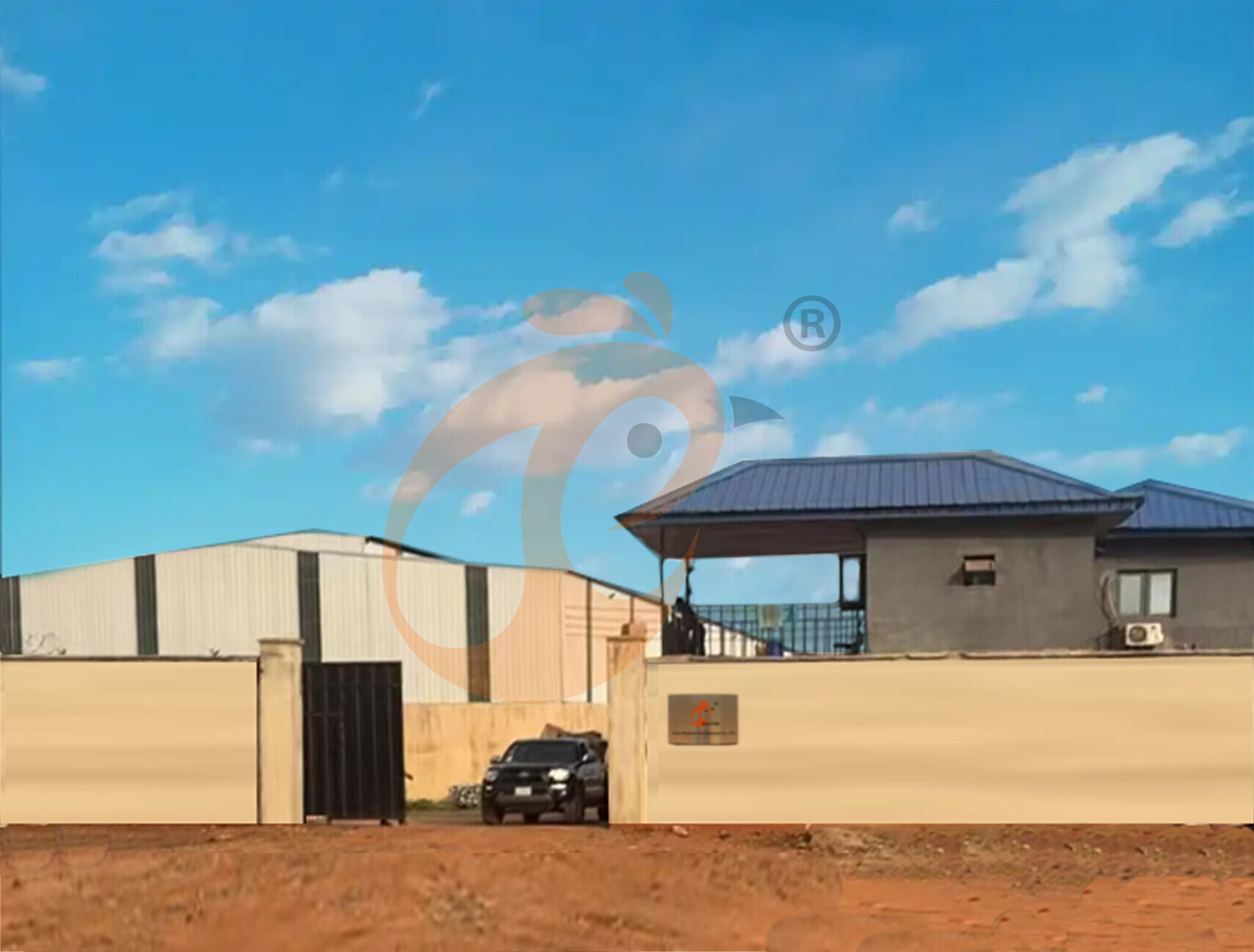
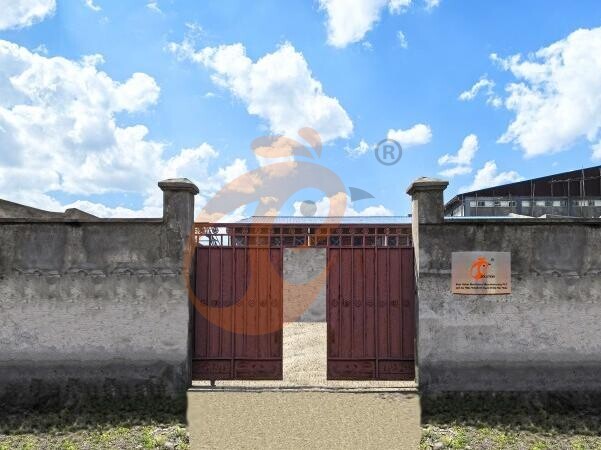
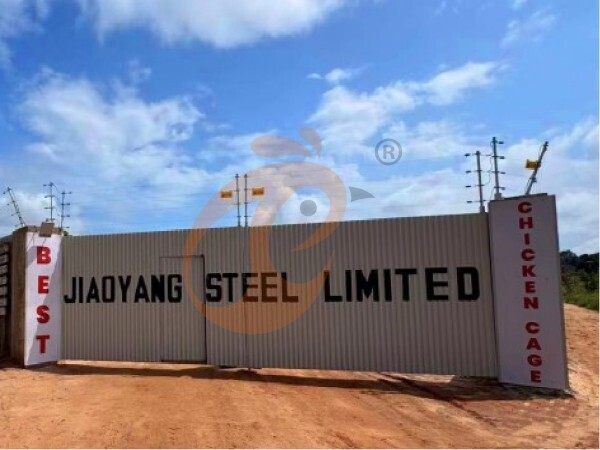
Headquarters And Branchs

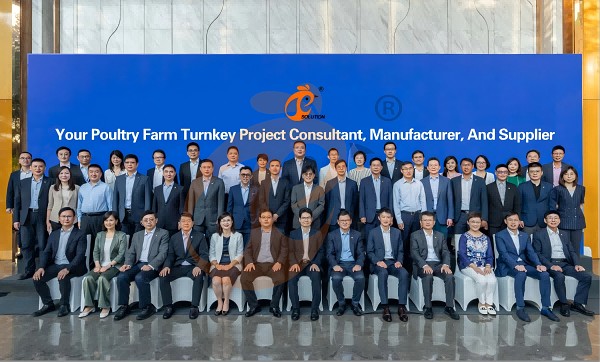
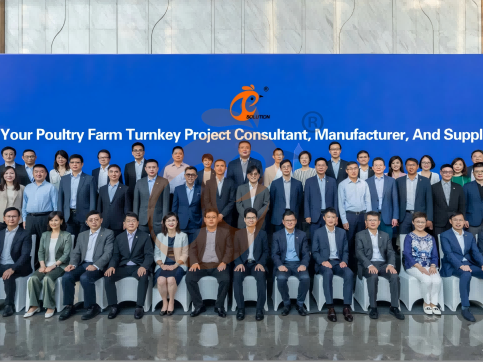
Hong Kong Headquarter Management Team
Hong Kong Headquarter Taiyu Industrial Group CO., LTD
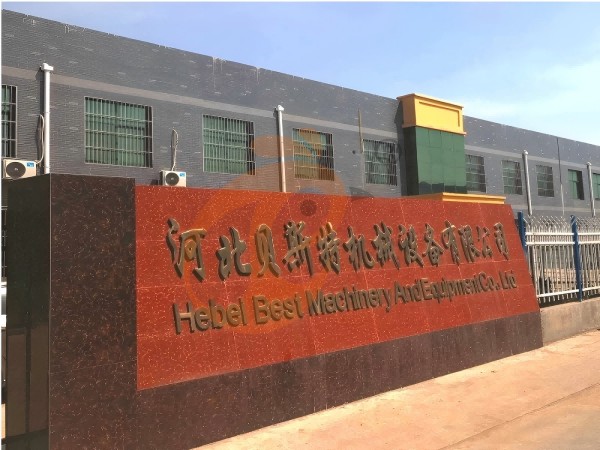
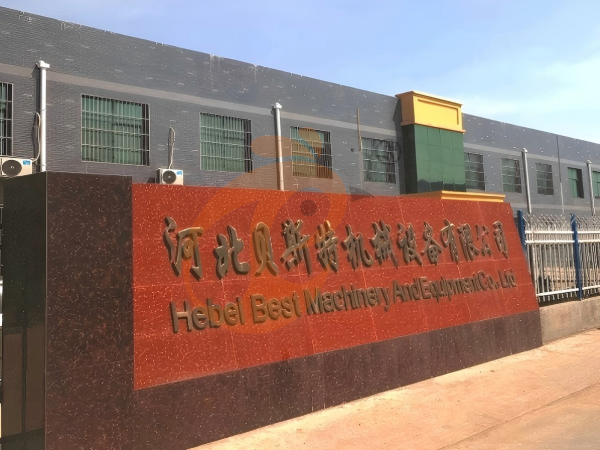
China Hebei Best Machinery And Equipment CO., LTD
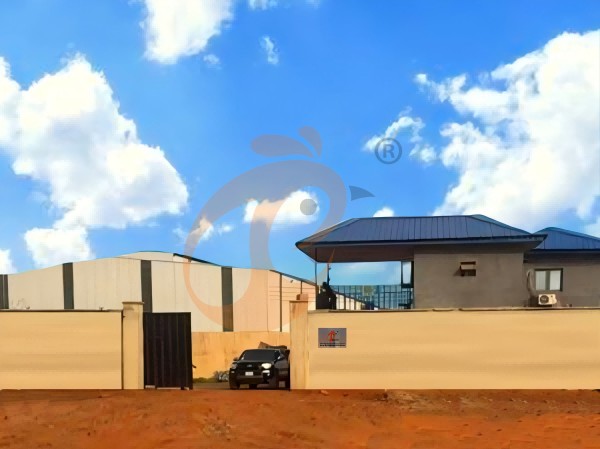
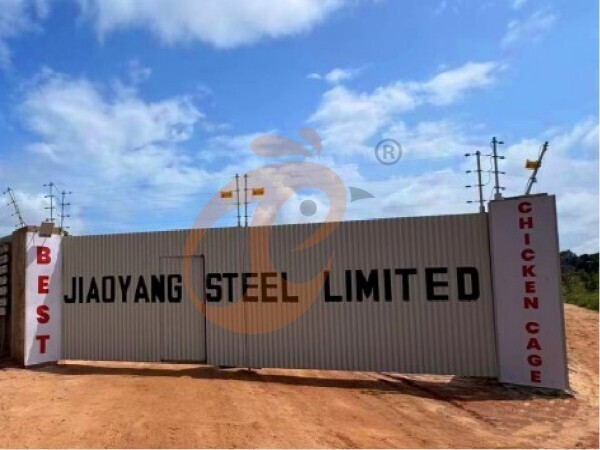
Nigeria Vanke Machinery And Equipment CO., LTD
Tanzania Best Machinery And Equipment CO., LTD
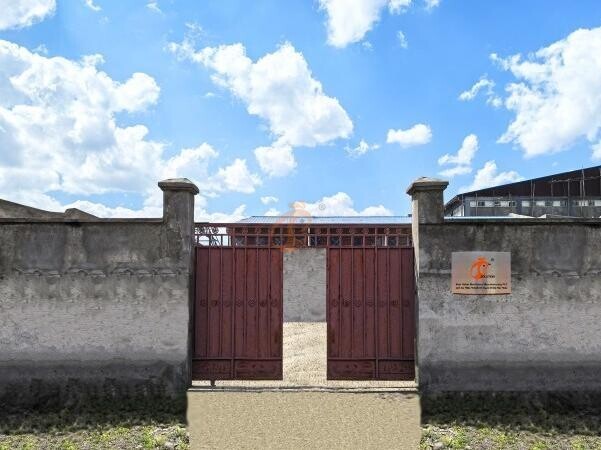
Ethiopia Best Hebei Machinery Manufacturing PLC
Reception /24 WhatsApp NO. : +8618830120193
FAQ
What Are The Growth Performance Benefits In Deep Litter Poultry System?
Feed conversion ratio improves to 1.55–1.78 due to thermal comfort and reduced stress.
Market uniformity rate exceeds 85%–92% within target slaughter weight range.
What Are The Litter Turning And Management Frequency Standards In Deep Litter Poultry System?
Surface leveling is maintained every 3–5 days to prevent compaction zones.
Full litter replacement cycle occurs every 2–3 production batches depending on load intensity.
What Are The Energy Efficiency And Cost Advantages In Deep Litter Poultry System?
Construction cost savings reach 25%–40% compared with fully caged housing systems.
Operational labor demand decreases by 30%–50% through simplified floor-based management.
- poultry equipment
- poultry farm
- feeding equipment
- poultry farm
- poultry farm construction
- poultry equipment manufacturer
- poultry equipment supplier
- automatic feeding system
- deep litter system
- poultry house
- poultry house equipment
- deep litter system manufacturer
- poultry house equipment supplier
- Ethiopia
- Nigeria
Message
Products recommended
 HK Headquarter Offers EU-standard Poultry Farm Solutions, Manufacture Poultry Farm Equipment1. Continuous communication with the EU and the US
2. China, Nigeria, Ethiopia, Tanzania branch companies and factories
3. The products’ quality is customized for local poultry farms
4. Poultry cage and poultry farm equipment stock for sale
5. 24 online reception Whatsapp NO. : +8618830120193,contact us to get full informationRead More China Branch Offer Poultry Farm Business Plan, Manufacture Poultry Farm Equipment1. Address: Flat/RM 2416, 24/F, Runxing Building, Youyi Nan Street, Shijiazhuang City, Hebei Province, China
2. Poultry cage and poultry farm equipment factory and stock for sale
3. Customized for local poultry farms
4. Quality and design are based on Euro
5. 24 online reception Whatsapp NO. : +8618830120193Read More Nigeria Branch Offer Poultry Farm Business Plan, Manufacture Poultry Farm Equipment1. Address: After Sinoma Office, 200 Meters Near Danco Filling Station, Lagos/Ibadan Expressway, Lagos State, Nigeria
2. Poultry cage and poultry farm equipment factory and stock for sale
3. Customized for Nigerian poultry farms
4. Quality and design are based on Euro
5. 24 online reception Whatsapp NO. : +8618830120193Read More Ethiopia Branch Offer Poultry Farm Business Plan, Manufacture Poultry Farm Equipment1. Address: Gelan Gura, Akaki-kaliti Sub City, Addis Ababa, Ethiopia
2. Poultry cage and poultry farm equipment stock for sale
3. Customized for Ethiopian poultry farms
4. Quality and design are based on Euro
5. 24 online reception Whatsapp NO. : +8618830120193, contact us to get price listRead More Tanzania Branch Offer Poultry Farm Business Plan, Manufacture Poultry Farm Equipment1. Address: No.8, Sova Road, Msufini, Mlandizi, Kibaha, Pwani, Tanzania
2. Poultry cage and poultry farm equipment factory and stock for sale
3. Customized for Tanzanian poultry farms
4. Quality and design are based on Euro
5. 24 online reception Whatsapp NO. : +8618830120193Read More Fully Automatic H Type Layer Chicken Cage1. 30,000-100,000+ layers/house chooses it, Poultry farmers can achieve an egg production rate of 96-98%
2. A significant improvement over the 85-90% typically seen in manual systems
3. A typical poultry farm can expect a 30-40% reduction in labor costs due to the automation
4. Each feeding line efficiently supplies feed to around 100,000 hens per 30 mins
5. Reception /WhatsApp NO. : +8618830120193Read More Fully Automatic A Type Layer Chicken Cage1. 10,000-50,000 layers/house chooses it
2. Cleaner egg collection reduces breakage by 0.5%
3. Improved hygiene helps reduce mortality rate to <3%
4. 1–2 technicians can handle 15,000–30,000 birds
5. Reception /WhatsApp NO. : +8618830120193Read More Semi Automatic H Type Layer Chicken Cage1. 1,00-20,000 layers/house chooses it
2. Nipple drinkers flow 30–60 ML / min
3. Hot-dip galvanized (typical coating ≥ 275 g/m²)
4. Reduce ammonia by ~ 35–40%
5. Reception /WhatsApp NO. : +8618830120193Read More Semi Automatic A Type Layer Chicken Cage1. 1,00-20,000 layers/house chooses it, no rust for 10 years, no deformation for 15 years
2. Chickens live comfortably, you can raise them with peace of mind
3. Save water, save money—efficiency you can measure
4. Improve environment quality, and increase egg production rate
5. Reception /WhatsApp NO. : +8618830120193Read More
By clicking 'Allow All', you agree to the storage of cookies on your device to enhance site navigation, analyze site usage and assist with our marketing efforts.