






Blog
Free range broiler farming combines outdoor movement with controlled housing, efficient feeding, precise ventilation, and practical equipment integration for commercial production.
Broiler house equipment supports stable daily operations through automated feeding, drinking, cooling, ventilation, environmental control, and maintenance-friendly layouts.
Outdoor range planning requires secure boundaries, controlled access, drainage, shade, rotation, and equipment coordination across multiple production zones.
Professional equipment selection connects bird welfare with labor efficiency, technical reliability, expansion capacity, service support, and measurable operating standards.
- A complete automatic poultry feeding system plus climate and water equipment creates an integrated production platform for scalable free-range broiler projects.
Get professional poultry farm construction guidance, equipment selection solutions, and the latest price lists, whatsApp to +8618830120193, +2348111199996, or click to learn more.
Start With A Free-Range System, Not Just An Outdoor Area
Free-range broiler farming works best when outdoor access and controlled indoor production are designed as one system.
The house remains the operational center for feeding, drinking, climate management, and flock observation, while the range gives birds additional space for movement and natural behavior.
A practical starting point is to plan the house around 30–50 cm eave clearance above the bird-access zone and provide at least two independent access routes between housing and range.
The commercial opportunity is in connecting these two environments efficiently.
Automatic feeding lines, nipple drinking systems, tunnel ventilation, cooling equipment, and environmental controllers allow farmers to maintain professional production standards without turning free-range management into a fully manual operation.
Match House Capacity With Equipment Capacity
Data is for reference only.Swipe horizontally to view full table.
Automatic feeding equipment should be selected according to the flock size rather than simply the house dimensions.
Commercial references commonly use 45–80 birds per pan, while nipple allocation changes with bird weight.
A properly matched broiler house equipment package can coordinate feed delivery and bird access across house lengths exceeding 80 m, reducing unnecessary manual intervention.
Build The Range Like A Production Asset
Think of the outdoor range as another production zone, not empty land behind the poultry house.
Divide the area into manageable sections so farmers can control bird movement, ground condition, and maintenance.
A practical 14-day rotation schedule can be incorporated into farm planning, while perimeter fencing can be positioned approximately 1.8 m high where predator protection requires stronger physical control.
The house equipment should support the layout through wide doors, durable fencing connections, protected water points, and simple cleaning access.
The objective is not maximum outdoor distance; the objective is efficient bird movement with minimum management complexity.
Install Feeding Equipment That Reduces Daily Labor
Data is for reference only.Swipe horizontally to view full table.
The value of an automatic poultry feeding system is measurable through labor organization.
Instead of distributing feed manually several times each day, the system transfers feed from storage through the auger and maintains availability at the pans.
A properly engineered feeding line can serve a commercial house while maintaining equipment adjustment ranges of 30 cm or more during flock growth.
Treat Water Delivery As A Precision System
A broiler can tolerate neither unreliable water delivery nor poorly maintained drinkers.
Build the water system around filtration, pressure regulation, pipeline flushing, and inspection points.
A useful engineering detail is to install the main water header with a minimum 25 mm internal diameter, while keeping separate pressure zones when house length makes pressure consistency difficult.
For equipment manufacturers, water-system quality becomes a measurable selling point.
Stainless-steel nipples, durable pvc/pe pipelines, pressure regulators, filters, and automatic flushing components create a complete broiler house equipment solution rather than a collection of individual parts.
Engineer Ventilation Around Measurable Air Movement
Data is for reference only.Swipe horizontally to view full table.
Ventilation must be designed with the complete house geometry in mind.
Official broiler guidance specifies monitoring of airflow, air speed, temperature, ammonia, and carbon dioxide; tunnel systems may use air speeds of at least 2 m/s.
For a poultry equipment company, selling fans alone is not enough.
A complete package should combine exhaust fans, air inlets, cooling pads, sensors, controllers, alarms, and backup power so every component supports the same environmental strategy.
Use Climate Automation As The Control Center
Imagine two farms during a hot afternoon.
Farm A relies on workers to inspect temperature and manually switch equipment.
Farm B uses sensors connected to an environmental controller.
The second farm can respond automatically when conditions change, reducing reaction time and improving consistency.
A modern controller can manage 8–32 independent sensor inputs and store historical readings for farm analysis.
When combined with alarms and backup systems, environmental control transforms equipment from isolated machines into an integrated management platform.
Such integration is particularly valuable for free-range broiler farming because outdoor weather can change indoor conditions within 15 minutes.
Design Equipment Around Bird Access
Data is for reference only.Swipe horizontally to view full table.
Layout decisions influence both bird movement and maintenance efficiency.
The equipment manufacturer should therefore review the complete house drawing before installation instead of supplying equipment based only on a product list.
A service corridor measuring 1.4 m can provide practical access for inspection, while equipment zones should maintain approximately 0.8 m of working clearance.
Make Equipment Selection A Long-Term Calculation
The purchase price is only the first number.
Consider the total operating equation
Equipment value = labor saved + management consistency + service life + expansion capability.
A system designed for 10-year structural service and modular replacement can be more practical than equipment requiring complete replacement after a shorter operating period.
Spare-part availability within 72 hours can also make a major difference when a commercial flock is operating continuously.
This is why professional poultry equipment suppliers should provide engineering drawings, installation guidance, spare parts, technical support, and system commissioning not simply cartons of components.
Protect The House With Reliable Control Systems
Data is for reference only.Swipe horizontally to view full table.
A reliable environmental controller should monitor more than temperature.
Humidity, ventilation status, equipment faults, and emergency power should also be incorporated into the management architecture.
Backup systems are particularly important where bird welfare depends on mechanical ventilation.
For broiler house equipment projects, centralized control also provides a practical foundation for remote monitoring and future automation upgrades.
Combine Indoor Management With Outdoor Freedom
Data is for reference only.Swipe horizontally to view full table.
Free-range regulations vary by market, so outdoor specifications should always be matched with the destination country’s requirements.
For example, U.S. organic broiler rules specify outdoor access and require at least 75% of outdoor space to be soil.
A well-planned automatic poultry feeding system keeps core feeding operations inside controlled housing while outdoor access remains available for flock movement.
Choose A Complete Poultry Equipment Partner
Data is for reference only.Swipe horizontally to view full table.
A profitable free-range broiler operation depends on the interaction between birds, housing, equipment, and management.
The best project therefore starts with engineering rather than individual product selection.
For farms planning a new house or upgrading an existing facility, a professional poultry equipment manufacturer can integrate feeding, drinking, ventilation, cooling, automation, and free-range access into one customized solution.
The result is a system designed not merely to house broilers, but to make commercial production easier to control, expand, and maintain.
Frequently Asked Questions
Q1: How much equipment automation is suitable for free-range broiler farming?
A1: A commercial system can automate feeding, drinking, ventilation, cooling, and alarms, with environmental controllers supporting 8–32 sensor inputs for coordinated management.
Q2: What equipment should be prioritized when building a broiler house?
A2: Feeding, drinking, ventilation, cooling, and environmental control should be planned together because equipment performance depends on house dimensions, flock capacity, and local climate.
Q3: Can existing poultry houses be upgraded for free-range production?
A3: Yes, existing buildings can often be upgraded by adding automatic feeding lines, nipple drinking systems, mechanical ventilation, cooling equipment, and controlled outdoor access after structural assessment.
Taiyu (HK) Group - One Of China Toppest Broiler House Equipment Manufacturer
Broiler house equipment integrates automatic feeding, nipple drinking, ventilation, cooling, and environmental control into engineered commercial poultry production systems.
Global factory-direct supply covers standardized poultry equipment, customized layouts, component manufacturing, quality inspection, and international project coordination.
Turn-key engineering connects house planning, equipment configuration, installation guidance, commissioning, and technical documentation for complete poultry projects.
Poultry equipment solutions are configured around flock capacity, house dimensions, regional climate, operating targets, maintenance access, and future expansion requirements.
Factory engineering teams support project scenarios from individual broiler houses to multi-house commercial farms with integrated equipment specifications.
Contact Us To Received Your Customized Poultry Farm Plan
Headquarters And Branchs
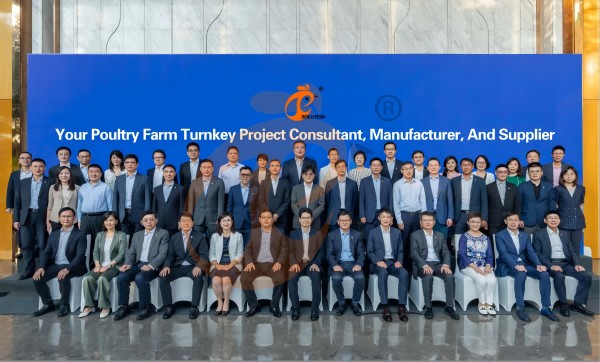
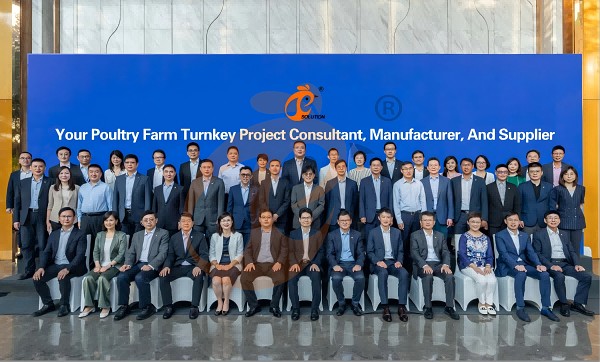
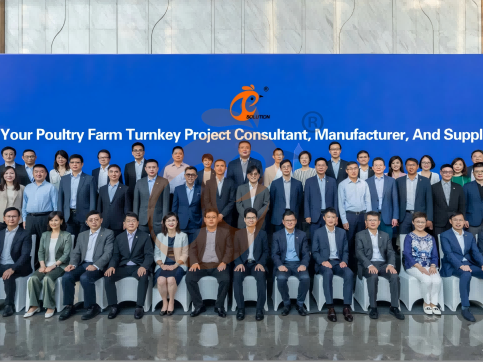
Hong Kong Headquarter Management Team
Hong Kong Headquarter Taiyu Industrial Group CO., LTD
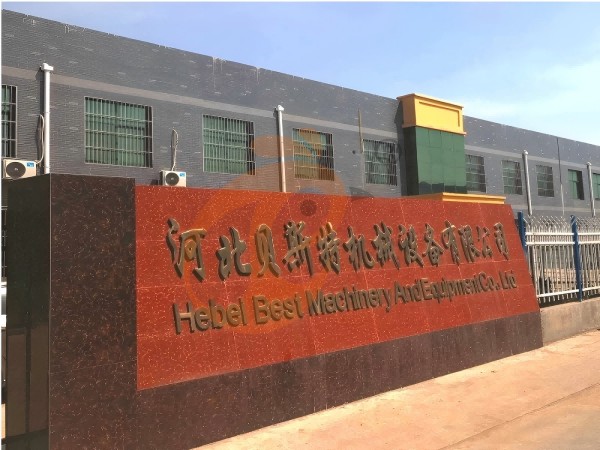
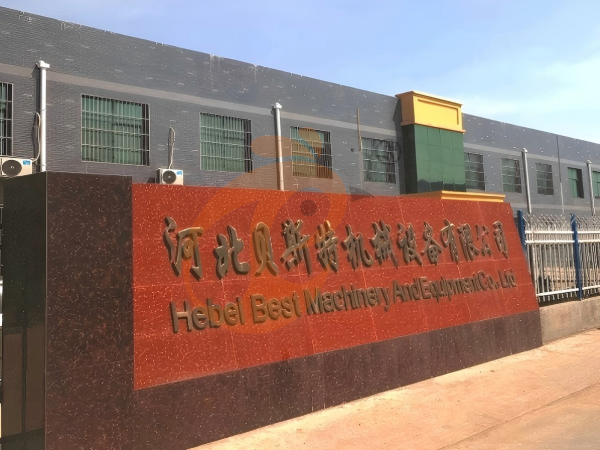
China Hebei Best Machinery And Equipment CO., LTD
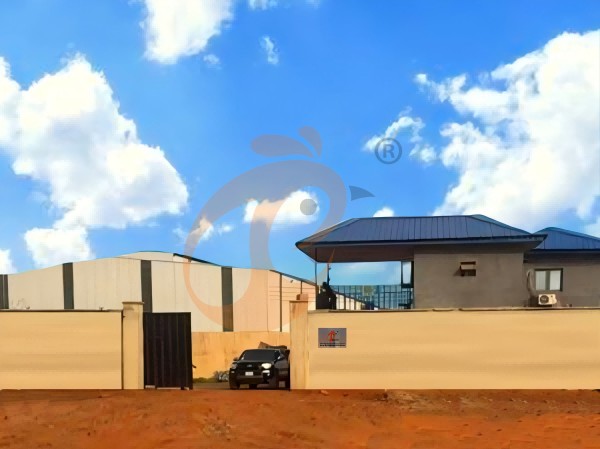
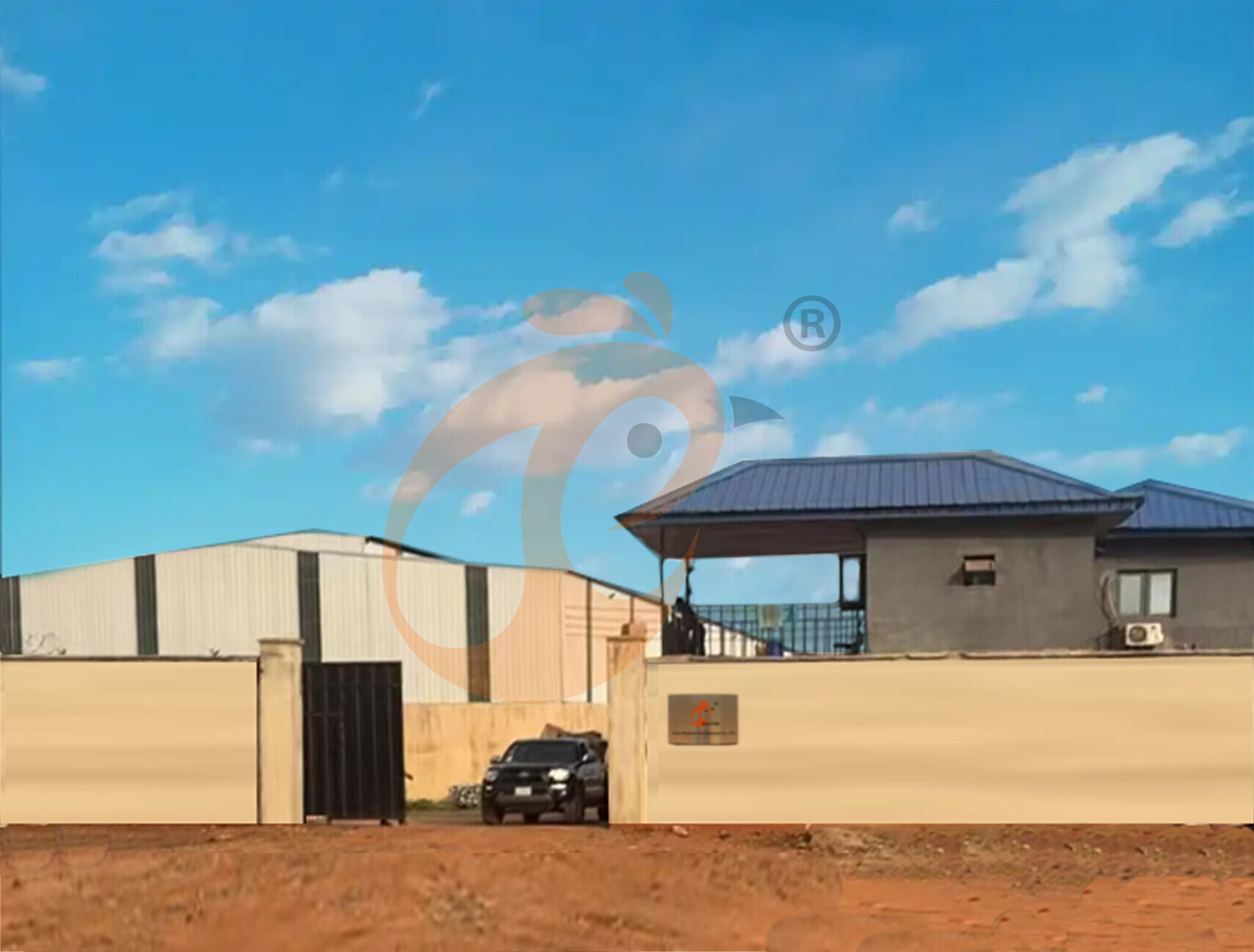
Nigeria Vanke Machinery And Equipment CO., LTD
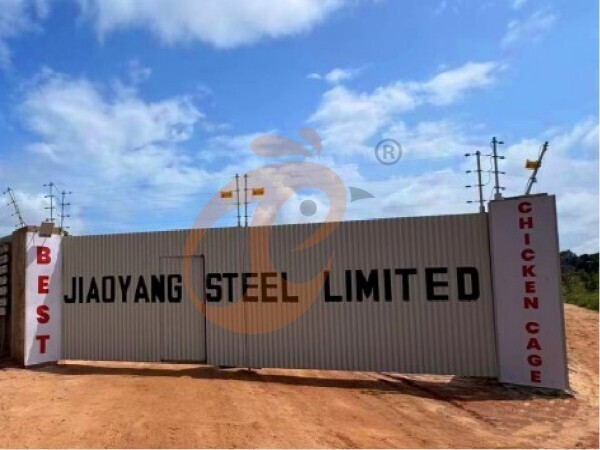
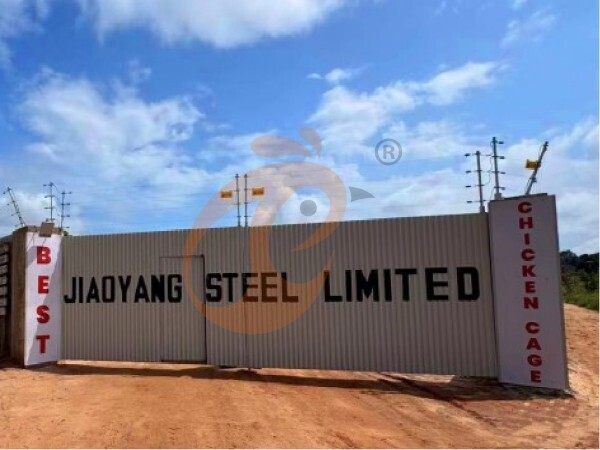
Tanzania Best Machinery And Equipment CO., LTD
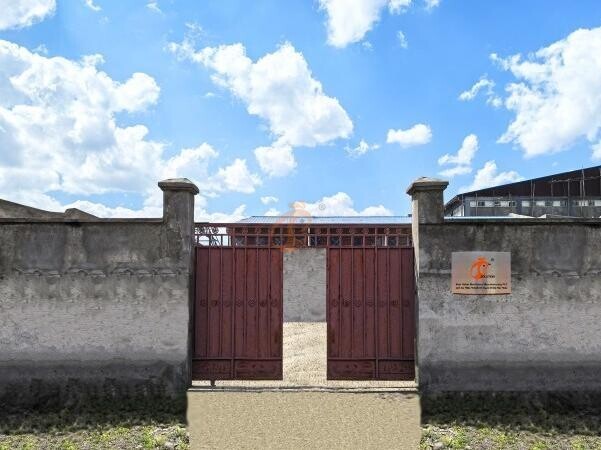
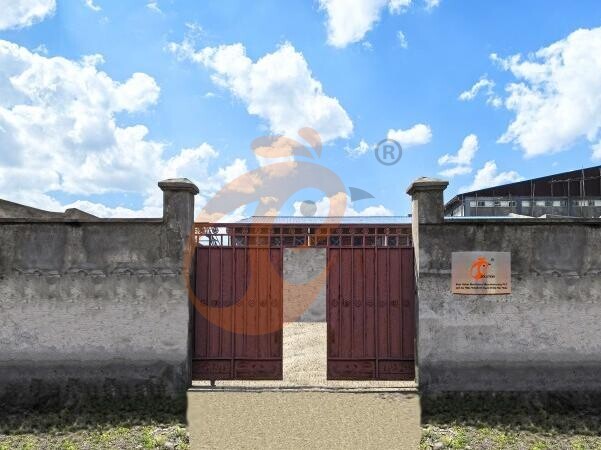
Ethiopia Best Hebei Machinery Manufacturing PLC
Reception /24 WhatsApp NO. : +8618830120193
FAQ
How Does Free Range System Affect Feed Consumption?
Energy expenditure increases daily intake variation by 15%–22% across seasons.
Feed conversion efficiency ranges from 1.9–2.3 depending on grazing intensity.
What Are The Housing Transition Management Standards In Free Range Poultry System?
Indoor-outdoor transition time is controlled within 10–15 minutes per flock movement cycle.
Lighting guidance systems operate at 5–8 lux to direct flock movement behavior.
What Are The Seasonal Adaptation Strategies In Free Range Poultry System?
Summer shade coverage is increased to 60%–80% of grazing area for heat stress reduction.
Rainfall drainage capacity handles 25–40 mm per hour precipitation levels for land usability.
- poultry equipment
- poultry farm
- feeding equipment
- poultry farm
- poultry farm construction
- poultry equipment manufacturer
- poultry equipment supplier
- poultry feeding system
- automatic poultry feeding system
- broiler farm
- poultry house
- automatic feeding equipment
- poultry equipment suppliers
- broiler house equipment
- Ethiopia
- Nigeria
Message
Products recommended
 HK Headquarter Offers EU-standard Poultry Farm Solutions, Manufacture Poultry Farm Equipment1. Continuous communication with the EU and the US
2. China, Nigeria, Ethiopia, Tanzania branch companies and factories
3. The products’ quality is customized for local poultry farms
4. Poultry cage and poultry farm equipment stock for sale
5. 24 online reception Whatsapp NO. : +8618830120193,contact us to get full informationRead More China Branch Offer Poultry Farm Business Plan, Manufacture Poultry Farm Equipment1. Address: Flat/RM 2416, 24/F, Runxing Building, Youyi Nan Street, Shijiazhuang City, Hebei Province, China
2. Poultry cage and poultry farm equipment factory and stock for sale
3. Customized for local poultry farms
4. Quality and design are based on Euro
5. 24 online reception Whatsapp NO. : +8618830120193Read More Nigeria Branch Offer Poultry Farm Business Plan, Manufacture Poultry Farm Equipment1. Address: After Sinoma Office, 200 Meters Near Danco Filling Station, Lagos/Ibadan Expressway, Lagos State, Nigeria
2. Poultry cage and poultry farm equipment factory and stock for sale
3. Customized for Nigerian poultry farms
4. Quality and design are based on Euro
5. 24 online reception Whatsapp NO. : +8618830120193Read More Ethiopia Branch Offer Poultry Farm Business Plan, Manufacture Poultry Farm Equipment1. Address: Gelan Gura, Akaki-kaliti Sub City, Addis Ababa, Ethiopia
2. Poultry cage and poultry farm equipment stock for sale
3. Customized for Ethiopian poultry farms
4. Quality and design are based on Euro
5. 24 online reception Whatsapp NO. : +8618830120193, contact us to get price listRead More Tanzania Branch Offer Poultry Farm Business Plan, Manufacture Poultry Farm Equipment1. Address: No.8, Sova Road, Msufini, Mlandizi, Kibaha, Pwani, Tanzania
2. Poultry cage and poultry farm equipment factory and stock for sale
3. Customized for Tanzanian poultry farms
4. Quality and design are based on Euro
5. 24 online reception Whatsapp NO. : +8618830120193Read More Fully Automatic H Type Layer Chicken Cage1. 30,000-100,000+ layers/house chooses it, Poultry farmers can achieve an egg production rate of 96-98%
2. A significant improvement over the 85-90% typically seen in manual systems
3. A typical poultry farm can expect a 30-40% reduction in labor costs due to the automation
4. Each feeding line efficiently supplies feed to around 100,000 hens per 30 mins
5. Reception /WhatsApp NO. : +8618830120193Read More Fully Automatic A Type Layer Chicken Cage1. 10,000-50,000 layers/house chooses it
2. Cleaner egg collection reduces breakage by 0.5%
3. Improved hygiene helps reduce mortality rate to <3%
4. 1–2 technicians can handle 15,000–30,000 birds
5. Reception /WhatsApp NO. : +8618830120193Read More Semi Automatic H Type Layer Chicken Cage1. 1,00-20,000 layers/house chooses it
2. Nipple drinkers flow 30–60 ML / min
3. Hot-dip galvanized (typical coating ≥ 275 g/m²)
4. Reduce ammonia by ~ 35–40%
5. Reception /WhatsApp NO. : +8618830120193Read More Semi Automatic A Type Layer Chicken Cage1. 1,00-20,000 layers/house chooses it, no rust for 10 years, no deformation for 15 years
2. Chickens live comfortably, you can raise them with peace of mind
3. Save water, save money—efficiency you can measure
4. Improve environment quality, and increase egg production rate
5. Reception /WhatsApp NO. : +8618830120193Read More
By clicking 'Allow All', you agree to the storage of cookies on your device to enhance site navigation, analyze site usage and assist with our marketing efforts.