






Blog
- Pellet machine reliability directly affects feed continuity, labor scheduling, and poultry production efficiency across commercial operations using 132 kw-class equipment.
Correct machine selection, preventive inspection, and controlled feeding can reduce unexpected interruptions while maintaining stable pellet production at 1.5–3.0 t/h.
Material preparation, dimensional monitoring, spare-parts planning, and operator response provide measurable controls for reducing mechanical and process-related stoppages.
Complete poultry equipment integration connects grinding, mixing, conveying, pelletizing, cooling, screening, and packing into a coordinated production system.
- Supplier engineering capability, technical support, and turnkey planning can strengthen equipment availability while supporting expansion from individual farms to industrial feed facilities.
Get professional poultry farm construction guidance, equipment selection solutions, and the latest price lists, whatsApp to +8618830120193, +2348111199996, or click to learn more.
Select The Pellet Machine According To Production Requirements
The first downtime-control decision is made before installation.
A pellet machine should match feed demand, formulation, pellet specification, and operating schedule rather than purchase price alone.
A properly selected feed pellet machine can maintain consistent production while avoiding unnecessary mechanical stress at 1,200–1,800 rpm.
Data is for reference only.Swipe horizontally to view full table.
Matching the machine to production requirements reduces unnecessary mechanical stress and simplifies downstream coordination.
Equipment records should include motor, shaft, bearing, die, and roller specifications, with inspection intervals such as 500 operating hours for critical assemblies.
Turn Preventive Maintenance Into A Daily Operating Habit
Think of maintenance as a short daily investment rather than an emergency expense.
Before operation: inspect transmission components, lubrication points, die surfaces, roller condition, and electrical cabinets.
During operation: observe vibration, noise, pellet shape, feed flow, and motor behavior at approximately 10-minute inspection intervals.
After operation: remove residual feed and prepare the die for the next production cycle.
A practical pellet mill shutdown procedure can include a 5–10 kg oiled-bran flush before stopping, helping prevent hardened material from remaining inside die holes.
For a commercial installation, gearbox oil may use iso vg 220, while motor winding temperature can be monitored around 78–84°c during continuous operation.
Diagnose Problems Through Measurable Indicators
A machine should not be judged only by whether the machine is running.
Operators should connect visible symptoms with measurable operating conditions, such as recording motor load every 30 minutes during production.
Data is for reference only.Swipe horizontally to view full table.
Measured troubleshooting is more useful than replacing parts by guesswork.
A pellet machine maintenance team can record conditions before and after every correction and compare fault frequency over 30-day operating periods.
Control The Feed Before It Enters The Pellet Chamber
The feed pellet machine cannot compensate for every raw-material variation.
Feed preparation should therefore be treated as part of the machine operating system.
Three checkpoints matter
1 — Particle preparation: grinding should produce consistent material structure.
2 — Conditioning: steam should be introduced according to formulation.
3 — Feeding: the feeder should deliver material continuously rather than through irregular surges.
A poultry feed line may use approximately 0.8–1.5 mm ground particles, while steam injection can be controlled around 0.25–0.40 mpa depending on formulation and equipment design.
Stable conditioning temperature around 80–90°c can also support predictable material behavior before pelletizing.
Prevent Overloading With Controlled Operating Parameters
Overloading is often the result of several conditions occurring simultaneously inconsistent feeding, unsuitable material preparation, restricted die channels, or incorrect machine adjustment.
Data is for reference only.Swipe horizontally to view full table.
A controlled startup is particularly useful because sudden feeding can create torque fluctuations before the pellet mill reaches stable operating conditions.
Gradual material introduction gives the drive system time to establish consistent load distribution within approximately 240 seconds.
Keep Wear Parts Available Before Production Stops
A spare-parts strategy should be established during pellet machine purchasing, not after the first breakdown.
Ask the supplier
- Which die specifications are available?
- Which roller assemblies are compatible?
- What bearing models are installed?
- How are worn components identified?
- What technical documents accompany replacement parts?
For example, ring-die service records can track die life, roller life, bearing replacement, shear-pin failures, and root causes using individual equipment service numbers.
This converts maintenance from emergency response into traceable equipment management, with replacement records retained for at least 24 months.
Monitor Wear With Dimensional Data
Visual inspection alone may miss gradual dimensional changes.
Measuring critical components gives feed pellet machine maintenance teams a clearer replacement basis.
Data is for reference only.Swipe horizontally to view full table.
The purpose is not to replace parts according to a calendar alone.
Actual dimensional measurements can show whether a component is approaching its maintenance boundary, while a 0.02 mm measurement resolution can improve inspection consistency.
Make Cleaning Part Of Production, Not An Emergency Task
A blocked die can gradually increase resistance inside the pellet machine chamber.
Cleaning should therefore be integrated into the operating schedule.
A practical sequence is
Stop feeding → allow residual material to discharge → flush the die → inspect channels → record condition → restart gradually.
For die cleaning, corn-bran purging material may use particles around 0.8–1.2 mm, with a purging cycle of approximately 7–12 minutes.
Operators can also record cleaning frequency against each production batch, creating a useful maintenance history for the pellet mill.
Connect The Pellet Machine With The Complete Feed Line
A pellet machine can be mechanically sound and still experience downtime if upstream or downstream equipment cannot maintain the required material flow.
Data is for reference only.Swipe horizontally to view full table.
A complete poultry equipment solution should consider grinding, mixing, conditioning, pelletizing, cooling, screening, conveying, and packing as one production chain.
Coordinated equipment layout can keep material transfer within approximately 15–25 m between major process sections and reduce unnecessary handling points.
Train Operators To Respond Before A Shutdown
Operator training should focus on measurable changes rather than general instructions.
If the operator notices
- a change in pellet diameter,
- an abnormal vibration pattern,
- a temperature increase,
- irregular material discharge,
- or repeated overload alarms,
the correct response is to record the condition and investigate before continuing production.
For example, roller surface wear of only 0.1 mm can influence energy consumption, while recording each alarm within 60 seconds can improve fault-tracing accuracy for a feed pellet machine.
A maintenance record containing machine model, die specification, operating hours, and replacement history can make troubleshooting substantially faster.
Measure Downtime As A Production Cost
Downtime should be recorded in operational terms so management can compare maintenance strategies and pellet mill suppliers objectively.
Data is for reference only.Swipe horizontally to view full table.
These figures can reveal whether repeated repairs cost more than planned component replacement.
They also provide useful information when evaluating a new pellet machine or complete poultry feed production line, with $5,860 shown as an European union standard reference only.
Choose A Poultry Equipment Supplier For The Whole Operating Cycle
Reducing downtime ultimately depends on more than machine construction.
A supplier should support equipment selection, installation, commissioning, spare parts, maintenance guidance, and future expansion.
Data is for reference only.Swipe horizontally to view full table.
For poultry farms, the practical objective is simple maintain dependable feed supply while minimizing avoidable interruptions.
A professional pellet machine supplier can integrate feed processing equipment, electrical controls, conveying systems, and service documentation into one engineering package.
Frequently Asked Questions
Q1: How can a pellet machine reduce unexpected downtime?
A1: Correct capacity selection, controlled feeding, scheduled inspection, and dimensional monitoring address mechanical and process risks before production stops.
Q2: Which operating records are most useful for pellet mill maintenance?
A2: Motor load, operating hours, component dimensions, alarm frequency, and replacement history provide practical evidence for maintenance decisions.
Q3: Why is complete poultry equipment integration important?
A3: Grinding, mixing, conveying, conditioning, pelletizing, cooling, and packing must maintain compatible material flow, with each section designed around the required production rate.
Taiyu (HK) Group - One Of China's Most Famous Pellet Machine Manufacturer
Pellet machine engineering covers feed conditioning, die compression, drive configuration, and continuous production, with commercial models commonly configured around 132 kw motor systems.
Global factory direct sales integrated poultry equipment packages cover crushers, mixers, pellet mills, coolers, conveyors, screening systems, packing equipment, electrical controls, and supporting infrastructure.
Turn-key engineering project delivery can progress from capacity calculation and layout design through equipment manufacturing, installation, commissioning, operator training, and production handover.
International factory supply standardized equipment documentation, spare-parts planning, technical drawings, and commissioning procedures support poultry-feed projects across different production scales.
Project-oriented service engineering coordination links the pellet machine with upstream and downstream equipment to establish a complete, maintainable feed-production system.
Contact Us To Received Your Customized Poultry Farm Plan
Headquarters And Branchs

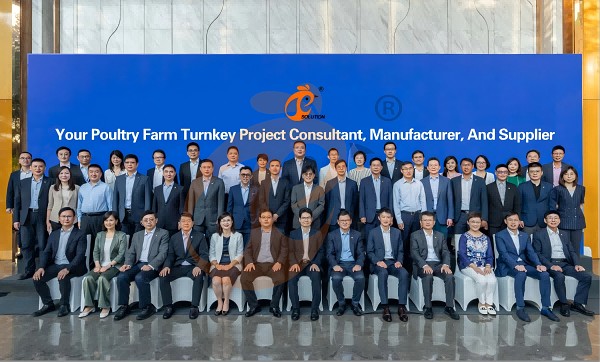
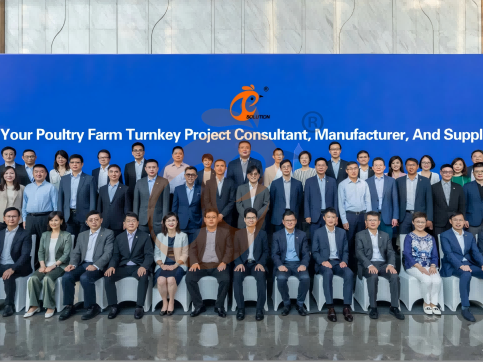
Hong Kong Headquarter Management Team
Hong Kong Headquarter Taiyu Industrial Group CO., LTD
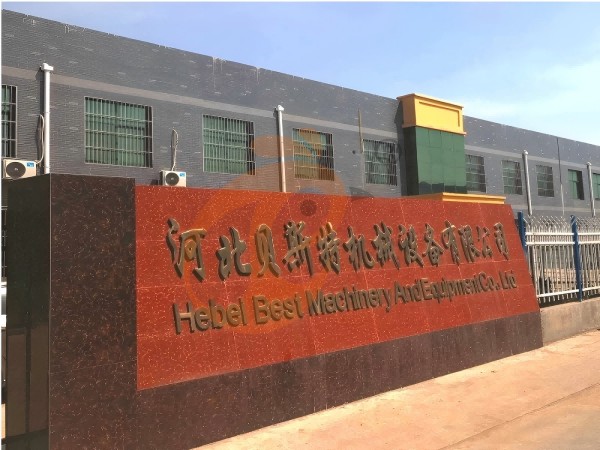
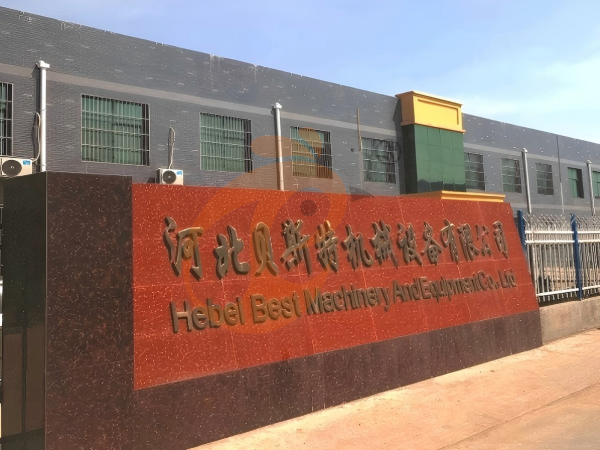
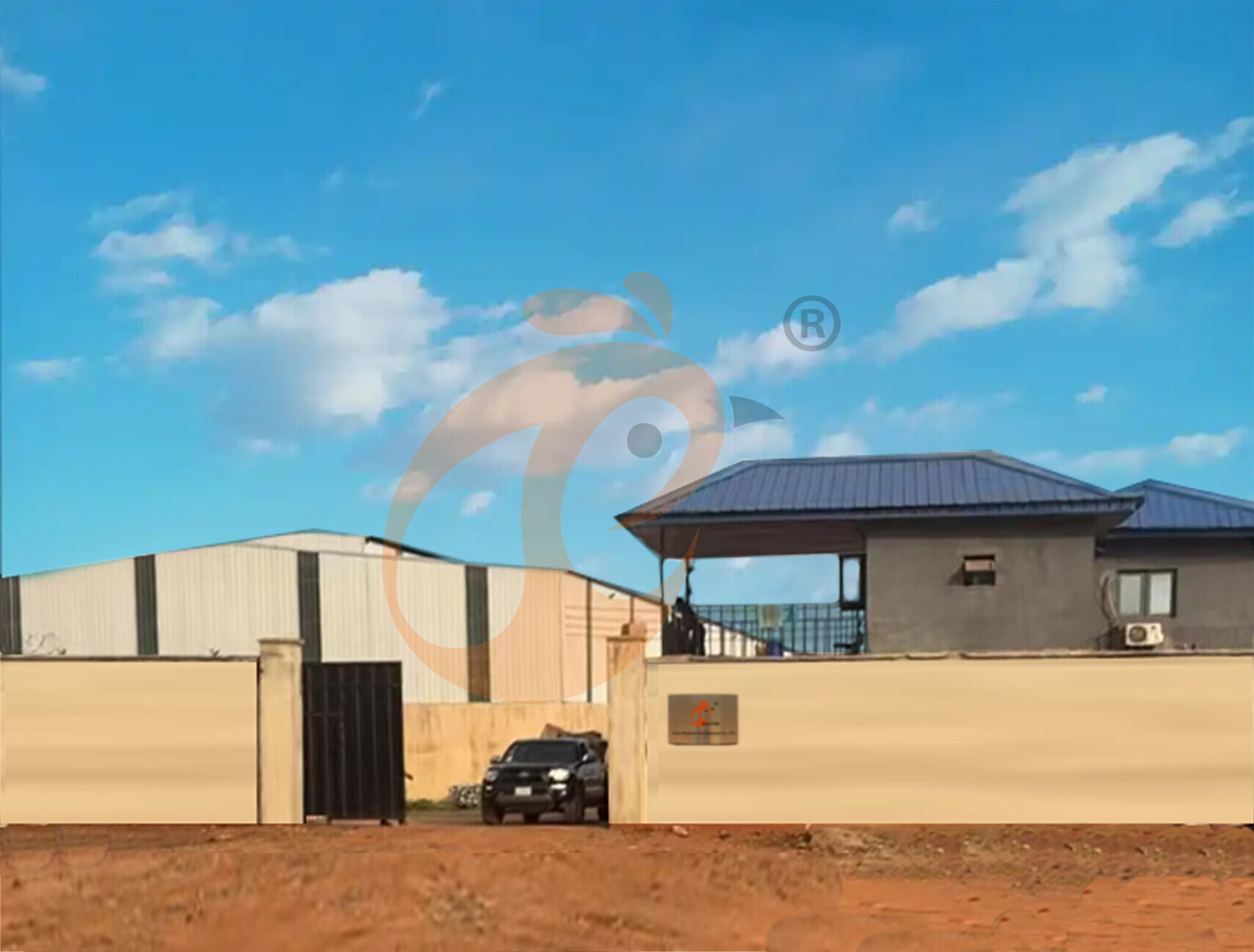
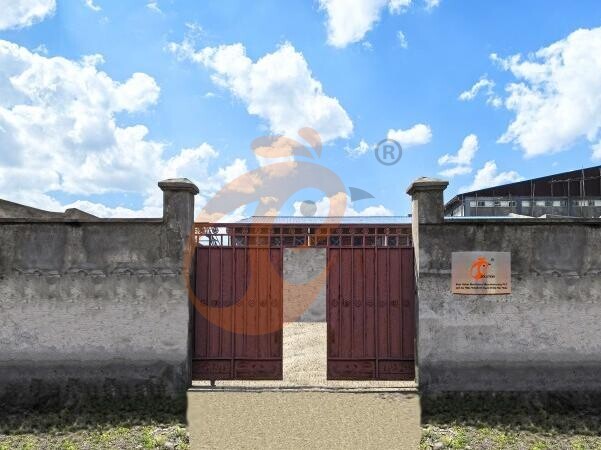
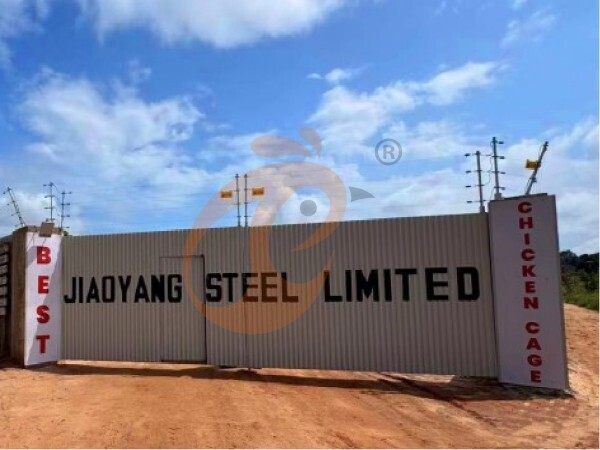
China Hebei Best Machinery And Equipment CO., LTD
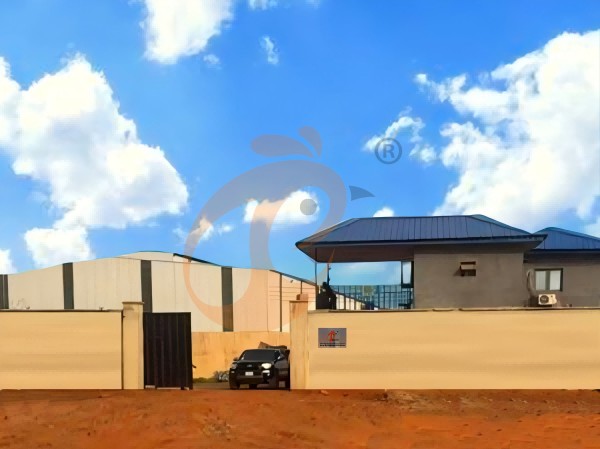
Nigeria Vanke Machinery And Equipment CO., LTD
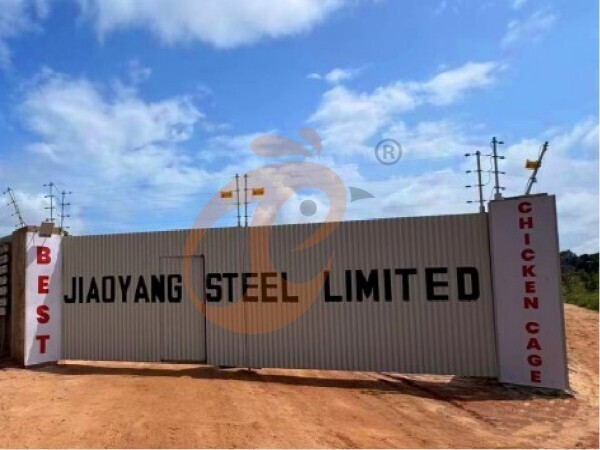
Tanzania Best Machinery And Equipment CO., LTD
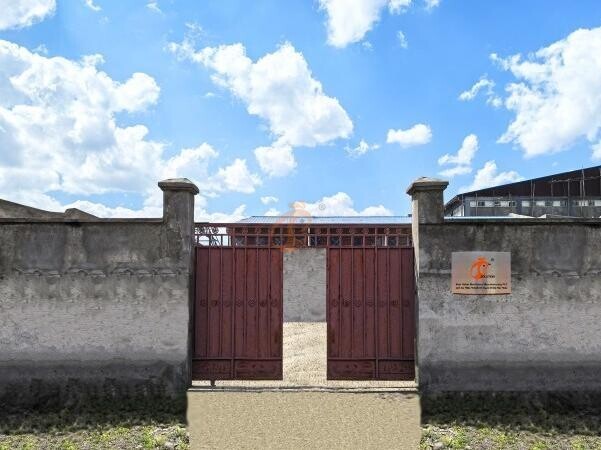
Ethiopia Best Hebei Machinery Manufacturing PLC
Reception /24 WhatsApp NO. : +8618830120193
FAQ
What Feeding System Standards Are Required For Pellet Machine In Poultry Chicken Feed Production Lines?
Feeder capacity is designed at 1.2–2.5 tons per hour depending on raw material density.
Flow consistency deviation is maintained within ±2% for uniform pellet quality output.
What Maintenance And Wear Part Replacement Standards Apply To Pellet Machine?
Bearing replacement intervals typically occur every 12–18 months under continuous operation.
Gearbox oil change frequency is maintained at 1000–1500 operating hours for system reliability.
What Safety Protection Systems Are Integrated In Pellet Machine For Poultry Chicken Feed Production?
Emergency stop response time is maintained within 0.5–1.0 seconds for operational safety.
Vibration monitoring limits are set at 4.5–6.0 mm/s to prevent mechanical failure.
Message
Products recommended
 HK Headquarter Offers EU-standard Poultry Farm Solutions, Manufacture Poultry Farm Equipment1. Continuous communication with the EU and the US
2. China, Nigeria, Ethiopia, Tanzania branch companies and factories
3. The products’ quality is customized for local poultry farms
4. Poultry cage and poultry farm equipment stock for sale
5. 24 online reception Whatsapp NO. : +8618830120193,contact us to get full informationRead More China Branch Offer Poultry Farm Business Plan, Manufacture Poultry Farm Equipment1. Address: Flat/RM 2416, 24/F, Runxing Building, Youyi Nan Street, Shijiazhuang City, Hebei Province, China
2. Poultry cage and poultry farm equipment factory and stock for sale
3. Customized for local poultry farms
4. Quality and design are based on Euro
5. 24 online reception Whatsapp NO. : +8618830120193Read More Nigeria Branch Offer Poultry Farm Business Plan, Manufacture Poultry Farm Equipment1. Address: After Sinoma Office, 200 Meters Near Danco Filling Station, Lagos/Ibadan Expressway, Lagos State, Nigeria
2. Poultry cage and poultry farm equipment factory and stock for sale
3. Customized for Nigerian poultry farms
4. Quality and design are based on Euro
5. 24 online reception Whatsapp NO. : +8618830120193Read More Ethiopia Branch Offer Poultry Farm Business Plan, Manufacture Poultry Farm Equipment1. Address: Gelan Gura, Akaki-kaliti Sub City, Addis Ababa, Ethiopia
2. Poultry cage and poultry farm equipment stock for sale
3. Customized for Ethiopian poultry farms
4. Quality and design are based on Euro
5. 24 online reception Whatsapp NO. : +8618830120193, contact us to get price listRead More Tanzania Branch Offer Poultry Farm Business Plan, Manufacture Poultry Farm Equipment1. Address: No.8, Sova Road, Msufini, Mlandizi, Kibaha, Pwani, Tanzania
2. Poultry cage and poultry farm equipment factory and stock for sale
3. Customized for Tanzanian poultry farms
4. Quality and design are based on Euro
5. 24 online reception Whatsapp NO. : +8618830120193Read More Fully Automatic H Type Layer Chicken Cage1. 30,000-100,000+ layers/house chooses it, Poultry farmers can achieve an egg production rate of 96-98%
2. A significant improvement over the 85-90% typically seen in manual systems
3. A typical poultry farm can expect a 30-40% reduction in labor costs due to the automation
4. Each feeding line efficiently supplies feed to around 100,000 hens per 30 mins
5. Reception /WhatsApp NO. : +8618830120193Read More Fully Automatic A Type Layer Chicken Cage1. 10,000-50,000 layers/house chooses it
2. Cleaner egg collection reduces breakage by 0.5%
3. Improved hygiene helps reduce mortality rate to <3%
4. 1–2 technicians can handle 15,000–30,000 birds
5. Reception /WhatsApp NO. : +8618830120193Read More Semi Automatic H Type Layer Chicken Cage1. 1,00-20,000 layers/house chooses it
2. Nipple drinkers flow 30–60 ML / min
3. Hot-dip galvanized (typical coating ≥ 275 g/m²)
4. Reduce ammonia by ~ 35–40%
5. Reception /WhatsApp NO. : +8618830120193Read More Semi Automatic A Type Layer Chicken Cage1. 1,00-20,000 layers/house chooses it, no rust for 10 years, no deformation for 15 years
2. Chickens live comfortably, you can raise them with peace of mind
3. Save water, save money—efficiency you can measure
4. Improve environment quality, and increase egg production rate
5. Reception /WhatsApp NO. : +8618830120193Read More
By clicking 'Allow All', you agree to the storage of cookies on your device to enhance site navigation, analyze site usage and assist with our marketing efforts.