






Blog
Feed mixer equipment selection directly affects poultry production efficiency, corrosion resistance, and long-term equipment value across 500–3,000 l batch capacities.
Galvanized feed mixers provide practical protection and controlled investment for enclosed chicken-house operations with 3–8 minute mixing cycles.
Stainless steel feed mixers strengthen corrosion resistance where washing, humidity, and sanitation requirements create greater material stress.
Shaft systems, mixing blades, gearboxes, welds, and access design determine real equipment durability beyond material selection alone.
- Commercial poultry projects can compare material, maintenance, mechanical construction, and lifecycle requirements before specifying suitable feeding equipment.
Get professional poultry farm construction guidance, equipment selection solutions, and the latest price lists, whatsApp to +8618830120193, +2348111199996, or click to learn more.
The Material Decision Starts Inside The Chicken House
A feed mixer works in an environment where feed dust, moisture, organic residue, and repeated loading occur every day.
For poultry equipment buyers, material selection directly affects equipment reliability and maintenance planning.
A typical mixing cycle may run for 3–8 minutes, while a commercial mixer can process several batches per operating hour.
Galvanized steel protects the base steel with a zinc layer, while stainless steel uses its alloy composition to develop a passive corrosion-resistant surface.
For chicken-house applications, both feed mixer equipment and poultry feed mixer systems can be engineered effectively when structure and components are correctly selected.
Data is for reference only.Swipe horizontally to view full table.
Galvanized Steel: Designed Around Practical Farm Economics
Galvanized steel is widely selected when a poultry project requires a controlled equipment budget without abandoning corrosion protection.
The zinc layer separates the steel substrate from the surrounding atmosphere, making galvanized feed mixer equipment suitable for many enclosed feeding systems.
For equipment manufacturing, the fabrication sequence also matters.
A mixer with correctly reinforced joints, protected weld areas, and properly positioned service openings can provide more dependable operation than a machine selected only by exterior finish.
Typical structural reinforcement may use 6–10 mm frame plates, while shaft supports can be engineered around 40–80 mm bearing housings.
Stainless Steel: When Corrosion Protection Becomes A Design Priority
Stainless steel changes the equation by integrating corrosion resistance into the material itself.
Aisi 304 is commonly used in food-processing equipment, while aisi 316 provides additional corrosion resistance because of molybdenum content.
For poultry feed mixer applications, stainless construction is particularly useful when cleaning water and moisture repeatedly contact the mixer.
Depending on mixer configuration, internal surfaces can be finished to approximately ra 0.8–1.6 μm, while product-contact welds can be ground or treated to reduce residue-retention points.
Data is for reference only.Swipe horizontally to view full table.
The Cost Question: Pay Less Now Or Optimize Lifetime Value?
Scenario A — Budget-focused farm
A poultry producer needs reliable mixing equipment while keeping capital expenditure under control.
Galvanized construction can provide an effective combination of protection, strength, and affordability.
Scenario B — Long-life investment
A commercial operation expects intensive equipment use and wants to minimize corrosion concerns over a longer operating cycle.
Stainless steel may justify greater investment through corrosion resistance and reduced maintenance pressure.
The important calculation is not simply purchase price.
A mixer running at 1,500 kg/h with a 7.5 kw drive motor, for example, should be evaluated through complete operating cost, including power, maintenance, spare parts, and downtime.
Data is for reference only.Swipe horizontally to view full table.
What Actually Determines Mixer Life?
Material → fabrication → transmission → mixing system → maintenance
That sequence explains why equipment buyers should avoid comparing quotations by material name alone.
A correctly engineered poultry feed mixer needs stable shaft alignment and adequate torque transmission.
For example, a commercial horizontal mixer may use a 60–120 mm main shaft, while mixing blades can be manufactured from 4–10 mm wear-resistant plate, depending on capacity and feed formulation.
The material protects equipment, but mechanical design determines how efficiently that material becomes working life.
Data is for reference only.Swipe horizontally to view full table.
Corrosion Resistance: Where Stainless Steel Pulls Ahead
Corrosion is not just a cosmetic issue.
Rust and surface deterioration can weaken components, complicate cleaning, increase maintenance requirements, and eventually affect equipment reliability.
Poultry-house corrosion is influenced by moisture, ammonia, manure exposure, cleaning chemicals, and surface damage.
A well-designed feed mixer equipment system can also incorporate 2–4 mm drainage openings and maintain 15–30 mm clearance around selected service areas to improve cleaning and inspection access.
Data is for reference only.Swipe horizontally to view full table.
Reference figures vary with coating process, test method, geometry, and alloy condition.
Feed Hygiene: A Different Way To Measure Durability
A durable mixer should also support consistent cleaning and feed handling.
Smooth internal geometry reduces places where powder and moisture can accumulate, while accessible inspection points make routine servicing easier.
Stainless steel is widely used in food-production equipment, particularly aisi 304 and aisi 316, because of corrosion-resistant characteristics.
For poultry equipment manufacturers, practical design choices include sealed inspection covers and continuous internal welds in selected product-contact areas.
These details can matter more to daily operation than the material label printed on the quotation.
Maintenance: Look At The Components That Actually Wear
A feed mixer does not fail only because a tank corrodes.
Bearings, seals, shafts, blades, gearboxes, couplings, and motor connections all contribute to equipment reliability.
A maintenance-oriented design can reduce service disruption by making critical components accessible without dismantling the entire mixer.
For example, a bearing assembly may be positioned with 30–50 mm service clearance, while inspection doors can be engineered around 300–600 mm opening dimensions, depending on machine capacity.
Data is for reference only.Swipe horizontally to view full table.
A Quick Decision Test For Poultry Producers
Question 1: How often will the mixer contact water or cleaning chemicals?
Question 2: What feed volume must be processed during each production cycle?
Question 3: Is the project optimized for initial investment or for a longer equipment lifecycle?
For a standard indoor poultry operation, galvanized construction can be an economical engineering solution.
For projects where corrosion resistance and sanitation are major design priorities, stainless steel provides a stronger material platform.
A poultry feed mixer processing 300–1,500 kg per batch may suit smaller feeding operations, while larger systems can be engineered for greater production requirements.
Data is for reference only.Swipe horizontally to view full table.
Do Not Buy The Metal—Buy The Engineering
A professional procurement comparison should examine the complete specification sheet.
Check steel grade, plate thickness, shaft dimensions, gearbox model, motor configuration, blade material, weld process, bearing arrangement, safety guarding, electrical protection, and spare-parts strategy.
For example, a mixer can be configured with a 304 stainless product-contact chamber while using a galvanized external frame.
Such hybrid construction can concentrate premium material where greater corrosion resistance delivers operational value instead of increasing material cost across every component.
Data is for reference only.Swipe horizontally to view full table.
Our Feed Mixer Approach: Material Plus Engineering
As a poultry equipment manufacturer, we do not treat galvanized steel and stainless steel as competing labels.
We treat both materials as engineering routes for different farm conditions.
Equipment can be configured around batch size, feed formulation, automation level, cleaning method, and installation environment.
Depending on the project, designs can include load-cell weighing accuracy around ±0.5% and plc control intervals of 0.1 s, allowing feeding systems to integrate with automated poultry-house operations.
The objective is straightforward: put the right material in the right location and match the mixer to the actual production process.
Data is for reference only.Swipe horizontally to view full table.
Final Verdict: Which Feed Mixer Lasts Longer?
If the comparison is strictly about material resistance under demanding corrosion conditions, stainless steel generally provides the stronger long-term platform.
Aisi 304 and aisi 316 are established materials in food and poultry processing equipment, with 316 offering greater corrosion resistance than 304.
However, galvanized steel remains highly practical for many poultry-house applications.
Hot-dip galvanized systems can provide substantial corrosion protection when coating specification and fabrication quality are properly controlled.
The better purchasing decision is therefore not simply "galvanized or stainless?"
The better question is: Which material, thickness, shaft system, mixing mechanism, surface treatment, and control configuration match actual chicken-house operating conditions?
That is where professional poultry equipment engineering creates value.
A properly specified feed mixer equipment system can improve feed preparation consistency, simplify maintenance, and provide a more predictable equipment lifecycle.
Choose the material for the environment.
Choose the equipment for the production process.
Choose the manufacturer for the engineering behind both.
Frequently Asked Questions
Q1: Which feed mixer material usually provides longer service life?
A1: Stainless steel generally offers stronger corrosion resistance, especially under repeated moisture exposure, while galvanized steel can provide dependable service when zinc protection remains intact.
Q2: Is galvanized steel suitable for poultry feed mixing equipment?
A2: Yes.
Galvanized construction can suit controlled indoor poultry houses, particularly where equipment operates with limited direct water exposure and appropriate maintenance.
Q3: Does stainless steel always make a better feed mixer?
A3: Not necessarily.
Equipment structure, shaft alignment, gearbox design, welding quality, and maintenance access can influence service performance as much as material selection.
Taiyu (HK) Group - One Of China Toppest Feed Mixer Manufacturer
Feed mixer equipment integrates material selection, mechanical transmission, mixing geometry, and automated weighing, with configurations reaching 8,000 kg/h throughput.
Global factory-direct supply supports poultry equipment projects through engineering drawings, component selection, production inspection, and export coordination.
Poultry equipment solutions cover feeding, ventilation, environmental control, and related systems for integrated farm development.
Turn-key engineering connects equipment configuration with project capacity, installation requirements, commissioning procedures, and production objectives.
Factory project coordination supports customized specifications for galvanized, stainless, automated, and heavy-duty feed mixing systems.
Contact Us To Received Your Customized Poultry Farm Plan
Headquarters And Branchs
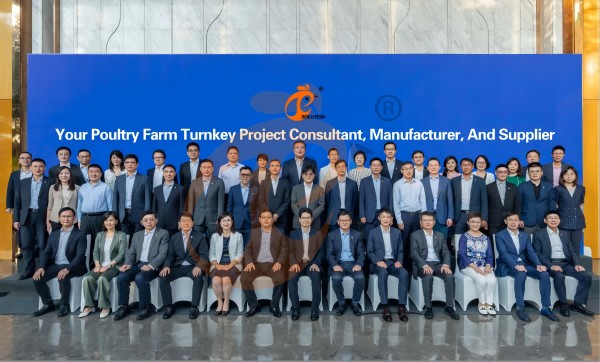
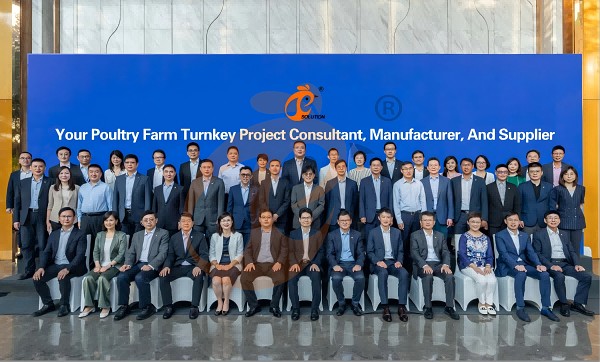
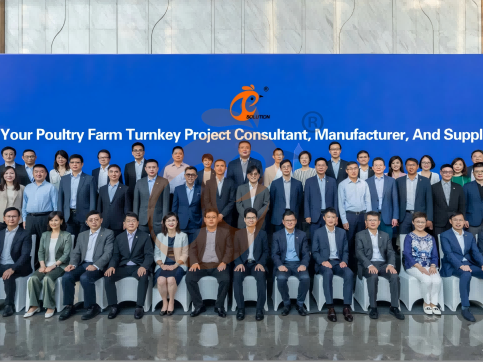
Hong Kong Headquarter Management Team
Hong Kong Headquarter Taiyu Industrial Group CO., LTD
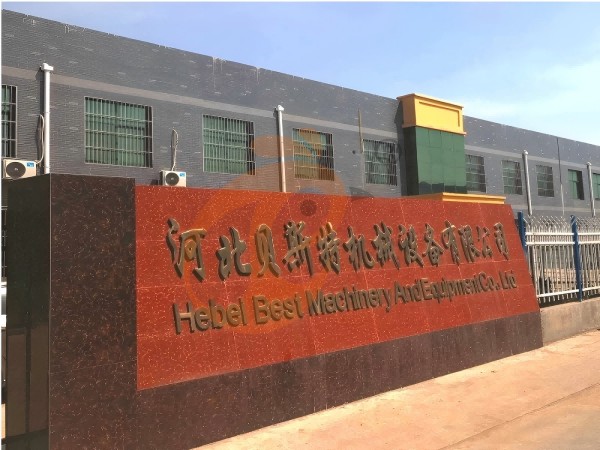
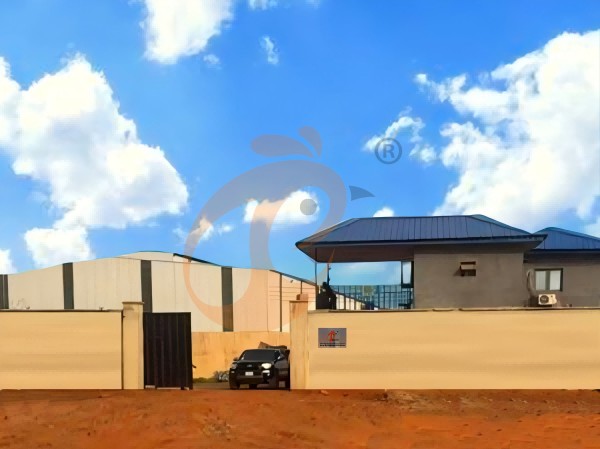
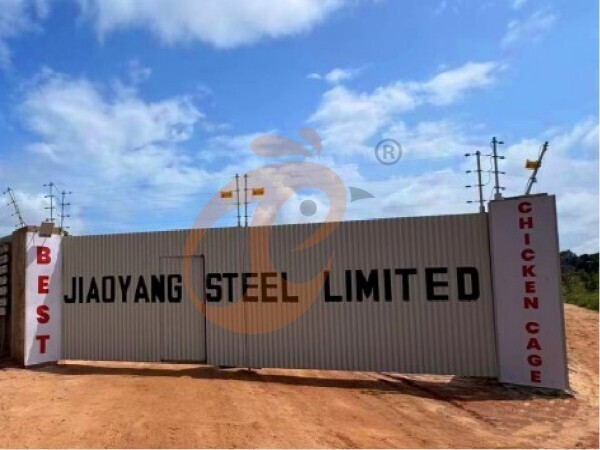
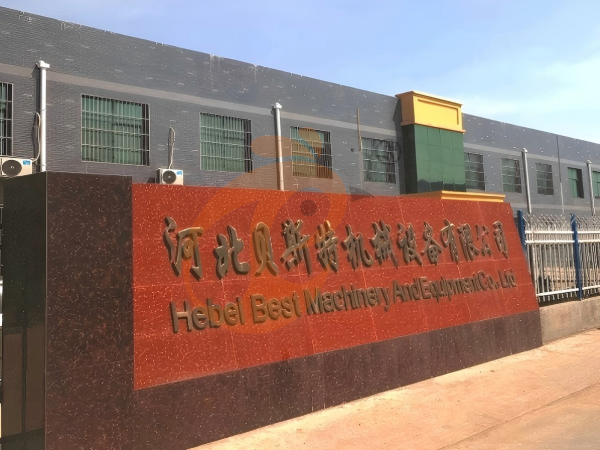
China Hebei Best Machinery And Equipment CO., LTD
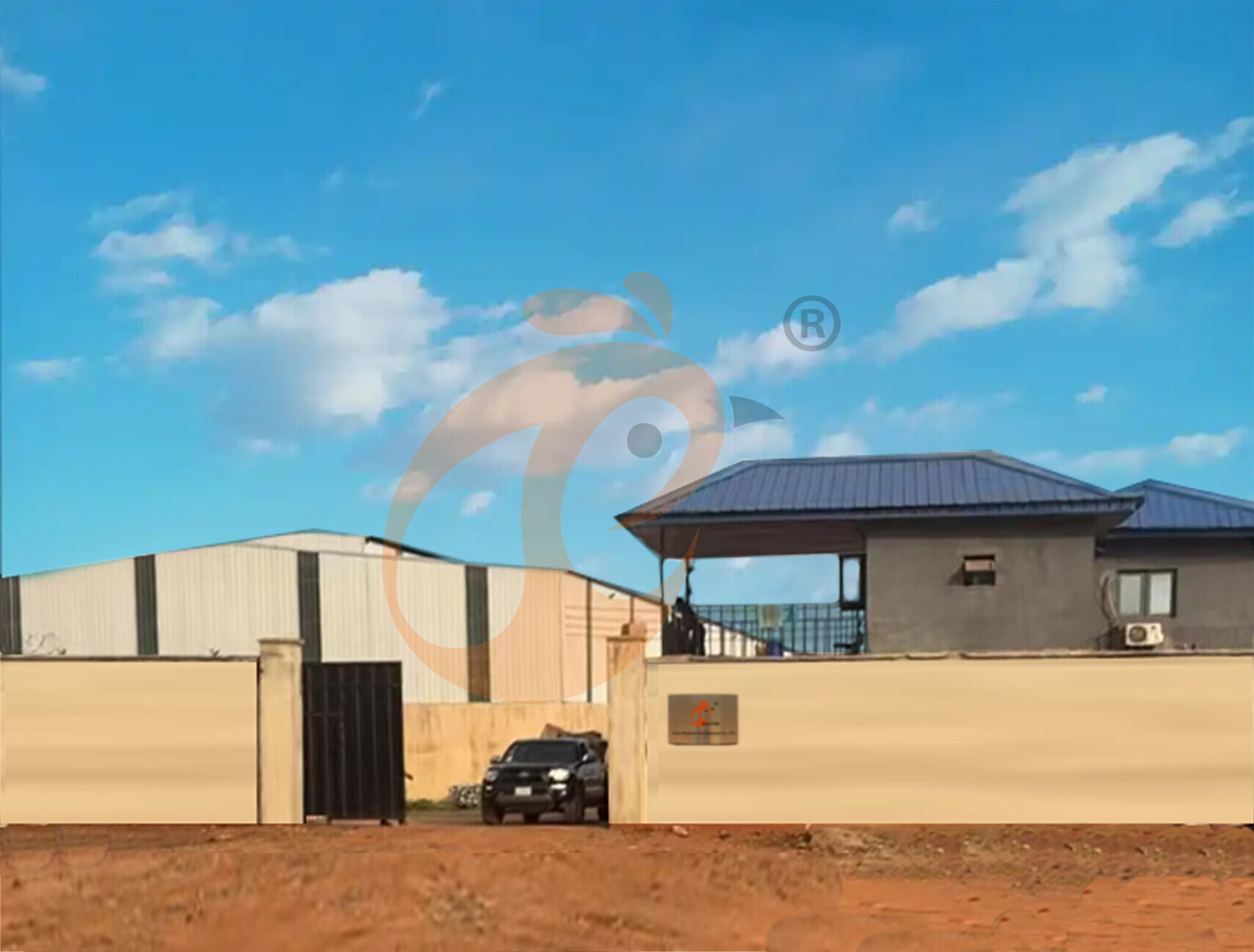
Nigeria Vanke Machinery And Equipment CO., LTD
Tanzania Best Machinery And Equipment CO., LTD
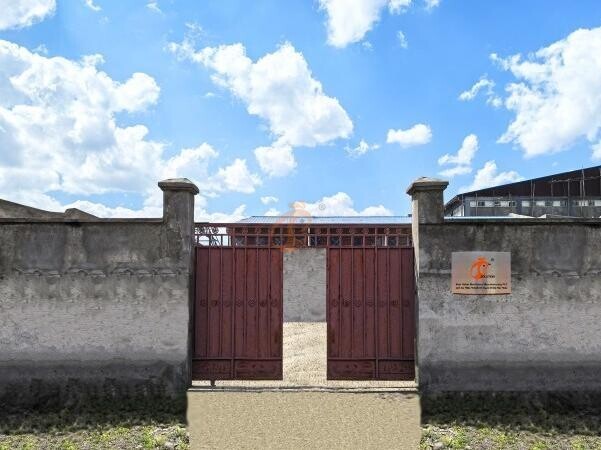
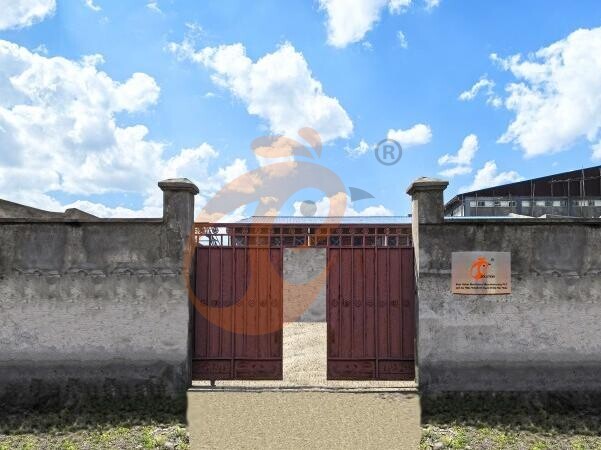
Ethiopia Best Hebei Machinery Manufacturing PLC
Reception /24 WhatsApp NO. : +8618830120193
FAQ
What Moisture Control Standards Are Required In Feed Milling For Poultry Chicken Feed?
Conditioning moisture increases to 16–18% before pelleting for optimal starch gelatinization.
Final feed moisture is controlled at 11–13% to ensure long-term storage stability.
What Energy Consumption Levels Are Standard In Feed Mixer And Feed Mill Operations For Poultry Chicken Farms?
Mixing systems require 3–8 kWh per batch depending on mixer volume and load ratio.
Pelletizing units operate at 60–90 kWh per ton for high-density poultry feed production.
What Raw Material Ratios Are Commonly Processed In Poultry Chicken Feed Mills?
Soybean meal accounts for 18–25% as main protein contributor for growth performance.
Premix addition remains at 2–5% ensuring vitamins and mineral balance stability.
Message
Products recommended
 HK Headquarter Offers EU-standard Poultry Farm Solutions, Manufacture Poultry Farm Equipment1. Continuous communication with the EU and the US
2. China, Nigeria, Ethiopia, Tanzania branch companies and factories
3. The products’ quality is customized for local poultry farms
4. Poultry cage and poultry farm equipment stock for sale
5. 24 online reception Whatsapp NO. : +8618830120193,contact us to get full informationRead More China Branch Offer Poultry Farm Business Plan, Manufacture Poultry Farm Equipment1. Address: Flat/RM 2416, 24/F, Runxing Building, Youyi Nan Street, Shijiazhuang City, Hebei Province, China
2. Poultry cage and poultry farm equipment factory and stock for sale
3. Customized for local poultry farms
4. Quality and design are based on Euro
5. 24 online reception Whatsapp NO. : +8618830120193Read More Nigeria Branch Offer Poultry Farm Business Plan, Manufacture Poultry Farm Equipment1. Address: After Sinoma Office, 200 Meters Near Danco Filling Station, Lagos/Ibadan Expressway, Lagos State, Nigeria
2. Poultry cage and poultry farm equipment factory and stock for sale
3. Customized for Nigerian poultry farms
4. Quality and design are based on Euro
5. 24 online reception Whatsapp NO. : +8618830120193Read More Ethiopia Branch Offer Poultry Farm Business Plan, Manufacture Poultry Farm Equipment1. Address: Gelan Gura, Akaki-kaliti Sub City, Addis Ababa, Ethiopia
2. Poultry cage and poultry farm equipment stock for sale
3. Customized for Ethiopian poultry farms
4. Quality and design are based on Euro
5. 24 online reception Whatsapp NO. : +8618830120193, contact us to get price listRead More Tanzania Branch Offer Poultry Farm Business Plan, Manufacture Poultry Farm Equipment1. Address: No.8, Sova Road, Msufini, Mlandizi, Kibaha, Pwani, Tanzania
2. Poultry cage and poultry farm equipment factory and stock for sale
3. Customized for Tanzanian poultry farms
4. Quality and design are based on Euro
5. 24 online reception Whatsapp NO. : +8618830120193Read More Fully Automatic H Type Layer Chicken Cage1. 30,000-100,000+ layers/house chooses it, Poultry farmers can achieve an egg production rate of 96-98%
2. A significant improvement over the 85-90% typically seen in manual systems
3. A typical poultry farm can expect a 30-40% reduction in labor costs due to the automation
4. Each feeding line efficiently supplies feed to around 100,000 hens per 30 mins
5. Reception /WhatsApp NO. : +8618830120193Read More Fully Automatic A Type Layer Chicken Cage1. 10,000-50,000 layers/house chooses it
2. Cleaner egg collection reduces breakage by 0.5%
3. Improved hygiene helps reduce mortality rate to <3%
4. 1–2 technicians can handle 15,000–30,000 birds
5. Reception /WhatsApp NO. : +8618830120193Read More Semi Automatic H Type Layer Chicken Cage1. 1,00-20,000 layers/house chooses it
2. Nipple drinkers flow 30–60 ML / min
3. Hot-dip galvanized (typical coating ≥ 275 g/m²)
4. Reduce ammonia by ~ 35–40%
5. Reception /WhatsApp NO. : +8618830120193Read More Semi Automatic A Type Layer Chicken Cage1. 1,00-20,000 layers/house chooses it, no rust for 10 years, no deformation for 15 years
2. Chickens live comfortably, you can raise them with peace of mind
3. Save water, save money—efficiency you can measure
4. Improve environment quality, and increase egg production rate
5. Reception /WhatsApp NO. : +8618830120193Read More
By clicking 'Allow All', you agree to the storage of cookies on your device to enhance site navigation, analyze site usage and assist with our marketing efforts.