


Blog
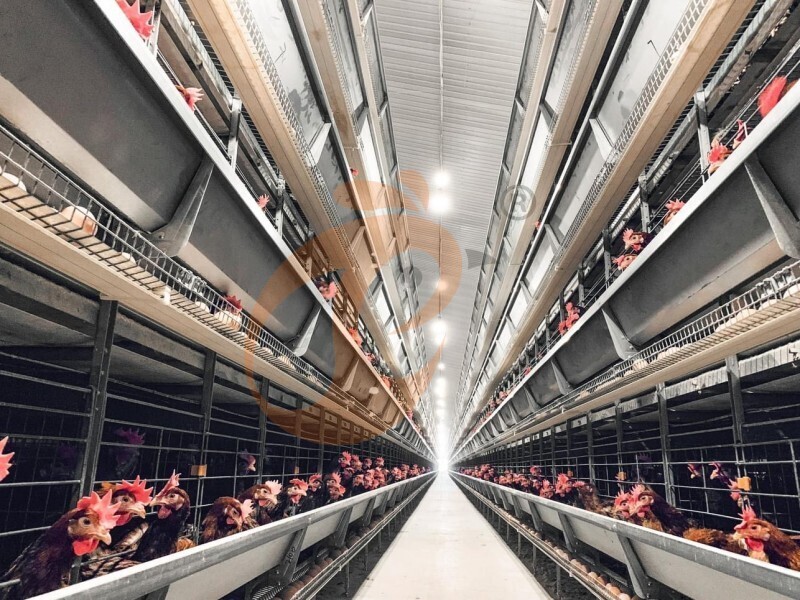
- Battery cage for layers can combine 3–6 tiers, automated feeding, and centralized egg handling for scalable commercial production.
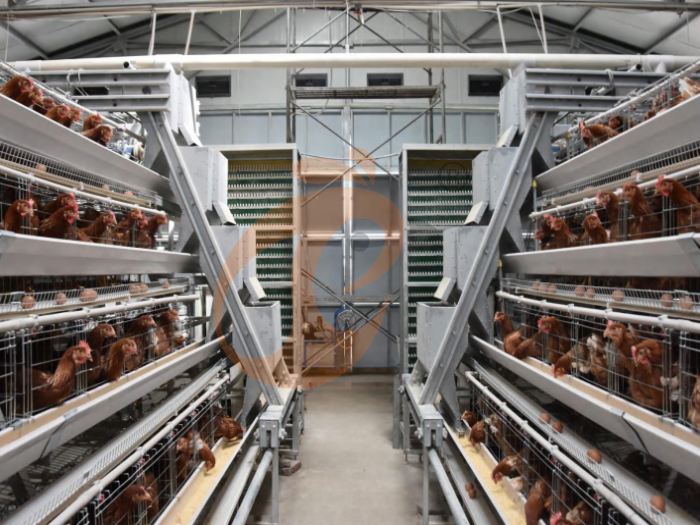
A layer chicken cage system connects feeding, drinking, manure removal, ventilation, and collection through coordinated equipment with 60–100 m row planning.
An automatic layer cage system can support projects exceeding 100,000 birds while reducing repetitive labor through integrated automation and plc control.
Proper equipment matching balances building utilization, climate load, maintenance access, and production throughput across 20,000–100,000+ bird projects.
- Professional engineering converts cage capacity into controlled production through galvanized structures, automated conveyors, regulated water delivery, and long-term operating reliability.
Get professional poultry farm construction guidance, equipment selection solutions, and the latest price lists, whatsApp to +8618830120193, +2348111199996, or click to learn more.
Cage Architecture: Where The Capacity Difference Comes From
Data is for reference only.Swipe horizontally to view full table.
Typical commercial battery cage for layers systems use galvanized steel, multi-tier construction, and modular geometry.
Project selection should also consider breed requirements, regulations, and a building clear height around 3.5–6.0 m.
The "More Birds" Test: Three Questions Before You Buy
Question 1 — can the equipment process additional output?
A larger flock increases workload throughout the system, while an automatic layer cage system must match collection capacity with daily production.
Question 2 — can the house remove heat and moisture efficiently?
Ventilation engineering must follow flock loading, with commercial exhaust equipment potentially delivering approximately 36,000–48,000 m³/h.
Question 3 — can labor remain controlled?
An integrated layer chicken cage system reduces repetitive operations through automatic feeding, egg collection, and manure handling, with service cycles planned around daily workload.
Feeding System: Match Delivery Capacity To Flock Demand
Data is for reference only.Swipe horizontally to view full table.
Commercial battery cage for layers packages commonly integrate chain or hopper feeding with sensors and centralized delivery.
A properly engineered line can maintain continuous distribution across long rows, while feed storage planning may cover 3–5 days.
Water Is The Hidden Production Variable
Think of the drinking system as a distribution network rather than separate drinking points.
Input → regulation → filtration → distribution → drinking point → monitoring
A professional layer chicken cage system stabilizes water delivery through pressure regulation, filtration, metering, and optional medication dosing.
Equipment specifications may include 100 μm filtration and stainless-steel drinking components, with monitoring designed around water quality and line length.
Drinking System Specifications For Commercial Layers
Data is for reference only.Swipe horizontally to view full table.
Published commercial battery cage for layers specifications commonly use controlled nipple flow and pressure-regulated drinking lines.
Final selection should account for line length, elevation, water quality, and daily consumption variation.
The Ventilation Equation: Density × Equipment × Climate
A cage configuration cannot perform independently from the poultry-house environment.
If bird numbers rise, ventilation calculations must rise accordingly.
An automatic layer cage system therefore needs coordinated fan capacity, air inlets, cooling equipment, and climate controls.
Hot-weather designs may target approximately 1.5–2.5 m/s air velocity, while cooling pads can reach 150–200 mm thickness.
Manure Removal: The Equipment That Protects Labor Efficiency
Data is for reference only.Swipe horizontally to view full table.
Automatic manure belts beneath battery cage for layers tiers transfer waste toward designated discharge points.
Integrated removal reduces repetitive cleaning, while discharge design can be coordinated with downstream handling equipment.
Return On Investment Check: Compare Output Against The Whole System
A useful purchasing calculation is
Equipment return on investment = additional saleable egg revenue − additional equipment and operating costs
A layer chicken cage system should therefore be evaluated beyond cage purchase price, including automation, labor, maintenance, energy, and building utilization.
For long-term planning, structural service life may reach 15–20 years, while manure removal cycles can be scheduled according to climate and waste accumulation.
European union standard reference only.
Egg Collection: Turning Capacity Into Saleable Product
Data is for reference only.Swipe horizontally to view full table.
Automatic collection becomes increasingly important as battery cage for layers capacity expands.
Reinforced belts and central conveyors reduce handling stages between rows and collection areas, with equipment selection tied to flock output and packing capacity.
Building Layout: The Space Around The Cage Is Also Equipment
Data is for reference only.Swipe horizontally to view full table.
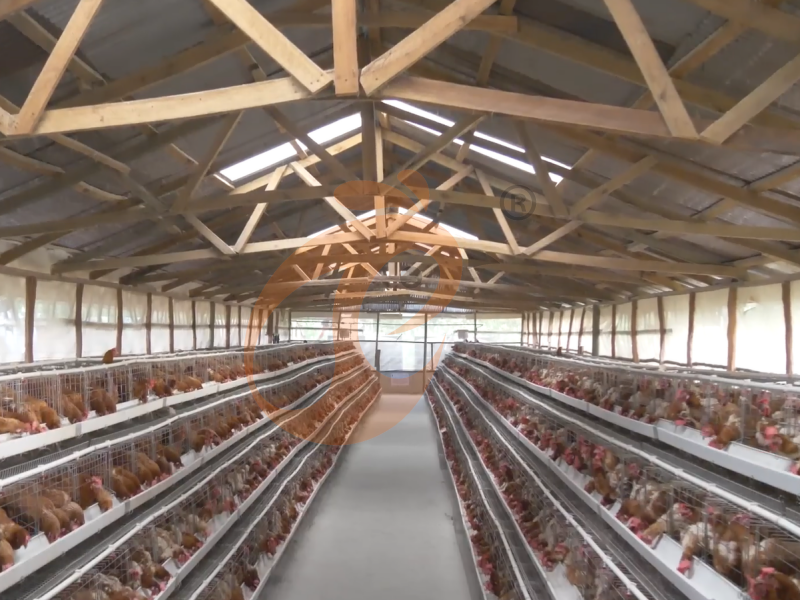
Large layer chicken cage system projects require coordinated cage rows, aisles, conveyors, ventilation, and control architecture.
Modular planning allows row quantities and tier configurations to follow building height, footprint, maintenance access, and expansion requirements.
Final Verdict: Select The System That Converts Space Into Controlled Production
Data is for reference only.Swipe horizontally to view full table.
So, which configuration performs better?
The answer depends on the complete engineering load rather than cage count alone.
For farms prioritizing building utilization, automated feeding, egg collection, manure removal, and climate control, an automatic layer cage system can convert vertical space into controlled production capacity.
For projects with different building constraints, management objectives, or regulatory requirements, another configuration may deliver a better operating balance.
The real advantage comes from purchasing a complete poultry equipment solution rather than isolated cages.
Galvanized structures, automated feeding, nipple drinking, egg collection, manure removal, ventilation, and environmental controls should be engineered as one system.
Choose cage configuration according to building conditions, equipment capacity according to flock load, and engineering support according to project complexity.
Frequently Asked Questions
Q1: What determines the better battery cage for layers configuration?
A1: The better battery cage for layers configuration depends on building dimensions, flock size, automation requirements, ventilation capacity, and local regulations, with project planning commonly covering 20,000–100,000+ birds.
Q2: Why does automation matter in a layer chicken cage system?
A2: An automatic layer chicken cage system connects feeding, drinking, egg collection, and manure handling, allowing large projects to reduce repetitive labor while maintaining coordinated operating cycles.
Q3: When is an automatic layer cage system more suitable?
A3: An automatic layer cage system is particularly suitable when flock capacity and labor requirements increase, especially where centralized egg collection can reach approximately 65,000 eggs/h.
Taiyu (HK) Group - One Of China Largest Battery Cage Manufacturer
Battery cage for layers provides modular galvanized housing with 3–6 tiers, integrated feeding, regulated drinking, egg collection, and manure handling for commercial layer projects.
Global factory-direct supply covers complete poultry equipment packages, with engineering coordination for cage structures, conveyors, ventilation, feeding, drinking, and electrical control.
Turn-key engineering integrates project planning, equipment production, installation guidance, commissioning support, and system matching from initial layout through production operation.
International projects can be configured for 20,000–100,000+ birds, using modular equipment architecture suited to different buildings, climates, regulations, and automation levels.
Factory engineering supports specification-based procurement, component coordination, production quality control, spare-parts planning, and long-term technical service for commercial poultry operations.
Contact Us To Received Your Customized Poultry Farm Plan
Headquarters And Branchs
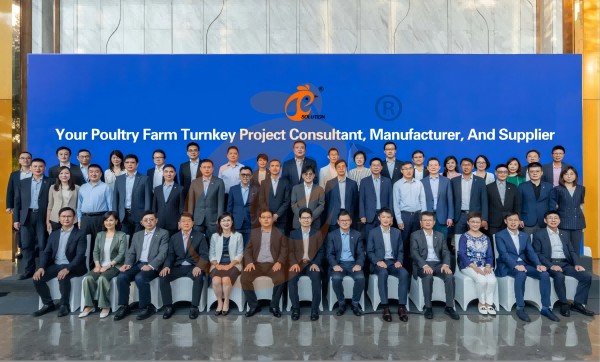
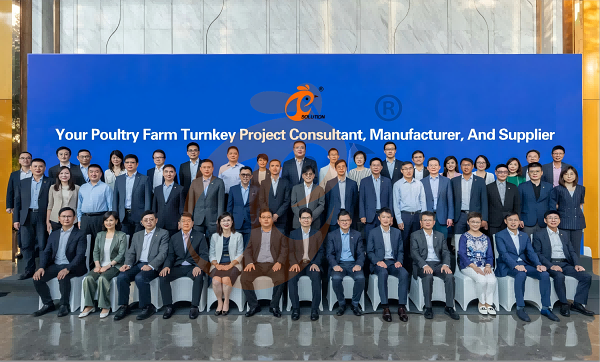
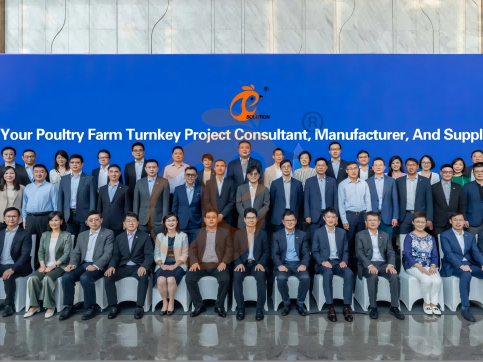
Hong Kong Headquarter Management Team
Hong Kong Headquarter Taiyu Industrial Group CO., LTD
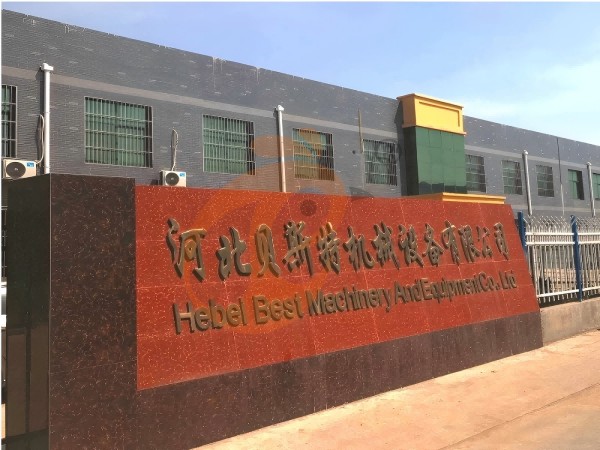
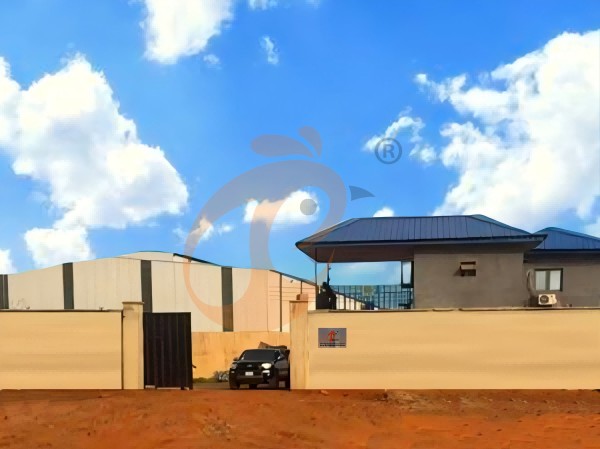
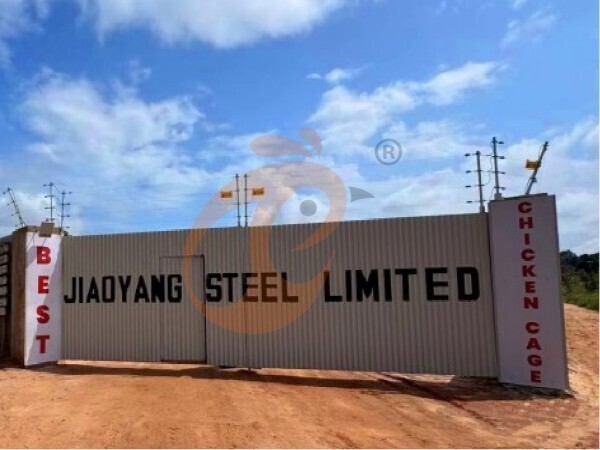
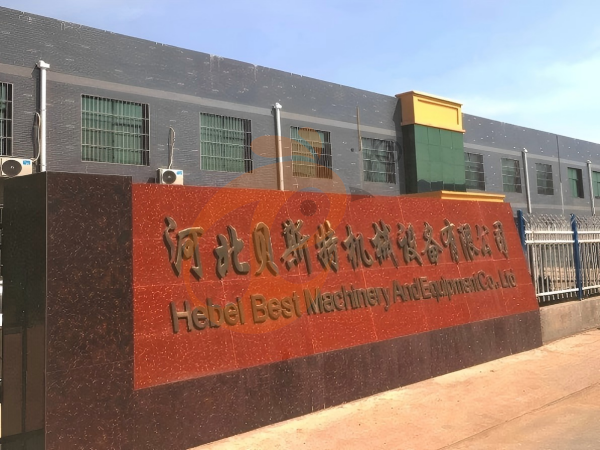
China Hebei Best Machinery And Equipment CO., LTD
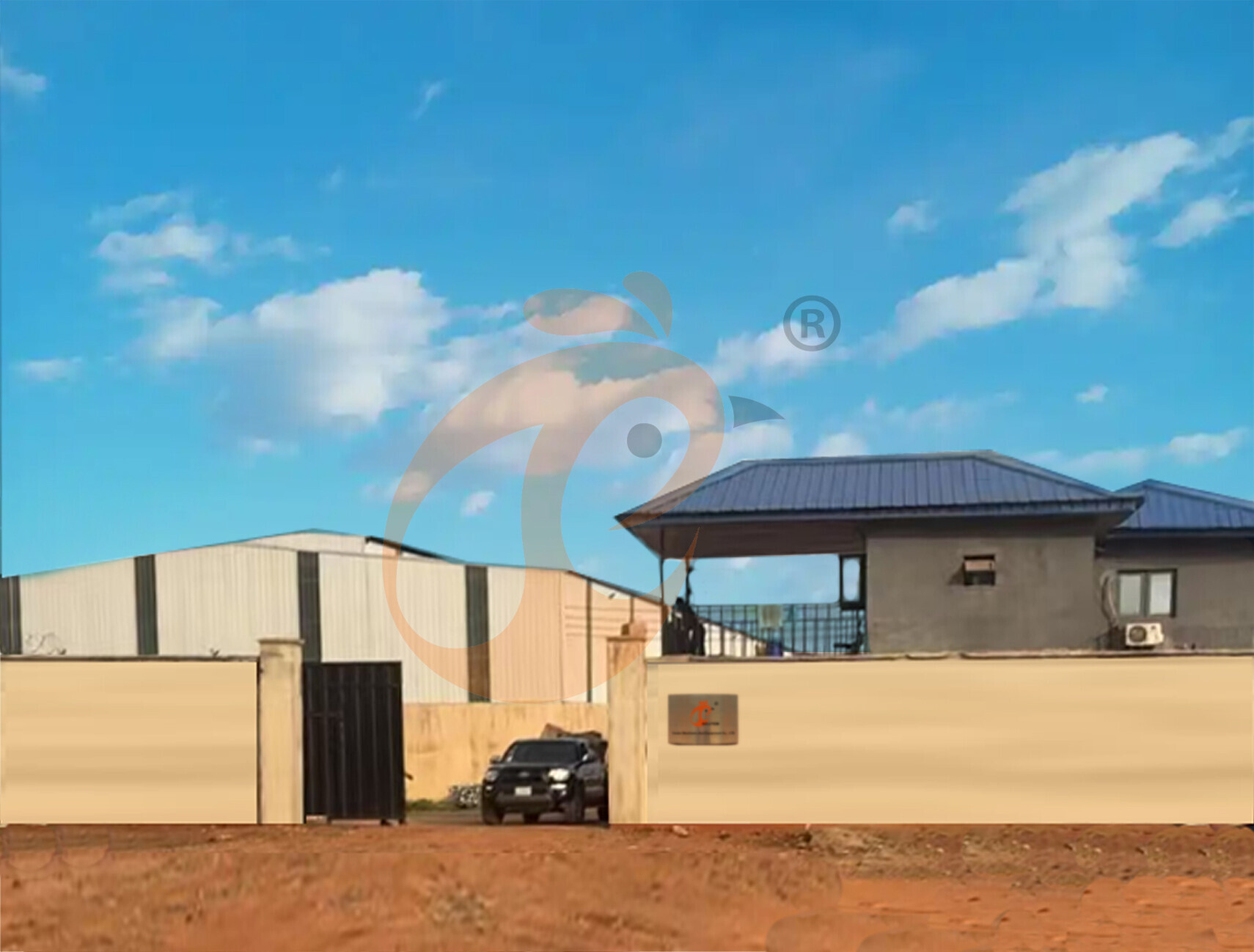
Nigeria Vanke Machinery And Equipment CO., LTD
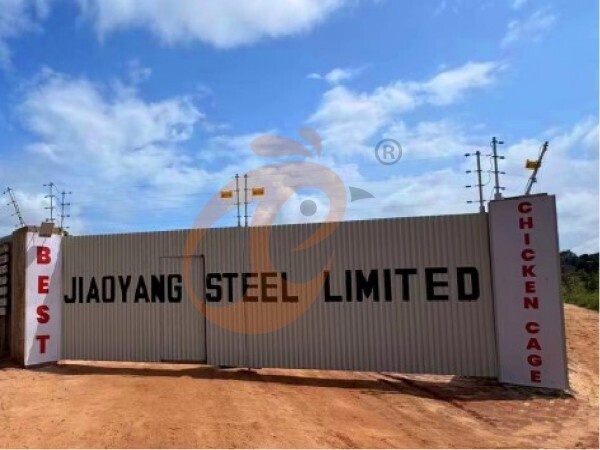
Tanzania Best Machinery And Equipment CO., LTD
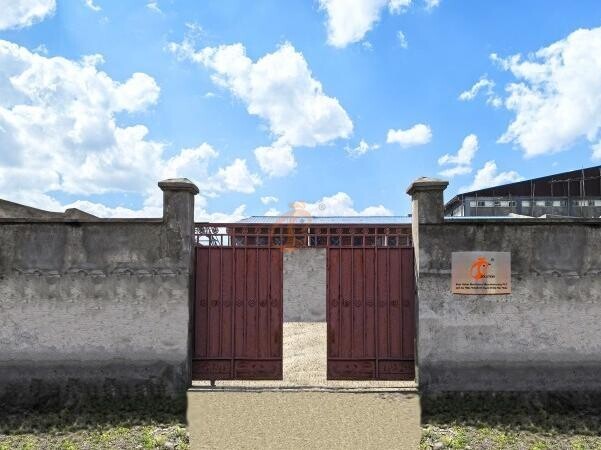
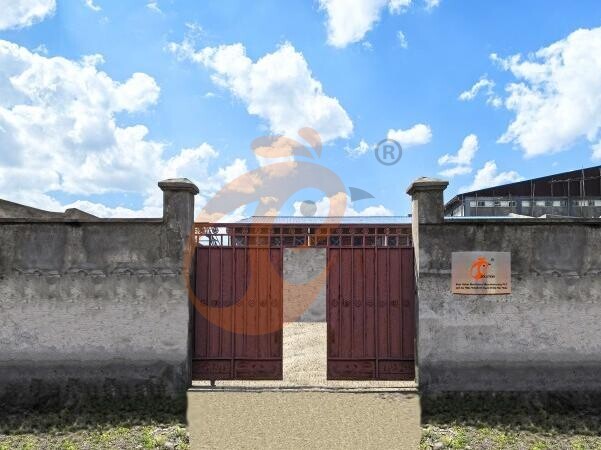
Ethiopia Best Hebei Machinery Manufacturing PLC
Reception /24 WhatsApp NO. : +8618830120193
FAQ
What Are The Top Professional Tips For Egg Collection Efficiency In Poultry Cage Farms?
Each belt can transport 4,000–6,000 eggs per hour, reducing manual handling.
Regularly clean conveyors; breakage rate can be maintained at 2–3%.
How To Reduce Labor Costs In Chicken Cage Farms With Automation?
Save ~70-90% labor per house while maintaining egg production at 90–98%.
Use monitoring systems to track flock health and production in real-time.
What Are The Ultimate Guidelines For Layer Cage Farm Hygiene And Biosecurity?
Regularly clean drinkers, egg belts, and cage surfaces.
Egg production: 90–98%, mortality: 2–3%.
Message
Products recommended
 HK Headquarter Offers EU-standard Poultry Farm Solutions, Manufacture Poultry Farm Equipment1. Continuous communication with the EU and the US
2. China, Nigeria, Ethiopia, Tanzania branch companies and factories
3. The products’ quality is customized for local poultry farms
4. Poultry cage and poultry farm equipment stock for sale
5. 24 online reception Whatsapp NO. : +8618830120193,contact us to get full informationRead More China Branch Offer Poultry Farm Business Plan, Manufacture Poultry Farm Equipment1. Address: Flat/RM 2416, 24/F, Runxing Building, Youyi Nan Street, Shijiazhuang City, Hebei Province, China
2. Poultry cage and poultry farm equipment factory and stock for sale
3. Customized for local poultry farms
4. Quality and design are based on Euro
5. 24 online reception Whatsapp NO. : +8618830120193Read More Nigeria Branch Offer Poultry Farm Business Plan, Manufacture Poultry Farm Equipment1. Address: After Sinoma Office, 200 Meters Near Danco Filling Station, Lagos/Ibadan Expressway, Lagos State, Nigeria
2. Poultry cage and poultry farm equipment factory and stock for sale
3. Customized for Nigerian poultry farms
4. Quality and design are based on Euro
5. 24 online reception Whatsapp NO. : +8618830120193Read More Ethiopia Branch Offer Poultry Farm Business Plan, Manufacture Poultry Farm Equipment1. Address: Gelan Gura, Akaki-kaliti Sub City, Addis Ababa, Ethiopia
2. Poultry cage and poultry farm equipment stock for sale
3. Customized for Ethiopian poultry farms
4. Quality and design are based on Euro
5. 24 online reception Whatsapp NO. : +8618830120193, contact us to get price listRead More Tanzania Branch Offer Poultry Farm Business Plan, Manufacture Poultry Farm Equipment1. Address: No.8, Sova Road, Msufini, Mlandizi, Kibaha, Pwani, Tanzania
2. Poultry cage and poultry farm equipment factory and stock for sale
3. Customized for Tanzanian poultry farms
4. Quality and design are based on Euro
5. 24 online reception Whatsapp NO. : +8618830120193Read More Fully Automatic H Type Layer Chicken Cage1. 30,000-100,000+ layers/house chooses it, Poultry farmers can achieve an egg production rate of 96-98%
2. A significant improvement over the 85-90% typically seen in manual systems
3. A typical poultry farm can expect a 30-40% reduction in labor costs due to the automation
4. Each feeding line efficiently supplies feed to around 100,000 hens per 30 mins
5. Reception /WhatsApp NO. : +8618830120193Read More Fully Automatic A Type Layer Chicken Cage1. 10,000-50,000 layers/house chooses it
2. Cleaner egg collection reduces breakage by 0.5%
3. Improved hygiene helps reduce mortality rate to <3%
4. 1–2 technicians can handle 15,000–30,000 birds
5. Reception /WhatsApp NO. : +8618830120193Read More Semi Automatic H Type Layer Chicken Cage1. 1,00-20,000 layers/house chooses it
2. Nipple drinkers flow 30–60 ML / min
3. Hot-dip galvanized (typical coating ≥ 275 g/m²)
4. Reduce ammonia by ~ 35–40%
5. Reception /WhatsApp NO. : +8618830120193Read More Semi Automatic A Type Layer Chicken Cage1. 1,00-20,000 layers/house chooses it, no rust for 10 years, no deformation for 15 years
2. Chickens live comfortably, you can raise them with peace of mind
3. Save water, save money—efficiency you can measure
4. Improve environment quality, and increase egg production rate
5. Reception /WhatsApp NO. : +8618830120193Read More
By clicking 'Allow All', you agree to the storage of cookies on your device to enhance site navigation, analyze site usage and assist with our marketing efforts.