






Blog
Nipple drinker system efficiency connects water delivery, flock access, litter management, labor control, and equipment reliability through one integrated poultry-house solution with measurable operating targets.
Poultry nipple drinkers support controlled water delivery when flow selection, line installation, pressure management, and component compatibility are coordinated across different production stages.
Automatic poultry drinking system design reduces routine intervention through structured maintenance, water monitoring, flushing procedures, and replaceable components across commercial poultry operations.
Equipment selection also influences service life, troubleshooting efficiency, sanitation routines, and project planning, with practical engineering considerations extending beyond individual drinking nipples.
A complete equipment approach combines technical specifications, installation discipline, maintenance records, and supplier capability, creating a stronger basis for reliable poultry-house water management.
Get professional poultry farm construction guidance, equipment selection solutions, and the latest price lists, whatsApp to +8618830120193, +2348111199996, or click to learn more.
Match Nipple Flow To Bird Requirements
Different bird ages and production stages require different water delivery rates.
A nipple delivering insufficient water can restrict intake, while excessive delivery can increase waste and wet litter.
Automatic poultry drinking system selection should therefore consider flock development, drinking behavior, and daily management schedules.
Data is for reference only.Swipe horizontally to view full table.
Choosing the correct nipple drinker system specification is therefore a critical equipment decision, particularly for commercial houses containing 20,000 birds or more.
A properly selected poultry nipple drinkers configuration supports bird access while helping producers manage water consumption.
Control Pressure Before It Controls You
Pressure variation is one of the common causes of inconsistent drinking-line performance.
If pressure becomes excessive, dripping can increase, while insufficient pressure can make nipple activation difficult.
A dependable automatic poultry drinking system regulator should allow adjustment without interrupting the complete circuit, while filtration can protect downstream components during continuous operation.
Think of the regulator as the control center.
For longer installations, pressure management across separate line sections becomes increasingly important, especially where houses exceed 100 m in length.
A pressure gauge can also provide direct operating visibility during commissioning and servicing.
Use The Six-Point Installation Check
Before blaming the nipple itself, inspect the complete system.
Small installation deviations can create repeated efficiency losses throughout an entire flock cycle.
A correctly installed nipple drinker system should account for structural movement, pipe support, connection stability, and service accessibility.
Data is for reference only.Swipe horizontally to view full table.
Installation rule a high-quality nipple cannot compensate for poor line setup.
Professional installation should therefore be considered part of the poultry nipple drinkers solution rather than an afterthought.
Proper pipe supports should also be positioned consistently throughout the house.
Turn Maintenance Into A Routine
Waiting for visible leakage creates a reactive maintenance cycle.
Efficient poultry farms instead treat automatic poultry drinking system inspection as a scheduled operating task.
Daily
Check visible leaks, damaged components, and unusual wet areas.
Record abnormal observations within 15 minutes of starting inspection.
Weekly
Inspect regulators, line condition, and nipple operation.
Compare water-meter readings against the previous 4 production weeks.
Between Flocks
Flush the complete system and inspect nipples, seals, pipes, and connectors.
Allow treated lines to remain isolated according to the sanitation program.
Before Placement
Confirm pressure, flow, height, and accessibility.
Complete commissioning at least 24 hours before chick placement.
Modular nipple drinker system equipment can further shorten replacement work when individual components require servicing.
Reduce Water Waste At The Source
Water waste is rarely caused by one dramatic failure.
More often, small leaks and unnecessary drops are repeated across thousands of drinking points.
A dedicated meter can help monitor poultry nipple drinkers performance, while daily records create a measurable reference for abnormal consumption.
Data is for reference only.Swipe horizontally to view full table.
A well-designed automatic poultry drinking system can reduce avoidable water losses throughout the house.
Water-meter data collected at 24-hour intervals can also reveal abnormal consumption before wet litter becomes widespread.
Select Equipment For Long-Term Performance
The cheapest component is not always the lowest-cost option.
A nipple operating through multiple production cycles should be evaluated according to durability, sealing performance, corrosion resistance, flow consistency, and maintenance requirements.
Material selection for nipple drinker system components should also consider water chemistry and installation conditions.
Data is for reference only.Swipe horizontally to view full table.
For poultry equipment buyers, the goal should be total operating value, not simply the lowest purchase price.
Poultry nipple drinkers should also undergo repeated activation testing, with 100,000 cycles providing a useful durability benchmark for commercial evaluation.
Compare The System, Not Just The Nipple
A poultry drinking system works as a complete chain
Water source → filtration → regulator → drinking pipe → nipple → bird
A weakness at any point can affect the entire system.
An automatic poultry drinking system should therefore be evaluated as an interconnected hydraulic assembly rather than as separate components.
Data is for reference only.Swipe horizontally to view full table.
An experienced nipple drinker system supplier should evaluate the complete water circuit rather than selling isolated components without considering compatibility.
For projects exceeding 100 m per drinking line, hydraulic planning should be completed before equipment quantities are finalized.
The Before Vs. After Farm Test
Instead of asking whether an equipment upgrade sounds efficient, measure the difference.
Before Optimization
- Frequent wet spots beneath drinking lines
- Pressure changes between house sections
- Regular nipple replacement
- More manual inspection
- Higher water consumption than expected
After Optimization
- More consistent water delivery
- Fewer visible leaks
- Easier line maintenance
- Better pressure stability
- More predictable water usage
The strongest purchasing decision is based on measurable operating improvement.
A poultry nipple drinkers evaluation can use 14 consecutive days to compare operating records before and after adjustment.
Quick Troubleshooting: Ask These Five Questions
Q1: Are birds drinking normally?
If not, check nipple activation, line height, and pressure during at least three separate lighting periods.
Q2: Is litter unusually wet?
Inspect for leaks, excessive pressure, and poorly positioned lines within a defined inspection zone.
Q3: Do some nipples flow differently?
Check blockages, pressure variation, and nipple condition across the 10 sampled nipples.
Q4: Does the problem occur only at the end of the line?
Investigate pressure distribution and flushing through a two-point measurement.
Q5: Are maintenance costs increasing?
Review component durability and compare replacement expenditure across a 12-month operating period.
This diagnostic approach helps automatic poultry drinking system users identify whether problems are operational, installation-related, or equipment-related.
What Makes A Better Poultry Drinking Equipment Partner?
Equipment quality matters, but supplier capability matters too.
Look For A Supplier That Can Provide
- Application knowledge equipment matched to bird type and house design
- Complete components nipples, regulators, pipes, connectors, and related accessories
- Consistent manufacturing stable specifications from batch to batch
- Customization solutions adapted to different poultry-house layouts
- Technical support guidance for installation and maintenance
- Reliable supply replacement parts available when needed
For commercial nipple drinker system projects, supplier evaluation should include documented production capability, inspection procedures, and technical response arrangements.
A manufacturer maintaining iso 9001-certified quality management can provide an additional purchasing reference.
Make Every Drop Work Harder
Poultry nipple drinkers efficiency ultimately comes down to six practical actions.
Data is for reference only.Swipe horizontally to view full table.
A modern poultry house should not treat the drinking system as a basic accessory.
An automatic poultry drinking system is an important part of production infrastructure, connecting water delivery with daily house management.
By selecting reliable nipples, accurate regulators, durable drinking lines, and compatible components, producers can build a system designed for stable performance rather than constant correction.
Integrated nipple drinker system equipment can also reduce the number of manual adjustment points to fewer than five primary service locations per line.
The right equipment makes optimization easier from day one.
For poultry farms seeking a complete drinking solution, choosing an experienced equipment manufacturer can provide product quality, system compatibility, and technical support for efficient daily operation.
Frequently Asked Questions
Q1: What flow rate should a nipple drinker system provide for different poultry stages?
A1: Recommended flow commonly ranges from 20–80 mL/min, depending on bird stage, equipment configuration, and management conditions.
Q2: How can poultry nipple drinkers help reduce water waste?
A2: Correct nipple selection, pressure control, line installation, and regular inspection work together to reduce dripping and unnecessary water discharge.
Q3: What should buyers check before purchasing an automatic poultry drinking system?
A3: Buyers should verify nipple specifications, regulator compatibility, pipe dimensions, flushing design, material selection, maintenance requirements, and supplier technical support.
Taiyu (HK) Group - One Of China Toppest Nipple Drinker System Manufacturer
Nipple drinker system solutions integrate stainless-steel drinking nipples, pressure regulators, pipes, connectors, and flushing components into coordinated poultry-house water circuits.
Poultry nipple drinkers are manufactured for project-based equipment supply, with component specifications aligned to flock capacity, line configuration, installation requirements, and maintenance planning.
Automatic poultry drinking system projects are supported through global factory-direct supply, connecting manufacturing, equipment coordination, export documentation, and technical communication within one procurement structure.
Complete poultry equipment packages can support turn-key engineering projects, covering drinking systems alongside broader house equipment according to project specifications and site requirements.
Factory-direct production supports international poultry projects through equipment integration, component supply, technical coordination, and project-oriented delivery for commercial farm development.
Contact Us To Received Your Customized Poultry Farm Plan
Headquarters And Branchs

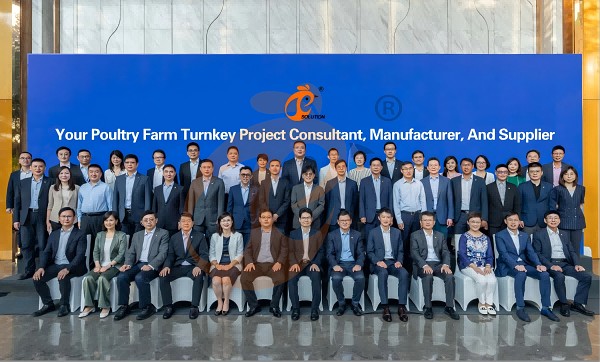
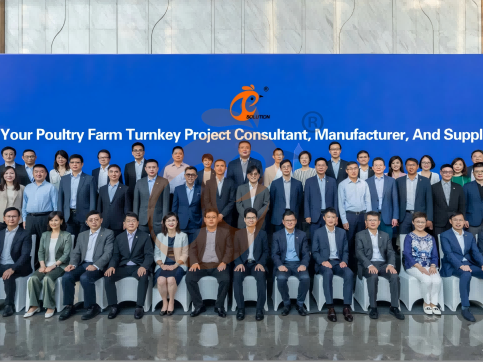
Hong Kong Headquarter Management Team
Hong Kong Headquarter Taiyu Industrial Group CO., LTD
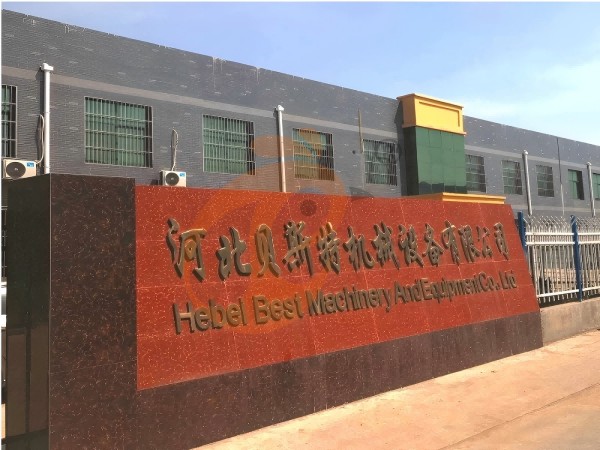
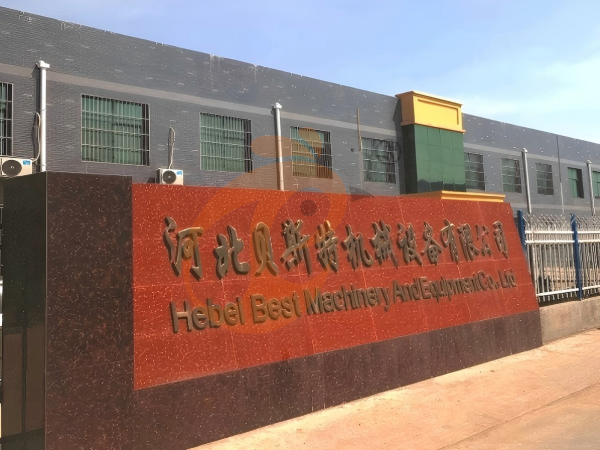
China Hebei Best Machinery And Equipment CO., LTD
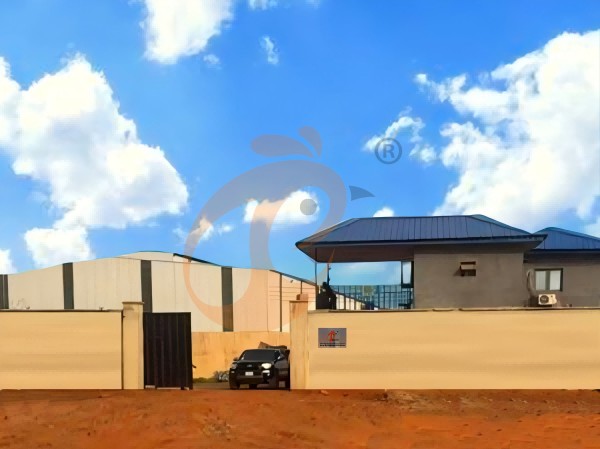
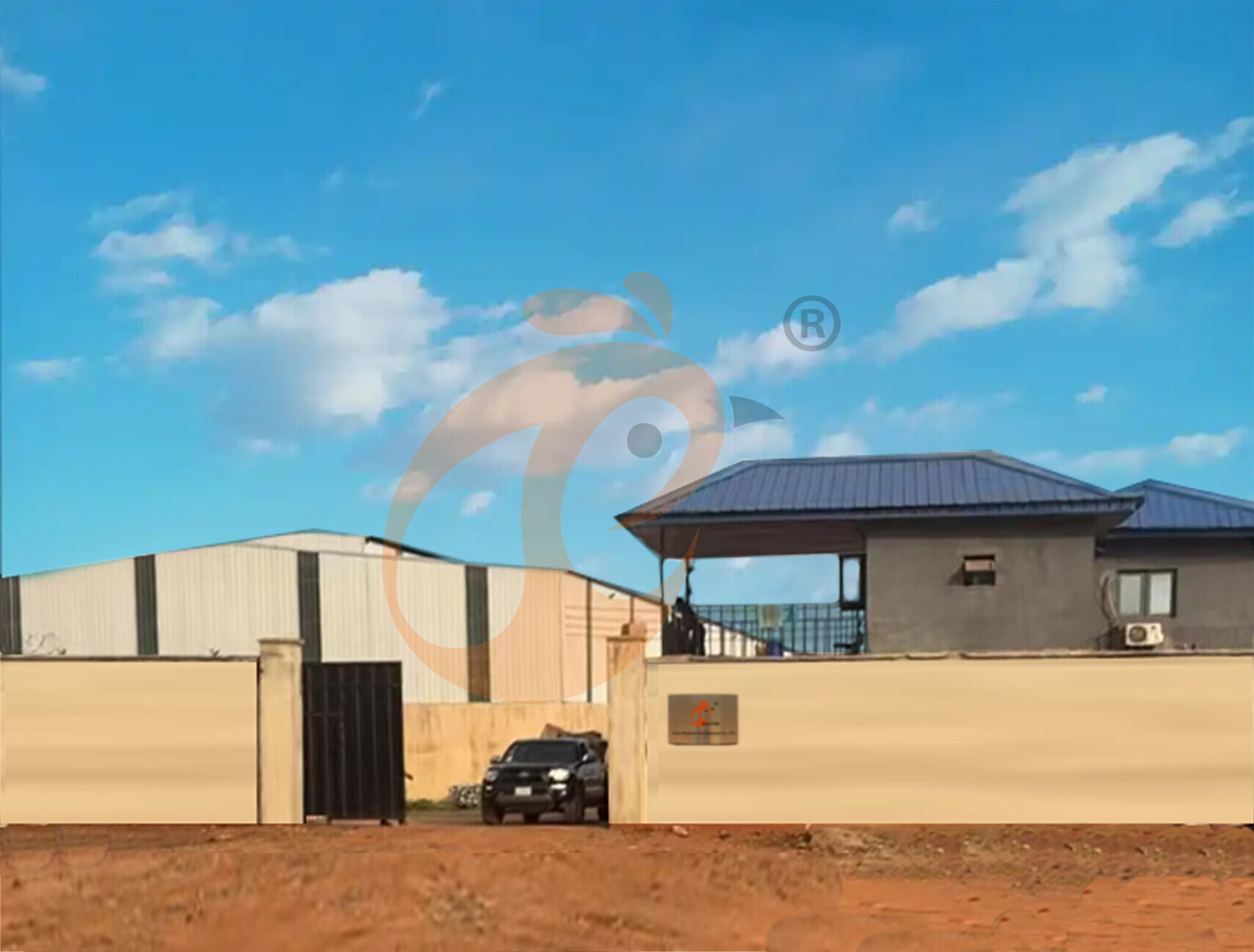
Nigeria Vanke Machinery And Equipment CO., LTD
Tanzania Best Machinery And Equipment CO., LTD
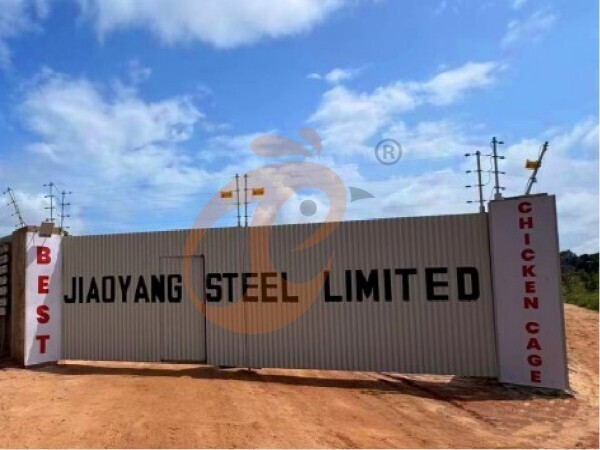
Ethiopia Best Hebei Machinery Manufacturing PLC

Reception /24 WhatsApp NO. : +8618830120193
FAQ
What Water Quality Requirements Are Necessary For Nipple Drinkers In Poultry Chicken Cage Systems?
Water hardness is maintained within 100–150 mg/L CaCO₃ equivalent for valve protection.
Microbial load is controlled under 100 CFU/mL for safe poultry consumption standards.
What Is The Recommended Stocking Ratio For Nipple Drinkers In Poultry Chicken Cage Systems?
Drinker spacing is typically set at 25–30 cm to reduce competition stress.
Water demand allocation is calculated at 180–220 ml per bird daily in intensive production.
How Is Water Flow Regulated In Nipple Drinkers For Poultry Chicken Cage Farming Systems?
Pressure stability is maintained within 0.18–0.22 MPa across drinking lines.
Drop formation interval is adjusted at 1–2 seconds per activation for efficient intake.
Message
Products recommended
 HK Headquarter Offers EU-standard Poultry Farm Solutions, Manufacture Poultry Farm Equipment1. Continuous communication with the EU and the US
2. China, Nigeria, Ethiopia, Tanzania branch companies and factories
3. The products’ quality is customized for local poultry farms
4. Poultry cage and poultry farm equipment stock for sale
5. 24 online reception Whatsapp NO. : +8618830120193,contact us to get full informationRead More China Branch Offer Poultry Farm Business Plan, Manufacture Poultry Farm Equipment1. Address: Flat/RM 2416, 24/F, Runxing Building, Youyi Nan Street, Shijiazhuang City, Hebei Province, China
2. Poultry cage and poultry farm equipment factory and stock for sale
3. Customized for local poultry farms
4. Quality and design are based on Euro
5. 24 online reception Whatsapp NO. : +8618830120193Read More Nigeria Branch Offer Poultry Farm Business Plan, Manufacture Poultry Farm Equipment1. Address: After Sinoma Office, 200 Meters Near Danco Filling Station, Lagos/Ibadan Expressway, Lagos State, Nigeria
2. Poultry cage and poultry farm equipment factory and stock for sale
3. Customized for Nigerian poultry farms
4. Quality and design are based on Euro
5. 24 online reception Whatsapp NO. : +8618830120193Read More Ethiopia Branch Offer Poultry Farm Business Plan, Manufacture Poultry Farm Equipment1. Address: Gelan Gura, Akaki-kaliti Sub City, Addis Ababa, Ethiopia
2. Poultry cage and poultry farm equipment stock for sale
3. Customized for Ethiopian poultry farms
4. Quality and design are based on Euro
5. 24 online reception Whatsapp NO. : +8618830120193, contact us to get price listRead More Tanzania Branch Offer Poultry Farm Business Plan, Manufacture Poultry Farm Equipment1. Address: No.8, Sova Road, Msufini, Mlandizi, Kibaha, Pwani, Tanzania
2. Poultry cage and poultry farm equipment factory and stock for sale
3. Customized for Tanzanian poultry farms
4. Quality and design are based on Euro
5. 24 online reception Whatsapp NO. : +8618830120193Read More Fully Automatic H Type Layer Chicken Cage1. 30,000-100,000+ layers/house chooses it, Poultry farmers can achieve an egg production rate of 96-98%
2. A significant improvement over the 85-90% typically seen in manual systems
3. A typical poultry farm can expect a 30-40% reduction in labor costs due to the automation
4. Each feeding line efficiently supplies feed to around 100,000 hens per 30 mins
5. Reception /WhatsApp NO. : +8618830120193Read More Fully Automatic A Type Layer Chicken Cage1. 10,000-50,000 layers/house chooses it
2. Cleaner egg collection reduces breakage by 0.5%
3. Improved hygiene helps reduce mortality rate to <3%
4. 1–2 technicians can handle 15,000–30,000 birds
5. Reception /WhatsApp NO. : +8618830120193Read More Semi Automatic H Type Layer Chicken Cage1. 1,00-20,000 layers/house chooses it
2. Nipple drinkers flow 30–60 ML / min
3. Hot-dip galvanized (typical coating ≥ 275 g/m²)
4. Reduce ammonia by ~ 35–40%
5. Reception /WhatsApp NO. : +8618830120193Read More Semi Automatic A Type Layer Chicken Cage1. 1,00-20,000 layers/house chooses it, no rust for 10 years, no deformation for 15 years
2. Chickens live comfortably, you can raise them with peace of mind
3. Save water, save money—efficiency you can measure
4. Improve environment quality, and increase egg production rate
5. Reception /WhatsApp NO. : +8618830120193Read More
By clicking 'Allow All', you agree to the storage of cookies on your device to enhance site navigation, analyze site usage and assist with our marketing efforts.